
Can you start a Stihl concrete saw without the blade installed? Yes, you can start a Stihl concrete saw without the blade installed, but it is strongly advised against for safety reasons. Starting a concrete saw with the blade installed is the correct and safe procedure.
Starting a Stihl concrete saw might seem straightforward, but there’s a specific sequence to follow to ensure it fires up correctly and safely. This guide will walk you through the essential steps, covering everything from fuel to the final pull of the starter rope. We’ll also touch upon crucial maintenance, safety practices, and common troubleshooting tips to keep your Stihl concrete saw running smoothly.
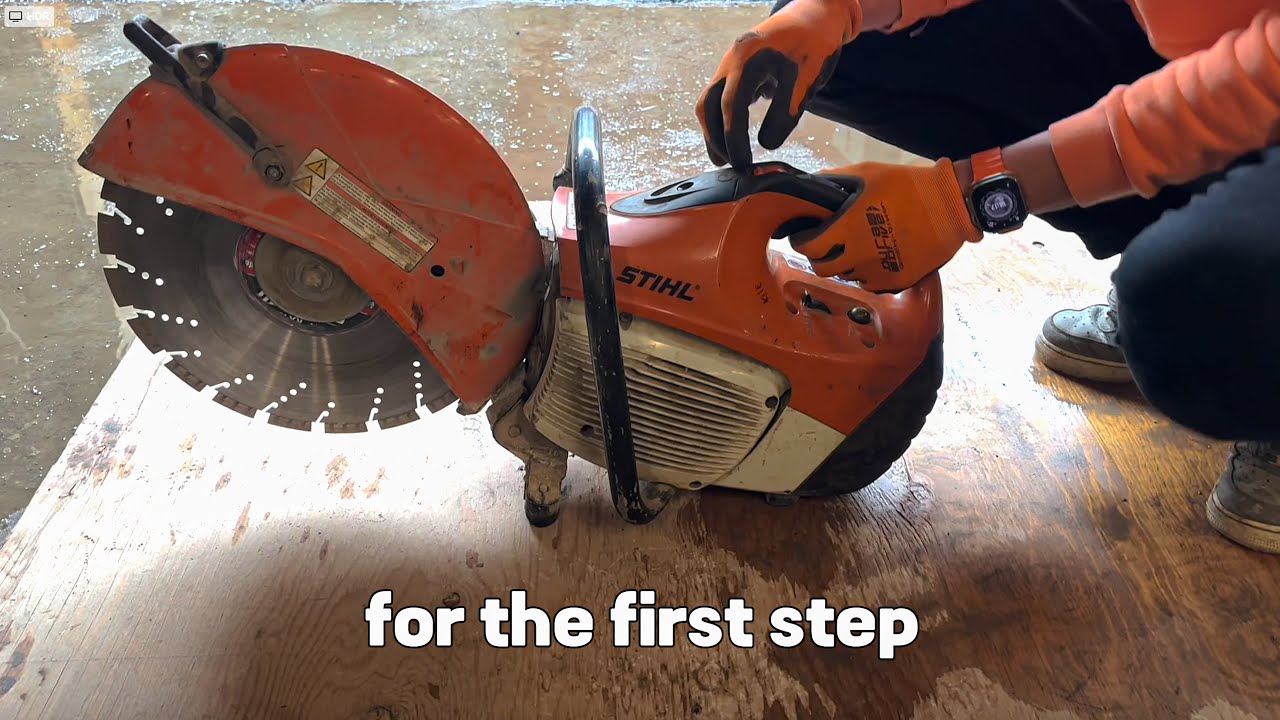
Image Source: i.ytimg.com
Getting Ready: Pre-Startup Checks
Before you even think about pulling the starter cord, a few vital checks are necessary. These steps ensure your saw is ready to go and minimize the risk of damage or injury.
Fueling Your Stihl Concrete Saw
The right fuel mix is paramount for the longevity and performance of your Stihl concrete saw. These machines use a two-stroke engine, meaning they require a specific blend of gasoline and oil.
Stihl Concrete Saw Fuel Mixture
Stihl recommends using high-quality, unleaded gasoline with an octane rating of 90 or higher. Never use E15 or E85 gasoline. The oil used must be a high-quality, two-stroke engine oil specifically designed for air-cooled engines, like Stihl’s own HP Ultra or HP Super.
The standard Stihl concrete saw fuel mixture ratio is 50:1. This means 50 parts gasoline to 1 part two-stroke engine oil.
How to Mix Stihl Concrete Saw Fuel:
- Use a clean, approved fuel container.
- Add the correct amount of gasoline. For example, if you’re mixing 1 gallon of fuel, you’ll need 2.56 fluid ounces (80 ml) of oil.
- Add the correct amount of two-stroke oil.
- Securely close the container and shake it well to ensure the oil and gasoline are thoroughly mixed.
- Allow the mixture to sit for a few minutes before fueling the saw. This helps the oil and gas blend properly.
Important: Always mix fuel in small batches and only what you expect to use within a month. Stale fuel can cause starting problems and engine damage.
Checking the Air Filter
A clean air filter is essential for proper engine operation. A clogged filter restricts airflow, leading to a weaker engine and poor performance.
Stihl Cutoff Saw Maintenance includes regular air filter checks.
How to Check the Air Filter:
- Locate the air filter cover on your saw. This is usually a simple latch or screw.
- Remove the cover and take out the air filter.
- Inspect the filter for dirt, dust, and debris.
- If the filter is dirty, you can often clean it. For most Stihl filters, a light tap to remove loose debris is sufficient. For heavier dirt, you can wash it with a mild soap and water solution, rinse it thoroughly, and let it air dry completely before reinstalling.
- If the filter is damaged or excessively clogged and cannot be cleaned effectively, replace it with a new one. Using a damaged filter can allow debris into the engine.
Inspecting the Stihl Cutting Disc
Your cutting disc is the business end of the concrete saw. Before starting, ensure it’s securely installed and in good condition.
Stihl Cutting Disc Installation
Stihl cutting disc installation is critical for both performance and safety.
Steps for Stihl Cutting Disc Installation:
- Ensure the saw is completely off and cool.
- Place the saw on a stable, flat surface.
- Locate the cutting wheel flange. This is usually secured by a bolt.
- Use the appropriate wrench (often supplied with the saw or a universal wrench) to loosen and remove the bolt holding the flange.
- Remove the outer flange.
- Place the cutting disc onto the spindle. Ensure the directional arrow on the disc (if present) points in the direction of rotation.
- Reinstall the outer flange.
- Tighten the flange bolt securely. It’s crucial not to overtighten, which can damage the spindle or disc, but it must be tight enough to prevent the disc from coming loose during operation. Many Stihl saws have a specific torque recommendation; consult your owner’s manual.
- Check that the disc spins freely without wobbling.
Safety Note: Always wear appropriate safety gear, including gloves, when handling cutting discs.
Checking the Spark Plug
A fouled or worn spark plug can cause starting issues.
How to Check the Spark Plug:
- Locate the spark plug cap.
- Pull the cap off the spark plug.
- Use a spark plug wrench to unscrew and remove the spark plug.
- Inspect the spark plug for signs of wear, fouling (black, oily deposits), or damage to the electrode.
- If it appears dirty, you can try cleaning it with a wire brush. Ensure it’s properly gapped (refer to your owner’s manual for the correct gap).
- If the spark plug is worn or damaged, replace it with a new, correct-type spark plug.
The Stihl Concrete Saw Startup Procedure
Now that your saw is prepped, it’s time to get it running. The Stihl concrete saw startup procedure is designed to prime the engine and prepare it for ignition.
Step 1: Prime the Engine
Many Stihl concrete saws have a primer bulb. This small, clear bulb on the carburetor helps to draw fuel into the engine.
How to Prime:
- Locate the primer bulb.
- Press the primer bulb repeatedly until you see fuel circulating within it. Usually, 5-10 presses are sufficient. If you see fuel returning to the tank, you’ve primed it.
Step 2: Engage the Choke
The choke enriches the fuel-air mixture, making it easier for a cold engine to start.
Engaging the Choke:
- Locate the choke lever. It’s often near the air filter or on the carburetor assembly.
- Move the choke lever to the “choke” or “start” position. This typically closes a plate over the carburetor’s air intake.
Step 3: Set the Master Control Lever
Most Stihl saws have a master control lever that consolidates the choke, on/off switch, and half-throttle.
Setting the Master Control Lever:
- Find the master control lever.
- Move it to the “start” position. This usually engages the choke and sets the throttle to a half-open position.
Step 4: Pull the Starter Rope
This is where the engine comes to life.
Pulling the Starter Rope:
- Ensure the saw is on a stable surface, away from anything flammable.
- Firmly grip the starter rope handle.
- Pull the rope steadily and briskly. You should feel resistance as the engine’s internal components engage.
- Pull it several times until you hear the engine sputter or attempt to fire.
Step 5: Disengage the Choke (Half-Choke)
Once the engine attempts to fire, you need to lean out the fuel mixture slightly.
Disengaging the Choke:
- If your saw has a separate choke lever, move it from the “choke” or “start” position to the “run” or “half-choke” position.
- If you’re using the master control lever, move it to the “run” position. This typically disengages the choke and returns the throttle to idle.
Step 6: Pull the Starter Rope Again
With the choke disengaged, a few more pulls should get the engine running smoothly.
Pulling the Rope Again:
- Pull the starter rope again with a firm, brisk motion.
- The engine should now start and run at idle speed.
Step 7: Warm Up the Engine
Allow the saw to run for a minute or two at idle before applying full throttle. This allows the engine to reach its optimal operating temperature and ensures proper lubrication.
Stihl Concrete Saw Best Practices for Operation
Using your Stihl concrete saw effectively and safely involves more than just starting it. Adhering to best practices ensures longevity and prevents accidents.
Stihl Concrete Saw Safety
Safety is paramount when operating any power tool, especially a concrete saw.
Stihl Concrete Saw Safety Precautions:
- Personal Protective Equipment (PPE): Always wear safety glasses or a face shield, hearing protection, heavy-duty gloves, steel-toed boots, and durable work clothing. A dust mask or respirator is also essential to protect against silica dust.
- Secure the Workpiece: Ensure the material you are cutting is stable and will not shift during operation.
- Clear the Work Area: Remove any debris, obstacles, or bystanders from the immediate vicinity.
- Proper Stance: Maintain a balanced stance with feet shoulder-width apart.
- Two-Handed Grip: Always hold the saw firmly with both hands.
- Beware of Kickback: This is when the rotating blade suddenly stops or snags, causing the saw to be violently thrown back towards the operator. Never cut with the tip of the blade.
- Avoid Cutting Near Edges: Be cautious when cutting near the edge of a material, as the saw can become unstable.
- Water Application: For concrete cutting, using water to suppress dust is crucial. This not only protects your health but also cools the blade and the cut.
- Never Force the Saw: Let the saw do the work. Forcing it can cause overheating, damage to the blade, and increased risk of kickback.
Stihl Concrete Saw Cutting Techniques
Effective cutting requires technique to achieve clean cuts and maximize efficiency.
Stihl Concrete Saw Cutting Techniques:
- Pilot Holes: For deep cuts, you might need to drill pilot holes to start the cut, especially if you can’t make the full depth in one pass.
- Depth Control: Set your cutting depth appropriately. Avoid cutting deeper than necessary for the task. Many Stihl saws have adjustable depth settings.
- Controlled Plunge: When starting a cut within a surface, carefully plunge the blade into the material.
- Straight Line Cuts: Maintain a steady hand and use your body weight for stability to achieve straight cuts.
- Relief Cuts: When cutting large slabs or to prevent binding, making relief cuts (slits that relieve tension) can be beneficial.
- Cooling the Blade: Regularly apply water to the cutting disc and the cut line to prevent overheating.
Stihl Concrete Saw Maintenance for Longevity
Regular Stihl cutoff saw maintenance is key to a long-lasting and reliable tool.
- After Each Use: Clean the saw, especially the air intake and any dust build-up around the engine. Wipe down the exterior.
- Fuel System: Use fresh fuel mixture. If storing the saw for more than a month, run it dry or use a fuel stabilizer.
- Spark Arrestor Screen: Check and clean the spark arrestor screen in the muffler periodically to prevent carbon build-up and maintain performance.
- Cooling Fins: Ensure the cooling fins on the engine cylinder are free from debris to prevent overheating.
- Blade Wear: Inspect the cutting disc for wear and tear. Replace it when it becomes significantly worn or damaged.
- Fasteners: Periodically check all bolts and screws to ensure they are tight.
Troubleshooting Common Starting Problems
Even with proper care, you might encounter issues. Here are some common Stihl concrete saw troubleshooting tips:
| Problem | Possible Cause | Solution |
|---|---|---|
| Saw won’t start at all | No fuel in the tank. | Refill with the correct fuel mixture. |
| Spark plug is fouled or faulty. | Check, clean, or replace the spark plug. | |
| Carburetor is dirty or not adjusted correctly. | Clean the carburetor or seek professional service. | |
| Ignition system failure (coil, spark plug wire). | Inspect and test ignition components. | |
| Engine sputters but won’t run | Choke is set incorrectly. | Ensure the choke is correctly engaged for starting and disengaged when the engine sputters. |
| Stale or incorrect fuel mixture. | Drain old fuel and refill with fresh, correctly mixed fuel. | |
| Clogged fuel filter. | Clean or replace the fuel filter. | |
| Air filter is excessively dirty. | Clean or replace the air filter. | |
| Saw starts but dies quickly | Choke is not fully disengaged. | Ensure the choke lever is in the “run” position. |
| Fuel flow issue (e.g., blocked fuel line). | Check fuel lines for kinks or blockages. | |
| Engine overheating. | Ensure cooling fins are clear and the saw is not being overworked. | |
| Saw is hard to start | Primer bulb not working or not primed enough. | Ensure the primer bulb is functioning and the engine is properly primed. |
| Spark plug gap is incorrect. | Adjust or replace the spark plug to the correct gap. | |
| Carburetor needs adjustment. | Adjust carburetor settings or have it professionally serviced. | |
| Low compression. | This indicates a more serious internal engine problem requiring professional diagnosis. |
Stihl Concrete Saw Parts and Accessories
Knowing where to get the right Stihl concrete saw parts is essential for repairs and maintenance.
- Authorized Stihl Dealers: The best place to find genuine Stihl parts is at an authorized Stihl dealer. They have access to specific parts diagrams and knowledgeable staff.
- Online Retailers: Many reputable online stores also carry a wide range of Stihl parts, including air filters, spark plugs, fuel filters, cutting discs, and even carburetors. Always ensure you are purchasing from a trusted source.
- Commonly Replaced Parts:
- Air Filter
- Spark Plug
- Fuel Filter
- Cutting Disc (various types for different materials)
- Starter Rope
- Ignition Coil
Frequently Asked Questions (FAQ)
Q1: How often should I replace the air filter on my Stihl concrete saw?
A1: It depends on usage and the environment. Inspect the air filter regularly. If it’s heavily soiled or you’re working in very dusty conditions, it might need cleaning or replacement after every few uses. A good practice is to clean it after every significant job.
Q2: Can I use a generic two-stroke oil instead of Stihl brand oil?
A2: Yes, you can use any high-quality two-stroke oil specifically designed for air-cooled engines that meets the API TC or JASO FD specifications. However, Stihl oils are formulated to work optimally with their engines and are a safe choice.
Q3: What is the purpose of the primer bulb on a Stihl concrete saw?
A3: The primer bulb is a small pump that draws fuel from the tank into the carburetor. This is especially helpful for starting a cold engine, as it pre-fuels the carburetor, making it easier for the spark plug to ignite the fuel-air mixture.
Q4: My Stihl concrete saw is vibrating excessively. What could be the problem?
A4: Excessive vibration can be caused by an unbalanced or damaged cutting disc, a loose spindle nut, worn engine mounts, or internal engine issues. Always check the cutting disc first. If it’s fine, have the saw inspected by a professional.
Q5: How do I store my Stihl concrete saw for the winter?
A5: For long-term storage, it’s best to drain all fuel from the tank and run the engine until it stalls. This prevents fuel from degrading in the carburetor and fuel tank. Clean the saw thoroughly and store it in a dry, protected area.
By following these detailed steps and adhering to safety guidelines, you can confidently start and operate your Stihl concrete saw, ensuring efficient and safe work on your projects. Remember, regular maintenance is the key to a long and productive life for your equipment.