
Can you drill out a screw? Yes, you can drill out a screw. This is a common fix when a screw head is damaged or the screw is stuck fast. This guide will show you how to get that stubborn fastener out.
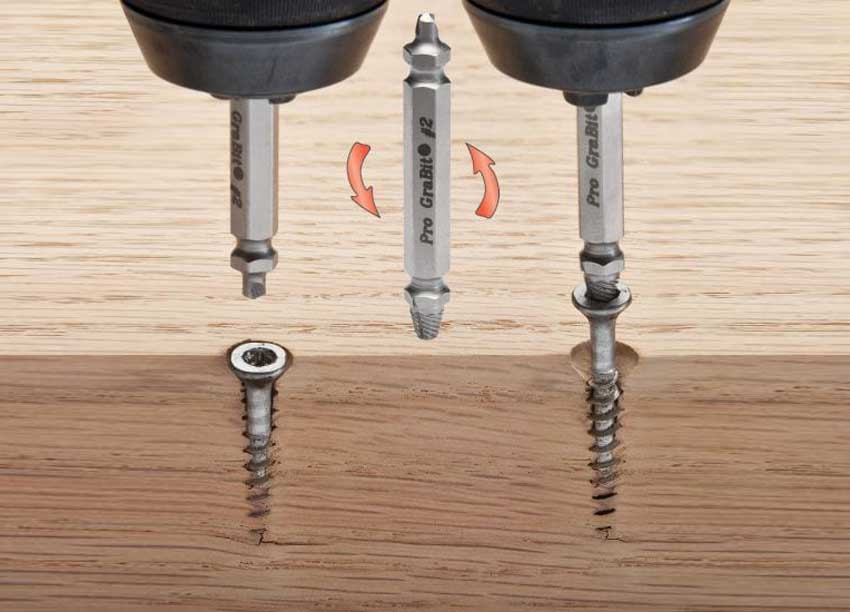
Image Source: www.protoolreviews.com
When Drilling is the Only Way
Sometimes, screws just won’t budge. The head might be stripped, making it impossible to grip with a screwdriver. Or, the screw might be rusted in place, making it impossible to turn. In these tough situations, drilling out the screw is often the best solution. This method effectively destroys the screw, allowing you to remove the pieces and replace it with a new one. We’ll explore how to do this safely and effectively.
Preparing for the Task
Before you start drilling, it’s important to gather the right tools and prepare your workspace. This ensures a smoother, safer process.
Essential Tools and Materials
Here’s a list of what you’ll need:
- Safety Glasses: Always protect your eyes from flying debris.
- Drill: A corded drill offers more consistent power, but a good cordless drill can also work.
- Drill Bits: You’ll need a set of metal drill bits. Start with a small bit and gradually increase the size.
- Center Punch: This marks the exact spot to start drilling.
- Hammer: To tap the center punch.
- Pliers: Needle-nose or locking pliers can sometimes help grip a protruding screw.
- Screw Extractor Kit (Optional but Recommended): These kits are specifically designed for removing stripped or broken screws and bolts.
- Penetrating Oil: To help loosen a seized screw.
- Gloves: For a better grip and protection.
- Rag or Shop Towels: For cleaning up.
- A Sturdy Surface: The item you’re working on should be stable.
Setting Up Your Workspace
Find a well-lit area where you can work without interruption. Make sure the item you are working on is secure. If it’s a large item, you might need clamps to hold it in place. Clear away any flammable materials, as drilling can create sparks.
Step-by-Step Guide to Drilling Out a Screw
This process involves carefully removing the material of the screw itself.
Step 1: Assess the Screw and the Material
Look closely at the screw you need to remove. What is it made of? What material is it screwed into? This helps you choose the right drill bits and techniques. A screw in wood is different from a screw in metal.
Step 2: Mark the Screw Head
This is a crucial step for accuracy.
- Use a Center Punch: Place the tip of the center punch directly on the center of the screw head.
- Tap with a Hammer: Gently tap the end of the center punch with a hammer. This creates a small indent. This indent will guide your drill bit and prevent it from wandering off the screw.
Step 3: Start with a Small Pilot Hole
The goal is to create a guide for larger bits and to weaken the screw.
- Choose a Small Drill Bit: Select a drill bit that is smaller than the shaft of the screw, but large enough to fit into the indent you made. A bit designed for metal is best.
- Drill Slowly and Steadily: Place the tip of the drill bit into the indent. Apply firm, steady pressure. Let the drill do the work.
- Drill Straight: It’s vital to drill straight down the center of the screw. Drilling off-center can damage the surrounding material.
Step 4: Gradually Increase Drill Bit Size
As you drill, you’ll enlarge the hole.
- Increase Bit Size: After drilling the pilot hole, choose a slightly larger drill bit.
- Continue Drilling: Repeat the process, drilling into the screw head. The aim is to drill out the head of the screw or as much of the screw shaft as possible.
- Lubricate (Optional): For tougher metals or very stubborn screws, a drop of cutting oil can help the drill bit cut more easily and extend its life.
Step 5: Removing the Screw Head (If Applicable)
If the screw head is severely stripped, drilling into it can sometimes cause the head to break off.
- Drill Deeper: Continue drilling into the screw head. The goal is to drill through the head, effectively separating it from the shaft.
- Once the Head is Off: The item you were working on should now be free from the screw head. You can then often remove the item. The screw shaft will remain in the material.
Step 6: Dealing with the Remaining Screw Shaft
If the head broke off, or if you’re drilling out the entire screw, you’ll need to remove the shaft.
- Drilling Out the Entire Screw: Continue using larger drill bits until you have essentially drilled away the entire screw. Be careful not to enlarge the hole in the material you are working on too much.
-
Using a Screw Extractor Kit:
- Extractor Bits: These kits come with special drill bits that are designed to cut into the screw from the inside.
- Reverse Drill Bits: Some kits include bits that drill in reverse, which can help loosen the screw as you drill.
- Extractor Bits (Spiral or Tapered): These bits have a reverse thread. You drill a pilot hole, then insert the extractor bit and run your drill in reverse. The extractor’s threads bite into the screw, and as you continue in reverse, it should unscrew the broken piece.
- Follow Kit Instructions: Always follow the specific instructions that come with your screw extractor kit, as they can vary.
-
Drilling Out a Bolt: The process for drilling out a bolt is very similar. You’ll need to ensure your drill bits are strong enough for the bolt material. The key is to accurately drill through the center of the bolt.
Step 7: Clean Up
Once the screw is removed, clean the area.
- Remove Debris: Use a rag or compressed air to blow away any metal shavings or debris.
- Check the Hole: Inspect the hole for any remaining fragments of the screw. You may need to chase the hole with a tap if you plan to re-thread it.
Advanced Techniques and Tips
Sometimes, the standard method needs a little help.
Dealing with Seized Screws
If a screw is seized (rusted or otherwise stuck), penetrating oil is your friend.
- Apply Penetrating Oil: Spray a good quality penetrating oil onto the screw. Let it soak in for at least 15-30 minutes, or even longer for very stubborn cases.
- Tap Gently: Gently tapping around the screw head with a hammer can help the oil penetrate and break the rust bond.
- Try to Turn First: Before drilling, try using pliers or an impact screwdriver to see if you can break it loose with force. If not, then proceed with drilling.
Removing a Stripped Screw Without Drilling (When Possible)
While drilling is often the last resort, here are a few things to try first for a stripped screw removal:
- Rubber Band Trick: Place a wide rubber band over the stripped screw head. Insert your screwdriver through the rubber band. The rubber can fill the gaps in the stripped head, providing enough grip to turn the screw.
- Steel Wool: Similar to the rubber band, a piece of steel wool can provide extra grip.
- Pliers: If the screw head is raised enough, try gripping it firmly with locking pliers and turning.
- Screw Extractor Kit: As mentioned, these are excellent for stripped screws.
When to Call a Professional
While drilling out a screw is a common DIY fix, there are times when it’s best to seek professional help.
- Delicate Materials: If the screw is in a valuable or delicate item (antique furniture, precision electronics), you risk causing irreparable damage if you’re not careful.
- Large or Deeply Seized Fasteners: Very large bolts or screws that are deeply embedded and heavily corroded can require specialized tools and expertise.
- Lack of Confidence: If you’re not comfortable using power tools or performing this kind of repair, it’s better to find someone who is.
Common Problems and Solutions
Even with the best intentions, things can go wrong.
Drill Bit Walking
This is when the drill bit doesn’t stay centered.
- Solution: A properly placed center punch mark is the best way to prevent this. Start with a very small pilot hole, then gradually increase the size.
Overheating Drill Bit
Drilling metal can generate a lot of heat.
- Solution: Use a cutting fluid or oil. This lubricates the bit and helps dissipate heat. Drill in short bursts and pull the bit out periodically to cool it down.
Damaging Surrounding Material
It’s easy to accidentally enlarge the hole in the material you’re working with.
- Solution: Patience and accuracy are key. Use the smallest drill bits necessary and ensure you are drilling straight and centered. If using a screw extractor, ensure it’s the correct size for the screw.
The Screw Is Too Hard to Drill
Some hardened screws are very difficult to drill through.
- Solution: Use high-quality drill bits designed for metal, preferably cobalt or carbide-tipped bits. Ensure your drill has enough power and that you’re using the correct speed.
Using a Screw Extractor Kit Effectively
A screw extractor kit is a specialized tool designed for just this problem. They make the process much easier and safer for the surrounding material.
Types of Screw Extractors
- Spiral Screw Extractors: These have a tapered, spiral flute that bites into the drilled hole. They are used with a tap wrench or a drill in reverse.
- Straight Flute Extractors: These have straight flutes and are hammered into the drilled hole. They are less common for drilling out screws but are used for removing studs.
The Process with an Extractor Kit
- Drill a Pilot Hole: This is the first and most critical step. Drill a clean, straight hole into the center of the broken or stripped screw. The size of this pilot hole is crucial and is usually specified by the extractor kit.
- Insert the Extractor: Choose the appropriate size extractor for the pilot hole. Gently tap it into the hole or begin to turn it slowly.
- Run Drill in Reverse: If using a drill, set it to its reverse setting. Slowly and steadily apply pressure to the extractor. The reverse threads on the extractor should bite into the screw and begin to unscrew it.
- Patience is Key: Don’t force it. If the screw is still very tight, try applying more penetrating oil or gently tapping the extractor to help it seat better.
A screw extractor kit is a valuable addition to any toolkit for dealing with stripped screw removal and broken screw removal.
FAQ About Drilling Out Screws
Here are some common questions people have about this process.
Q1: What is the best drill bit for removing a screw?
A: For removing screws, especially those made of metal, you’ll want to use high-speed steel (HSS) drill bits or cobalt drill bits. Cobalt bits are harder and more durable, making them excellent for drilling through hardened steel screws. Start with a small pilot bit and gradually increase the size.
Q2: Can I drill out a screw without a screw extractor kit?
A: Yes, you can drill out a screw without a specific screw extractor kit, but it can be more challenging and carries a higher risk of damaging the surrounding material. You’ll rely on progressively larger drill bits to essentially obliterate the screw. A screw extractor kit provides specialized bits designed to grip and remove the damaged fastener more reliably.
Q3: How do I remove a seized screw?
A: To remove a seized screw, first try applying a penetrating oil and allowing it time to soak in. Gently tap the screw head to help the oil penetrate the threads. If that doesn’t work, you might try an impact driver or, as a last resort, drilling it out.
Q4: What size drill bit should I use to drill out a screw?
A: The size of the drill bit depends on the screw. You start with a pilot hole that’s smaller than the screw shaft. Then, you gradually increase the bit size. For removing the entire screw, you’ll eventually use a bit close to the diameter of the screw’s shank. If using a screw extractor kit, always follow the specific pilot hole size recommendations provided with the kit.
Q5: How do I drill out a stripped bolt?
A: Drilling out a stripped bolt follows a similar process to drilling out a screw. You’ll need to use a center punch to mark the center, start with a small pilot hole using a metal drill bit, and gradually increase the drill bit size. Using a screw extractor kit designed for bolts is highly recommended for this task.
Q6: How do I drill out a stuck screw?
A: To drill out a stuck screw, ensure the screw is well-marked with a center punch. Start with a small pilot hole and drill slowly and straight. If the screw is also seized, apply penetrating oil first. If the head is stripped, use a screw extractor. If you’re drilling out the entire screw, keep increasing the drill bit size until the screw material is removed.
Q7: What is a pilot hole for screw removal?
A: A pilot hole for screw removal is a small, precisely drilled hole in the center of a stripped, broken, or stuck screw. Its purpose is to guide the drill bit or screw extractor, ensuring it stays centered and doesn’t wander, which prevents damage to the surrounding material.
Conclusion
Drilling out a screw is a practical solution for dealing with stubborn fasteners. By preparing properly, using the right tools, and following these steps carefully, you can successfully remove even the most difficult screws. Remember to always prioritize safety and, when in doubt, don’t hesitate to seek professional assistance. With a little patience and the right approach, you can tackle any screw that stands in your way.