
Drilling rock requires specific knowledge and the right tools. Can you drill rock with a regular drill? Generally, no; a standard drill is not built for the hardness of rock, and using one can damage the drill or the rock surface. Who is responsible for safe rock drilling? The operator is primarily responsible, but manufacturers and employers also play roles in providing safe equipment and training. This comprehensive guide will walk you through the essential aspects of safely and effectively drilling into rock.
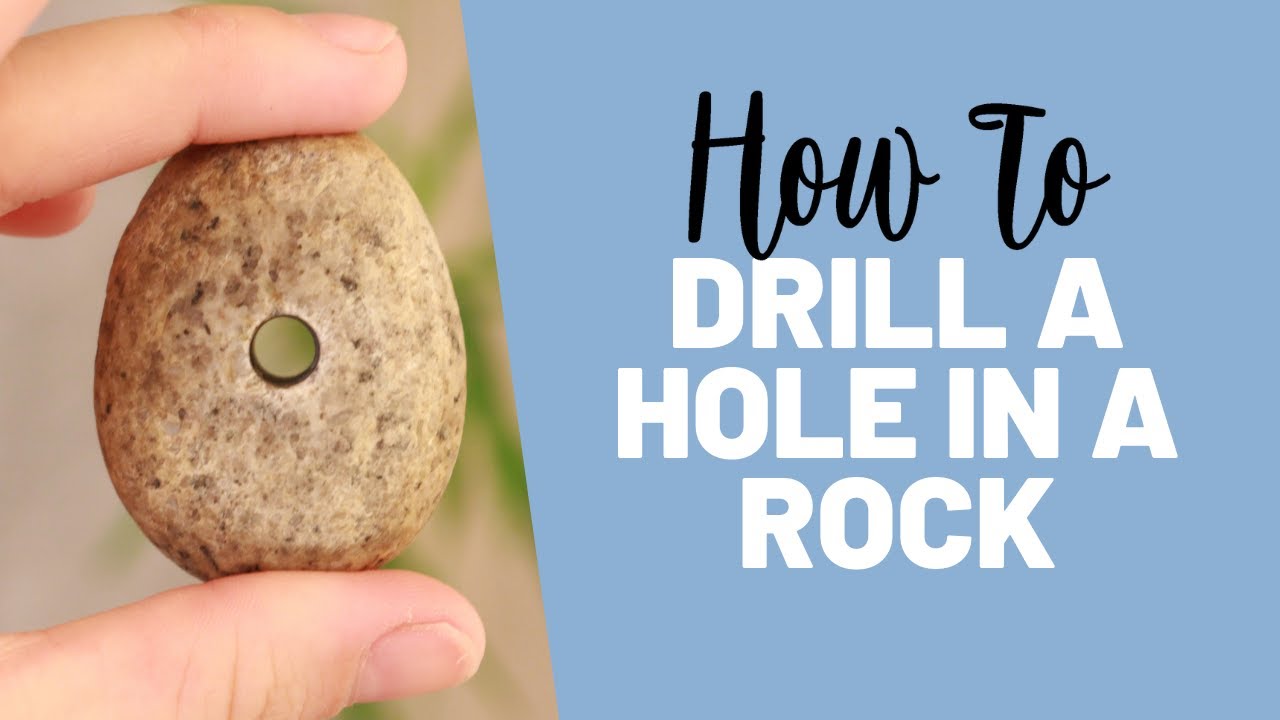
Image Source: i.ytimg.com
Choosing the Right Rock Drilling Equipment
Selecting the appropriate rock drilling equipment is the first crucial step towards success. The type of rock, the depth of the hole, and the purpose of the drilling all influence the choice of machinery. Different rock drilling techniques are suited for various situations, and understanding these will help you pick the best tools for your project.
Types of Rock Drills
Several types of rock drills are available, each with its own strengths:
- Rotary Rock Drilling Rigs: These are powerful machines that use rotation to bore through rock. They are efficient for larger projects and deeper holes.
- Percussion Drills: These drills use a hammering action to break up the rock. They are excellent for harder rock formations.
- Hammer Drills: A common tool for smaller jobs and DIY projects, a rock hammer drill combines rotation and percussive action.
- Diamond Drills: These use a diamond-tipped bit to cut through rock. They are ideal for precise drilling and diamond drilling rock is often used for sample collection or creating clean holes.
Essential Rock Drilling Tools
Beyond the main drill unit, other tools are vital:
- Drill Bits: The workhorse of any drilling operation. We’ll discuss these in more detail shortly.
- Water/Air Systems: Used for cooling the bit and flushing debris from the hole.
- Safety Gear: Absolutely non-negotiable.
Selecting the Right Drilling Bits for Rock
The performance of your drilling operation heavily relies on the drilling bits for rock. Using the wrong bit can lead to slow progress, broken bits, and damaged equipment.
Understanding Different Bit Types
- Carbide-Tipped Bits: These are common and effective for a range of rock types. They use tungsten carbide inserts to break the rock.
- Diamond Bits: As mentioned, diamond drilling rock utilizes bits with synthetic diamonds embedded. These offer superior hardness and are excellent for very hard or abrasive rock.
- Tungsten Carbide Insert Bits: Similar to carbide-tipped, but the inserts are often in a specific pattern for optimized cutting.
- Steel Bits: Less common for hard rock, but can be used for softer, less abrasive materials.
Matching Bits to Rock Type
- Soft Rock (e.g., Sandstone, Shale): PDC (Polycrystalline Diamond Compact) bits or drag bits can be effective.
- Medium Rock (e.g., Limestone, Dolomite): Roller cone bits or tungsten carbide insert bits work well.
- Hard Rock (e.g., Granite, Basalt): Diamond bits or specialized carbide-tipped bits are usually required for drilling through hard rock.
Mastering Rock Drilling Techniques
Effective drilling involves more than just pressing a button. Proper rock drilling techniques maximize efficiency and ensure safety.
Rotary Rock Drilling
Rotary rock drilling relies on continuous rotation of the drill string to grind away at the rock. This method is often used with roller cone bits or diamond bits.
- Key Principles:
- Weight on Bit (WOB): Applying sufficient downward force is crucial for the bit to effectively cut. Too little WOB leads to slow progress; too much can cause bit damage.
- Rotational Speed (RPM): The optimal RPM depends on the bit type and rock hardness.
- Fluid Circulation: Essential for cooling the bit and flushing cuttings.
Percussive Drilling Rock
Percussive drilling rock uses a combination of rotation and hammering. This is highly effective for breaking up hard, brittle rock.
- How it Works: A hammer mechanism strikes the top of the drill string, transmitting percussive energy down to the bit, which then pulverizes the rock. Rotation keeps the hole straight and helps clear debris.
- Applications: Often used for drilling blast holes rock, foundation drilling, and quarrying.
Drilling Blast Holes Rock
When the goal is to create holes for explosives, known as drilling blast holes rock, specific techniques and equipment are employed.
- Precision is Key: The depth, diameter, and angle of the blast holes must be precise for effective and safe blasting.
- Tool Selection: Pneumatic drills, often called “jacks” or “stoper drills,” are commonly used for this purpose. They provide powerful percussive action.
- Safety First: Strict safety protocols are essential due to the inherent dangers of working with explosives.
Safe Drilling Practices
Safety is paramount when dealing with the forces and materials involved in rock drilling. Adhering to safety guidelines protects the operator and bystanders.
Personal Protective Equipment (PPE)
Always wear the appropriate PPE:
- Safety Glasses or Goggles: To protect eyes from flying debris.
- Hard Hat: To prevent head injuries from falling objects.
- Hearing Protection: Many rock drills are very loud.
- Work Gloves: For grip and hand protection.
- Steel-Toed Boots: To protect feet.
- High-Visibility Clothing: Especially important if working near traffic or in low-light conditions.
Site Safety and Preparation
Before starting any drilling:
- Assess the Area: Check for underground utilities (water, gas, electricity) before drilling. Contact local utility companies to mark any underground lines.
- Clear the Work Area: Remove any loose rocks, debris, or obstacles that could interfere with the drilling or become projectiles.
- Secure the Drill Rig: Ensure the rig is stable and properly set up on a level surface. Use outriggers if available.
- Ventilation: If drilling indoors or in confined spaces, ensure adequate ventilation to remove dust and fumes, especially if using air-powered drills.
Operational Safety
During the drilling process:
- Maintain Control: Always maintain a firm grip on the drill and be prepared for kickback.
- Monitor Equipment: Listen for unusual noises or vibrations, which could indicate a problem.
- Cooling and Lubrication: Ensure water or air supply is adequate for cooling the bit and flushing the hole.
- Avoid Overheating: Do not force the drill beyond its capacity. Allow the equipment to cool if it overheats.
- Dust Control: Use water suppression or dust collection systems to minimize airborne dust particles, which can be harmful if inhaled.
Troubleshooting Common Drilling Issues
Even with careful planning, problems can arise. Knowing how to address them can save time and prevent damage.
Bit Wobble or Wandering
This occurs when the drill bit doesn’t maintain a straight path.
- Causes: Uneven pressure, dull bits, or unstable drill rig.
- Solutions:
- Ensure the bit is sharp and appropriate for the rock.
- Maintain consistent weight on the bit.
- Check for any play or looseness in the drill string or rig.
- For handheld drills, ensure a firm, two-handed grip.
Slow Drilling Progress
When the drill is not cutting as expected.
- Causes: Dull bit, insufficient WOB, improper RPM, hard rock formation, or plugged fluid circulation.
- Solutions:
- Inspect the bit for wear and replace if necessary.
- Adjust the weight on the bit.
- Experiment with different RPM settings.
- Ensure the cooling/flushing system is working effectively and the hole is not packed with debris.
Bit Seizing or Getting Stuck
When the drill bit becomes lodged in the rock.
- Causes: Cavities in the rock, accumulating debris that packs the hole, or improper hole cleaning.
- Solutions:
- Try to back the drill out slowly while maintaining rotation.
- If using a rotary drill, try reversing the rotation.
- If possible, pump more water or air down the hole to dislodge debris.
- In severe cases, specialized extraction tools or cutting the drill string might be necessary.
Maintaining Your Rock Drilling Equipment
Proper maintenance ensures longevity and reliable performance of your rock drilling equipment.
Routine Checks
- Inspect Drill Bits: Look for wear, chipping, or damage to the cutting surfaces.
- Check Fluid Systems: Ensure hoses, pumps, and filters are clean and functioning.
- Lubricate Moving Parts: Follow manufacturer recommendations for lubricating gears, bearings, and other components.
- Clean the Equipment: Remove dirt, dust, and rock debris after each use.
Scheduled Maintenance
- Replace Worn Parts: Proactively replace drill bits, seals, and other components that show signs of wear.
- Service the Engine/Motor: Follow the manufacturer’s schedule for oil changes, filter replacements, and other engine services.
- Check Hydraulic Systems: Inspect for leaks and ensure fluid levels are correct.
Case Study: Drilling Through Hard Rock
Consider a scenario where a construction company needs to drill anchor holes in granite for a bridge foundation. This is a classic example of drilling through hard rock.
Challenges:
* The extreme hardness of granite requires specialized tools.
* Deep holes are needed, demanding robust equipment and consistent performance.
* Dust generation needs to be managed effectively to maintain visibility and air quality.
Solution Implemented:
1. Equipment: A powerful rotary rock drilling rig equipped with a down-the-hole hammer and a large diameter tungsten carbide-tipped bit or a specialized diamond-impregnated bit was chosen.
2. Technique: A slow, steady rotational speed with controlled weight on the bit was applied. A high volume of water was pumped through the drill string to cool the bit and flush away the granite cuttings.
3. Safety: Operators wore full PPE, and the work area was secured. Dust suppression systems were actively used.
4. Monitoring: The drilling process was continuously monitored for any signs of bit wear or equipment strain.
Outcome: By using the correct rock drilling equipment and techniques, the company successfully drilled the required holes efficiently and safely, ensuring the integrity of the bridge foundation.
Frequently Asked Questions (FAQ)
Q1: What is the best drill for concrete?
For concrete, a hammer drill or a rotary hammer with a masonry bit is usually suitable for smaller tasks. For harder concrete or larger projects, a dedicated concrete drill rig, often using diamond core bits, is recommended.
Q2: Can I drill into bedrock with a standard drill?
No, a standard household drill is not designed to drill into bedrock. Bedrock is exceptionally hard and will likely damage or destroy a standard drill. You need specialized rock drilling equipment.
Q3: How do I prevent my drill bit from breaking when drilling rock?
Ensure you are using the correct type of bit for the rock, maintain consistent pressure, avoid excessive force, and ensure adequate cooling. A bit that overheats or is subjected to uneven stress is more likely to break.
Q4: What is the difference between rotary drilling and percussive drilling?
Rotary drilling uses continuous rotation to grind rock, while percussive drilling uses a hammering action, often combined with rotation, to break the rock into smaller pieces. Percussive drilling is generally more effective for harder rock.
Q5: How deep can you drill rock?
The depth depends entirely on the type and size of the drilling equipment used. Small handheld drills might only reach a few inches, while industrial drilling rigs can drill miles into the Earth’s crust.
Q6: What are the safety concerns when drilling rock?
Key safety concerns include flying debris, noise, dust inhalation, equipment kickback, falling objects, and potential contact with underground utilities. Proper PPE, site preparation, and operational procedures are vital to mitigate these risks.
By following these guidelines, you can approach rock drilling projects with confidence, ensuring both effectiveness and, most importantly, safety.