
Can you drill drawer pull holes yourself? Absolutely! With the right tools and a little guidance, anyone can achieve professional-looking results for drawer handle installation. This comprehensive guide will walk you through every step, ensuring your cabinet hardware drilling project is a success.
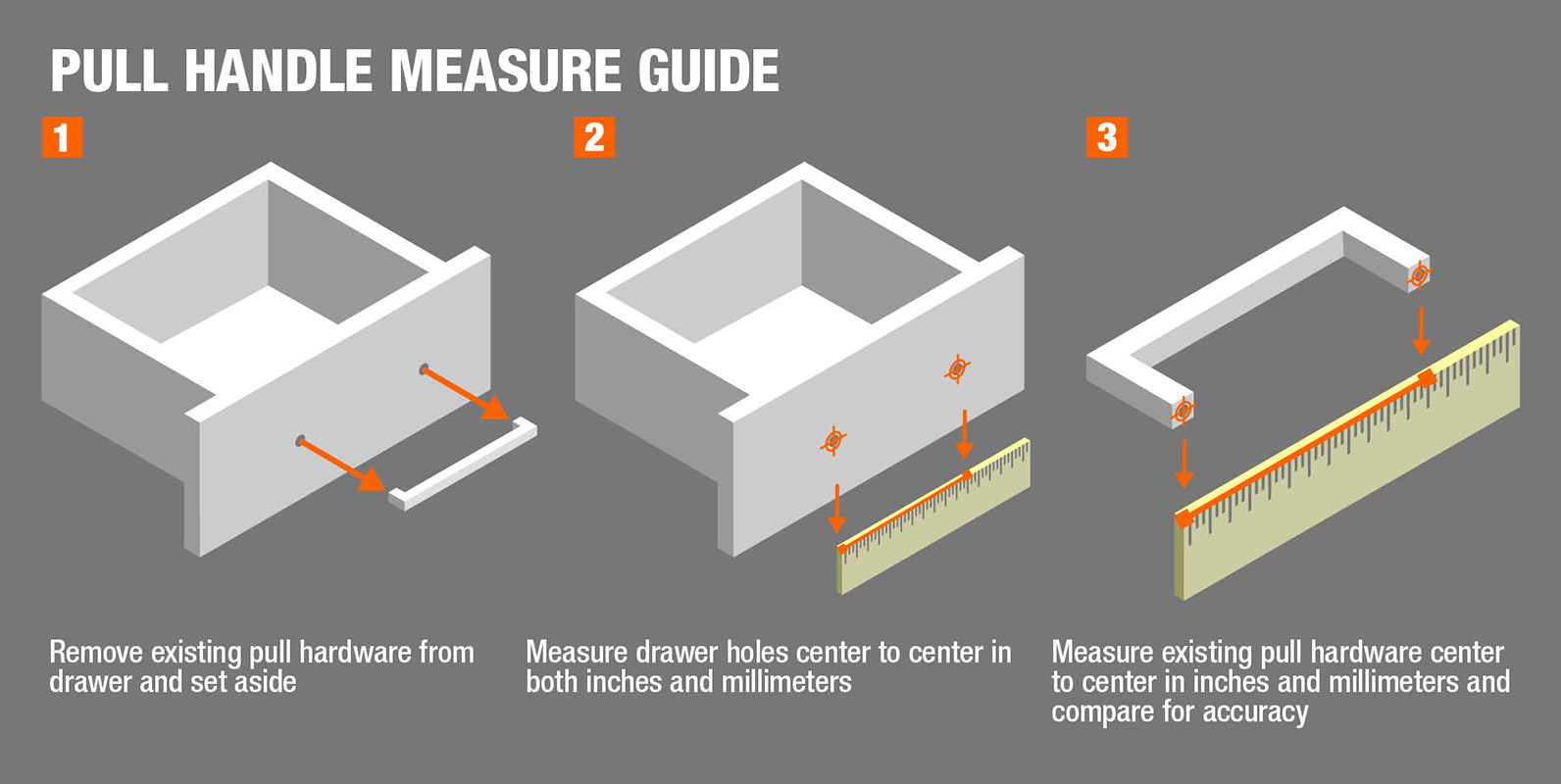
Image Source: www.theknobshop.net
Gathering Your Essential Tools
Before you start, make sure you have everything you need. Having all your tools ready makes the process smoother and reduces frustration. Here’s a checklist:
- Drawer Fronts: Of course, you’ll need the cabinet doors or drawer fronts you intend to outfit.
- Drawer Pulls or Knobs: Your chosen hardware.
- Measuring Tape: For accurate placement.
- Pencil: To mark your drill points.
- Drill: Cordless drills are very convenient.
- Drill Bits: The correct size is crucial. We’ll discuss the drill bit size for drawer pulls shortly.
- Drilling Jig or Template: This is a game-changer for precision.
- Screwdriver or Drill Driver Bit: To install the screws.
- Painter’s Tape (Optional but Recommended): Helps prevent splintering.
- Safety Glasses: Always protect your eyes!
- Work Surface: A stable, flat area to work on.
- Cabinet Hardware Screws: Usually provided with the hardware.
Deciphering Drawer Front Hole Spacing
One of the most critical aspects of drawer pull installation is drawer front hole spacing. This refers to the distance between the center of two holes when you’re installing a handle that requires two mounting screws. Inconsistent spacing will result in a crooked pull, which is unsightly.
- Standard Spacing: Many cabinet pulls come with standard hole spacing measurements, often referred to as “center-to-center” distance. Common measurements include 3 inches, 4 inches, 6 inches, and 96mm (about 3.78 inches). Always check the specifications of your chosen hardware.
- Single Hole Hardware: Drawer knobs and some handles only require a single mounting hole. For these, you’ll need to decide on the precise location on the drawer front.
- Measuring Existing Hardware: If you’re replacing old hardware, you can measure the distance between the centers of the existing holes to determine the correct spacing for your new pulls.
Choosing the Right Drill Bit Size for Drawer Pulls
Selecting the correct drill bit size for drawer pulls is paramount for a clean installation. The bit should be just slightly larger than the screw that comes with your drawer pull.
- Screw Diameter: The screws used for drawer pulls are typically quite small, often around 8-32 or 10-24 thread sizes.
- Matching the Bit: Most drawer pull screws are designed to thread directly into the material of the drawer front or a pre-threaded insert.
- For Metal Drawer Fronts or Pre-threaded Inserts: You’ll need a drill bit that is the same diameter as the shank of the screw (the unthreaded part).
- For Wood Drawer Fronts (Self-Tapping Screws): You’ll need a drill bit that is slightly smaller than the screw’s minor diameter (the diameter at the root of the threads). This allows the screw threads to bite into the wood and create a secure hold.
- Manufacturer Recommendations: Always check the instructions that come with your drawer pulls. They will often specify the recommended drill bit size.
- Common Drill Bit Sizes: For most wood drawer fronts and standard cabinet hardware screws, a 7/64-inch or 3/32-inch drill bit is a common choice. It’s always best to test on a scrap piece of wood first if you’re unsure.
- What if the hole is too big? If your hole is too large, the screw won’t have enough material to grip, leading to a loose pull.
- What if the hole is too small? If the hole is too small, the screw might be difficult to drive in, potentially splitting the wood or stripping the screw head.
Mastering the Art of Centering Drawer Pull Holes
Centering drawer pull holes ensures your hardware is perfectly positioned, giving your cabinets a polished look. This is where precision is key.
- For Single Hole Knobs:
- Find the Center: On the drawer front, measure the width and height. Divide both measurements by two. Mark the intersection point with your pencil. This is your center.
- Using a Template: A drawer front drilling guide or template is invaluable here. It will have pre-marked centers and guide holes for various hole spacings.
- For Handles Requiring Two Holes:
- Determine Placement: Decide where you want the handle to be positioned vertically on the drawer front. Common placement is centered vertically, or slightly above center.
- Mark the Centerline: Measure the total height of the drawer front and mark the vertical center. You can then lightly draw a vertical line with your pencil to guide your horizontal measurements.
- Mark the First Hole: Measure your chosen horizontal distance from one edge of the drawer front and mark the location for the first screw hole. Ensure this mark is centered on your vertical centerline.
- Measure for the Second Hole: Using your chosen center-to-center spacing, measure from the first mark along your horizontal centerline to locate the second hole.
- Double-Check: Measure the distance from the edge of the drawer to the first mark and the distance from the other edge to the second mark. These should ideally be equal for a centered look, or you may prefer to position the hardware with equal spacing from the sides.
The Power of a Drilling Jig for Pulls
A drilling jig for pulls, also known as a template or jig, is an essential tool for anyone tackling multiple drawers or wanting guaranteed accuracy. These jigs ensure consistent hole placement and straight drilling every time, making drawer handle installation a breeze.
- Types of Jigs:
- Adjustable Jigs: These have sliding or adjustable arms that allow you to set precise hole spacings for a wide variety of handles. They are the most versatile.
- Fixed-Hole Jigs: These are pre-set for common hole spacings (e.g., 3-inch, 96mm). They are simpler to use but less flexible.
- DIY Templates: You can even create your own template from stiff cardboard or thin plywood if you have a specific, consistent spacing requirement.
- How to Use a Drilling Jig:
- Set the Spacing: For adjustable jigs, set the distance between the guide holes according to your hardware’s specifications.
- Align the Jig: Place the jig on the drawer front. Most jigs have a guide edge or indicator that you align with the edge of the drawer front or a pre-marked centerline.
- Secure the Jig: Some jigs have clamps, or you can use painter’s tape to hold them firmly in place.
- Drill Through the Guides: Insert your drill bit into the guide holes of the jig and drill straight through. The jig prevents your drill bit from wandering.
The Importance of Pilot Hole Drilling for Hardware
Pilot hole drilling for hardware is a crucial step, especially when working with wood drawer fronts. A pilot hole is a small hole drilled into the material before inserting the screw.
- Why Pilot Holes Matter:
- Prevents Splitting: Wood can split when a screw is driven in without a guide. The pilot hole provides a path for the screw threads, reducing stress on the wood fibers.
- Easier Screw Insertion: It makes driving the screw much easier, reducing the chance of stripping the screw head or damaging your drill.
- Ensures Straightness: The pilot hole guides the screw and helps it go in straight.
- Accuracy: It helps ensure the screw goes exactly where you intend it to.
- Drilling the Pilot Hole:
- Use the Correct Bit: The pilot hole should be drilled with a bit that is slightly smaller than the screw’s minor diameter (the diameter at the base of the threads), as mentioned in the drill bit selection section.
- Drill Depth: You only need to drill the pilot hole to the depth of the screw’s threaded portion. You don’t want to drill all the way through the drawer front. You can often judge this by eye or by marking the desired depth on your drill bit with tape.
Step-by-Step Drawer Handle Installation
Now that you have all the components and knowledge, let’s get to the actual drawer handle installation.
Step 1: Prepare Your Drawer Fronts
- If your drawer fronts are already attached to the cabinets, carefully remove them. This makes drilling much easier and safer.
- Lay the drawer front on a flat, protected surface.
Step 2: Measure and Mark Your Holes
- Refer to your chosen hardware and decide on the placement.
- Use your measuring tape and pencil to mark the exact center points for your holes. If using a template or jig, align it precisely on the drawer front according to its instructions.
Step 3: Apply Painter’s Tape (Optional but Recommended)
- Place a piece of painter’s tape over the marked drilling locations. This tape helps to prevent the drill bit from “walking” and minimizes wood splintering on the surface of the drawer front.
- Once the tape is in place, re-mark your drilling points on the tape.
Step 4: Drill the Holes
- Select the correct drill bit size for drawer pulls.
- If using a jig, place it over your marked spots and secure it.
- Pilot Hole Drilling for Hardware: Drill a pilot hole at each marked location. Ensure you are drilling straight and not through the entire drawer front.
- For Single Hole Hardware: Drill your pilot hole.
- For Two-Hole Hardware: Drill pilot holes at both marked locations.
- Tip: For clean holes, especially on the exit side (the back of the drawer front), you can drill partway through from the front, then flip the drawer front over and finish drilling from the back to meet the first hole. This minimizes blowout on the visible front surface.
Step 5: Clear Debris
- Remove the painter’s tape.
- Gently blow or brush away any sawdust from the holes.
Step 6: Install the Drawer Pulls
- Insert the screws from the inside of the drawer front, through the drilled holes.
- Align the drawer pull on the outside of the drawer front.
- Start threading the screws into the pull by hand to ensure they catch the threads correctly.
- Use your screwdriver or drill driver to tighten the screws. Be careful not to overtighten, as this can strip the threads or damage the hardware.
Step 7: Reattach Drawer Fronts
- Once your drawer pulls are securely installed, reattach the drawer fronts to your cabinets.
- Drawer Slide Alignment: While not directly related to drilling the holes, ensure your drawer slides are properly aligned as you reattach the drawer fronts. Misaligned slides can cause drawers to stick or not open/close smoothly.
Drawer Knob Installation: A Simpler Approach
Drawer knob installation is generally more straightforward as it only requires a single hole.
- Mark the Center: Find the center of the drawer front as described earlier and mark it.
- Drill the Pilot Hole: Use the appropriate drill bit size for the knob’s screw. Drill a pilot hole at your marked center point.
- Install the Knob: Insert the screw from the back of the drawer front and thread it into the knob. Tighten securely.
Tips for Perfect Drawer Pull Holes
- Practice on Scrap Wood: If you’re new to this, practice on a piece of scrap wood that matches the material of your drawer fronts. This is the best way to get a feel for the drill bit size and drilling technique.
- Keep Your Drill Straight: Use your wrist and arm to keep the drill perpendicular to the drawer front. A slight angle can make the pull look off-center.
- Drill Bit Quality: Use sharp drill bits. Dull bits can snag, tear wood, and make drilling more difficult.
- Cleanliness is Key: Wipe down your drawer fronts before and after drilling to remove any dust or debris that could interfere with the hardware’s appearance.
- Consider Drawer Depth: While most drawer pulls come with screws of appropriate length, if you’re using custom screws or have unusually thick drawer fronts, you may need longer screws. Ensure they don’t protrude too far through the other side.
Common Pitfalls to Avoid
- Incorrect Hole Spacing: This is the most common mistake. Always double-check your measurements and use a jig if possible.
- Drilling Through the Drawer Front: Be mindful of the depth of your pilot holes.
- Splintering: Using painter’s tape and drilling slowly can help prevent this.
- Stripped Screw Heads: Don’t overtighten. If a screw feels too tight, stop.
- Misaligned Hardware: Take your time with measurements and consider using a template.
Frequently Asked Questions (FAQ)
Q1: What is the standard drill bit size for drawer pulls?
A1: For most wood drawer fronts and standard cabinet hardware screws, a 7/64-inch or 3/32-inch drill bit is common for pilot holes. Always check the hardware manufacturer’s recommendations, as the exact size depends on the screw’s diameter.
Q2: Can I drill drawer pull holes without a template?
A2: Yes, you can, but it requires very careful measuring and marking. Using a template or drilling jig for pulls significantly increases accuracy and consistency, especially for multiple drawers.
Q3: What happens if the drill bit is too big for drawer pulls?
A3: If the drill bit is too big, the screw will not have enough material to grip, making the drawer pull loose and wobbly.
Q4: What is the best way to center drawer pull holes?
A4: The best way to ensure centered drawer pull holes is to use a drilling jig for pulls or a precise template, combined with careful measuring from the edges of the drawer front.
Q5: How do I know what drawer front hole spacing to use?
A5: The drawer front hole spacing is determined by the hardware you purchase. It’s usually indicated as “center-to-center” distance on the packaging or product description.
Q6: Do I need to drill pilot holes for drawer knobs?
A6: Yes, pilot hole drilling for hardware is recommended for drawer knobs as well, especially in wood, to prevent splitting and make installation easier.
Q7: How deep should I drill the pilot hole?
A7: You should drill the pilot hole to the depth of the screw’s threaded portion, not the entire screw. This ensures the screw has enough material to thread into.
Q8: My drawer pulls feel loose. What did I do wrong?
A8: This is usually due to a hole that is too large for the screw. For future installations, ensure you use the correct drill bit size for drawer pulls and make sure the pilot hole is appropriately sized for the screw. You might be able to fix a loose pull by using a slightly larger screw or by filling the hole with wood glue and toothpicks before redrilling a pilot hole.
By following these steps and paying attention to the details of drawer handle installation, you can confidently drill your drawer pull holes and enhance the look and functionality of your cabinets. Happy DIYing!