
Can you drill a hole in stainless steel? Yes, you can drill a hole in stainless steel, but it requires specific techniques and the right tools. Stainless steel is a tough metal, known for its durability and resistance to corrosion. This means drilling into it isn’t as straightforward as drilling into wood or softer metals. This guide will walk you through everything you need to know to successfully drill stainless steel, ensuring clean, precise holes every time.
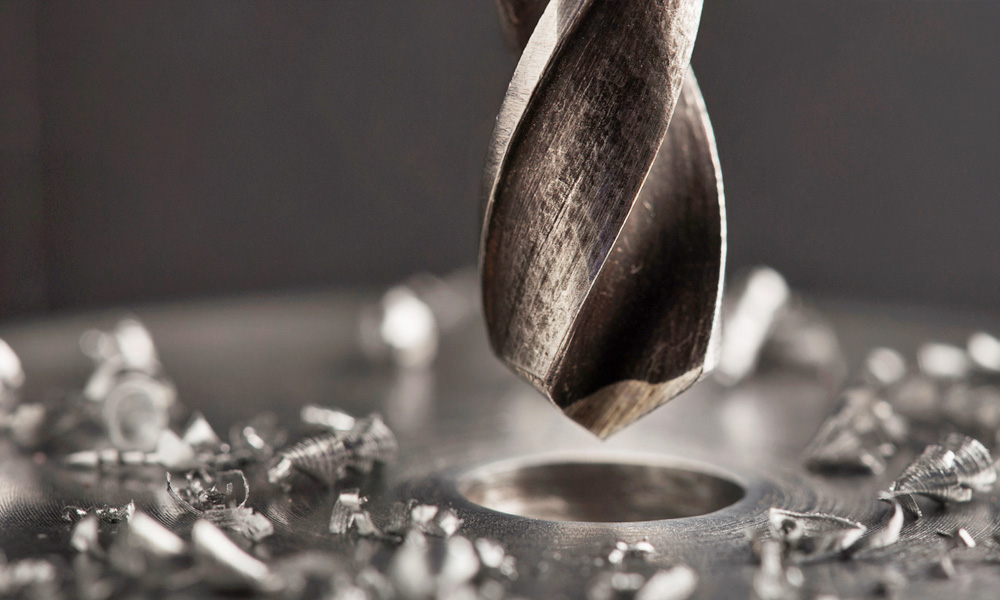
Image Source: anchorlube.com
Choosing the Right Drill Bits for Stainless Steel
The first step to successful stainless steel drilling is selecting the correct drill bits. Standard drill bits often won’t cut it. You need bits designed for hard metals.
What Makes a Drill Bit Suitable for Stainless Steel?
- Material: High-Speed Steel (HSS) is a common choice, but for stainless steel, Cobalt HSS bits are superior. Cobalt adds hardness and heat resistance, which is crucial when drilling a tough material like stainless steel. Titanium-coated HSS bits can also work, but cobalt generally offers better performance and longevity.
- Flute Design: Bits with a higher number of flutes and a steeper helix angle help to evacuate chips more effectively, reducing heat buildup.
- Point Angle: A standard 118-degree point angle is good for general metal drilling. However, for stainless steel, a sharper point angle, such as 135 degrees, is often recommended. This point angle helps to bite into the material better and reduce the tendency for the bit to wander.
- Web Thinning: As a drill bit wears, its central web can become thicker, making it harder to cut. Some specialized bits for stainless steel come with a “web thin” or “split point” feature. This thinning reduces the thrust needed and prevents the bit from skating or walking across the surface.
Top Picks for Stainless Steel Drilling
- Cobalt HSS Drill Bits: These are the gold standard for drilling stainless steel. They are more expensive than standard HSS bits but offer significantly better performance and tool life. Look for bits labeled “Cobalt” or “Cobalt HSS.”
- Titanium Coated HSS Drill Bits: While not as robust as cobalt, titanium coating provides a harder surface and better heat resistance compared to uncoated HSS bits. They are a good mid-range option.
- Carbide Drill Bits: For the hardest grades of stainless steel or when very high precision and speed are required, solid carbide drill bits are the best choice. However, they are brittle and can snap if subjected to lateral forces or dropped, so they require careful handling.
Setting Up for Successful Stainless Steel Drilling
Proper preparation is key to achieving clean holes and prolonging the life of your drill bits.
Securely Clamping Your Workpiece
Stainless steel can move or vibrate when drilled, leading to inaccurate holes or broken bits. Always secure your workpiece firmly.
- Vises: A good quality vise is essential for smaller pieces. Ensure the vise jaws are clean and free of debris.
- Clamps: For larger or irregularly shaped pieces, use C-clamps or bar clamps to hold the workpiece firmly to a sturdy workbench or jig.
- Center Punching: Before drilling, use a center punch to create a small indentation at the desired hole location. This indentation provides a starting point for the drill bit, preventing it from wandering and ensuring drilling precision.
Marking and Pilot Holes
Accurate marking helps guide your drilling process.
- Marking: Use a fine-tip marker or a scribe to mark the exact center of your hole.
- Pilot Holes: For larger holes, drilling a pilot hole first is highly recommended. A pilot hole should be smaller than the final desired hole diameter. This reduces the torque required for the final drilling step and helps to guide the larger drill bit. For example, if you need a 1/2-inch hole, you might start with a 1/4-inch pilot hole.
The Drilling Process: Speed, Pressure, and Lubrication
The correct combination of drill speed, pressure, and lubrication is critical for drilling stainless steel effectively.
Drilling Stainless Steel Speed
Stainless steel generates a lot of heat when drilled. Too high a speed will overheat the drill bit, causing it to dull quickly and potentially damage the workpiece. Too low a speed will lead to inefficient cutting and excessive chip buildup.
- General Rule: The general rule of thumb for drilling stainless steel is to use slow to moderate speeds.
- Speed Chart (Approximate):
| Drill Bit Diameter | Recommended Speed (RPM) for Stainless Steel |
|---|---|
| 1/8″ – 1/4″ | 500 – 700 |
| 1/4″ – 1/2″ | 300 – 500 |
| 1/2″ – 1″ | 150 – 300 |
- Variable Speed Drills: A drill with a variable speed setting is invaluable. Start at a lower speed and gradually increase it as you get a feel for the material.
- Listen to the Drill: If you hear the drill straining or the bit smoking, your speed is too high.
Applying the Right Drilling Stainless Steel Pressure
The amount of pressure you apply is just as important as the speed. You need enough pressure to allow the drill bit to cut, but not so much that it causes the bit to bind or break.
- Steady and Consistent: Apply steady, consistent downward pressure. Let the drill bit do the work.
- Break Through: As you approach the end of the hole, reduce the pressure significantly. This helps prevent the drill bit from catching and tearing the material on the exit side, which can result in a rough hole or damage to the workpiece.
- Chip Evacuation: The pressure also helps push chips away from the cutting edge. If chips aren’t clearing, you might need to ease off the pressure slightly and retract the drill bit periodically to clear them.
The Role of Drill Bit Lubricant Stainless Steel
Lubrication is non-negotiable when drilling stainless steel. It serves multiple purposes:
- Cooling: It significantly reduces friction and heat buildup, keeping the drill bit and the workpiece cooler. This prevents the bit from dulling and reduces the risk of heat discoloration on the stainless steel.
- Lubrication: It allows the drill bit to cut more smoothly and efficiently.
- Chip Evacuation: It helps wash away chips from the cutting area, preventing them from clogging the flutes and causing the bit to bind.
Types of Lubricants
- Cutting Oil: Specifically formulated cutting oils are excellent for drilling stainless steel. They provide superior cooling and lubrication.
- Tap Magic: While designed for tapping, these cutting fluids are also very effective for drilling stainless steel.
- Multi-Purpose Lubricants: In a pinch, a light machine oil or even a bit of WD-40 can offer some benefit, though dedicated cutting fluids are far more effective.
- Solid Lubricants: Some specialized drilling sticks or pastes are available, which can be convenient and less messy.
Application Tips
- Apply Frequently: Reapply lubricant often, especially for deeper holes.
- Apply at the Cutting Edge: Try to apply the lubricant directly to the point where the drill bit is entering the stainless steel.
- Peck Drilling: For deeper holes, use a technique called “peck drilling.” Drill for a few seconds, then retract the drill bit completely to clear chips and reapply lubricant. Repeat this process until the hole is complete. This is a key hole drilling technique for efficient and safe drilling.
Advanced Techniques and Considerations
Beyond the basics, several other factors can improve your stainless steel drilling experience.
Machinable Stainless Steel Grades
Not all stainless steel is created equal. Some grades are inherently harder and more difficult to machine than others.
- Austenitic Stainless Steels (300 Series): Grades like 304 and 316 are the most common and generally considered machinable stainless steel. They offer good corrosion resistance and are relatively easier to drill.
- Martensitic Stainless Steels (400 Series): Grades like 410 and 420 are harder and tougher. They can be heat-treated to even greater hardness, making them significantly more challenging to drill.
- Precipitation Hardening (PH) Stainless Steels: Grades like 17-4 PH can be very hard depending on their heat treatment, requiring specialized tooling and techniques.
If you’re unsure about the grade of stainless steel you’re working with, it’s best to err on the side of caution and use the most robust drilling methods.
Maintaining Drilling Precision
Achieving precise holes in stainless steel requires attention to detail throughout the process.
- Sharp Bits: Always use sharp drill bits. A dull bit will require more force, generate more heat, and produce rougher holes.
- Slow and Steady: Avoid jerky movements or sudden changes in speed and pressure.
- Pilot Holes: As mentioned, pilot holes are crucial for accuracy, especially when starting larger holes.
- Cleanliness: Ensure your workpiece and drill bits are clean. Metal filings and debris can interfere with the cutting action.
What About Tapping Stainless Steel?
Tapping stainless steel, which involves creating internal threads in a drilled hole, is a related but distinct process. It also requires careful attention to speed, lubrication, and the correct tap type.
- Thread Type: Use taps designed for metal.
- Lubrication: Ample lubrication is essential to prevent galling and breakage.
- Speed: Tapping also requires slow speeds.
- Pecking: Similar to drilling, pecking – backing the tap out periodically – is vital for chip clearance and preventing breakage.
Dealing with Burrs
After drilling, you’ll likely encounter burrs – sharp edges of metal left around the hole.
- Deburring Tools: Use a deburring tool, a countersink bit, or a file to carefully remove these burrs.
- Countersinking: If the hole needs to accept a flat-head screw, you can use a countersink bit after drilling to create a beveled edge. This is another hole drilling technique that requires a slower speed and lighter pressure.
Troubleshooting Common Stainless Steel Drilling Issues
Even with the best preparation, you might encounter problems. Here’s how to address them.
1. Drill Bit Not Cutting or Progressing Slowly
- Cause: Dull drill bit, insufficient pressure, or incorrect speed.
- Solution:
- Ensure your drill bit is sharp. If not, replace it.
- Increase pressure slightly, but avoid excessive force.
- Check your drill speed; it might be too slow.
- Apply more lubricant.
2. Drill Bit Wandering or Skating
- Cause: Lack of a starting point, dull bit, or insufficient pressure.
- Solution:
- Make sure you’ve properly center-punched the start point.
- Use a sharp drill bit with a split point if possible.
- Apply firm, consistent pressure as you start the hole.
3. Overheating and Smoke
- Cause: Speed too high, insufficient lubrication, or dull bit.
- Solution:
- Immediately stop drilling and reduce your drill speed.
- Ensure you are using an appropriate drill bit lubricant and applying it frequently.
- Check the sharpness of your drill bit.
4. Broken Drill Bit
- Cause: Excessive pressure, high speed, drilling into an obstruction, or a dull bit.
- Solution:
- If a small piece is broken off, try to remove it with pliers.
- If the bit is embedded, you might need to use a carbide burr to grind it out or drill it out with a harder bit (which is very difficult).
- Prevention is key: use sharp bits, proper speeds, lubrication, and don’t force the bit.
5. Rough Hole Edges
- Cause: Dull bit, incorrect speed, or not reducing pressure at breakthrough.
- Solution:
- Use a sharp bit.
- Ensure your speed is appropriate.
- Reduce pressure significantly as you near the exit point.
- Deburr the hole afterward.
Summary of Best Practices for Stainless Steel Drilling
To reinforce the key takeaways for successful stainless steel drilling:
- Use the right tools: Cobalt HSS drill bits are ideal.
- Prepare your workpiece: Clamp it securely and use a center punch.
- Drill slow: Opt for lower RPMs than you would for softer metals.
- Lubricate generously: Use cutting oil or a dedicated metal lubricant.
- Apply steady pressure: Let the bit cut, but don’t force it.
- Peck drill: For deeper holes, clear chips and re-lubricate often.
- Reduce pressure at breakthrough: Prevent tearing and rough edges.
- Deburr: Clean up any sharp edges after drilling.
By following these guidelines, you can confidently drill holes in stainless steel, achieving precise and clean results for your projects. Metal drilling requires patience and the right approach, and stainless steel is no exception.
Frequently Asked Questions (FAQ)
Q1: Can I use a regular HSS drill bit on stainless steel?
A: While you can try, it’s not recommended for optimal results. Regular HSS bits will dull much faster and may struggle to cut effectively. Cobalt HSS bits are significantly better suited for stainless steel due to their increased hardness and heat resistance.
Q2: What is the best drill bit lubricant for stainless steel?
A: Dedicated cutting oil or specialized metalworking lubricants like “Tap Magic” are the best choices. They provide superior cooling and lubrication compared to general-purpose lubricants.
Q3: How do I prevent stainless steel from overheating when drilling?
A: Use slow drill speeds, apply steady but not excessive pressure, and use plenty of drill bit lubricant. Periodically retracting the drill bit (peck drilling) also helps clear chips and allows for re-lubrication, which aids in cooling.
Q4: What RPM should I use to drill stainless steel?
A: The ideal RPM depends on the drill bit diameter and the specific grade of stainless steel. Generally, slower speeds are better. For example, for a 1/4-inch bit, 500-700 RPM is a good starting point, while larger bits require even slower speeds (150-300 RPM for bits over 1/2 inch). Always consult your drill bit manufacturer’s recommendations if available.
Q5: How can I make a perfectly straight hole in stainless steel?
A: Start with a sharp drill bit and a well-made center punch mark. Using a drill press or a drill guide can also significantly improve accuracy and ensure the hole is perpendicular to the surface. Pilot holes are also essential for larger diameter holes to guide the main bit.