
Image Source: static.zippia.com
How Much Does A Vice Principal Make: Salary Guide
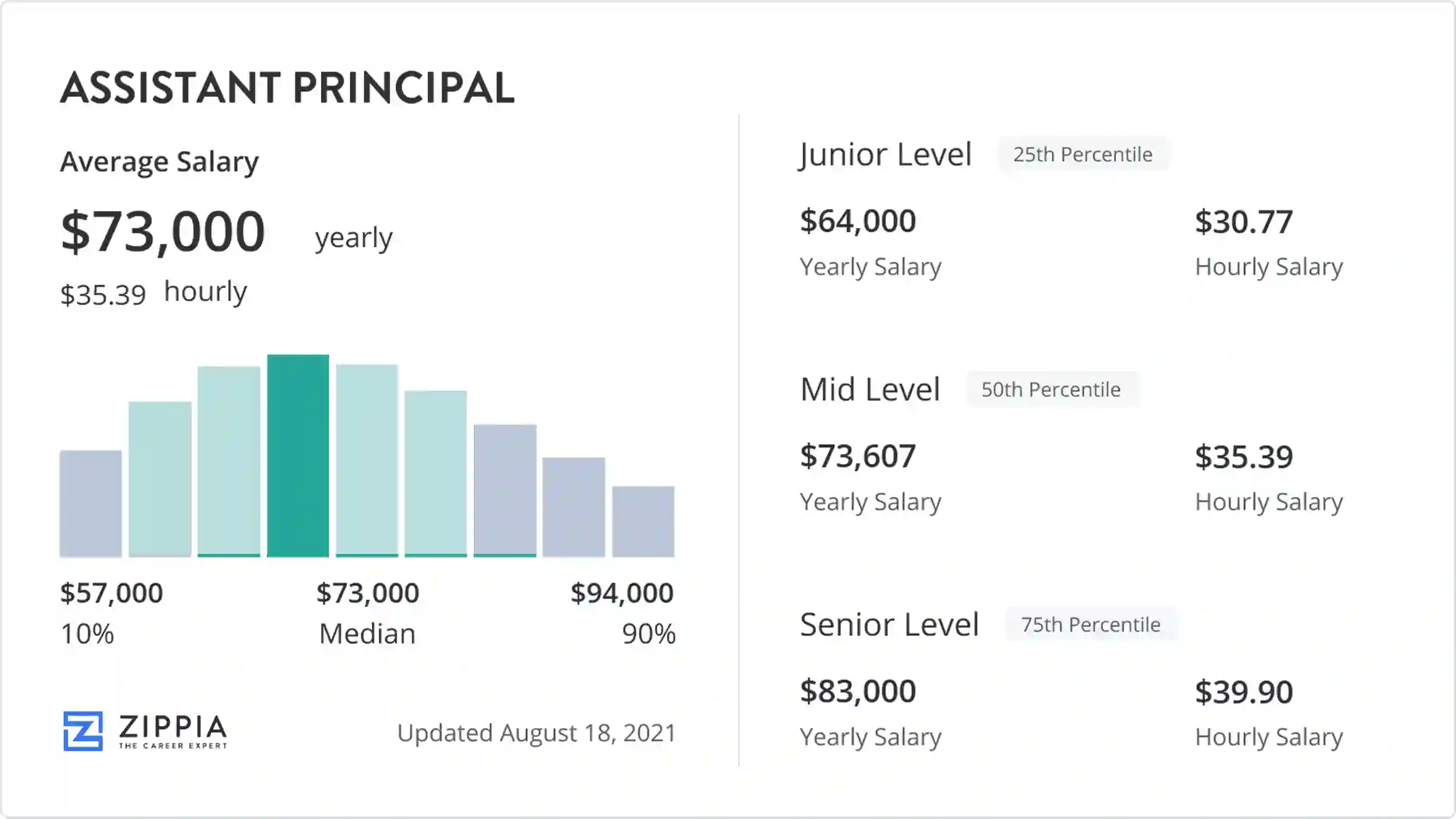
The average vice principal salary in the United States can range significantly, often falling between $60,000 and $100,000 annually, with many factors influencing this figure. So, how much does a vice principal make? This guide delves deep into the compensation for this vital school leadership role.
The Financial Landscape of School Administration
Becoming a vice principal is a significant career step within the education sector. It’s a role that demands strong leadership, organizational skills, and a deep commitment to student success. While the rewards are often intrinsic and tied to shaping young minds, understanding the financial aspect is crucial for anyone considering this path. This section explores the typical earnings and the factors that shape the vice principal salary.
What Influences Vice Principal Pay?
Several key elements determine how much a vice principal earns. These include:
- Location: Geographic region plays a major role. States with a higher cost of living and robust economies often offer higher salaries across all professions, including education. For instance, vice principals in California or New York may earn more than those in less urban or lower-cost areas.
- Experience: Like most careers, the more years of experience a vice principal has in administration, the higher their salary is likely to be. Entry-level positions will naturally command less than those held by seasoned professionals.
- School District Size and Funding: Larger school districts with greater financial resources can typically afford to pay their administrators more. Conversely, smaller or underfunded districts may have more limited salary budgets.
- Type of School: The type of school also matters. Private schools might offer different compensation packages compared to public schools, and within public schools, the specific funding and salary schedules can vary widely.
- Education and Qualifications: While a master’s degree is often a minimum requirement, additional certifications, specialized training, or a doctorate can sometimes lead to higher pay.
- Specific Responsibilities: The exact duties and the scope of a vice principal’s responsibilities can influence their salary. Some roles might involve managing specific programs or overseeing larger student populations, which can be reflected in their compensation.
Decoding the Vice Principal Salary Range
The vice principal salary range is broad, reflecting the diverse educational landscape in the U.S. At the lower end, particularly in rural areas or states with lower costs of living, a vice principal might earn around $50,000 to $65,000 per year. On the higher end, in well-funded districts in expensive metropolitan areas, experienced vice principals can see their salaries climb to $90,000, $100,000, or even exceed $110,000 annually.
Comparing Vice Principal Pay to Other Educational Roles
To put the vice principal salary into perspective, it’s helpful to compare it with related positions within school administration.
Principal Salary Expectations
Principals, who hold ultimate responsibility for a school’s operation, typically earn more than vice principals. A principal salary often starts higher and has a greater upper limit. While a vice principal might earn $75,000 on average, a principal in a similar setting could earn anywhere from $80,000 to $120,000 or more. This difference reflects the increased accountability and broader scope of duties associated with the principalship.
Assistant Principal Pay
The terms “vice principal” and “assistant principal” are often used interchangeably, though sometimes there are subtle distinctions in roles and responsibilities depending on the district. Generally, assistant principal pay is very similar to vice principal pay. In many structures, the assistant principal is the primary support for the principal, managing specific areas like discipline, student activities, or academic support. Their salary reflects this vital support function.
School Administrator Salary Trends
The broader category of school administrator salary encompasses roles like superintendents, curriculum directors, and principals. Vice principals fall within this umbrella. Overall, administrators in schools tend to earn more than teachers, reflecting the leadership and management responsibilities involved. The average school administrator salary can vary widely, but the trend is upward as positions demand more experience and strategic oversight.
How to Become a Vice Principal: Salary Implications
The pathway to becoming a vice principal often involves gaining teaching experience and then pursuing administrative licensure or certification. The investment in further education, typically a master’s degree in educational leadership or administration, is a prerequisite for many positions. This advanced degree directly impacts earning potential, as it qualifies individuals for higher-level roles. The question of how to become a vice principal salary is intrinsically linked to this career progression. Each step, from teacher to department head to assistant principal, usually comes with a salary increase.
Fathoming the Vice Principal Pay Scale
School districts often operate with a defined vice principal pay scale. This scale is usually structured by years of experience and educational attainment. For example:
- Entry-Level Vice Principal: With a master’s degree and a few years of administrative experience, the starting salary might be in the lower to mid-$60,000s.
- Mid-Career Vice Principal: After 5-10 years in the role, with a proven track record and potentially additional certifications, salaries could rise to the $70,000-$85,000 range.
- Senior Vice Principal: Highly experienced vice principals, perhaps those overseeing large schools or complex programs, and holding advanced degrees, can command salaries from $85,000 to $100,000+, especially in competitive districts.
It’s important to note that this is a generalization. Some districts might have flatter scales, while others offer more significant jumps in pay based on specific achievements or the acquisition of further credentials.
Average Vice Principal Income by State
The average vice principal income varies significantly by state due to economic conditions, cost of living, and state funding for education. Here’s a look at some general trends:
- Higher Paying States: States like New York, California, Massachusetts, and Maryland often feature higher average vice principal salaries, reflecting their higher cost of living and strong unionized education systems. Salaries in these states can regularly exceed $80,000 and reach into the $90,000s and beyond.
- Mid-Range States: States like Texas, Illinois, Florida, and Colorado might offer salaries in the $65,000 to $80,000 range.
- Lower Paying States: States in the Midwest and South, with lower costs of living, might see average salaries in the $55,000 to $70,000 range.
It’s crucial to consult specific state or district salary schedules for the most accurate figures, as national averages can be misleading.
Educational Leadership Compensation: Beyond the Base Salary
While the base salary is a primary component, educational leadership compensation often includes other benefits that add to the overall financial package. These can include:
- Health Insurance: Comprehensive health, dental, and vision insurance plans are standard.
- Retirement Plans: Contributions to pension funds or 401(k)/403(b) plans are common.
- Paid Time Off: Generous vacation days, sick leave, and holidays are typically provided, often aligning with school calendars.
- Professional Development: Funding for continued education, conferences, and workshops to enhance skills.
- Stipends: Some vice principals may receive stipends for extra duties, such as managing summer school or overseeing specific student organizations.
These benefits can significantly increase the total value of the compensation package, making a vice principal position financially attractive even beyond the stated salary.
Factors Affecting Specific School Vice Principal Salaries
The salary for school vice principal roles is highly localized. Here’s a breakdown of what affects it at the school level:
District Wealth and Funding
- High-Wealth Districts: These districts generally have higher property taxes and thus more funding. They can afford to offer more competitive salaries and better benefits to attract and retain top administrative talent. This often leads to a higher vice principal salary range.
- Low-Wealth Districts: These districts struggle with funding. They may offer lower salaries, rely on fewer administrative staff, or face challenges in providing attractive benefits. This can make it harder to recruit experienced administrators.
Urban vs. Rural vs. Suburban Settings
- Urban Schools: Often located in areas with a high cost of living, urban vice principal salaries can be quite competitive. They may also deal with larger student populations and more complex social issues, which can be factored into compensation.
- Suburban Schools: Typically fall in the middle, with salaries reflecting a moderate cost of living and a stable funding base.
- Rural Schools: Salaries in rural areas are generally lower, aligning with the lower cost of living and sometimes less robust funding structures. However, the responsibilities and impact can be just as significant.
Seniority and Tenure
Within a district’s pay scale, an individual vice principal’s salary will increase with their years of service within that district. Seniority often translates to higher pay, reflecting accumulated experience and loyalty.
The Role of Experience in Compensation
The adage “experience pays” holds true for vice principals. An individual transitioning from a teaching role to an assistant principal position will likely see a salary bump. However, the most substantial increases come with accumulated years in administrative roles.
- First Few Years: Expect to be at the lower end of the vice principal salary range.
- 5-10 Years: Salaries will climb as experience and demonstrated effectiveness grow.
- 10+ Years: Top earners will be found among those with extensive experience, a strong track record, and potentially leadership in multiple schools or districts.
Educational Qualifications and Their Impact
While a master’s degree is standard, pursuing further education can influence a vice principal’s earning potential.
- Master’s Degree: The baseline qualification, often leading to the standard salary scales.
- Master’s + 30 Credits or Specialist Degree: Some districts offer incremental pay increases for additional graduate coursework beyond a master’s.
- Doctorate (Ed.D. or Ph.D.): Holding a doctorate can sometimes lead to higher pay, especially in districts that value advanced academic credentials for their leadership team. It can also be a stepping stone to principal or superintendent positions, which carry higher salaries.
Salary Negotiation: Tips for Aspiring Vice Principals
When offered a vice principal position, negotiation is often possible, especially if you have in-demand skills or experience.
Research is Key
Before any negotiation, thoroughly research the vice principal pay scale for that specific district. Look at the average salaries for similar roles in comparable districts in your region. Websites like Glassdoor, Salary.com, and the Bureau of Labor Statistics can provide valuable data.
Highlight Your Strengths
Quantify your achievements as an educator and administrator. Did you lead successful academic programs? Improve student attendance or discipline? Mentor junior staff? Presenting concrete examples of your value can strengthen your negotiating position.
Consider the Entire Package
Don’t focus solely on the base salary. Evaluate the benefits package, including health insurance, retirement contributions, and paid time off. Sometimes, a slightly lower base salary with excellent benefits can be more financially advantageous overall.
Be Realistic
While negotiation is encouraged, understand the district’s budgetary constraints. Having a realistic understanding of what the district can offer, based on your research, is essential for a productive conversation.
Future Trends in Educational Leadership Compensation
The field of education is constantly evolving, and this includes how school leaders are compensated.
- Performance-Based Incentives: Some districts are exploring performance-based pay for administrators, linking bonuses or salary increases to measurable outcomes like student achievement or school improvement metrics.
- Increased Demand for Specialized Skills: As schools face new challenges (e.g., technology integration, mental health support, diversity and inclusion initiatives), administrators with specialized skills may command higher compensation.
- Data-Driven Compensation Models: More districts are using data analytics to inform their salary structures, aiming for greater equity and competitiveness.
The educational leadership compensation landscape is dynamic. Staying informed about these trends is vital for current and aspiring vice principals.
Conclusion: The Value of the Vice Principal Role
The salary for school vice principal positions reflects a significant commitment and a critical role in the educational system. While the figures can vary widely, the average vice principal income positions them as well-compensated professionals who contribute immensely to school operations and student development. The journey to becoming a vice principal, with its inherent educational requirements and experience building, paves the way for a rewarding career with financial stability. By considering all aspects of the compensation package and understanding the factors that influence pay, aspiring administrators can confidently navigate their career paths. The principal salary and assistant principal pay are closely watched benchmarks, and the vice principal role sits firmly within this respected stratum of educational leadership.
Frequently Asked Questions (FAQ)
Q1: What is the average salary for a vice principal in the US?
A1: The average vice principal salary in the US typically falls between $60,000 and $100,000 annually. However, this figure can vary greatly based on location, experience, school district size, and other factors.
Q2: Does the location significantly impact a vice principal’s salary?
A2: Yes, location is a major determinant. States with a higher cost of living and stronger economies, such as California or New York, generally offer higher vice principal salaries compared to states with lower costs of living.
Q3: How does experience affect a vice principal’s pay?
A3: Experience is a key factor. Entry-level vice principals with fewer years in administration will earn less than those with extensive experience and a proven track record. Salaries generally increase with seniority and demonstrated effectiveness in the role.
Q4: Is an assistant principal paid the same as a vice principal?
A4: Often, the terms “vice principal” and “assistant principal” are used interchangeably, and their pay scales are very similar. The exact responsibilities may differ slightly depending on the school district, but compensation levels are usually comparable.
Q5: What are the typical educational requirements to become a vice principal, and how do they influence salary?
A5: A master’s degree in educational leadership or administration is typically required. Holding a doctorate or additional certifications can sometimes lead to higher earning potential, as districts may offer increased compensation for advanced qualifications.
Q6: Are there benefits in addition to the base salary for vice principals?
A6: Yes, vice principals usually receive a comprehensive benefits package that can include health insurance, retirement plans (pension or 401k/403b contributions), paid time off, and opportunities for professional development. These benefits add significant value to the overall compensation.
Q7: How does a vice principal’s salary compare to a principal’s salary?
A7: Principals generally earn more than vice principals. This is because principals have ultimate responsibility for the school, a broader scope of duties, and greater accountability. A principal’s salary typically starts higher and has a greater upper limit.
Q8: What is the difference between a vice principal salary scale and a general school administrator salary?
A8: A vice principal salary scale is specific to that role within a district, often tiered by experience and education. A general school administrator salary encompasses a wider range of positions, including principals, superintendents, and other district-level leadership roles, which often have higher salary ranges than vice principals.
Q9: What is the typical salary range for a vice principal?
A9: The typical vice principal salary range can span from approximately $50,000 in lower-cost areas or for entry-level positions, up to $100,000 or more for experienced administrators in well-funded, high-cost-of-living districts.
Q10: How can someone increase their vice principal salary?
A10: To increase their vice principal salary, individuals can gain more years of experience, pursue advanced degrees or certifications, take on additional responsibilities within their role or district, and potentially seek positions in districts that offer higher compensation due to location or funding levels. Effective salary negotiation upon job offers is also crucial.