
What is a fire drill? A fire drill is a practice of a planned emergency response to a fire, involving the systematic evacuation of a building to ensure the safety of all occupants. Can I conduct a fire drill anytime? While drills can be conducted regularly, advance notice to key personnel is generally advisable for proper coordination and to avoid unnecessary disruption. Who is responsible for a fire drill? Typically, designated fire wardens or safety officers are responsible for planning and overseeing fire drills.
Conducting a fire drill is a critical component of emergency preparedness. It’s not just about following rules; it’s about saving lives and minimizing damage in the event of a real fire. This comprehensive guide will walk you through the essential steps to effectively plan, execute, and review a fire drill, ensuring everyone in your facility knows exactly what to do when the alarm sounds. Mastering these fire safety procedures is paramount for occupant safety and a well-executed building evacuation.
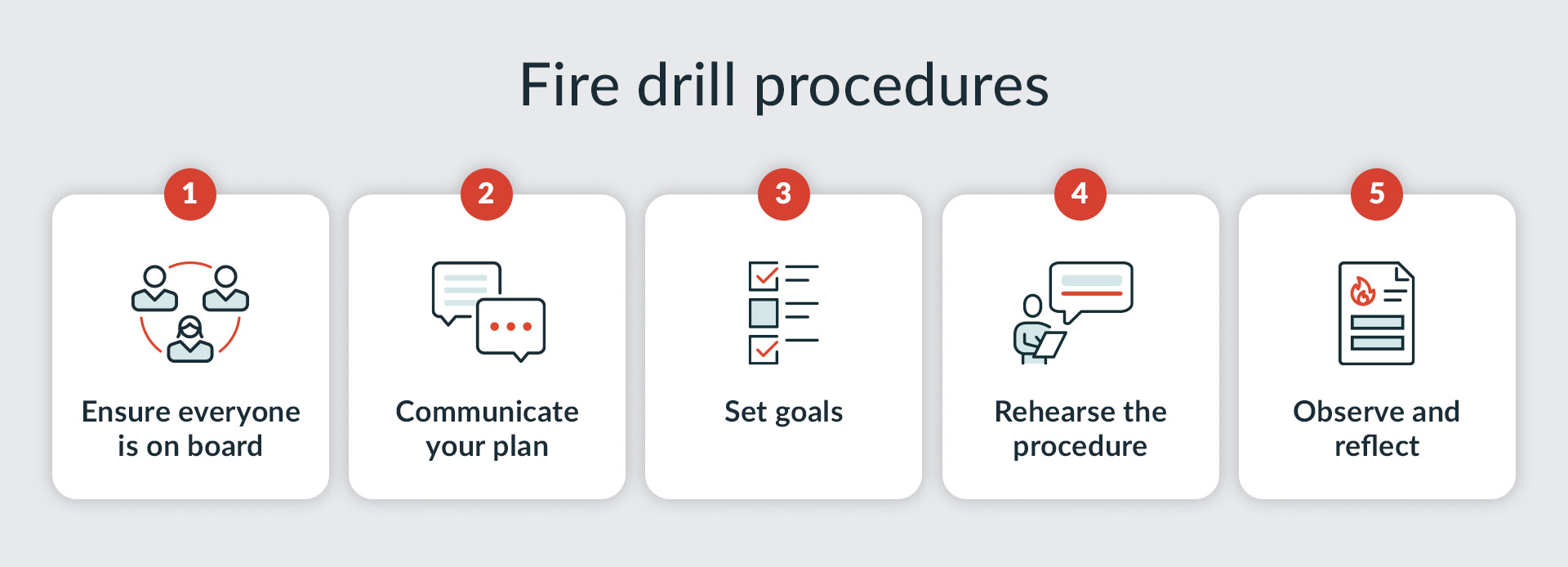
Image Source: www.alertmedia.com
The Importance of Fire Drills
Fires can happen unexpectedly, and swift, organized action is crucial. Fire drills serve several vital purposes:
- Familiarization with Evacuation Routes: They help occupants learn and remember the quickest and safest ways out of the building using emergency exits.
- Testing the Fire Alarm System: Drills provide an opportunity to verify that the fire alarm system is functioning correctly and that all occupants can hear and recognize the alarm.
- Reinforcing Emergency Procedures: Regular practice reinforces the knowledge of what to do in a fire emergency, reducing panic and confusion.
- Evaluating the Evacuation Plan: Drills allow for the assessment of the effectiveness of the existing evacuation plan and the identification of any weaknesses.
- Assessing Fire Warden Effectiveness: They provide a platform to evaluate the performance of fire warden responsibilities, ensuring they can effectively guide and assist occupants.
- Promoting Hazard Communication: Drills reinforce the importance of hazard communication by highlighting potential fire risks and safe practices.
Planning Your Fire Drill
A successful fire drill begins with meticulous planning. Skipping this stage can lead to confusion, ineffectiveness, and potentially unsafe situations.
Defining Objectives
Before you even consider sounding an alarm, clearly define what you want to achieve with this drill. Common objectives include:
- Testing the speed of evacuation.
- Ensuring all occupants know their designated assembly points.
- Checking the communication flow between fire wardens and management.
- Identifying any blockages or issues with emergency exits.
- Practicing the response of personnel with mobility impairments.
Establishing a Schedule
When should fire drills be conducted? Fire drills should be conducted regularly, with the frequency determined by local regulations and the specific needs of your facility. Common recommendations include:
- Monthly: For high-risk environments or buildings with a large number of occupants.
- Quarterly: A good balance for many workplaces and institutions.
- Annually: The minimum frequency in many jurisdictions.
It’s also beneficial to vary the times of day and days of the week for drills to simulate different scenarios and ensure familiarity regardless of when an emergency occurs. Avoid scheduling drills during known busy periods or immediately after major events that might distract occupants.
Developing a Comprehensive Evacuation Plan
A robust evacuation plan is the backbone of any fire drill. This plan should be clearly documented and accessible to all personnel. Key elements of an evacuation plan include:
- Designated Assembly Points: Clearly marked safe areas away from the building where everyone should gather after evacuating.
- Primary and Secondary Evacuation Routes: Outlined paths from every area of the building to the nearest emergency exits.
- Roles and Responsibilities: Clearly defined duties for all personnel, especially fire warden responsibilities, including sweep teams, first aid providers, and communication personnel.
- Procedures for Assisting Individuals with Disabilities: Specific protocols for helping those who may require assistance during an evacuation.
- Communication Protocols: How to alert occupants, report the fire, and communicate with emergency services.
- Post-Evacuation Procedures: How to account for all personnel at the assembly points.
Assembling Your Fire Drill Team
A dedicated team is essential for a smooth drill. This team will typically include:
- Fire Safety Officer/Manager: Oversees the entire process.
- Fire Wardens: Responsible for specific zones within the building. Their fire warden responsibilities are crucial for guiding occupants.
- First Aid Personnel: Ready to provide assistance if needed.
- Building Management Representatives: To address any building-specific issues.
Notifying Key Personnel
While the general occupant population might not be pre-warned, it is crucial to inform:
- Building Management: To ensure their awareness and cooperation.
- Security Personnel: To manage access and external communications.
- Local Fire Department (Optional but Recommended): Informing them can allow them to observe and provide feedback, enhancing emergency preparedness. This also helps them distinguish a drill from a real emergency if they happen to be in the vicinity.
Executing the Fire Drill
The execution phase requires precise timing and clear communication.
Initiating the Alarm
The drill begins with the activation of the fire alarm system. Ensure the alarm is distinct and clearly audible throughout the building.
Fire Warden Actions
Upon hearing the alarm, fire wardens immediately put their training into action. Their primary fire warden responsibilities include:
- Verifying Alarm: Briefly check if the alarm appears to be real (though the drill scenario dictates otherwise).
- Directing Evacuation: Calmly and clearly instruct occupants in their assigned zones to evacuate using the nearest safe emergency exits.
- Checking Designated Areas: Perform a sweep of their zone to ensure no one is left behind. This includes restrooms, break rooms, and any enclosed offices.
- Assisting Vulnerable Individuals: Provide guidance and support to those who need extra help, as per the evacuation plan.
- Closing Doors: Close doors behind them as they leave rooms and areas to help contain any potential fire spread (as per fire safety procedures).
- Proceeding to Assembly Points: Evacuate themselves and guide others to the designated assembly points.
Occupant Actions
All occupants should:
- Stay Calm: React to the alarm as if it were a real emergency.
- Evacuate Immediately: Do not delay to collect personal belongings.
- Follow Warden Instructions: Listen to and obey directions from fire wardens.
- Use Nearest Emergency Exit: Proceed to the nearest safe emergency exit and follow the designated evacuation routes. Do not use elevators.
- Proceed to Assembly Points: Move directly to the designated assembly points and remain there until instructed otherwise.
- Report Missing Persons: Inform their fire warden or a designated official if they know someone is unaccounted for.
Sweep Teams
Designated sweep teams, often comprising fire wardens or trained volunteers, move through the building after the initial evacuation to ensure all areas have been cleared. This is a critical step for occupant safety, especially for those who might be incapacitated or unaware of the alarm. They should check all rooms, restrooms, and any other enclosed spaces.
Accounting for Personnel
Once at the assembly points, supervisors or fire wardens must conduct a headcount. This is a vital step to ensure everyone has safely evacuated the building. Any missing individuals should be immediately reported to the incident commander or the fire department.
Post-Drill Evaluation and Review
The drill doesn’t end when everyone reaches the assembly point. A thorough review is crucial for continuous improvement.
Conducting a Debrief
Gather the fire drill team and key personnel to discuss the drill. Key discussion points include:
- What went well? Identify successful aspects of the drill.
- What could be improved? Pinpoint areas of weakness or confusion.
- Were there any injuries or near misses? Document any incidents.
- Was the evacuation time satisfactory? Compare against the plan’s objectives.
- Did the fire alarm system function correctly?
- Were the assembly points easily accessible and clearly marked?
- Was hazard communication effective in alerting occupants?
- Were fire warden responsibilities carried out effectively?
- Were there any issues with emergency exits or evacuation routes?
Documenting Findings
Record all observations, feedback, and recommendations from the debriefing session. This documentation is essential for tracking progress and making necessary adjustments to the evacuation plan and fire safety procedures.
Implementing Changes
Based on the evaluation, implement necessary changes to the evacuation plan, training programs, or the fire alarm system. This iterative process of planning, executing, and reviewing is key to maintaining a high level of emergency preparedness.
Communicating Results
Share the findings and any implemented changes with all occupants. This reinforces the importance of fire drills and provides valuable feedback to everyone.
Special Considerations for Fire Drills
Different environments and occupants require tailored approaches to fire drills.
Assisting Individuals with Disabilities
A critical aspect of occupant safety is ensuring that individuals with disabilities are not overlooked. The evacuation plan must include specific procedures for them. This might involve:
- Buddy Systems: Pairing individuals with disabilities with trained assistants.
- Evacuation Chairs: Utilizing specialized equipment for safely moving individuals down stairs.
- Designated Refuge Areas: Safe zones within the building where individuals can wait for assistance from emergency responders.
- Pre-Drill Communication: Ensuring individuals with hearing or visual impairments are aware of the drill and how they will be alerted.
High-Rise Buildings
Building evacuation in high-rise structures presents unique challenges. Drills should consider:
- Phased Evacuation: Evacuating only certain floors at a time to prevent overcrowding of stairwells.
- Stairwell Monitoring: Ensuring stairwells are clear and safe for use.
- Communication Systems: Testing two-way communication systems between floors and the command center.
- Fire Warden Deployment: Strategically placing fire wardens on various floors to manage evacuations.
Healthcare Facilities
Patient care is paramount. Drills in healthcare settings require extreme sensitivity:
- Minimal Disruption to Patient Care: Drills should be conducted in a way that minimizes impact on patients.
- Specialized Evacuation Techniques: Training staff on techniques for moving patients, including those on life support.
- Coordination with Healthcare Professionals: Ensuring medical staff are fully integrated into the drill.
- Frequent Drills: Due to the vulnerability of patients, more frequent drills may be necessary.
Educational Institutions
Students and staff need clear, age-appropriate guidance.
- Age-Appropriate Instructions: Tailoring the drill procedures and communication to the age of the students.
- Teacher/Staff Responsibilities: Emphasizing the role of teachers in supervising and guiding students.
- Regular Practice: Consistent drills help young children learn and remember evacuation procedures.
- Clear Assembly Points: Ensuring students know where to go and who to report to.
Common Challenges and Solutions
Even with the best planning, challenges can arise during fire drills.
| Challenge | Solution |
|---|---|
| Occupant Complacency/Disregard | Reinforce the seriousness of fire safety through ongoing training and clear communication of drill objectives. Highlight real-world consequences. |
| Blocked Emergency Exits/Routes | Regular checks of emergency exits and evacuation routes. Clear signage and enforcement of no-storage policies in these areas. |
| Inadequate Fire Warden Training | Provide comprehensive training for fire wardens, including regular refresher courses and practical exercises. |
| Confusion about Assembly Points | Ensure assembly points are clearly marked with highly visible signage. Regularly communicate their location and purpose. |
| Issues with the Fire Alarm System | Implement a regular maintenance and testing schedule for the fire alarm system. Have a backup plan for manual alarm activation. |
| Difficulty Evacuating Individuals with Disabilities | Develop and regularly practice specific procedures for assisting individuals with disabilities, ensuring adequate equipment and trained personnel. |
| Poor Communication During the Drill | Establish clear communication protocols for all personnel involved. Utilize two-way radios for fire wardens and supervisors. |
| Unrealistic Drill Scenarios | Design drills that reflect potential real-world scenarios, considering factors like time of day, occupancy levels, and potential hazards. |
Legal and Regulatory Requirements
Fire drill requirements vary by region and jurisdiction. It is essential to be aware of and comply with all local fire codes and regulations. These often specify:
- Frequency of Drills: How often drills must be conducted.
- Documentation Requirements: What records need to be kept for each drill.
- Training Standards: The level of training required for personnel involved in drills.
- Reporting Procedures: How to report drill outcomes to authorities if required.
Always consult your local fire department or relevant regulatory bodies for the most accurate and up-to-date information regarding fire drill compliance. Adhering to these regulations is a crucial part of emergency preparedness and occupant safety.
Frequently Asked Questions (FAQ)
Q1: How often should we conduct fire drills?
A1: The frequency depends on local regulations and the type of facility. Many recommend monthly, quarterly, or at least annually.
Q2: Do we need to tell everyone before a fire drill?
A2: While it’s good practice to inform key personnel and building management, surprising general occupants can be more realistic. However, ensure those who need special assistance are aware.
Q3: What should occupants do if they encounter a closed door during evacuation?
A3: If the door is locked and they cannot safely open it, they should try the nearest alternate emergency exit. If no other exit is available, they should return to a safe area and signal for help, informing emergency responders of their location.
Q4: Can we use elevators during a fire drill?
A4: No, elevators should never be used during a fire drill or a real fire. They can malfunction, trap occupants, or open onto a floor with fire. Always use the stairs.
Q5: What are the key fire warden responsibilities?
A5: Fire wardens are responsible for directing occupants to safety, sweeping their designated areas, assisting those in need, closing doors, and ensuring everyone proceeds to the assembly points.
Q6: How do we ensure occupant safety for people with disabilities?
A6: The evacuation plan must include specific procedures, such as buddy systems, evacuation chairs, or designated refuge areas, and staff must be trained on these methods.
Q7: What information should be included in a fire drill report?
A7: Reports should detail the date and time of the drill, the duration of evacuation, any observed issues, recommendations for improvement, and confirmation that the fire alarm system was tested.
Q8: Is it necessary to have a designated assembly point?
A8: Yes, a clearly designated assembly point is crucial for accounting for all occupants after an evacuation and ensuring no one is left behind.
Mastering the art of conducting a fire drill is a continuous journey. By diligently planning, executing with precision, and thoroughly reviewing each drill, you significantly enhance your organization’s emergency preparedness and safeguard the well-being of everyone within your building. Prioritizing these fire safety procedures is not just a regulatory requirement; it’s a commitment to occupant safety.