
Can you find your old drill instructor? Yes, it is possible, but it often requires persistence and a bit of luck. Many individuals feel a profound connection to their drill instructor and the transformative experience of Marine Corps boot camp. If you’re looking to reconnect with your USMC drill instructor, this guide will walk you through the most effective methods for finding military personnel, specifically former drill instructors, and offer advice on contacting former Marines.
The journey through recruit training, especially for those who served in the United States Marine Corps, is etched into the memory of every Marine. Your drill instructor played a pivotal role in shaping you, instilling discipline, and forging you into the Marine you became. For some, this connection leads to a desire to reach out, to express gratitude, or simply to reminisce about those intense days. This post is designed to provide you with a comprehensive roadmap to help you locate your USMC drill instructor.
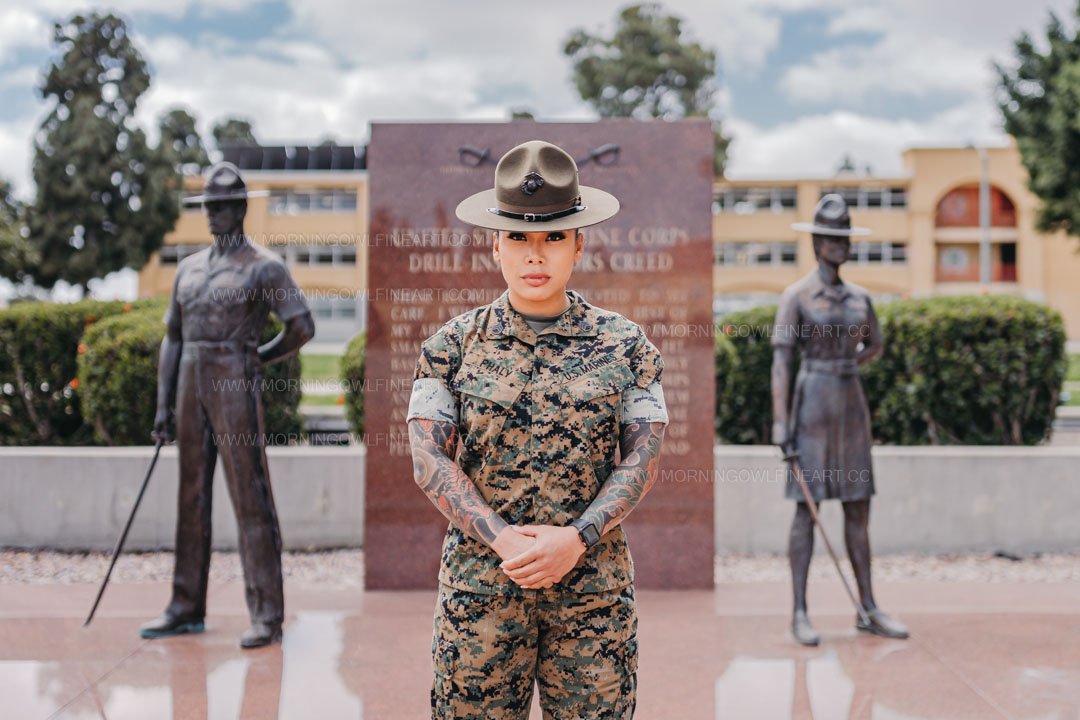
Image Source: images.squarespace-cdn.com
The Significance of the Drill Instructor Role
The role of a drill instructor in the United States Marine Corps is arguably one of the most demanding and impactful in the military. These individuals are tasked with taking civilians and transforming them into disciplined, capable Marines. They are the embodiment of the Marine Corps ethos – Semper Fidelis, Honor, Courage, Commitment.
Stages of Recruit Training
Marine Corps boot camp is a rigorous process designed to break down recruits and build them back up as Marines. It’s a physical and mental crucible.
- Week 1-3: Yellow Footprints & Basic Skills: This is the initial shock. Recruits learn basic drill commands, military bearing, and the fundamental rules of the Marine Corps. The drill instructor is constantly present, demanding perfection.
- Week 4-6: Physical Conditioning & Weapon Training: The physical demands increase significantly. Recruits learn rifle handling, marksmanship, and other combat skills.
- Week 7-9: Field Training & Combat Skills: This phase often includes simulated combat scenarios, obstacle courses, and live-fire exercises. The focus is on teamwork and applying learned skills under pressure.
- Week 10-13: Final Inspections & Graduation: Recruits undergo final inspections, demonstrating their mastery of military customs, courtesies, and skills. The culmination is graduation, the official entry into the United States Marine Corps.
Throughout these stages, the drill instructor is the constant, the authority, and the motivator. Their methods, though often harsh, are designed to instill the resilience and mental toughness required of a Marine.
Initial Steps in Your Search
Finding someone who served in the military can be challenging, especially if they left service many years ago. However, there are several avenues you can explore. Your first step should be to gather as much information as you can about your drill instructor.
What Information is Crucial?
The more details you have, the better your chances of success. Think back to your time at recruit training.
- Name: Full name, including any middle initial.
- Rank: What was their rank when you were in recruit training? (e.g., Sergeant, Staff Sergeant).
- Company and Platoon: Knowing your company and platoon number is vital. Drill instructors are assigned to specific platoons within a company.
- Approximate Years of Service: While you might not know their exact service dates, an estimate of when they were a drill instructor is helpful.
- Any Nicknames or Distinguishing Features: While not official, these can sometimes jog memories or help others in your search.
Where to Begin Your Search
Once you have the basic information, you can start your search.
1. Reach Out to Your Recruit Training Company/Battalion
The most direct route is often through official channels or informal networks related to your recruit training experience.
- Contacting your former unit: While units may move or reorganize, there are often alumni associations or historical offices that might retain some contact information.
- Alumni Associations: Many Marine Corps bases and training commands have associations for former personnel. These can be invaluable resources for connecting with fellow Marines.
- Fellow Recruits: The easiest and often most effective way to find information about your drill instructor is to connect with your former platoon mates. Someone might have kept in touch or have information about your drill instructor’s whereabouts.
2. Leverage Online Resources
The digital age offers numerous platforms for connecting with people, including former service members.
- Social Media Platforms: Facebook, LinkedIn, and even Instagram can be surprisingly effective. Search for:
- Your recruit training company or platoon pages.
- Groups dedicated to specific Marine Corps recruit depots (e.g., Parris Island, San Diego).
- Marine Corps veterans’ groups.
- LinkedIn: If your drill instructor was professionally inclined, they might have a LinkedIn profile. Search by name and potentially by their former rank or role as a USMC drill instructor.
Navigating Official Channels for Military Contact Information
When looking for former military personnel, understanding how to access official records and information is key. The branch of service you’re interested in, in this case, the Marine Corps, has specific protocols.
Accessing Armed Forces Records
Obtaining military contact information through official channels is generally restricted due to privacy laws. However, there are ways to access general information or initiate contact through official means, especially if there’s a legitimate reason.
-
National Archives and Records Administration (NARA): NARA holds the official military personnel records for former service members.
- How it works: You can request a person’s military records, but privacy laws (like the “30-year rule” or stricter rules for more recent service) often limit what information is released directly to you. However, NARA can forward mail to former service members if they have current contact information on file.
- What to request: You’d be looking to request a “Locator Request” or a “Mail Forwarding Request.”
- Website: www.archives.gov
-
Veterans Affairs (VA): The VA can be a resource for connecting with veterans, though direct contact information is usually private.
- How it works: The VA primarily deals with benefits and healthcare. While they might have contact information for veterans they serve, they are bound by privacy regulations and generally won’t give out personal contact details. However, they might be able to facilitate a message or point you towards resources that can help.
- Website: www.va.gov
Important Considerations for Official Requests
- Privacy Laws: Be prepared for limitations. The military prioritizes the privacy of its service members and veterans.
- Patience: These processes can take time.
- Specificity: The more accurate information you provide in your request, the higher the chance of success.
Strategies for Locating Former Drill Instructors
Beyond official channels, a multi-pronged approach often yields the best results when trying to find your former USMC drill instructor.
Utilizing Marine Corps Resources
The Marine Corps has a strong sense of brotherhood and a network of support for its members and veterans.
- Marine Corps League: This is an organization of Marines and Marine families. They often have local detachments and can be a good resource for connecting with other Marines.
- The Basic School (TBS) and Recruit Depots: While they may not keep extensive personal contact lists for former staff, their alumni relations departments or public affairs offices might offer guidance or have databases of former instructors.
- Veteran Service Organizations (VSOs): Many VSOs cater specifically to Marines or veterans from particular eras or branches of service.
The Power of Networking
The most successful searches often involve tapping into the collective knowledge of your fellow recruits.
- Reunions: If your company or platoon has organized reunions, these are excellent opportunities to ask around.
- Social Media Groups: As mentioned earlier, these groups are invaluable. Post a discreet inquiry, providing the necessary details (name, rank, company, platoon, approximate dates of recruit training). Often, another Marine will see your post and either have the information or know someone who does.
- Word of Mouth: Simply asking around within the broader Marine Corps veteran community can sometimes lead to a breakthrough.
What to Do When You Find Them
Once you’ve successfully located your former drill instructor, the next step is to reach out. Here’s how to approach it respectfully and effectively.
Crafting Your Message
- Be Clear and Concise: State who you are, which platoon/company you were in, and when you went through recruit training.
- State Your Purpose: Clearly explain why you are reaching out (e.g., to say thank you, to reminisce, to catch up).
- Be Respectful: Remember their former role and the respect owed to them.
- Offer Options for Contact: Suggest a phone call, email, or even a meeting if appropriate and convenient for them.
Sample Outreach Message
Subject: Former Recruit from [Your Company and Platoon] – Seeking [Drill Instructor’s Name]
Dear Staff Sergeant [Drill Instructor’s Last Name],
My name is [Your Full Name], and I was a recruit in your platoon, [Platoon Number], Company [Company Letter/Number], at [Recruit Depot Name] from [Start Date] to [End Date].
I’ve often thought about my time in recruit training and the impact you had on me and my fellow recruits. I wanted to reach out to express my gratitude for your guidance and dedication during that transformative period.
If you are open to it, I would welcome the opportunity to connect and perhaps reminisce about those days. Please let me know if you’re amenable to a brief phone call or email exchange at your convenience.
Thank you for your time and consideration.
Semper Fidelis,
[Your Full Name]
[Your Phone Number]
[Your Email Address]
Setting Realistic Expectations
It’s important to remember that your drill instructor may or may not wish to reconnect. They have their own lives and memories of their time as a drill instructor, which might be very different from your perspective. Be prepared for any outcome and respect their decision.
Challenges and Considerations
The path to finding your old drill instructor isn’t always straightforward. There are potential hurdles and ethical considerations to keep in mind.
Privacy Concerns
- Protecting Personal Information: As mentioned, military personnel and veterans have a right to privacy. Avoid sharing any information you obtain about your drill instructor without their explicit consent.
- Ethical Boundaries: Do not use information obtained through official channels for any purpose other than intended.
Time and Distance
- Years Passed: Decades can pass between recruit training and your search. People move, change their names, and their contact information evolves.
- Rank Progression: Your drill instructor may have advanced significantly in rank or retired. Their career path after being a drill instructor could take them far from their original posting.
Data Accuracy
- Outdated Records: Official military records, while comprehensive, can sometimes contain outdated information, especially for long-retired personnel.
- Personal Recollections: While invaluable, personal memories can sometimes be imprecise regarding names, dates, or specific details.
Tools and Resources Summary
Here’s a quick recap of the primary tools and resources that can aid your search.
| Resource | Purpose | Website/Contact Information |
|---|---|---|
| National Archives (NARA) | Requesting military records, mail forwarding for former service members. | www.archives.gov |
| Veterans Affairs (VA) | General veteran support, potential facilitation of contact (though direct info is private). | www.va.gov |
| Social Media | Connecting with fellow Marines, searching for individuals and groups (Facebook, LinkedIn). | (Platform-specific searches) |
| Marine Corps League | Network for Marines and their families, local detachments. | www.mcleague.org |
| Alumni Associations | Organizations for former graduates of recruit depots or specific training commands. | (Varies by depot/unit) |
| Fellow Recruits | The most direct source of information and shared memories. | (Personal networks) |
| Veteran Service Orgs (VSOs) | Organizations supporting veterans, often with specific branches or community focus. | (Various organizations exist) |
Understanding the Branch of Service Context
Each branch of the armed forces has its own culture and record-keeping practices. For the USMC drill instructor, the context of Marine Corps boot camp is crucial. The intensity and unique bond formed during this period often drive the desire for reconnection. Knowing the specific terminology and traditions associated with the Marine Corps can help you navigate conversations and searches more effectively. For instance, referring to your “recruit training” experience and your “USMC drill instructor” uses the correct terminology that resonates within the Marine Corps community.
Frequently Asked Questions (FAQ)
Q1: Is it illegal to try and find my old drill instructor?
A1: No, it is not illegal to try and find your old drill instructor. However, it is crucial to respect their privacy and adhere to all applicable privacy laws when seeking or sharing any personal information.
Q2: What if my drill instructor is deceased?
A2: If you discover your drill instructor has passed away, you can still reach out to their family if you can find contact information for them. Many families appreciate hearing from former service members who had positive interactions with their loved one, especially concerning their military service. NARA might be able to forward a message to their next of kin if you can establish that connection through their records.
Q3: What if my drill instructor was not a good person to me?
A3: If your experience with your drill instructor was negative, you are under no obligation to seek them out. However, if you feel a need to express your feelings or understand their perspective, you can attempt to contact them. Approach the situation with caution and prioritize your own emotional well-being.
Q4: Can the Marine Corps directly provide me with my drill instructor’s contact information?
A4: Generally, no. Due to privacy regulations, the Marine Corps will not directly provide you with the personal contact information of former personnel, including your USMC drill instructor. They may be able to forward mail through NARA or provide general information about alumni networks.
Q5: How long does it typically take to find someone through official channels like NARA?
A5: The timeframe can vary significantly. It can take anywhere from a few weeks to several months, depending on the volume of requests NARA is handling and the availability of the specific records you are seeking.
Q6: Are there any specific groups for Marines who went through boot camp in a particular year?
A6: Yes, many informal groups exist on social media platforms like Facebook. Searching for terms like “USMC Recruits [Year]” or “Marine Corps [Your Recruit Depot] Class of [Year]” can often reveal active groups where you might find fellow Marines who can help you.
Q7: What should I do if I find my drill instructor on social media but they haven’t accepted my friend request?
A7: Respect their decision. They may not wish to reconnect publicly or might not be active on that platform. You could try sending a polite private message instead of repeatedly sending friend requests.
The journey to reconnect with your old drill instructor is often a testament to the lasting impact they had. By being prepared, utilizing the right resources, and approaching the search with respect and patience, you increase your chances of success. The bond forged in Marine Corps boot camp is unique, and rediscovering that connection can be a deeply rewarding experience. Good luck with your search for your former drill instructor!