
Can you store a circular saw on its side? Yes, you can store a circular saw on its side, but it’s crucial to ensure the blade is protected and that it’s stable to prevent accidental activation or damage. Proper circular saw storage is paramount for safety and the longevity of your tool. This guide delves deep into the best practices for keeping your circular saw secure and in prime condition, covering everything from power tool storage in general to specific saw maintenance tips.
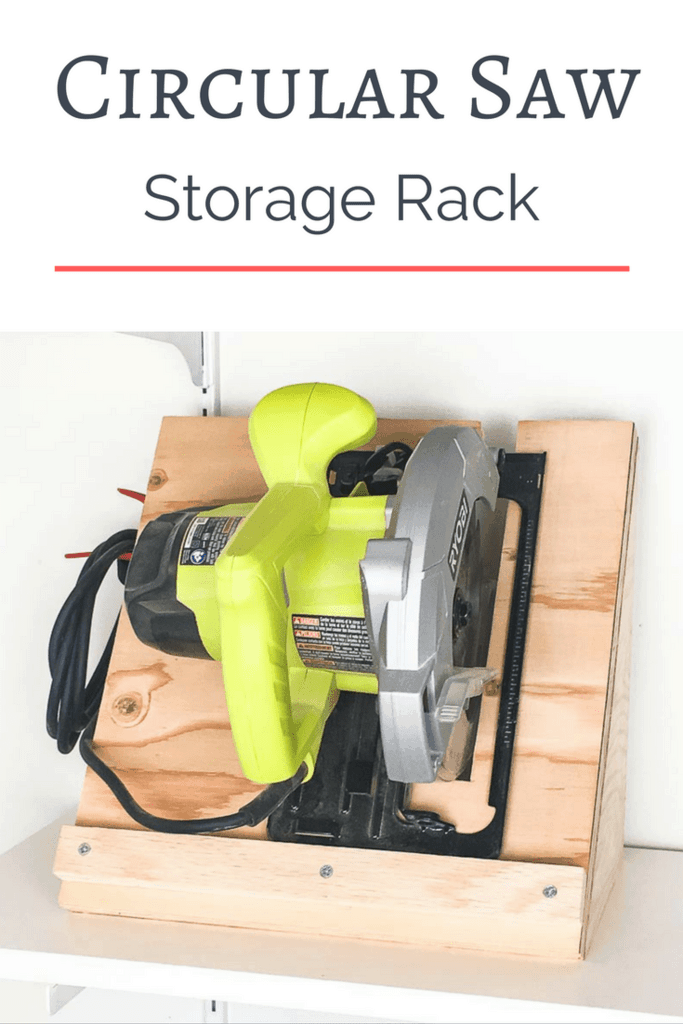
Image Source: www.thehandymansdaughter.com
Securing Your Circular Saw: The Foundation of Safe Storage
Storing a circular saw correctly isn’t just about keeping your workshop tidy; it’s a critical aspect of tool safety. A misplaced or improperly secured saw can lead to accidents, injuries, and damage to the tool itself. Think of your circular saw as a precision instrument, and like any sharp object, it requires respect and careful handling, even when not in use. This section focuses on the fundamental principles of securing your circular saw for safe storage, laying the groundwork for more advanced workshop solutions.
Protecting the Blade: The Sharp Truth About Storage
The blade is the heart of your circular saw. A damaged or dulled blade not only makes your cuts less precise but also increases the risk of kickback, a dangerous phenomenon where the saw violently jumps back towards the user. Therefore, protecting the blade during storage is non-negotiable.
Blade Guards: Your First Line of Defense
Most circular saws come equipped with a retractable blade guard. This guard is designed to cover the blade when not in use, offering a physical barrier against accidental contact.
- Ensure it Retracts Smoothly: Before storing your saw, check that the blade guard moves freely. If it’s stiff or sticking, lubricate the mechanism according to the manufacturer’s instructions.
- Never Disable the Guard: Some users, for perceived convenience, might try to disable or bypass the blade guard. This is extremely dangerous and strongly advised against. The guard is a vital safety feature.
- Cleanliness is Key: Sawdust and debris can impede the guard’s function. Regularly clean the area around the guard.
Blade Covers: An Extra Layer of Protection
For an added layer of safety and to prevent the blade from snagging on other items, consider using a dedicated blade cover. These are typically made of tough plastic or thick fabric and slip over the blade.
- Material Matters: Choose covers made from durable materials that won’t easily tear or wear through.
- Secure Fit: Ensure the cover fits snugly without being so tight that it damages the guard.
Preventing Accidental Starts: The Ultimate Safety Measure
The most terrifying scenario for a circular saw owner is an accidental start-up. This can happen if the trigger is bumped or if the saw is dropped.
- Unplug or Remove Battery: Always disconnect the power source before storing your saw. For corded saws, unplug them from the outlet. For cordless saws, remove the battery pack. This is the single most important step in preventing accidental starts.
- Trigger Lock Mechanisms: Many modern circular saws have a trigger lock button. Always engage this feature before unplugging or removing the battery, and ensure it’s engaged when storing.
- Secure the Trigger: If your saw doesn’t have a robust trigger lock, you can use a zip tie or a specialized trigger lock accessory to hold the trigger in the “off” position.
Innovative Circular Saw Storage Solutions
Beyond basic safety, efficient circular saw storage can significantly improve your workshop’s functionality and your overall workflow. Good storage prevents clutter, protects your tools, and makes them readily accessible when you need them. This is where smart power tool storage strategies come into play, integrating seamlessly with your workbench organization.
Wall-Mounted Storage: Maximizing Vertical Space
Vertical storage is a goldmine in any workshop or garage. Utilizing wall space keeps your circular saw off the floor and out of the way, contributing to better garage tool storage.
Dedicated Saw Hangers
These are purpose-built brackets designed to securely hold a circular saw. They often cradle the saw by its base and motor housing.
- Types of Hangers:
- Hook-style: Simple hooks that the saw’s handle or body can rest on. Ensure they are robust enough to support the weight.
- Bracket-style: More encompassing holders that secure the saw more firmly.
- Customizable Systems: Some systems allow you to configure hooks and shelves to hold multiple tools, including your circular saw.
- Installation: Mount hangers securely into wall studs for maximum support. Use heavy-duty screws.
Pegboard and Slatwall Systems
Pegboards and slatwalls offer incredible flexibility for tool storage. You can customize the layout to perfectly fit your circular saw and other accessories.
- Pegboard Hooks: Various hooks, shelves, and holders are available for pegboards. Look for heavy-duty J-hooks or U-hooks that can accommodate the saw’s shape.
- Slatwall Accessories: Slatwall systems use specialized brackets and shelves. You can find U-shaped holders or custom cradles that work well for circular saws.
- Organization: Use the surrounding pegboard or slatwall space to store blades, wrenches, and other related accessories. This keeps everything for your saw in one accessible location.
Cabinet and Shelf Storage: Enclosed Protection
Storing your circular saw in a cabinet or on a sturdy shelf offers protection from dust, moisture, and accidental bumps. This is an excellent option for portable tool storage if your saw isn’t used daily.
Dedicated Tool Cabinets
Rolling tool chests or wall-mounted cabinets are ideal for keeping tools organized and protected.
- Drawer Dividers: Use foam inserts or drawer dividers to create a custom fit for your saw, preventing it from shifting.
- Lockable Cabinets: For added security, consider a cabinet with a lock, especially if children or unauthorized individuals have access to your workspace.
Sturdy Shelving Units
If you opt for open shelving, ensure the shelves are strong enough to hold the weight of your saw and anything else you store on them.
- Shelf Liners: Place a non-slip mat or a piece of durable rubber on the shelf to prevent the saw from sliding.
- Clearance: Ensure there’s enough clearance above the saw to easily remove and replace it without it hitting anything.
Carrying Cases and Tool Bags: For Transport and Storage
Many circular saws come with their own carrying cases, or you can purchase universal ones. These are excellent for both transporting your saw and for dedicated storage.
Hard-Shell Cases
These offer the most protection against impacts and the elements.
- Custom Foam Inserts: For ultimate protection, cut custom foam inserts to cradle your saw and accessories. This prevents any movement and provides excellent shock absorption.
- Water Resistance: Many hard cases are water-resistant, protecting your tool from humidity.
Soft-Sided Tool Bags
While offering less impact protection, tool bags are often more portable and can be easier to store in tight spaces.
- Padded Bags: Look for bags with ample padding.
- Compartments: Bags with multiple compartments are great for organizing blades, batteries, and chargers.
- Durability: Choose bags made from heavy-duty canvas or nylon.
Optimizing Your Workspace: Integrating Saw Storage with Workbench Organization
Effective workbench organization is key to a productive and safe workshop. Your circular saw’s storage should be integrated into this plan, making it accessible without creating hazards.
Strategic Placement
Consider where you most often use your circular saw. Storing it relatively close to your primary work area can save time and effort.
- Avoid High-Traffic Areas: Don’t store your saw where it can be easily knocked over or where people frequently walk.
- Near Power Sources: For corded saws, proximity to outlets can be a convenience, but always ensure the cord is properly managed during storage.
Keeping Accessories Together
All the components related to your circular saw should ideally be stored together. This includes spare blades, depth adjustment wrenches, and rip fences.
- Toolbox Integration: Dedicate a section of a toolbox or a specific drawer for saw accessories.
- Wall-Mounted Holders: Use small hooks or cups on the wall near the saw’s storage location for wrenches and small parts.
Considering Dust Collection
Circular saws, by their nature, generate a significant amount of sawdust. While this is more of an operational concern, it can impact storage.
- Clean Before Storing: A quick brush-down to remove excess sawdust before putting the saw away will keep your storage area cleaner.
- Dust-Resistant Storage: Enclosed cabinets or cases offer the best protection against dust accumulation on the saw’s motor and mechanisms.
Essential Saw Maintenance for Longevity and Safety
Proper storage is only one part of the equation. Regular saw maintenance ensures your circular saw operates safely and efficiently, and also makes it easier to store.
Cleaning Your Circular Saw
A clean saw is a safe saw. Sawdust and debris can interfere with moving parts, including the blade guard.
- Regular Cleaning Schedule: Aim to clean your saw after each significant use, or at least monthly.
- Tools for Cleaning: Use a soft brush, compressed air, or a vacuum cleaner with a brush attachment to remove dust and debris. Pay special attention to the blade guard mechanism and ventilation slots.
- Avoid Solvents on Plastic Parts: Be cautious with cleaning agents, as some can damage plastic housings.
Blade Care and Storage
The blade itself needs attention. Dull or damaged blades are a major safety hazard.
Blade Sharpening and Replacement
- Sharpening: If you notice the saw is struggling to cut or producing rough edges, the blade may need sharpening. You can do this yourself with a sharpening jig or have it professionally sharpened.
- Replacement: Blades have a lifespan. When they become too worn or damaged, replace them with new ones of the correct type and size for your saw.
Safe Blade Storage
Even when not in use, blades need to be stored safely.
- Blade Cases: Many new blades come in protective plastic cases. Keep these cases and use them for storing spare blades.
- Blade Storage Racks: For multiple blades, consider a dedicated blade storage rack that keeps them organized and prevents them from contacting each other.
- Avoid Loose Storage: Never store blades loose in a drawer or toolbox where they can easily nick, scratch, or become a cutting hazard.
Lubrication
Periodically, the moving parts of your circular saw might benefit from lubrication. Refer to your owner’s manual for specific recommendations.
- Moving Parts: This typically includes the blade guard mechanism and height adjustment screw.
- Appropriate Lubricant: Use lubricants recommended by the manufacturer. Avoid over-lubricating, as this can attract dust.
Inspection
Before each use and periodically during storage, inspect your saw for any signs of wear or damage.
- Cord Condition: For corded saws, check the power cord for any nicks, cuts, or fraying.
- Housing: Look for cracks or damage to the saw’s housing.
- Moving Parts: Ensure the blade guard retracts and extends smoothly. Check that adjustment levers are secure.
Frequently Asked Questions (FAQ)
Here are some common questions regarding circular saw storage and safety:
Q1: Can I store my circular saw with the blade attached?
A1: Yes, you can store your circular saw with the blade attached, provided the blade guard is in place and fully covering the blade, and the power source is disconnected. It’s essential that the blade is not exposed to prevent accidental cuts.
Q2: How should I store my cordless circular saw?
A2: For cordless circular saws, always remove the battery pack before storing. Store the battery separately in a cool, dry place, ideally in a charging station or its original packaging, to prolong its lifespan and prevent accidental discharge or damage.
Q3: Is it safe to store my circular saw on its side?
A3: Yes, it is generally safe to store a circular saw on its side, but only if the blade is fully covered by the guard, the saw is stable, and the trigger cannot be accidentally engaged. Some manufacturers recommend storing the saw on its side on a flat surface to prevent the guard from being damaged or sprung open. Always check your owner’s manual for specific recommendations.
Q4: What is the best way to store spare circular saw blades?
A4: Spare blades should be stored in their original protective cases, a dedicated blade storage case, or on a specialized blade rack. This prevents them from contacting each other, which can dull or damage the teeth, and also protects users from accidental cuts. Never store blades loose.
Q5: How often should I clean my circular saw?
A5: You should clean your circular saw regularly, ideally after each significant use or at least once a month. Removing sawdust and debris ensures that moving parts, like the blade guard, function correctly and helps prevent overheating of the motor.
Q6: What are the risks of improper circular saw storage?
A6: Improper storage poses several risks, including accidental activation leading to serious injury, damage to the blade guard or the saw itself, dulling or damage to the blade, and potential damage from dust, moisture, or impacts. It can also lead to a cluttered and unsafe workshop environment.
Q7: What are some good portable tool storage options for a circular saw?
A7: Excellent portable storage options include hard-shell carrying cases (often with custom foam inserts), padded soft-sided tool bags with compartments, and specialized circular saw cases designed for protection during transport and storage.
By implementing these workshop solutions and prioritizing tool safety, you can ensure your circular saw remains a reliable and safe tool for all your cutting needs. Proper circular saw storage is an investment in your safety and the longevity of your equipment, contributing to a well-organized and efficient workspace for all your power tool storage needs. Remember to always consult your tool’s owner’s manual for specific storage and maintenance guidelines.