
Can I drill into stucco? Yes, you can drill into stucco, but it requires the right tools and techniques to avoid damage and ensure a secure fastening.
Drilling into stucco can seem daunting, but with the proper knowledge and tools, it’s a manageable DIY task. Whether you’re hanging a shelf, installing a light fixture, or mounting a planter, knowing how to approach stucco walls is crucial for a successful and safe project. Stucco is a versatile building material, but it’s also porous and can be brittle, making it susceptible to cracking or crumbling if not handled with care. This guide will walk you through every step, from choosing the right drill bit to ensuring your fasteners are securely in place.
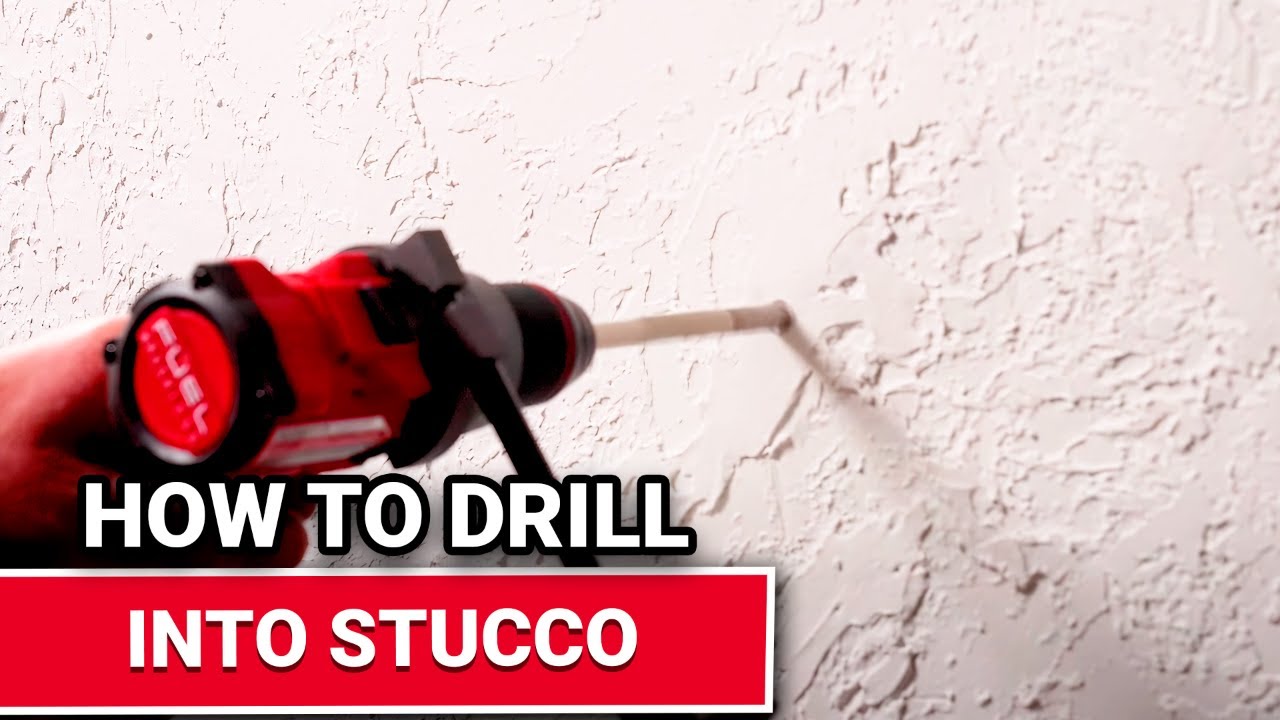
Image Source: i.ytimg.com
Preparing for Stucco Drilling
Before you even pick up a drill, preparation is key. This involves understanding the type of stucco you have, identifying what lies beneath the surface, and gathering all necessary tools and materials.
Identifying Your Stucco Type
Stucco finishes can vary significantly, impacting how you drill into them.
- Traditional Cement Stucco: This is the most common type, applied in multiple layers over lath. It’s generally hard and durable.
- Synthetic Stucco (EIFS – Exterior Insulation and Finishing System): This is a multi-layered system that includes foam insulation boards, a base coat, and a finish coat. Drilling into EIFS requires extra care as the foam layer can be soft, and the finish coat can be brittle.
Locating What’s Behind the Stucco
Knowing what’s behind the stucco is vital for avoiding pipes, electrical wires, or structural elements.
Using a Stud Finder
A good quality stud finder is your first line of defense. Most electronic stud finders can detect wood studs, metal studs, and even live AC wires.
Visual Inspection
Look for existing holes or fixtures. The placement of windows, doors, and plumbing fixtures can offer clues about what might be behind the wall.
Gentle Probing (If Necessary)
In some cases, if you’re unsure and the item you’re mounting is heavy, a very gentle exploratory probe with a thin nail might be considered, but this should be a last resort and done with extreme caution.
Gathering Your Tools and Materials
Having everything ready before you start will make the process smoother and safer.
Essential Tools
- Drill: A corded or cordless drill with variable speed and a hammer drill setting is ideal.
- Drill Bits: This is critical. You’ll need specific bits for stucco.
- Masonry drill bit stucco: These are designed to cut through hard materials like concrete, brick, and stucco. Look for bits with carbide tips.
- Concrete stucco bit: Similar to masonry bits, these are specifically engineered for these harder surfaces.
- Safety Gear:
- Safety Glasses: Essential to protect your eyes from dust and debris.
- Dust Mask: Stucco dust can be harmful to inhale.
- Gloves: To protect your hands.
- Measuring Tape and Pencil: For accurate marking.
- Level: To ensure your mounted item is straight.
- Vacuum Cleaner (with crevice tool): To clean up dust as you go.
Fasteners and Anchors
The type of fastener you choose depends on the weight of the item you are hanging and the material behind the stucco.
- Stucco Anchor Installation: For heavier items, specialized stucco anchors are often recommended. These expand behind the stucco surface to provide a strong hold. Common types include:
- Toggle Bolts: Excellent for drywall or hollow walls, but can work in stucco if you drill a large enough hole.
- Expansion Anchors (Lag Shields): These require a pilot hole and expand as the lag screw is driven in.
- Sleeve Anchors: Similar to expansion anchors, they provide a robust hold.
- Self-Drilling Anchors: Some anchors are designed to drill their own hole into softer materials, but typically not recommended for the full thickness of stucco.
- Stucco Wall Fasteners: For lighter items, strong screws might suffice if they can reach a solid substrate like wood or masonry behind the stucco.
The Drilling Process: Step-by-Step
Now that you’re prepared, let’s get to the actual drilling.
Step 1: Mark Your Drilling Location
Using your measuring tape, level, and pencil, accurately mark where you need to drill. Double-check your measurements to ensure the item will be placed correctly.
Step 2: Selecting the Right Drill Bit
The choice of drill bit is paramount for drilling stucco safely and effectively.
Masonry Drill Bits
For drilling stucco, a masonry drill bit stucco is your best bet. These bits have a carbide tip that is harder than regular steel bits, allowing them to cut through the abrasive texture of stucco and any underlying masonry or concrete.
- Carbide-Tipped Bits: These are the standard for masonry work. They are identifiable by their gray or black tip, which is usually a different material brazed onto the steel shank.
- Different Sizes: You’ll need bits that match the diameter of your chosen screws or anchors. Always check the anchor or screw packaging for the recommended drill bit size.
Step 3: Setting Up Your Drill
Proper drill setup can prevent damage and make drilling easier.
Hammer Drill vs. Standard Drill
- Standard Drill: Suitable for softer materials or smaller holes. It rotates the bit but doesn’t provide any impact.
- Hammer Drill: This drill has a mode that delivers rapid hammering impacts in addition to rotation. This is highly effective for drilling into hard materials like concrete stucco. The hammering action pulverizes the material, allowing the bit to cut through more easily.
Using the Hammer Drill Setting
If your drill has a hammer setting, engage it for drilling into stucco. However, be aware that for very thin stucco or if you’re concerned about vibration, you might start with the regular drill setting and switch to hammer mode if needed.
Step 4: Drilling the Pilot Hole
A pilot hole stucco is crucial for guiding the screw or anchor and preventing the stucco from cracking.
Drilling Stucco Siding
When drilling stucco siding, start slowly.
- Start with a Slow Speed: Begin with a low drill speed to create an initial indentation without excessive force.
- Apply Steady Pressure: Once the bit bites into the surface, increase the speed slightly and apply consistent, firm pressure. Don’t force the drill; let the bit do the work.
- Drill Straight: Keep the drill perfectly perpendicular to the wall to ensure the hole is straight and the fastener will go in correctly.
- Clear Debris: Periodically withdraw the drill bit to clear out dust and debris. This prevents the bit from overheating and makes drilling more efficient. A vacuum cleaner held near the drill site can help capture dust as it’s created.
Stucco Screw Depth
The correct stucco screw depth is essential for a secure hold.
- For Screws: The screw needs to penetrate the stucco and engage firmly with the substrate behind it (e.g., wood stud, masonry). Typically, this means the screw should go at least 1 to 1.5 inches into the solid material.
- For Anchors: Follow the anchor manufacturer’s specific depth recommendations. This is usually indicated on the packaging or in the installation instructions. Drilling too shallow will result in a weak hold; drilling too deep might cause the anchor not to engage properly.
Step 5: Installing the Stucco Anchor or Screw
Once the pilot hole is drilled to the correct depth, it’s time to install your fastener.
Installing Stucco Anchors
The stucco anchor installation process varies depending on the anchor type.
- Expansion Anchors: Insert the anchor into the pilot hole. If it’s a lag shield anchor, gently tap it with a hammer until it’s flush with the stucco surface. Then, drive the lag screw into the anchor. As you drive the screw, the anchor will expand behind the stucco, creating a secure grip.
- Toggle Bolts: For toggle bolts, you typically insert the bolt with the toggle mechanism folded through the pilot hole. Once the toggle is behind the wall, you tighten the bolt, pulling the toggle against the back of the stucco. This requires a larger pilot hole than many other anchors.
- Self-Drilling Anchors: These often screw directly into the stucco. They create their own thread as they are installed. Ensure you are using the correct size and type for the stucco’s density.
Driving Screws
If you’re using screws directly (for lighter items and when a stud is hit), drive them into the pilot hole.
- Avoid Over-Tightening: Once the screw is snug, stop. Over-tightening can strip the threads in the anchor or substrate, or even crack the stucco.
- Use the Right Drill Setting: For driving screws, use the drill’s low-speed, high-torque setting. This gives you better control.
Dealing with Different Stucco Scenarios
Sometimes, the simple drilling process needs adjustments.
Drilling Through Thick Stucco
If you encounter very thick or dense stucco, don’t rush.
- Use a Hammer Drill: Definitely use the hammer drill setting.
- Lubricate the Bit (Optional): For very tough jobs, a bit lubricant can help reduce friction and heat, but typically not needed for standard stucco.
- Multiple Passes: If the hole isn’t deep enough, you can stop, clear debris, and continue drilling.
Drilling into EIFS (Synthetic Stucco)
EIFS requires a gentler touch.
- Use a Standard Drill Setting: Start with a regular drill setting and a sharp masonry bit.
- Lower Speed and Pressure: Apply less pressure to avoid cracking the finish coat.
- Hole Saw (for Larger Holes): For larger fixtures, a hole saw designed for masonry might be used, but this requires careful technique.
- Anchor Choice: Use anchors specifically designed for EIFS or lighter-duty anchors suitable for hollow walls, as the material behind the finish coat is often foam.
Removing Stucco Coating for Repair or Reinforcement
In rare cases, you might need to remove stucco coating to fix damage or reinforce an area before drilling. This is a more involved process.
- Chiseling: A cold chisel and hammer can be used to carefully chip away damaged stucco.
- Angle Grinder: For larger areas, an angle grinder with a masonry blade can remove stucco, but this creates a lot of dust and requires significant caution and protective gear.
- Purpose: This is typically done for significant cracks or when you need to expose the underlying lath or substrate for repairs before re-applying stucco. This is generally not part of a typical drilling project for hanging items.
Stucco Repair Drilling
If you’re drilling into a stucco area that has been previously repaired, be aware that the repair material might have different densities and properties than the original stucco.
- Test Drill: If possible, test drilling in an inconspicuous area of the repair to gauge its hardness and how it reacts to the drill bit.
- Anchor Selection: You might need to choose anchors specifically suited for the repair material or ensure your anchors can still reach the original substrate.
Table of Recommended Drill Bits and Anchors
Here’s a quick reference guide for common scenarios:
| Item to Hang (Weight) | Recommended Fastener Type | Recommended Drill Bit Type | Pilot Hole Size (Approximate) | Notes |
|---|---|---|---|---|
| Light (Picture) | Screw (into stud), Plastic Anchor | Masonry Drill Bit (small diameter) | 3/16″ – 1/4″ | Ensure screw hits a stud for best results. |
| Medium (Shelf) | Lag Shield Anchor, Sleeve Anchor | Masonry Drill Bit (matching anchor) | 1/4″ – 3/8″ | Proper stucco anchor installation is key for holding weight. |
| Heavy (Planter) | Toggle Bolt, Heavy-Duty Sleeve Anchor | Masonry Drill Bit (larger diameter) | 1/2″ – 3/4″ | Ensure the anchor can properly expand behind the stucco surface. |
| EIFS Wall | Specialized EIFS anchors, Toggle bolts | Masonry Drill Bit (sharp) | Varies | Use lighter pressure and avoid hammer drill if possible. |
Note: Always consult the fastener manufacturer’s recommendations for the precise pilot hole size.
Frequently Asked Questions About Drilling Stucco
Q1: Can I use a regular drill bit for stucco?
A1: While you can try with a very sharp steel bit for light tasks, it’s not recommended. Regular drill bits will dull very quickly, overheat, and may chip or crack the stucco. Always use a masonry drill bit stucco or a concrete stucco bit.
Q2: How deep should I drill into stucco?
A2: The stucco screw depth and anchor depth are critical. You need to drill deep enough to pass through the stucco (which can be 1/2 inch to over 1 inch thick) and into the solid material behind it. For anchors, follow the manufacturer’s instructions carefully. For screws into studs, aim for at least 1 to 1.5 inches of screw penetration into the stud.
Q3: What if I hit rebar or metal lath?
A3: If you’re using a hammer drill and hit what feels like metal lath or rebar, you might need to stop and reposition. Some specialized drill bits are designed for metal, but if you’re not prepared for that, it’s best to find a new spot. For lighter items, you might be able to drill through the lath with a sturdy bit.
Q4: How do I avoid cracking the stucco?
A4: The key to avoiding cracks is to use the correct drill bit, start slow, apply steady pressure, and drill straight. A pilot hole stucco helps significantly. For EIFS, use less force.
Q5: What is the best way to hang heavy items on stucco?
A5: For heavy items, proper stucco anchor installation is essential. This usually involves using robust anchors like toggle bolts or heavy-duty sleeve anchors that can expand behind the stucco to distribute the weight. Always ensure the anchor is rated for the weight you intend to hang.
By following these guidelines, you can confidently drill into stucco walls, ensuring your projects are completed safely and securely. Remember that preparation and the use of the right tools, especially a good masonry drill bit stucco, are the keys to success.