
Image Source: i.ytimg.com
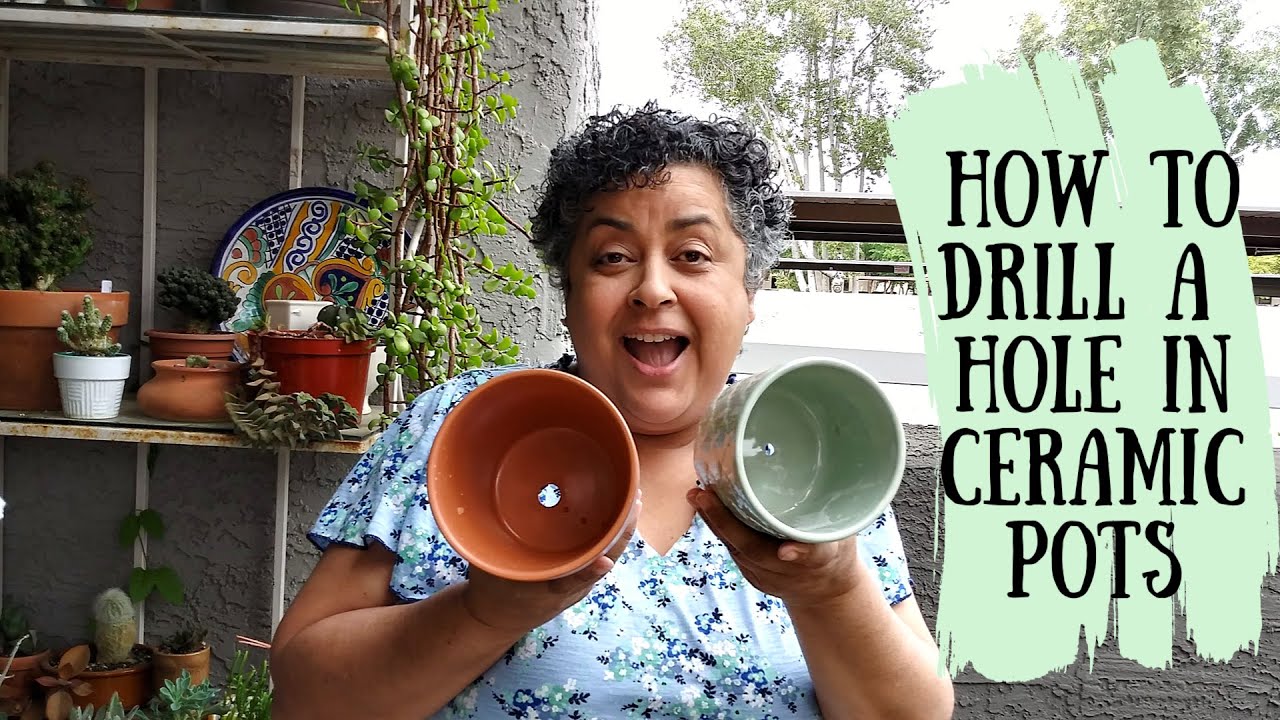
How To Drill A Hole In Terracotta Pot Safely: Your Guide
Can you drill a hole in a terracotta pot? Yes, you absolutely can drill a hole in a terracotta pot. This is a common and very useful skill for any gardener. It allows you to create custom drainage for your plants or to hang your pots, transforming them for various gardening projects terracotta might inspire. This guide will walk you through the process step-by-step, ensuring you can do it safely and effectively.
Terracotta, while beautiful and porous, can be brittle. This means that drilling terracotta requires a gentle touch and the right tools. Whether you’re repurposing an old pot or creating a new one for a specific planting need, learning how to drill a hole in terracotta pot safely will open up a world of possibilities for your plant collection. Many people think drilling terracotta is difficult, but with the right approach, it’s quite manageable. We’ll cover everything from choosing the best drill bit for terracotta to the techniques that prevent cracking.
Preparing Your Terracotta Pot for Drilling
Before you even think about picking up a drill, proper preparation is key to a successful terracotta drilling project. Rushing this stage can lead to cracked pots, wasted materials, and frustration. Taking a few moments to set up correctly will make the entire process much smoother and safer.
Gathering Your Essential Tools and Materials
To embark on your terracotta drilling adventure, you’ll need a specific set of tools. Having everything ready beforehand ensures you can focus on the task at hand without interruptions.
- Drill: A corded or cordless drill is essential. Ensure it has variable speed settings.
- Drill Bits: This is where choosing the right bit matters most. For drilling terracotta, you’ll need masonry bits or carbide-tipped bits. A ceramic-specific drill bit is also an excellent option. For creating a drainage hole terracotta needs, start with a smaller bit and work your way up if a larger hole is desired.
- Safety Glasses: Always protect your eyes from dust and flying debris.
- Dust Mask: Terracotta dust can be harmful if inhaled.
- Gloves: To protect your hands.
- Water: A spray bottle filled with water is crucial for cooling the bit and the terracotta.
- Masking Tape or Painter’s Tape: This helps prevent the drill bit from slipping.
- Marker: To mark your drilling spot.
- Rag or Damp Cloth: For cleaning up dust and debris.
- Stable Surface: A workbench or a sturdy table to place the pot on.
- Optional: Rubber Mallet: For gentle tapping if needed to seat the bit.
- Optional: Sandpaper: For smoothing any rough edges after drilling.
Choosing the Best Drill Bit for Terracotta
The choice of drill bit is paramount for successful drilling terracotta. Using the wrong bit can lead to chipping, cracking, or simply an inability to penetrate the material.
- Masonry Bits: These are designed for drilling into brick, concrete, and stone, making them suitable for terracotta. They typically have a carbide tip.
- Carbide-Tipped Bits: Often labeled as masonry bits, these have a very hard tip that can cut through dense materials like terracotta.
- Diamond-Tipped Bits: These are the gold standard for drilling ceramic and glass, and they work exceptionally well for terracotta. They offer a clean cut and are very durable.
- Ceramic or Glass Drill Bits: These are specifically designed for smooth, controlled drilling in brittle materials.
Table 1: Drill Bit Recommendations for Terracotta
| Drill Bit Type | Best For | Pros | Cons |
|---|---|---|---|
| Masonry Bit (Carbide) | General terracotta drilling, drainage holes | Widely available, effective for most jobs | Can cause some chipping if not careful |
| Diamond-Tipped Bit | Clean holes, delicate pots, precise work | Very clean cuts, less risk of cracking | More expensive |
| Ceramic/Glass Drill Bit | Smooth holes, detailed work | Excellent for clean, smooth finishes | Can wear down faster than diamond |
When selecting a bit, consider the size of the hole you need. For a standard drainage hole terracotta pots often have, a 1/4-inch to 1/2-inch bit is usually sufficient. For larger holes or specific gardening projects terracotta might be used for, like creating multiple decorative openings, you might need larger bits or a hole saw.
Setting Up Your Workspace Safely
Safety is non-negotiable when drilling terracotta. Dust can be a nuisance and a health hazard, and errant bits or shards can cause injury.
- Ventilation: Choose a well-ventilated area, ideally outdoors or in a garage with open doors.
- Clear the Area: Remove any flammable materials or anything that could be damaged by dust.
- Secure the Pot: Place the terracotta pot on a flat, stable surface. You don’t want the pot to move or spin while you’re drilling. You can use towels or a non-slip mat underneath to help stabilize it.
- Wear Protective Gear: Put on your safety glasses, dust mask, and gloves.
The Step-by-Step Process of Drilling a Hole in Terracotta
Now that your workspace is prepared and you have your tools, it’s time to get to the actual terracotta drilling. Remember, patience and a steady hand are your best friends here.
Marking the Drilling Spot
Precision starts with a clear mark.
- Decide on Placement: Determine exactly where you want the hole. For a drainage hole terracotta pots, the bottom center is ideal. For decorative holes, plan your pattern carefully.
- Apply Tape: Place a piece of masking tape or painter’s tape over the spot you intend to drill. This helps prevent the drill bit from skittering across the surface when you start.
- Mark the Center: Use your marker to draw a small ‘X’ on the tape, right where you want the center of the hole to be.
Starting the Drilling Process: Gentle is Key
This is the most crucial part of drilling terracotta. A common mistake is applying too much pressure too soon.
- Set the Drill: Ensure your drill is set to a low speed and, if possible, in a non-hammer setting (if your drill has one). For drilling terracotta, you don’t want the hammer function.
- Create a Pilot Dimple: Gently press the tip of your drill bit onto the ‘X’ you marked. Give it a very brief, light press to create a small indentation. This will act as a guide for the bit.
- Begin Drilling: Hold the drill perpendicular to the surface. Start the drill at a very slow speed. Apply just enough pressure to allow the bit to bite into the terracotta. You should hear and feel the material starting to grind away.
Maintaining a Consistent Speed and Adding Water
Keeping the bit and the terracotta cool is essential to prevent cracks and to help the bit cut more efficiently.
- Slow and Steady: Resist the urge to increase speed. A slow, consistent speed is much more effective and safer than a high-speed, aggressive approach.
- Cooling with Water: Periodically spray water onto the drilling area. This cools the bit and the terracotta, reducing friction and dust. It also helps flush away the material being drilled. You can create a small dam around the drilling spot with plumber’s putty or even a rolled-up piece of tape if the pot is upright, or simply work with the pot tilted slightly to allow water to pool.
- Clear Debris: Occasionally, pull the drill bit out to clear away any dust and debris that has accumulated. This prevents the hole from getting clogged.
Drilling Through the Terracotta
As you progress, you’ll encounter different stages of terracotta drilling.
- Initial Penetration: Once the pilot dimple is established, the bit should begin to cut into the terracotta. Maintain a steady, light pressure.
- Mid-Drill: Continue with slow speed and intermittent water spray. You’ll start to see more dust and water mixture forming.
- Approaching the Other Side: As you get close to breaking through the other side of the terracotta, ease up on the pressure even more. This is where most cracks occur. Let the drill bit do the work. If you’re drilling a drainage hole terracotta pots need, be mindful of the thickness.
- Breaking Through: Once you feel the bit is about to break through, reduce pressure to almost nothing. If you’re drilling from the outside of the pot to the inside, you might want to support the inside of the pot with a piece of wood to prevent the final breakthrough from causing a chip or crack on the interior surface. If you are drilling a hole in the bottom of a pot, supporting the inside isn’t usually necessary.
Finishing and Cleaning Up
Once the hole is made, a few final steps will ensure a neat finish.
- Smooth Edges: After the hole is complete, you might notice some rough edges or small chips. You can gently smooth these with a piece of sandpaper or a rubbing stone. Be careful not to apply too much pressure.
- Rinse the Pot: Thoroughly rinse the pot with water to remove all dust and debris.
- Inspect: Check the hole for any significant cracks. Minor surface crazing is sometimes unavoidable but large, deep cracks mean the pot may be compromised.
Special Considerations for Different Terracotta Projects
The basic technique for drilling terracotta is the same, but some gardening projects terracotta inspires might require a slightly different approach.
Making a Drainage Hole in Terracotta Pots
Every plant needs good drainage, and terracotta is naturally porous, but a dedicated drainage hole terracotta pots can greatly improve aeration.
- Location: The bottom of the pot, typically in the center, is the best spot.
- Size: A hole around 1/4 to 1/2 inch in diameter is usually sufficient for most pots. For very large pots, a slightly larger hole might be beneficial.
- Multiple Holes: If you have a very large pot or are dealing with plants that require exceptionally good drainage, you might consider drilling two or three smaller holes.
Drilling Holes for Hanging Terracotta Pots
If you plan to hang your terracotta pots, you’ll need to drill holes near the rim.
- Placement: Two to four holes, evenly spaced around the rim, are common for hanging.
- Hole Size: The size of the hole will depend on the thickness of your hanging wire, rope, or chain.
- Drilling Near the Rim: Be extra careful when drilling near the rim, as this is often the thinnest part of the pot and most susceptible to cracking. Apply even less pressure here. You might want to tape the entire rim area for extra support.
Drilling Holes in Ceramic Pots
While this guide focuses on terracotta, the principles often apply to ceramic pot drilling as well, though ceramic can be harder and more brittle. Always use diamond-tipped bits for ceramic for the best results and use water generously.
Terracotta Pot Repair
Sometimes, despite our best efforts, a pot might get a small chip or crack. Can you fix it? For minor issues, yes.
- Terracotta Pot Repair: Small chips or hairline cracks can sometimes be repaired using a terracotta repair epoxy or a strong waterproof adhesive. Clean the area thoroughly, apply the adhesive, and clamp or bind the area until it cures. This is more for cosmetic or minor structural reinforcement, not for a pot that has completely cracked in half.
Troubleshooting Common Issues During Terracotta Drilling
Even with preparation, you might run into minor hiccups. Here’s how to deal with them.
The Drill Bit is Slipping
- Solution: Ensure you’ve applied masking tape and created a small pilot dimple with the drill bit. Double-check that the pot is stable and not moving.
The Terracotta is Cracking
- Solution: Immediately stop drilling. Reduce the pressure significantly. Ensure you are using a slow speed and plenty of water. If a significant crack has formed, you may need to abandon the hole in that location and try a new spot, or accept that the pot might not be suitable for drilling.
The Drill Bit is Not Cutting
- Solution: Make sure you are using the correct type of drill bit (masonry or diamond-tipped). Check if the drill is set to the correct rotation direction. Try applying slightly more, but still controlled, pressure. Ensure the bit is sharp.
Excessive Dust
- Solution: Increase the frequency of water spraying. Consider using a more targeted water application, perhaps a slow drip from a bottle or a small, steady stream.
Extending the Life of Your Drilled Terracotta Pots
Once you’ve successfully drilled your pots, proper care will ensure they remain beautiful and functional for years to come.
- Watering: While terracotta allows for good aeration, it also dries out faster. Monitor your plants and water them accordingly.
- Frost Protection: Terracotta can be susceptible to frost damage, especially when wet. In colder climates, it’s best to bring your drilled terracotta pots indoors during winter.
- Cleaning: Clean your pots annually to remove any mineral buildup or algae. A stiff brush and mild soap are usually sufficient.
Frequently Asked Questions About Drilling Terracotta Pots
Here are some common questions people have about drilling terracotta and how to make holes in plant pots.
- Q: What is the best drill bit for terracotta?
A: The best drill bits for terracotta are masonry bits (carbide-tipped) or diamond-tipped bits. These are designed to cut through hard, brittle materials without causing excessive damage. - Q: Do I need a special drill for terracotta?
A: No, a standard corded or cordless drill will work. The key is to use the correct drill bit and technique, not a specialized drill. - Q: Can I drill a hole in a glazed terracotta pot?
A: Yes, but it’s more challenging. Glaze is very hard. Use a diamond-tipped bit and plenty of water to keep the bit cool and prevent chipping the glaze. - Q: How deep should the pilot dimple be?
A: The pilot dimple only needs to be very shallow, just enough to guide the drill bit and prevent it from skittering across the surface. - Q: What happens if I drill too fast?
A: Drilling too fast generates heat, which can cause the terracotta to crack or shatter. It also creates more dust and can damage your drill bit. Always use a slow, steady speed. - Q: My pot cracked while drilling, what can I do?
A: For minor cracks, you might be able to use a terracotta repair epoxy. For significant cracks that compromise the pot’s structure, it might be best to discard it or use it for decorative purposes only. - Q: How do I clean up terracotta dust?
A: Use a damp cloth or vacuum cleaner with a brush attachment. Dispose of the dust carefully, ideally in a sealed bag, as it can be a respiratory irritant.
By following this comprehensive guide, you should feel confident in your ability to drill holes in terracotta pots safely and effectively for all your gardening projects terracotta inspires, ensuring healthy plants and beautiful displays. Remember, practice makes perfect, and with a little patience, you’ll master the art of terracotta drilling.