
Can you drill a hole in porcelain tile safely? Yes, absolutely! With the right tools and techniques, drilling into porcelain tile can be a straightforward and safe DIY project. Porcelain tile is known for its hardness and density, making it tougher than ceramic tile, but with the correct approach, you can achieve clean, precise holes without cracking or damaging the material. This comprehensive tile drilling guide will walk you through everything you need to know to successfully drill a hole in porcelain tile.
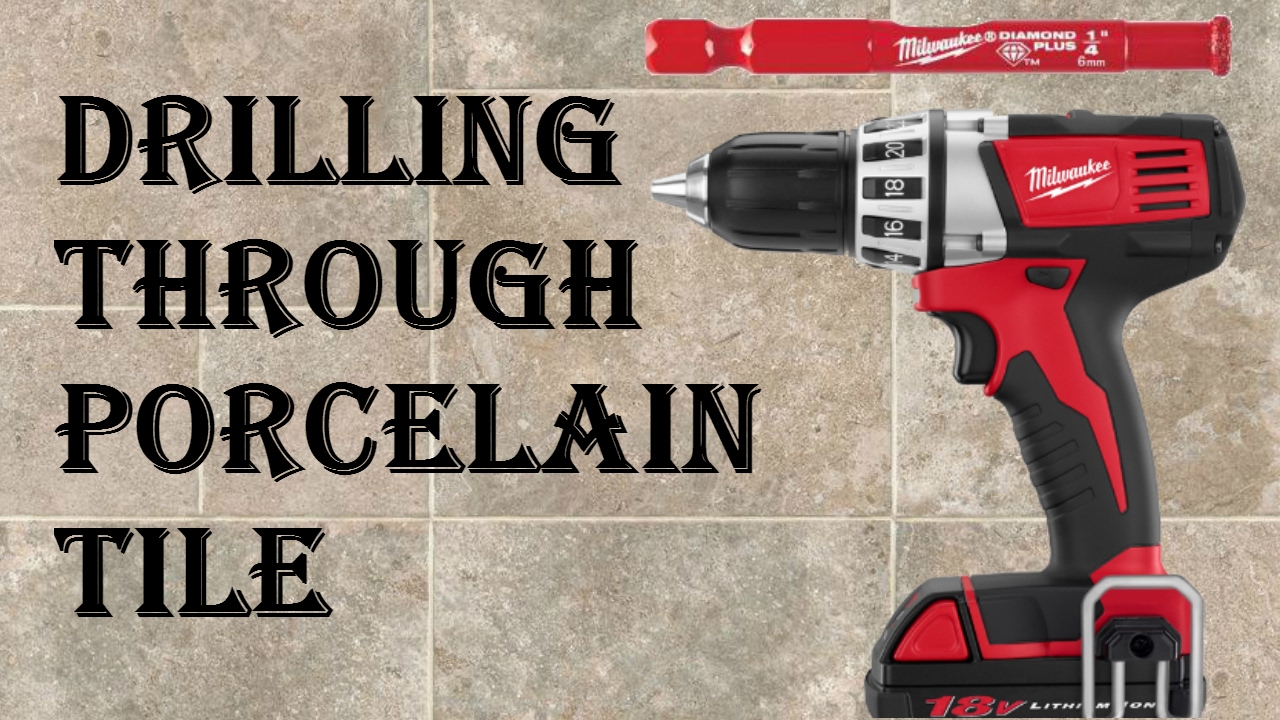
Image Source: i.ytimg.com
Why Drill a Hole in Porcelain Tile?
There are several common reasons why you might need to drill a hole in porcelain tile:
- Installing Fixtures: Hanging shelves, towel racks, soap dispensers, or light fixtures often requires drilling through tiles.
- Plumbing and Electrical: Running pipes, wires, or installing outlets might necessitate holes.
- Decorative Elements: Adding decorative hooks or creating unique designs can involve drilling.
- Customization: Cutting out openings for countertops or backsplashes.
Essential Tools for Drilling Porcelain Tile
Successfully drilling into porcelain tile depends heavily on using the correct tools. Using the wrong tools can lead to shattered tiles, damaged bits, and frustration.
The Right Drill Bit: Your Most Important Tool
The type of drill bit you use is paramount when it comes to porcelain tile drilling. Standard wood or metal drill bits will simply not work.
- Diamond Drill Bit: This is the gold standard for drilling hard materials like porcelain tile, glass, and stone. The cutting edge of a diamond drill bit is embedded with industrial diamonds, which are the hardest known natural material. This allows them to grind through dense surfaces effectively. They are often referred to as “glass and tile drill bit” types, signifying their suitability for these materials.
- Carbide-Tipped Masonry Bits: While not as effective as diamond bits for porcelain, high-quality carbide-tipped bits specifically designed for tile can work for very small holes and on less dense porcelain. However, they wear out much faster and are more prone to overheating and chipping. For consistent, clean results, diamond is the preferred choice.
Other Necessary Tools and Supplies
Beyond the drill bit, you’ll need a few other items to ensure a safe and successful drilling operation:
- Drill: A variable-speed drill is highly recommended. Cordless drills are convenient, but a corded drill often provides more consistent power and speed control.
- Water Source (for Wet Drilling): A spray bottle filled with water, or a continuous water supply if doing extensive work.
- Masking Tape or Painter’s Tape: This helps prevent the drill bit from wandering when you start drilling and can reduce surface chipping.
- Safety Glasses: Essential for protecting your eyes from flying debris.
- Gloves: To improve grip and protect your hands.
- Pencil or Marker: For marking the drilling location.
- Sponge or Cloth: For wiping away dust and cooling the drill bit.
- Vacuum Cleaner: To clean up dust and debris.
- Level: To ensure your hole is straight.
- Center Punch (Optional but Recommended): Helps to create a starting point for the drill bit.
Preparing the Porcelain Tile for Drilling
Proper preparation is key to a successful porcelain tile drilling experience. This minimizes the risk of the tile cracking or the bit slipping.
Choosing the Right Location
- Avoid Edges and Corners: Drilling too close to the edge or a corner significantly increases the risk of the tile breaking. Aim for the center of the tile or a point well away from any edges.
- Consider Grout Lines: If possible, try to align your drilling with a grout line, or at least be mindful of its proximity. Drilling directly on a grout line can be easier and less likely to cause chipping.
Marking the Drilling Point
- Clean the Surface: Ensure the area where you plan to drill is clean and free of dirt or debris.
- Apply Tape: Place a piece of masking tape or painter’s tape over the spot where you intend to drill. This provides a stable surface for the drill bit to start on.
- Mark the Center: Using a pencil or marker, mark the exact center of the hole you need to drill on top of the tape.
- Use a Center Punch (Optional): If you have a center punch, gently tap it on your mark. This creates a small indentation that will help guide the drill bit and prevent it from wandering.
Securing the Porcelain Tile
For loose tiles, ensuring they are stable is crucial for accurate and safe drilling.
- For Tiles Already Installed: If the tile is already fixed in place, you’re usually good to go, provided it’s stable. However, if you’re drilling into a spare tile or a piece that might shift, you need to secure it.
- For Loose Tiles:
- Clamps: Use clamps to hold the tile firmly to a workbench or sturdy surface.
- Wood Blocks: Place wood blocks underneath and around the tile to support it and prevent it from moving during drilling.
The Drilling Process: Step-by-Step
Now that your tile is prepped and your tools are ready, you can begin the actual drilling.
Step 1: Setting Up Your Drill
- Insert the Diamond Drill Bit: Securely place the diamond drill bit into your drill’s chuck.
- Set the Drill Speed: This is a critical step. You need a slow drill speed. High speeds generate excessive heat, which can damage the bit and the tile, leading to chipping or cracking. Aim for the lowest speed setting your drill offers. Most drills have a speed selector. For porcelain tile drilling, think of it as a slow, steady grind rather than a fast cut.
Step 2: Starting the Hole
- Initial Contact: Position the tip of the drill bit precisely on your marked spot.
- Gentle Pressure: Apply very light, consistent pressure to start.
- Pilot Hole: Some prefer to start with a very small pilot hole, especially for larger diameter holes. This can help guide the larger bit. However, with a good quality diamond bit and the correct technique, you can often drill directly to the desired size. If creating a pilot hole, use a very small diamond bit first.
Step 3: Drilling and Cooling (Wet Drilling)
This is where the magic happens, and where careful technique prevents disaster.
- The Importance of Cooling: Porcelain tile and diamond drill bits generate significant heat during drilling. Heat is the enemy – it can cause the tile to crack, damage the bit’s diamond coating, and make the process much harder. This is why wet drilling is highly recommended.
- Wet Drilling Technique:
- Spray Water: Continuously spray water onto the drilling area. A spray bottle is perfect for this. You want to keep the area around the bit wet.
- Water Bath (for Floor Tiles): If drilling a hole in a tile that’s already installed on the floor, you can create a small dam around the drilling area using plumber’s putty or silicone caulk to hold a small pool of water.
- Cooling Intervals: Even with spraying, pause every 30 seconds to a minute. Lift the drill bit slightly out of the hole (while it’s still spinning) to allow water to flush out debris and cool the bit.
- Drilling Motion:
- Keep it Steady: Maintain a steady, controlled pressure. Don’t force the drill. Let the diamond bit do the work.
- Drill Straight: Try to keep the drill bit perpendicular (straight up and down) to the tile surface. Tilting can cause the bit to bind or chip the edges.
- Clear Debris: Periodically pull the drill bit out of the hole while it’s still spinning. This allows water to flush out the slurry of tile dust and water, preventing the hole from getting clogged and the bit from overheating.
Step 4: Completing the Hole
- Approaching the Back: As you get close to breaking through the other side of the tile, reduce the pressure even further.
- Watch for Breakthrough: The moment the drill bit pokes through the back, ease up on the pressure immediately. You don’t want the drill bit to catch on the edge of the hole on the backside, which can cause chipping or a jagged edge.
- Clean Up: Once the hole is complete, turn off the drill. Carefully remove the bit from the hole. Clean the area with a sponge or cloth to remove the slurry.
Troubleshooting Common Issues
Even with the best preparation, you might encounter a few snags. Here’s how to address them:
- Drill Bit Slipping:
- Cause: The surface isn’t prepped, or no pilot point was made.
- Solution: Ensure you’ve applied tape and used a center punch if possible. Start with very light pressure.
- Overheating:
- Cause: Drilling too fast, not enough cooling.
- Solution: Immediately reduce drill speed. Increase the frequency of spraying water and pausing for cooling.
- Chipping:
- Cause: Drilling too fast, too much pressure, not enough cooling, or breakthrough too rough.
- Solution: Slow down, ease up on pressure, ensure constant cooling, and be extra gentle as you break through. If minor chipping occurs, it can sometimes be smoothed with fine-grit sandpaper.
- Tile Cracking:
- Cause: Excessive heat, too much pressure, drilling too close to an edge, or a faulty tile.
- Solution: This is usually irreversible. Always have a spare tile on hand.
Advanced Techniques and Considerations
For larger holes or more intricate cuts, consider these points.
Using a Hole Saw Attachment
For larger diameter holes (e.g., for pipes), a diamond-coated hole saw is an excellent alternative to a standard drill bit. These look like cylindrical saws with diamond grit on the cutting edge.
- How to Use: Attach the hole saw to your drill. Apply water for cooling. Start at a slow speed, letting the teeth of the hole saw gradually bite into the tile. Maintain consistent pressure and keep the area wet.
- Benefits: Often provides a cleaner cut for larger diameters compared to trying to use a small bit and widening it repeatedly.
Tile Cutting Tools for Complex Shapes
While this guide focuses on drilling holes, for more complex cutouts or shapes, you might need other specialized tile cutting tools:
- Angle Grinder with Diamond Blade: Useful for straight cuts or larger curved cuts, but requires significant skill and dust control.
- Tile Saw: For precise straight and miter cuts.
- Jigsaw with a Diamond Blade: Can be used for intricate curves and shapes, but requires slow speeds and careful maneuvering.
Advanced Wet Drilling Setups
For professionals or those doing extensive porcelain tile drilling, more sophisticated wet drilling setups exist:
- Drill Press with Water Feed: A drill press offers greater stability and control, and a water feed system can provide a constant flow of coolant.
- Specialized Wet Drilling Rigs: These are professional tools designed specifically for drilling large holes in hard materials with integrated water cooling.
Safety First: Always Prioritize Protection
Drilling, even into seemingly mundane materials like tile, requires a commitment to safety.
- Eye Protection: Never drill without safety glasses. Small shards of porcelain can fly off with surprising force.
- Dust Inhalation: While wet drilling minimizes dust, always be aware of the potential for silica dust, which can be harmful if inhaled over long periods. Consider a mask if working in a poorly ventilated area, even with wet drilling.
- Electrical Safety: Keep your drill and cords away from water. Ensure you are not drilling into electrical conduits or plumbing. If unsure, consult a professional.
- Stable Work Surface: Always ensure the tile and your drill are on a stable surface. A slipping drill can cause injury or damage.
Frequently Asked Questions About Drilling Porcelain Tile
Here are answers to some common questions people have about drilling porcelain tile:
Q1: Can I use a regular drill bit for porcelain tile?
A1: No, you absolutely cannot. Regular drill bits (for wood or metal) are not designed for the hardness of porcelain tile. They will dull instantly, overheat, and likely crack the tile. You must use a specialized bit, ideally a diamond drill bit.
Q2: What is the best drill bit for porcelain tile?
A2: The best drill bit for porcelain tile is a diamond drill bit. These are specifically engineered to grind through very hard materials like porcelain, glass, and stone.
Q3: How do I prevent porcelain tile from cracking when drilling?
A3: Prevention is key. Use a diamond drill bit, set your drill to a slow speed, apply steady but light pressure, keep the drilling area cool with water (wet drilling), and avoid drilling too close to the edges or corners.
Q4: What is the purpose of tape when drilling tile?
A4: The tape provides a surface for the drill bit to grip onto initially, preventing it from wandering or “walking” across the smooth tile surface. It also helps to reduce minor surface chipping.
Q5: Is wet drilling necessary for porcelain tile?
A5: While not strictly mandatory for very small holes, wet drilling is highly recommended and significantly improves the chances of a successful, clean drill. Water acts as a coolant, preventing overheating and reducing the risk of the tile cracking.
Q6: How deep do I need to drill into the tile?
A6: Drill only as deep as necessary to pass through the tile. For mounting fixtures, follow the screw or anchor manufacturer’s depth recommendations.
Q7: What if my hole has rough edges?
A7: Minor roughness or chipping can often be smoothed out gently using a fine-grit sandpaper or a diamond honing stone. Always do this wet to minimize dust.
Q8: Can I drill holes in porcelain tile that is already installed?
A8: Yes, you can. The process is the same, but you need to be extra careful about securing the tile and managing water to avoid damaging surrounding surfaces or creating electrical hazards.
Conclusion
Drilling a hole in porcelain tile safely and effectively is an achievable task for any DIYer or professional. By investing in the right equipment, particularly a quality diamond drill bit, and adhering to the techniques outlined in this tile drilling guide – including slow drill speed, proper cooling with wet drilling, and careful pressure application – you can create precise holes without damaging your beautiful porcelain surfaces. Remember to always prioritize safety by wearing protective gear and being mindful of your surroundings. With these expert tips, you’re well-equipped to tackle your next porcelain tile drilling project with confidence.