
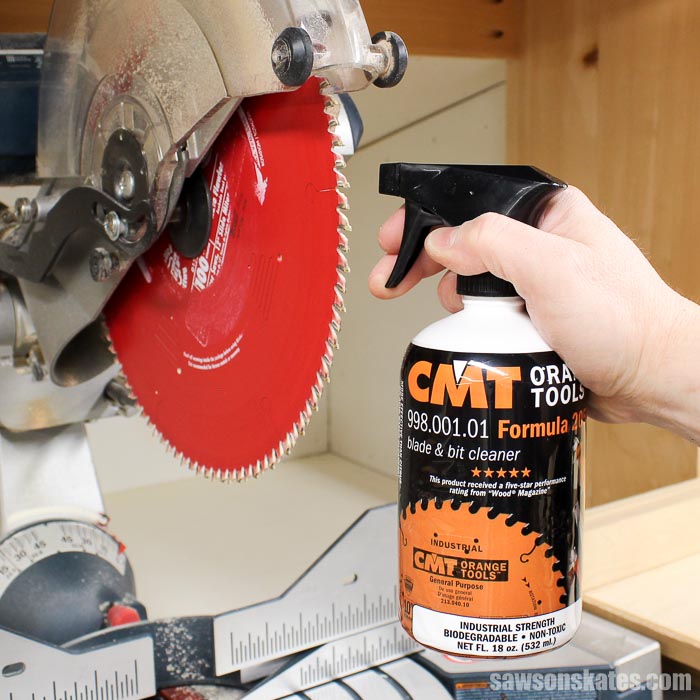
Image Source: sawsonskates.com
How to Clean a Saw Blade: Simple Step-by-Step Guide
What is the best way to clean a saw blade? The best way to clean a saw blade involves a combination of degreasing, rust removal if needed, and proper drying to ensure optimal performance and longevity. Can I clean a saw blade with household cleaners? Yes, you can use common household cleaners like dish soap or vinegar, but specialized saw blade cleaners often provide more effective results for tougher grime. Who is saw blade cleaning for? Saw blade cleaning is for anyone who uses saws, from DIY enthusiasts to professional woodworkers, as regular saw blade maintenance is crucial for safety and efficiency.
Dirty saw blades can make your cutting tasks much harder and less precise. Sawdust, sap, pitch, and even rust can build up on the teeth, reducing the blade’s sharpness and causing it to bind or cut unevenly. This guide will walk you through various saw blade cleaning methods to keep your blades in top condition, whether you clean a circular saw blade or a clean table saw blade.
Why Cleaning Your Saw Blades Matters
Regular saw blade maintenance isn’t just about aesthetics; it’s vital for several practical reasons:
- Improved Cutting Performance: A clean blade cuts through wood more smoothly and efficiently. Buildup can cause friction, leading to rough cuts, burn marks, and a greater chance of kickback.
- Extended Blade Life: Preventing rust and grime buildup helps your blades last longer. Corrosion can weaken the metal, and stubborn residue can be harder to remove the longer it sits.
- Enhanced Safety: A dull or gummed-up blade is more likely to bind in the wood, increasing the risk of kickback. Kickback is when the wood is violently thrown back towards the operator, which can cause serious injury.
- Reduced Effort: Cutting with a clean blade requires less force, meaning less strain on your tools and less physical effort for you.
Identifying the Types of Saw Blade Buildup
Before you start cleaning, it’s helpful to know what you’re dealing with. Common types of buildup include:
- Sawdust and Wood Fines: This is the most common type of residue, a fine powder that can accumulate over time.
- Pitch and Sap: Resinous woods like pine and cedar leave sticky residues that harden on the blade, hindering smooth cutting.
- Grease and Oil: Sometimes, blades can pick up grease from machinery or handling.
- Rust: If blades are stored in damp conditions, rust can form on the metal, reducing their sharpness and structural integrity.
Essential Tools and Supplies for Saw Blade Cleaning
Gathering the right supplies before you begin will make the process smoother and more effective. Here’s a list of items you might need:
- Gloves: Protect your hands from chemicals and sharp edges.
- Safety Glasses: Crucial for protecting your eyes from flying debris or cleaning solutions.
- Cleaning Brushes: Stiff brushes (like brass or nylon brushes) are excellent for scrubbing away grime. An old toothbrush can be useful for tight spots.
- Rags or Paper Towels: For wiping and drying the blade.
- Saw Blade Cleaning Solutions:
- Degreaser: A dedicated saw blade degreaser is very effective for pitch and sap. You can also use oven cleaner (with caution) or strong dish soap.
- Vinegar: A mild acid, good for light rust and general cleaning.
- Baking Soda Paste: A gentle abrasive that can help scrub away residue.
- Commercial Blade Cleaners: Many brands offer specialized solutions formulated for saw blades.
- Water: For rinsing.
- Optional for Rust Removal:
- Fine Steel Wool: For light rust.
- Rust Remover Solution: For more stubborn rust.
- Lubricant/Protectant: A light oil (like WD-40 or a specialized blade protectant) to prevent future rust.
Safe Handling of Saw Blades
Safety is paramount when dealing with sharp blades. Always follow these precautions:
- Disconnect Power: Ensure the saw is unplugged from the power source before attempting to remove or clean the blade.
- Wear Protective Gear: Always wear safety glasses and gloves.
- Secure the Blade: If you’re cleaning the blade while it’s off the saw, place it on a stable surface. Avoid holding it directly in your hand while scrubbing vigorously.
- Handle with Care: Even when cleaning, the teeth are extremely sharp.
Step-by-Step Saw Blade Cleaning Methods
Here are several effective saw blade cleaning methods you can use, depending on the type and severity of the buildup.
Method 1: General Cleaning (Sawdust and Light Grime)
This is your go-to method for regular maintenance.
- Remove the Blade: Safely disconnect your saw’s power. Consult your saw’s manual for specific instructions on how to remove the blade.
- Initial Dust Removal: Use a stiff brush or compressed air to remove as much loose sawdust and debris as possible.
- Prepare Cleaning Solution: Mix a solution of warm water and a few drops of dish soap in a container. Alternatively, use a vinegar and water solution (50/50 mix).
- Soak the Blade: Submerge the blade in the cleaning solution for about 10-20 minutes. This helps to loosen the grime.
- Scrub the Blade:
- Wearing gloves, carefully remove the blade from the solution.
- Use a stiff brush (nylon or brass is recommended, avoid steel wool for general cleaning unless you intend to deal with rust) to scrub both sides of the blade and around the teeth. Pay attention to the gullets (the spaces between the teeth) where sawdust tends to accumulate.
- An old toothbrush is excellent for getting into the small areas between the teeth.
- Rinse Thoroughly: Rinse the blade under clean, running water to remove all soap residue and loosened grime.
- Dry Completely: This is a critical step. Use a clean rag or paper towels to dry the blade thoroughly. Ensure no moisture remains, especially in the teeth and the center hole, to prevent rust. You can also let it air dry for a while, but a quick towel dry is best.
- Inspect: Check the blade for any remaining residue or signs of rust. Repeat cleaning if necessary.
Method 2: Tackling Pitch and Sap Buildup
Pitch and sap can be particularly stubborn. A good saw blade degreaser is often the most effective solution here.
- Remove and Prepare: Follow steps 1 and 2 from Method 1 (remove blade, initial dust removal).
- Apply Degreaser:
- Commercial Degreaser: Spray a dedicated saw blade degreaser liberally onto both sides of the blade, ensuring it coats all the affected areas. Let it sit for the time recommended by the product manufacturer (usually 5-15 minutes).
- Oven Cleaner: If you don’t have a commercial degreaser, oven cleaner can be a powerful alternative. Use with extreme caution. Spray a thin, even layer onto the blade, ensuring good ventilation. Let it sit for only 5-10 minutes, as it can be aggressive.
- Strong Dish Soap: For less severe buildup, a concentrated solution of strong dish soap and hot water can also work.
- Scrub Vigorously: After the degreaser has had time to work, use a stiff brush to scrub away the loosened pitch and sap. You might need to apply a bit more pressure for this type of buildup. Get into all the nooks and crannies.
- Rinse Thoroughly: Rinse the blade extremely well under hot running water to remove all traces of the degreaser and dissolved gunk.
- Dry Completely: As always, dry the blade immediately and thoroughly with a clean rag.
- Inspect and Repeat if Necessary: Check for any remaining sticky residue. If some remains, repeat the degreaser application and scrubbing process.
Method 3: How to Remove Rust from a Saw Blade
Rust degrades your blade and reduces its cutting ability. This method focuses on rust removal.
- Remove and Prepare: Safely remove the blade and brush off any loose debris.
- Choose Your Rust Remover:
- Vinegar Soak: For light to moderate rust, a vinegar soak is effective. Place the blade in a container with undiluted white vinegar. Let it soak for a few hours, or even overnight for tougher rust. Check periodically.
- Baking Soda Paste: Mix baking soda with a little water to form a thick paste. Apply this paste to the rusted areas. Let it sit for 30 minutes to an hour.
- Commercial Rust Remover: For heavy rust, a dedicated rust remover product may be necessary. Follow the product’s instructions carefully.
- Scrub the Rust:
- Vinegar Soak: After soaking, use a stiff brush or fine steel wool to scrub away the loosened rust.
- Baking Soda Paste: Use a brush or a soft cloth to scrub the paste into the rusted areas.
- Commercial Rust Remover: Follow the product’s specific instructions for scrubbing.
- Rinse and Neutralize (if using acid-based removers): Rinse the blade thoroughly with water. If you used vinegar or another acidic rust remover, it’s a good idea to neutralize any residual acid by rinsing the blade with a baking soda and water solution. Then, rinse again with plain water.
- Dry Immediately and Completely: Do not let the blade air dry after rust removal, as it can flash rust very quickly. Dry it thoroughly with a clean rag.
- Protect the Blade: Once clean and dry, apply a very light coat of oil (like WD-40 or a specific blade protectant) to prevent future rust. Wipe off any excess oil.
Specifics for Different Saw Types
While the general principles remain the same, there are slight considerations when you clean circular saw blade or clean table saw blade.
Cleaning a Circular Saw Blade
Circular saw blades can accumulate a lot of pitch and sawdust, especially when cutting softwoods. The process is straightforward:
- Removal: Ensure the saw is unplugged. Locate the arbor nut and washers that hold the blade in place. You’ll likely need a wrench or socket set to loosen and remove them. Note the order of washers for correct reassembly.
- Cleaning: Follow Method 1 or Method 2 above, depending on the buildup. Pay close attention to cleaning saw teeth as these are the primary cutting surfaces.
- Reassembly: Ensure the blade is mounted in the correct direction (check for an arrow indicating the direction of rotation). Reinstall the washers and arbor nut, tightening them securely.
Cleaning a Table Saw Blade
Table saw blades are often larger and can be more difficult to handle.
- Removal: Always unplug the table saw. Raise the blade to its highest position. You’ll typically need a specific wrench or socket to loosen the arbor nut. Some table saws have a locking mechanism to hold the arbor still while you loosen the nut.
- Cleaning: Due to their size and potential for heavy buildup, you might opt for a longer soak or a more potent degreaser. Method 2 is often ideal for table saw blades. If you’re dealing with extensive pitch, a dedicated saw blade degreaser is highly recommended.
- Reassembly: Ensure the blade is installed with the correct side facing up and the rotation arrow matches the saw’s direction. Tighten the arbor nut securely. Lower the blade to its normal operating position.
What Not To Do When Cleaning Saw Blades
To avoid damaging your blades or compromising safety, steer clear of these practices:
- Using Harsh Abrasives: Avoid coarse steel wool or sandpaper, as these can scratch the blade’s surface and damage the temper of the metal. This is especially important if you don’t intend to sharpen saw blade afterward.
- Leaving Blades Wet: Never leave a blade to air dry after washing, as it can quickly lead to rust, especially on carbon steel blades.
- Using Inappropriate Chemicals: Avoid strong acids not meant for metal or corrosive solvents that could damage the blade’s coating or temper.
- Forcing Stubborn Residue: If grime won’t budge, soak the blade longer or try a stronger cleaner rather than applying excessive force that could bend or damage the teeth.
- Cleaning While Attached: Never attempt to clean a blade while it is still attached to a powered saw, even if the saw is turned off.
Sharpening Your Saw Blades
Cleaning is a vital part of saw blade maintenance, but it’s not a substitute for sharpening. When a blade becomes dull, cleaning won’t restore its cutting edge.
-
Signs of a Dull Blade:
- Burning wood, even with clean blades.
- Rough or torn cuts.
- The saw struggles to cut through the material.
- The need to push harder than usual.
-
Sharpening Options:
- Professional Sharpening Services: This is often the best option for most users, as they have specialized equipment to maintain the correct tooth geometry.
- Diamond Files or Sharpening Stones: For DIY sharpening, you can use specialized files or stones. This requires skill to maintain the correct angle and depth for each tooth. It’s a delicate process that can easily damage the blade if done incorrectly, so it’s best reserved for those with experience or after thorough research on how to sharpen saw blade properly.
Storing Your Clean Saw Blades
Proper storage is crucial for preventing damage and rust between uses.
- Keep Them Dry: Store blades in a dry environment. Avoid damp basements or garages if possible.
- Blade Cases: Use blade cases or sleeves to protect the teeth from damage and prevent accidental cuts.
- Light Lubrication: For longer-term storage, especially for carbon steel blades, a very light coat of oil can help prevent rust. Wipe off excess oil before using the blade again.
- Organized Storage: Keep your blades organized so you know which ones are clean and ready for use.
Frequently Asked Questions (FAQ)
Q1: How often should I clean my saw blades?
A1: It depends on how often you use them and what materials you cut. A good rule of thumb is to clean them after every few hours of heavy use, or whenever you notice a decrease in cutting performance, buildup, or burn marks on your wood.
Q2: Can I use brake cleaner to clean a saw blade?
A2: Brake cleaner is a strong degreaser and can be effective for removing pitch and sap. However, use it in a well-ventilated area and wear appropriate protective gear, as it contains harsh chemicals. Ensure you rinse the blade thoroughly afterward.
Q3: My blade has light surface rust. What’s the easiest way to remove it?
A3: For light surface rust, a soak in white vinegar for a few hours followed by scrubbing with a stiff brush or fine steel wool is usually sufficient. Remember to dry it immediately and thoroughly, and apply a light oil.
Q4: Do I need to clean carbide-tipped blades differently?
A4: Carbide-tipped blades are generally more resistant to corrosion, but the carbide tips themselves can still accumulate pitch and resin. The cleaning methods described above work well. The main difference is that the carbide tips are harder and less likely to be damaged by light abrasives if you need to scrub them.
Q5: What is the best way to clean saw teeth?
A5: The best way to clean saw teeth is by using a stiff brush (nylon or brass) or an old toothbrush after soaking the blade in a cleaning solution or applying a degreaser. Getting into the gullets (the spaces between teeth) is especially important for efficient cutting.
Q6: Will cleaning my saw blade improve the cut quality?
A6: Yes, a clean blade will cut much more smoothly and precisely. Buildup on the teeth creates friction, leading to rough cuts, burning, and increased risk of kickback. Keeping your blades clean is a fundamental aspect of achieving high-quality cuts.
By following these detailed methods and safety precautions, you can effectively clean your saw blades, ensuring they perform at their best and last for many projects to come. Regular saw blade maintenance, including thorough cleaning, is an investment in your tools, your projects, and your safety.