
Can you easily remove a drill bit from a Black + Decker drill? Yes, you can! This guide will walk you through the simple steps to change a drill bit on your Black + Decker drill, whether it’s a corded or cordless model. We’ll cover how to release the drill bit Black + Decker models, even if it feels stuck, and how to replace the drill bit Black + Decker with a new one. If you’re wondering about chuck removal Black + Decker drill components, we’ll touch on that too, though it’s rarely needed for simple bit changes. This guide aims to help you get a stuck drill bit out of your Black + Decker with ease.
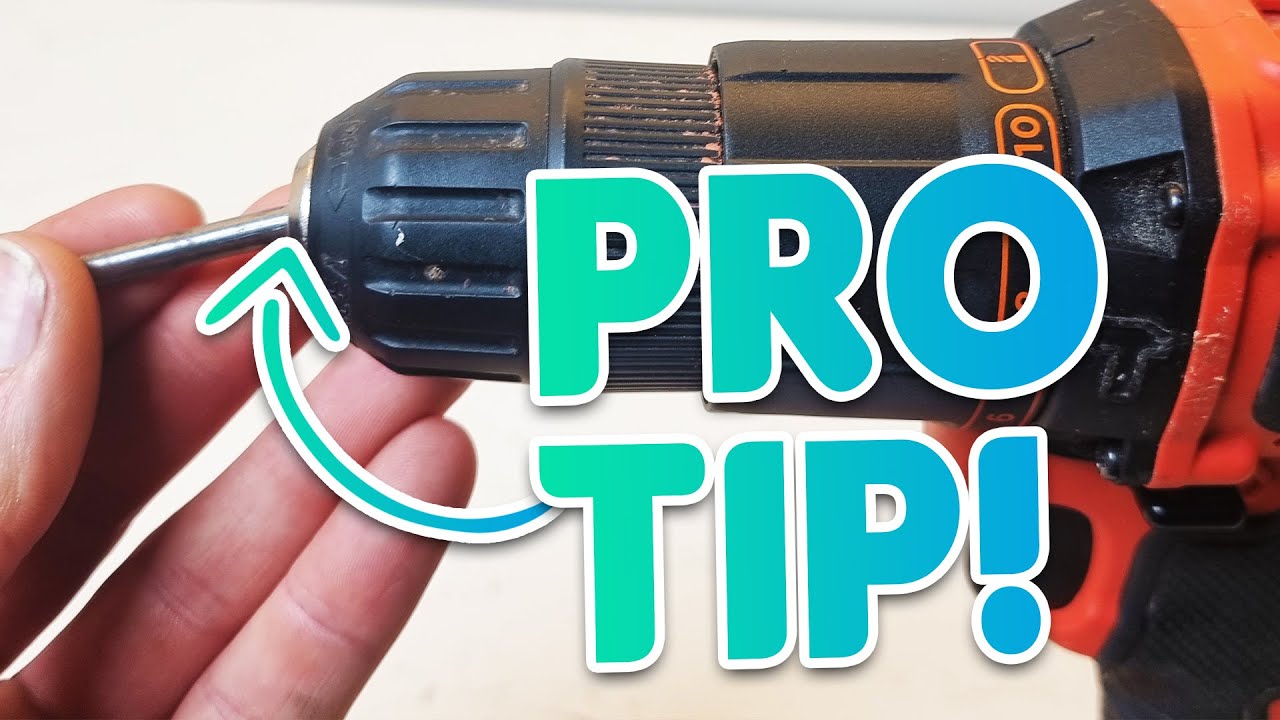
Image Source: i.ytimg.com
Your Black + Decker Drill Bit: The Basics
Drill bits are the essential tools that make your drill capable of drilling holes. They come in many shapes and sizes for different materials like wood, metal, and plastic. Keeping your drill bit changing process smooth ensures you can tackle any project efficiently. Knowing how to properly change a drill bit Black + Decker is a fundamental skill for any DIY enthusiast.
Types of Black + Decker Drill Chucks
Most Black + Decker drills use a keyless chuck. This means you don’t need a separate key to tighten or loosen the drill bit. The chuck itself has jaws that grip the bit securely.
- Keyless Chucks: These are the most common type. They have a sleeve that you twist to open and close the jaws. This makes changing bits quick and convenient.
Why Drill Bits Get Stuck
Sometimes, a drill bit can become jammed in your Black + Decker drill. This can happen for several reasons:
- Over-tightening: Twisting the chuck too tight can sometimes make it harder to loosen.
- Debris: Small metal shavings or wood dust can get caught in the chuck jaws.
- Heat Expansion: Drilling for extended periods can heat up the bit and chuck, causing slight expansion.
- Worn Chuck: While less common, a worn-out chuck might not grip or release as effectively.
Don’t worry if you encounter a stubborn drill bit Black + Decker drill; we have solutions for you.
Step-by-Step Guide: How to Remove a Drill Bit from a Black + Decker Drill
Removing a drill bit from your Black + Decker drill is a straightforward process. Follow these steps for a smooth bit change.
Step 1: Safety First!
Before you do anything, always prioritize safety.
- Unplug or Remove Battery: For corded drills, unplug the drill from the power outlet. For cordless drills, remove the battery pack. This is the most crucial step to prevent accidental starting.
- Wear Safety Glasses: Protect your eyes from any stray debris.
Step 2: Locate the Chuck
The chuck is the part at the front of the drill that holds the drill bit. It usually looks like a metal cylinder with ridges or a textured sleeve.
Step 3: Loosen the Chuck
This is where you’ll release the drill bit Black + Decker models.
- Identify the Loosening Direction: Most chucks loosen when you turn the sleeve counter-clockwise (lefty-loosey).
- Grip the Chuck: Firmly grip the rear part of the chuck (the part closer to the drill body) with one hand.
- Twist the Sleeve: With your other hand, grip the front sleeve of the chuck and twist it counter-clockwise. You might need to apply a good amount of pressure.
Tips for Loosening the Chuck
- Two Hands are Better Than One: Use both hands for a stronger grip and better leverage.
- Firm, Steady Pressure: Avoid jerky movements. Apply consistent pressure.
- If it feels tight: Try gripping the chuck with a rubber glove or a piece of cloth for better traction.
Step 4: Remove the Drill Bit
Once the chuck is loosened sufficiently, the jaws will retract, and the drill bit will be free.
- Gently Pull: Pull the drill bit straight out of the chuck. It should slide out easily.
Troubleshooting: How to Get a Stuck Drill Bit Out of a Black + Decker Drill
What do you do if the drill bit won’t budge? Here’s how to remove a stubborn drill bit Black + Decker drill.
Scenario 1: Chuck is Tight, But Bit Comes Out
If the chuck loosens, but the bit still feels stuck inside the jaws, it’s likely due to debris or a tight grip.
- Loosen the Chuck Completely: Continue turning the chuck sleeve counter-clockwise until it feels like it can’t loosen any further.
- Wiggle the Bit: Gently wiggle the drill bit while trying to pull it out.
- Tap Gently: You can try tapping the chuck very gently with the handle of a screwdriver or a rubber mallet. Be careful not to damage the chuck.
- Clean the Chuck: Once the bit is out, inspect the chuck jaws. Use a brush or compressed air to remove any dust, metal shavings, or debris.
Scenario 2: Chuck is Extremely Tight and Won’t Loosen
This is when you need to employ a bit more force and technique to loosen the drill chuck Black + Decker.
- Check for Direction: Double-check you are turning the correct way. Always counter-clockwise to loosen.
- Increase Grip: As mentioned, use a rubber glove or a piece of gripping material.
- Two-Handed Power: Ensure you are using both hands with maximum grip.
- Impact Driver (Use with Caution): For extremely stubborn chucks, some users have reported success by briefly setting an impact driver to its reverse (loosening) setting and giving the chuck a quick, sharp “burst” of torque. This is an advanced technique and should be used with extreme caution as it can damage the chuck if done improperly or too forcefully.
- Penetrating Lubricant (Last Resort): In rare cases, a small amount of penetrating oil (like WD-40) applied sparingly to the chuck threads might help. Ensure you thoroughly clean the chuck afterward before inserting a new bit, as oil can cause slippage. Let it sit for a few minutes, then try loosening again.
Scenario 3: Drill Bit Jammed During Operation
If the drill bit breaks off or gets deeply embedded in your material and you can’t remove the broken piece from the chuck:
- Safety First: Ensure the drill is powered off and the battery is removed.
- Try to Loosen: Attempt to loosen the chuck as described above.
- Use Pliers: If a portion of the broken bit is still sticking out of the chuck, try gripping it firmly with a pair of locking pliers (Vise-Grips) and twisting counter-clockwise.
- Drill Out the Broken Piece (Advanced): If the bit is completely broken flush with the chuck or deeply jammed, you might need to carefully drill out the broken piece with a smaller, harder drill bit. This requires precision and is best left to experienced users.
How to Change a Drill Bit on a Black + Decker Cordless Drill
The process for a Black + Decker cordless drill is identical to a corded one, with the primary difference being the power source.
- Remove the Battery: This is your first and most important step.
- Grip the Chuck: Hold the rear part of the chuck firmly.
- Twist the Sleeve: Turn the front sleeve counter-clockwise.
- Remove the Old Bit: Pull the old bit out.
- Insert the New Bit: Place the shank (the smooth end) of the new drill bit into the open jaws of the chuck.
- Tighten the Chuck: Twist the chuck sleeve clockwise (righty-tighty) until the jaws grip the bit securely. Ensure it’s snug, but don’t overtighten. Give it a final check by trying to twist the bit by hand.
Replacing the Drill Bit Black + Decker: Ensuring a Secure Fit
After you replace the drill bit Black + Decker drill, it’s essential to confirm it’s held tightly.
- Visually Inspect: Make sure the jaws of the chuck are gripping the shank of the bit evenly.
- Gentle Tug Test: With the battery still out, try to wiggle the drill bit. It shouldn’t move or wobble significantly.
- A Quick Spin Test (Optional): Some users like to briefly engage the drill at its lowest speed without pressure on the bit to ensure it’s running true.
Can I Remove the Chuck Itself from a Black + Decker Drill?
While this guide focuses on Black and Decker drill bit removal, you might wonder about chuck removal Black + Decker drill models.
- Generally Not Recommended for Simple Bit Changes: The chuck is typically screwed onto a spindle at the front of the drill. Removing it is usually only necessary for repairs or replacement of the chuck assembly itself.
- How it’s Usually Done: Most chucks are attached with a screw inside the chuck. This screw often has a left-hand thread (meaning you turn it clockwise to loosen). After removing this screw, the chuck can usually be unscrewed from the spindle counter-clockwise.
- Potential for Damage: Attempting to remove the chuck without proper knowledge can damage your drill. If your chuck is faulty, it might be better to seek professional repair or consider replacing the drill.
Table: Common Drill Bit Gripping Issues and Solutions
| Issue | Possible Cause | Solution |
|---|---|---|
| Chuck won’t loosen | Debris in jaws, over-tightened, worn chuck | Ensure correct direction, use better grip, clean chuck, try gentle impact (with caution), penetrating oil. |
| Drill bit wobbles | Bit not seated properly, chuck jaws uneven | Re-seat the bit, ensure chuck is fully open before inserting, tighten evenly. |
| Bit slips during operation | Chuck not tight enough, oily bit/chuck | Tighten chuck more securely, clean bit and chuck, avoid drilling with oily bits. |
| Broken bit stuck in chuck | Bit snapped, shard lodged in jaws | Use pliers to grip protruding piece, drill out carefully if flush (advanced). |
| Chuck feels loose or gritty | Internal wear, dirt accumulation | Clean chuck thoroughly, if persistent consider chuck replacement. |
Maintaining Your Black + Decker Drill for Easy Bit Changes
Preventing future issues with Black and Decker drill bit removal is key.
- Keep it Clean: After each use, especially when working with dusty materials like drywall or wood, take a moment to clean the chuck. Use a small brush or compressed air to blow out any dust or debris.
- Avoid Overtightening: Tighten the chuck until it grips the bit firmly. Over-tightening doesn’t necessarily make it more secure and can make it harder to loosen later.
- Store Properly: Store your drill and bits in a clean, dry environment.
- Use the Right Bit: Ensure the bit you are using is the correct type and size for the job and your drill’s capacity.
Frequently Asked Questions (FAQ)
Q1: How do I know which way to turn the chuck to remove the drill bit?
You generally turn the chuck sleeve counter-clockwise (to the left) to loosen it and remove the drill bit.
Q2: My Black + Decker drill bit is really stuck. What’s the best way to get it out?
First, ensure the battery is removed. Try using a rubber glove or a cloth for better grip on the chuck. Apply firm, steady pressure in the counter-clockwise direction. If it’s still stuck, you can try gently tapping the chuck with a rubber mallet or the handle of a screwdriver, but be careful not to damage it. As a last resort for very stubborn chucks, a brief burst from an impact driver in reverse can work, but this carries a risk of damage.
Q3: Can I take the chuck off my Black + Decker drill?
Yes, it’s possible to remove the chuck from most drills, but it’s not usually necessary for simply changing a bit. The chuck is typically screwed onto the drill’s spindle, often secured by a screw inside the chuck that may have a left-hand thread. If your chuck is damaged, it might need replacement, but it’s a more advanced procedure.
Q4: Why is my drill bit loose even after tightening the chuck?
This could mean the chuck jaws are worn, or there is debris preventing them from gripping the bit properly. Make sure the chuck is clean and try tightening it again, ensuring the bit is seated correctly. If the problem persists, the chuck itself might need to be replaced.
Q5: What if the drill bit broke off inside the chuck?
If a piece of the bit is sticking out, try gripping it with locking pliers (Vise-Grips) and twisting counter-clockwise. If the bit is broken flush or deeper, you might need to carefully drill out the broken piece with a smaller, harder bit, which is an advanced technique.
By following these simple steps and tips, you’ll be able to efficiently change drill bits on your Black + Decker drill and keep your projects moving forward smoothly. Remember to always prioritize safety and keep your tools clean for the best performance.