
Yes, you can drill a brick wall safely and easily with the right tools and techniques. Drilling into brick is a common DIY task, whether you’re hanging shelves, mounting a TV, or installing a curtain rod. While it might seem daunting, with a bit of preparation and the correct approach, you can achieve clean, secure holes without damaging your wall or your drill.
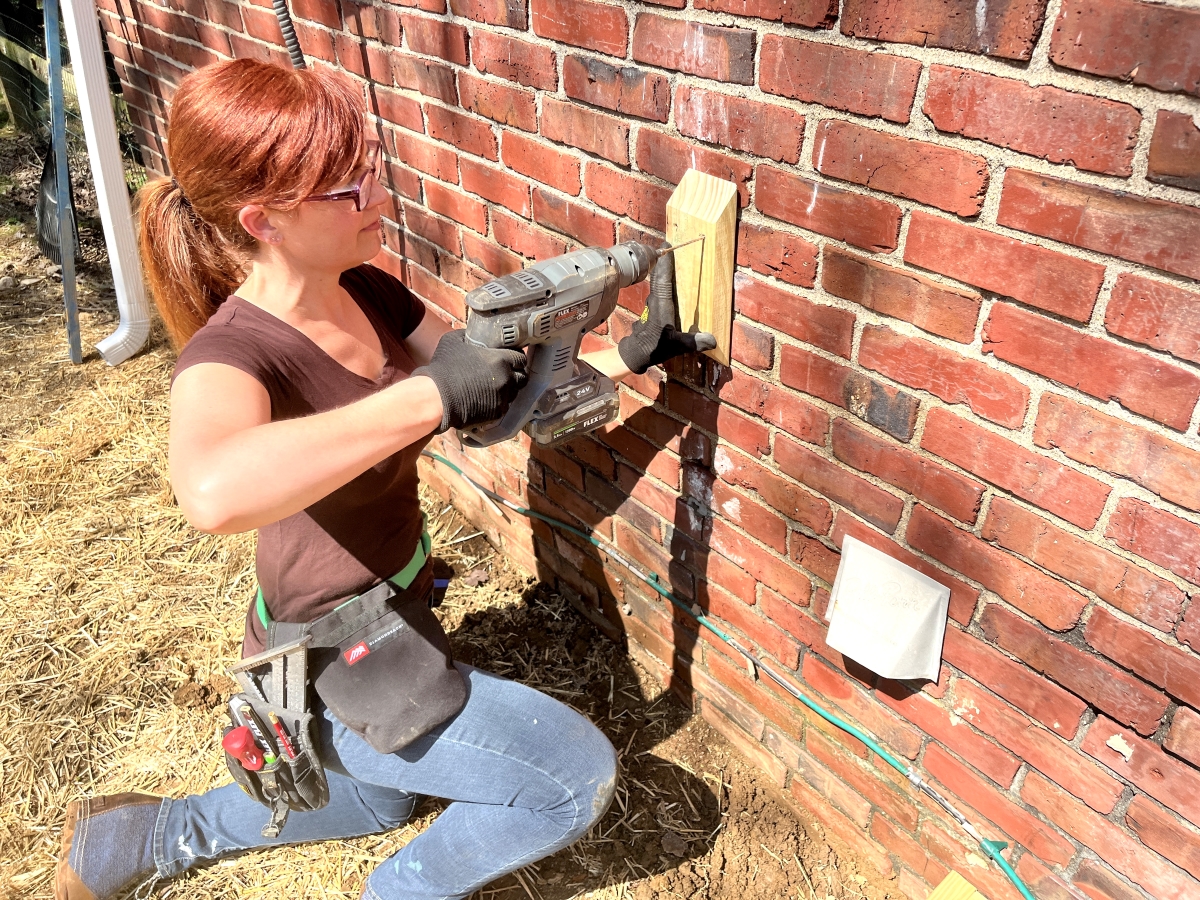
Image Source: www.bobvila.com
Gathering Your Essential Tools and Supplies
Before you even think about drilling, ensure you have everything you need. This makes the process smoother and safer.
The Right Drill for the Job
The most crucial tool is your drill. For brick, a standard power drill brick might struggle and overheat. You need a drill with a hammer drill brick function. This function adds a percussive action to the rotation, essentially hammering the drill bit into the material. This makes drilling through hard surfaces like brick significantly easier and faster.
If you’re drilling multiple holes or dealing with very dense brick, consider an SDS drill brick. SDS (Slotted Drive System) drills are specifically designed for heavy-duty drilling in masonry. They use SDS chucks and bits, which lock securely and transmit more power effectively, reducing user fatigue.
Drill Bits for Brick
You cannot use a regular wood or metal drill bit for brick. You need specialized bits.
- Masonry Bit: These are the standard for drilling into brick and concrete. They have a hardened carbide tip designed to withstand the abrasive nature of masonry. Look for bits specifically labeled for drilling into brick or masonry.
- Concrete Drill Bit: Similar to masonry bits, these are also suitable for brick. They often have a slightly different tip design but achieve the same result.
Tip: Always buy good quality masonry bit or concrete drill bit sets. Cheap bits will dull quickly, making the job much harder and potentially damaging your drill.
Essential Safety Gear
Safety should always be your top priority when drilling.
- Safety Glasses: Brick dust is harmful to your eyes. Always wear sturdy safety glasses.
- Dust Mask: Brick dust contains silica, which is hazardous to inhale. A good quality dust mask is essential.
- Ear Protection: Hammer drills can be loud. Earplugs or earmuffs will protect your hearing.
- Gloves: Protect your hands from splinters or sharp edges.
Other Necessary Supplies
- Pencil or Marker: For marking your drilling spots.
- Measuring Tape: To ensure accurate placement.
- Level: To make sure your holes are straight.
- Vacuum Cleaner or Dustpan and Brush: For brick dust removal.
- Painter’s Tape or Masking Tape: Can help prevent surface chipping and catch some dust.
- Wall Anchors: If you plan to hang something, you’ll need the appropriate brick wall anchor to secure your fixture.
- Optional: Depth Stop: Many drills have this feature, or you can use a piece of tape on the drill bit to mark your desired depth.
Pre-Drilling Preparations
Proper preparation is key to a successful and safe drilling experience.
Marking the Spot
- Measure and Mark: Use your measuring tape and a pencil or marker to mark precisely where you want to drill.
- Check for Obstructions: Before drilling, it’s a good idea to check for hidden electrical wires or pipes. A stud finder with metal/wire detection capabilities can be helpful, though they aren’t always foolproof in brick. If in doubt, especially in older buildings, it’s best to err on the side of caution or consult a professional.
- Use a Level: If you’re drilling multiple holes for something like a shelf, use a level to ensure they are aligned correctly.
- Apply Tape: For a cleaner hole and to minimize surface chipping, place a piece of painter’s tape or masking tape over the marked spot. You can then mark the drilling point on the tape.
Choosing the Right Drill Bit Size
The size of your drill bit should match the size of the screw or anchor you plan to use.
- Pilot Hole Brick: For most screws, you’ll need to drill a pilot hole brick. This is a smaller hole that guides the screw and prevents the brick from cracking. Check the packaging of your screws or anchors for the recommended pilot hole size.
- Anchor Size: If you’re using a brick wall anchor, the anchor’s packaging will specify the required drill bit diameter.
Setting Up Your Workspace
- Clear the Area: Remove any furniture or objects from the drilling zone.
- Protect Surfaces: Lay down drop cloths or old newspapers to catch falling debris and brick dust removal.
- Ventilation: Ensure the area is well-ventilated, especially if you’re not wearing a dust mask.
The Drilling Process: Step-by-Step
Now that you’re prepared, let’s get to the drilling.
Step 1: Select the Correct Drill Setting
- Hammer Function: For your power drill brick, engage the hammer function. This will be indicated by a hammer symbol on your drill.
- Speed Setting: Start with a lower speed setting. You can increase it as you gain confidence and if the brick is particularly hard.
Step 2: Position the Drill Bit
- Place the Tip: Hold the drill perpendicular to the brick surface, with the tip of the masonry bit directly on your mark.
- Initial Contact: Apply gentle, steady pressure to start. You might need to press firmly at first to get the bit to bite into the brick.
Step 3: Drilling the Hole
- Start Slowly: Begin drilling at a slow speed. This helps to create a clean starting point and prevents the bit from wandering.
- Engage Hammer Action: Once the bit has started to bite, engage the hammer function (if it wasn’t already).
- Apply Steady Pressure: Apply consistent, firm pressure. Let the drill do the work. Don’t force it. Forcing the drill can overheat the motor or break the drill bit.
- Clear Debris: Periodically pull the drill bit slightly out of the hole while it’s still spinning. This helps to clear out brick dust removal and prevent the hole from becoming clogged. This is crucial for efficient drilling.
- Monitor Heat: If the drill bit or the drill motor feels excessively hot, stop and let it cool down. Overheating can damage your tools.
- Depth Control: If you have a depth stop or have marked your bit with tape, pay attention to how deep you’re drilling. You want the hole to be slightly deeper than the length of your screw or anchor.
Step 4: Removing the Drill Bit and Cleaning
- Withdraw Carefully: Once you’ve reached the desired depth, switch the drill to reverse and carefully withdraw the bit from the hole.
- Clean the Hole: Use a vacuum cleaner with a crevice tool or a small brush to thoroughly clean out any remaining brick dust removal. A clean hole ensures your anchor or screw will fit properly and securely.
Using Anchors and Fasteners
After drilling, you’ll likely need to insert an anchor or screw.
Inserting a Brick Wall Anchor
If you’re using a brick wall anchor, insert it into the clean hole. You might need to tap it gently with a hammer to seat it fully. Make sure it’s flush with the brick surface.
Fastening Your Item
Now, you can drive your screw into the anchor or directly into the pilot hole brick if you’re not using an anchor.
- Use the Right Screw: Ensure your screw is the correct length and type for the job.
- Power Drill Setting: For driving screws, you’ll want to switch your drill from hammer mode to regular drilling mode. Use a lower speed setting and torque if your drill has it, to avoid stripping the screw head or damaging the anchor.
Specific Drilling Techniques for Brick
Different types of brick and your drilling needs might require slight variations in technique.
Drilling Into Soft Brick
Soft or older bricks can be more crumbly.
- Lower Speed: Use a lower speed setting on your drill.
- Less Hammer Action: Reduce the hammer action or even turn it off initially.
- Gentle Pressure: Apply less pressure to avoid breaking the brick.
- Smaller Pilot Holes: Consider slightly smaller pilot holes to avoid stress.
Drilling Into Hard Brick or Mortar Joints
Harder bricks or drilling directly into mortar joints can be more challenging.
- SDS Drill: An SDS drill brick is ideal for this.
- Higher Speed (with caution): You might be able to use a slightly higher speed, but monitor heat.
- Sharper Bits: Ensure your masonry bit is sharp.
- Mortar vs. Brick: Mortar is often softer than brick. Drilling into the mortar joint can sometimes be easier.
Drilling Larger Holes
For larger holes, such as those needed for cable entry or larger fixings, you might need a different approach:
- Start with a Smaller Bit: Drill a pilot hole with a smaller masonry bit.
- Enlarge Gradually: Use progressively larger concrete drill bit sizes until you reach the desired diameter.
- Core Drills: For very large or precise holes, a core drill bit is the best option. These are typically used with a rotary hammer drill (a more powerful version of a hammer drill).
Troubleshooting Common Drilling Issues
Even with preparation, you might encounter problems.
Drill Bit Gets Stuck
- Problem: The drill bit jams in the hole.
- Solution: Turn off the drill. Try backing the bit out slowly in reverse. If it’s really stuck, you might need to gently wiggle it or use pliers to grip the bit. Ensure you weren’t drilling too fast or applying too much pressure.
Drill Bit Wanders
- Problem: The drill bit slides on the surface before biting.
- Solution: Ensure you’re holding the drill firmly and perpendicular to the wall. Start at a very slow speed. Sometimes, making a small indentation with a nail punch at the starting point can help guide the bit.
Excessive Dust
- Problem: A lot of brick dust removal is being generated.
- Solution: Ensure you’re using a dust mask. Periodically retract the spinning bit from the hole to clear debris. You can also try holding a vacuum cleaner hose near the drilling point to catch dust as it’s produced. Some drill bits have dust collection features.
Overheating Drill
- Problem: Your drill or bit is getting too hot.
- Solution: Stop drilling and let the tool cool down. Reduce the drilling pressure and speed. Make sure you’re clearing debris frequently to prevent the bit from binding.
Table: Recommended Drill Settings for Brick
| Drill Type | Hammer Function | Speed Setting | Pressure | Bit Maintenance |
|---|---|---|---|---|
| Power Drill Brick | Enabled | Medium | Steady and firm | Clear debris often |
| SDS Drill Brick | Enabled | Medium-High | Firm but controlled | Use sharp bits |
| Standard Drill | Disabled | Low-Medium | Slow and steady | Not recommended for brick |
Note: Always consult your drill’s manual for specific settings and recommendations.
Maintaining Your Tools for Brick Drilling
To ensure your tools last and perform well, follow these maintenance tips:
- Clean Your Drill Bits: After use, clean off any dust or debris from your masonry bit. A wire brush can be useful.
- Inspect Bits: Check for signs of wear on the carbide tip. Dull bits will make drilling much harder and can damage your drill. Replace worn bits promptly.
- Clean Your Drill: Brush away any accumulated dust from the exterior and vents of your drill. Store it in a dry place.
- SDS Chuck Care: If you use an SDS drill, keep the chuck clean and lubricated according to the manufacturer’s instructions.
Frequently Asked Questions (FAQ)
Can I drill into brick with a regular drill?
While you can try, it’s highly not recommended. A regular drill lacks the hammer action needed to efficiently break through the hard material of brick. You’ll likely overheat and burn out your drill, and the process will be very slow and ineffective. Always use a drill with a hammer function or an SDS drill for brick.
What is the best drill bit for brick?
The best drill bit for brick is a masonry bit or a concrete drill bit with a carbide tip. These are specifically designed to withstand the abrasive nature of brick and masonry.
How deep should I drill a pilot hole in brick?
A pilot hole brick should generally be as deep as the screw or anchor you intend to use, plus a little extra to ensure the fastener is fully seated. Check the packaging of your screws or anchors for specific depth recommendations.
Do I need a hammer drill to drill into brick?
Yes, a hammer drill brick is strongly recommended for drilling into brick. The hammer action provides the necessary percussive force to break through the material effectively and efficiently. A standard drill will struggle immensely.
How do I avoid chipping the brick when drilling?
To minimize chipping, start drilling at a slow speed, apply steady pressure, and use painter’s tape over the drilling spot. Periodically retracting the spinning bit from the hole can also help clear dust and reduce friction, which often causes chipping.
What is a brick wall anchor used for?
A brick wall anchor is used to provide a secure fixing point in brick or masonry. Because brick is brittle and not as dense as solid wood, screws driven directly into it may not hold securely over time. Anchors expand or wedge into the hole, creating a strong grip for hanging shelves, cabinets, or other items.
By following these detailed steps and employing the correct drilling techniques brick, you can confidently and safely drill into brick walls for your DIY projects. Remember to prioritize safety, use the right tools, and take your time for the best results.