
Can you use a regular drill bit on concrete? No, you cannot use a standard drill bit on concrete or other masonry materials. You need a special masonry drill bit designed for these tough surfaces. This guide will show you how to use masonry drill bits safely and effectively for various projects.
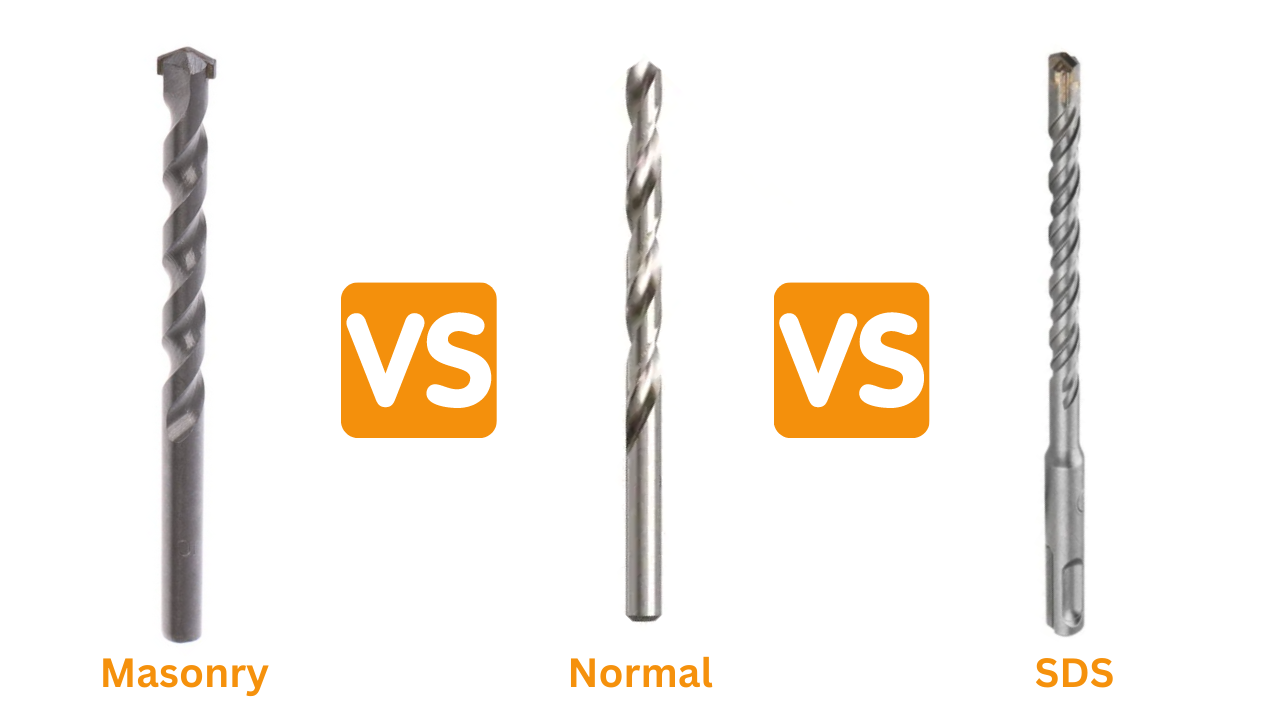
Image Source: kakilai.sg
Choosing the Right Masonry Drill Bit
Picking the correct drill bit is the first step to successful concrete drilling and brick drilling. Masonry drill bits are made to cut through hard materials like concrete, brick, stone, and mortar.
Types of Masonry Drill Bits
- Carbide-Tipped Drill Bits: These are the most common type for general masonry work. They have a tip made of tungsten carbide, which is very hard and durable. They work well for drilling into brick and softer concrete.
- Hammer Drill Bits: These bits are designed to be used with a hammer drill. They have fluted shanks and special carbide tips that help break up the material as they spin and hammer.
- SDS Drill Bits: For heavier-duty tasks and use with rotary hammer drills, SDS (Slotted Drive System) drill bits are the best choice. They have a specific shank that locks into the rotary hammer, allowing for efficient power transfer and less user fatigue. These are ideal for frequent concrete drilling into reinforced concrete.
What Material is Best for Masonry Drill Bits?
The best material for a masonry drill bit tip is tungsten carbide. This extremely hard metal alloy can withstand the friction and force required to drill into concrete and brick. The body of the bit is usually made of high-speed steel (HSS) to provide strength and flexibility.
Matching the Bit to Your Drill
It’s crucial to match your drill bit to your drill.
- Standard Drills: Use standard shank masonry bits. These fit into the chuck of a regular drill.
- Hammer Drills: These drills have a hammer action that helps break up the material. You’ll need masonry bits designed for hammer drills. They often have a round shank or a specific pattern to work with the hammer action.
- Rotary Hammer Drills: These powerful tools use a piston mechanism to deliver a hammering blow directly to the bit, making them excellent for serious concrete drilling. They require SDS drill bits, which have special grooves to lock into the hammer’s chuck.
Preparing for Masonry Drilling
Safety and preparation are key before you start drilling into concrete or brick.
Safety Gear is Non-Negotiable
Always wear safety glasses or goggles to protect your eyes from flying debris. Hearing protection is also recommended, especially when using a hammer drill or rotary hammer. Gloves can prevent blisters and provide a better grip. A dust mask is essential to avoid inhaling fine masonry dust, which can be harmful.
Inspect Your Drill Bit
Before each use, check your masonry drill bit for any damage. Look for chipped carbide tips or bent shanks. A damaged bit won’t drill effectively and can break, posing a safety risk.
Mark Your Drilling Spot
Use a pencil or marker to clearly mark the exact spot where you need to drill. This ensures accuracy, especially when installing masonry anchors or wall plugs. For precise holes, you can use a nail set to create a small indent at your mark. This helps prevent the drill bit from wandering when you start.
Clear the Area
Make sure the area around your drilling spot is clear of obstructions. Remove any furniture, tools, or debris that could get in the way or cause a tripping hazard.
The Drilling Process: Step-by-Step
Now, let’s get to the actual drilling into concrete or brick.
Step 1: Setting Up Your Drill
- Insert the Bit: Firmly insert the correct masonry drill bit into your drill’s chuck. Ensure it’s tightened securely to prevent it from slipping out during operation. If you’re using an SDS bit, simply push it into the SDS chuck until it clicks into place.
- Select the Right Drill Setting:
- Standard Drill: Use the regular drilling mode.
- Hammer Drill: Engage the hammer drill function (often indicated by a hammer symbol).
- Rotary Hammer Drill: Select the appropriate mode for drilling (usually indicated by a drill bit symbol, not a chisel symbol).
Step 2: Creating a Pilot Hole (Optional but Recommended)
For larger holes or when drilling into very hard surfaces, starting with a smaller pilot hole can make the process easier and more accurate.
* Choose a masonry bit that’s significantly smaller than your final hole diameter.
* Drill the pilot hole first. This creates a guide for your larger bit.
Step 3: Starting the Drill
- Position the Drill: Hold the drill firmly with both hands. Place the tip of the masonry drill bit directly on your marked spot.
- Start Slowly: Begin drilling at a slow speed. This prevents the bit from skipping across the surface and helps create a clean starting point.
- Apply Steady Pressure: Once the bit bites into the material, increase the speed slightly and apply steady, even pressure. Let the drill bit do the work; don’t force it too hard.
Step 4: Drilling Techniques for Different Materials
-
Concrete Drilling:
- Pressure: Apply firm, consistent pressure.
- Pecking Motion: Periodically pull the drill bit back slightly while it’s still spinning. This clears dust and debris from the hole, which is crucial for effective cooling and prevents the bit from overheating. This is sometimes called “pecking.”
- Cooling: If drilling deep holes or into very hard concrete, you may need to periodically dip the drill bit in water or spray water into the hole to keep it cool. Be cautious, as this can create slurry.
-
Brick Drilling:
- Pressure: Brick is generally softer than concrete. Use slightly less pressure than you would for concrete to avoid cracking or crumbling the brick.
- Pecking: Still use the pecking motion to clear dust and keep the bit cool.
Step 5: Clearing the Hole
After drilling to your desired depth, keep the drill spinning at a slower speed as you carefully withdraw it from the hole. This helps to clear any remaining dust and debris. You can also use a can of compressed air or a vacuum cleaner to clean out the hole.
Step 6: Installing Masonry Anchors or Wall Plugs
Once your hole is clean and to the correct depth, you’re ready to insert your masonry anchors or wall plugs.
- Gently tap the anchor or wall plug into the hole with a hammer until it’s flush with the surface.
- If the anchor requires it, drive the screw or bolt into the anchor to expand it within the hole.
Maintaining Your Masonry Drill Bits
Proper care will extend the life of your carbide drill bits and ensure they perform well.
Cleaning
After each use, clean your masonry drill bits thoroughly. Remove any dust or debris from the flutes and the carbide tip. A wire brush can be helpful for this.
Storage
Store your drill bits in a clean, dry place. A dedicated bit organizer or a sturdy case will protect them from damage and corrosion. Keep them away from other metal tools that could scratch or chip the carbide tips.
Sharpening
Masonry drill bits, especially carbide-tipped ones, are difficult to sharpen effectively at home. While some specialized tools exist, it’s often more cost-effective to replace worn-out bits. If the carbide tip is visibly chipped or dulled, it’s time for a new bit.
Common Problems and Solutions
Even with the best preparation, you might run into issues.
- Drill Bit Wandering: This often happens when starting. Ensure you have a good starting mark (like a nail indent) and start drilling slowly. Applying light pressure initially helps the bit bite.
- Overheating: If your bit feels excessively hot, stop drilling and let it cool down. Use the pecking motion more frequently to clear dust and allow air circulation. Using water for cooling can also help, but be mindful of the mess.
- Bit Gets Stuck: If the drill bit jams, turn off the drill immediately. Try to back the bit out slowly by turning the drill in reverse. Never try to force a stuck bit.
- Excessive Dust: This is normal with concrete drilling. Use your dust mask and consider a dust collection attachment if your drill or vacuum supports it.
When to Use a Hammer Drill vs. a Rotary Hammer
The choice between a hammer drill and a rotary hammer depends on the job’s scale and the material’s hardness.
| Feature | Hammer Drill | Rotary Hammer |
|---|---|---|
| Mechanism | Mechanical clutch hammers bit | Electro-pneumatic piston hammers bit |
| Power | Moderate | High |
| Best For | Lighter tasks, occasional concrete drilling | Frequent, heavy-duty concrete drilling, demolition |
| Bit Type | Standard shank masonry bits | SDS drill bits |
| User Fatigue | Higher for extended use | Lower due to better power transfer |
| Cost | Generally lower | Generally higher |
For simple tasks like hanging a picture frame or installing a few wall plugs, a standard hammer drill is usually sufficient. When you’re doing significant concrete drilling, like for anchors in a foundation or breaking up concrete, a rotary hammer with SDS drill bits is far more efficient and easier to use.
Advanced Techniques and Considerations
For professional results, consider these points.
Drilling Accurate Depths
To ensure you drill to the precise depth for masonry anchors, you can:
- Use a Depth Stop: Many drills have an adjustable depth stop rod that attaches to the side. Set it to the desired depth, and it will automatically prevent the drill from going deeper.
- Mark the Bit: Use a piece of tape on the drill bit itself to indicate the desired depth. Stop drilling when the tape reaches the surface of the wall.
Dealing with Rebar
If you encounter rebar (steel reinforcing bars) while drilling into concrete, your standard carbide drill bits will likely not penetrate it.
- Stop Immediately: If you hit rebar, stop drilling.
- Switch to Rotary Hammer: If you have a rotary hammer, you might be able to grind through the rebar with the correct bit. However, this is tough on bits and the drill.
- Relocate: The best solution is often to stop drilling and move your hole location slightly to avoid the rebar.
Frequently Asked Questions (FAQ)
Q1: How do I know if I need a hammer drill?
A1: You need a hammer drill if you are drilling into concrete, brick, or stone. Regular drills will struggle or be unable to make holes in these hard materials.
Q2: Can I use SDS drill bits in a regular drill?
A2: No, SDS drill bits are designed specifically for SDS chucks found on rotary hammer drills. They will not fit into the chuck of a standard drill.
Q3: How long do masonry drill bits last?
A3: The lifespan of a masonry drill bit depends on the material being drilled, the drill’s speed and pressure, and the quality of the bit. With proper care, carbide-tipped bits can last for many holes, but eventually, the tip will dull and require replacement.
Q4: What is the difference between a hammer drill and a rotary hammer?
A4: A hammer drill uses a clutch to create a hammering action, while a rotary hammer uses a piston to generate a more powerful, direct hammering blow. Rotary hammers are significantly more powerful and efficient for heavy-duty concrete drilling.
Q5: Do I need special bits for drilling into mortar?
A5: While a standard carbide drill bit can drill into mortar, it’s often best to use a bit designed for brick or concrete. Mortar can be abrasive, and using a proper masonry bit will be more efficient and extend the life of your bit.
By following these guidelines, you can master the use of masonry drill bits, ensuring your projects are completed safely and effectively, whether you’re installing masonry anchors, wall plugs, or performing extensive concrete drilling.