
A clean chainsaw is a safe chainsaw, and a safe chainsaw is an efficient chainsaw. So, how do you clean a chainsaw properly? You’ll want to disassemble it carefully, clean each component thoroughly with appropriate cleaners, and then reassemble it, ensuring all parts are lubricated and in good working order. This guide will walk you through the essential steps for effective chainsaw maintenance.
Regular and thorough cleaning is a cornerstone of good chainsaw maintenance. It’s not just about appearances; a clean machine operates more efficiently, lasts longer, and is significantly safer to use. Think of it as a health check for your saw. Grit, sawdust, and oil residue can gum up moving parts, dull your chain, and even cause overheating, leading to costly repairs or, worse, accidents.
This comprehensive guide will cover everything from basic exterior cleaning to the more intricate tasks like chainsaw carburetor cleaning and chainsaw bar maintenance. We’ll help you keep your chainsaw in peak condition, ready for whatever cutting task you throw at it.
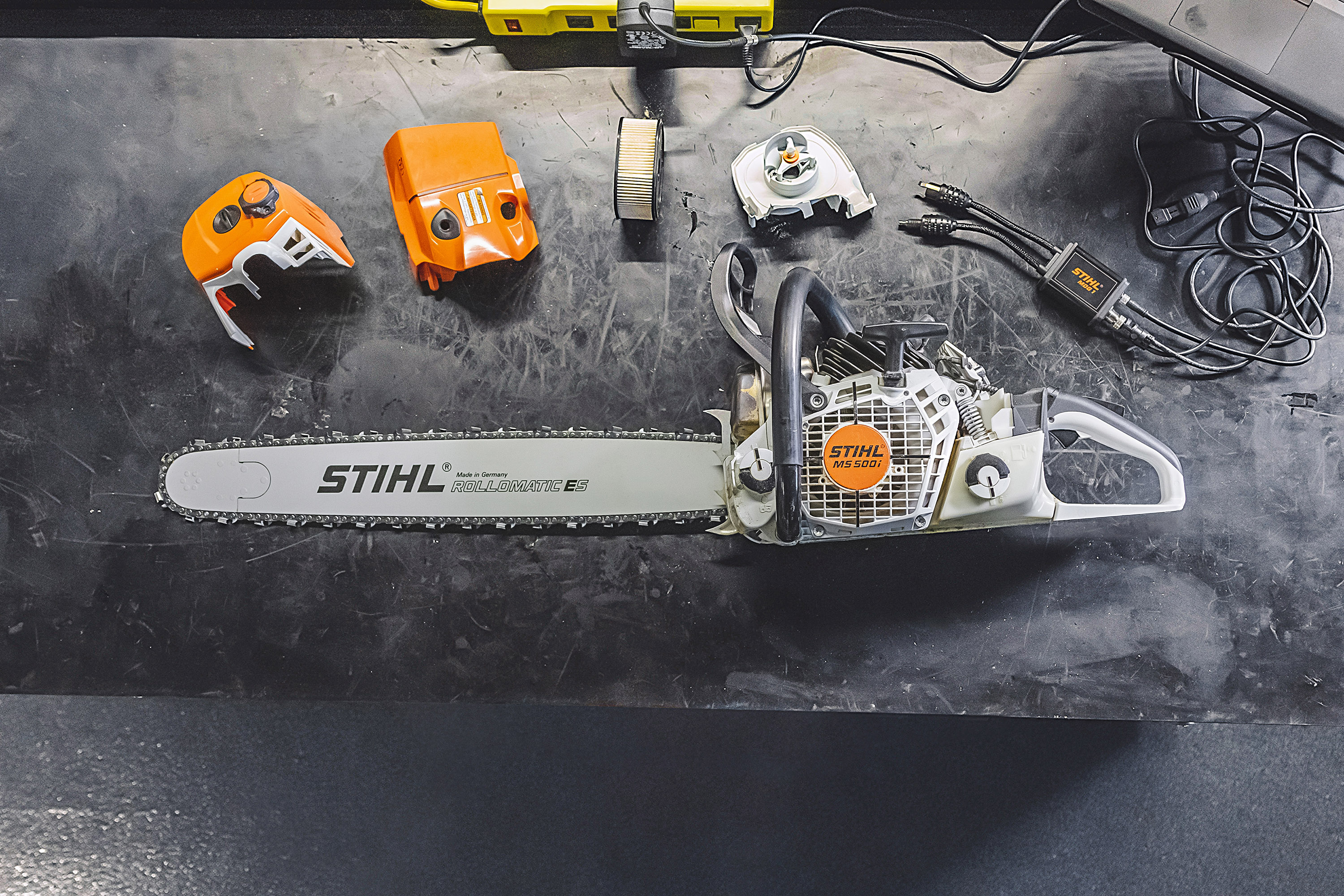
Image Source: cdnassets.stihlusa.com
Why Cleaning Your Chainsaw Matters
Before we dive into the “how,” let’s reinforce the “why.”
- Safety First: A dirty chainsaw can be a dangerous chainsaw. Loose debris can interfere with the chain brake, or a gummed-up throttle could cause the engine to unexpectedly rev.
- Performance Enhancement: A clean engine breathes better and runs cooler. A sharp, clean chain cuts through wood with ease.
- Longevity: Regular cleaning prevents rust, corrosion, and premature wear on vital components. This means your chainsaw will serve you reliably for many years.
- Cost Savings: Preventing problems through good maintenance is always cheaper than fixing them.
Essential Tools and Supplies for Chainsaw Cleaning
Gathering the right tools before you start will make the process smoother and more effective.
- Gloves: Protect your hands from grease, oil, and sharp parts.
- Safety Glasses: Essential for eye protection when dealing with debris and cleaning solutions.
- Screwdriver Set: For disassembling various parts.
- Wire Brush: Great for scrubbing away stubborn buildup.
- Compressed Air (or a Blower): For removing sawdust from chainsaw parts effectively.
- Degreaser: A good quality degreaser is crucial for how to degrease a chainsaw. Look for ones safe for metal and plastic.
- Chainsaw Bar Groove Cleaner: A specialized tool for cleaning out the bar groove.
- Clean Rags or Microfiber Cloths: For wiping down surfaces.
- Chainsaw Oil: For chain lubrication and reassembly.
- Spark Plug Wrench: For removing and checking the spark plug.
- Small Brush or Toothbrush: For detailed cleaning in tight spots.
- Bucket: For holding cleaning solutions.
- Optional: Carburetor Cleaner: If you plan on doing chainsaw carburetor cleaning.
Step-by-Step Guide to Cleaning Your Chainsaw
Let’s get down to business. Follow these steps carefully for a thorough clean.
Step 1: Safety First – Disconnecting Power
This is the most critical step. Always ensure the chainsaw is completely powered down and safe to handle.
- Electric Chainsaws: Unplug the saw from the power source.
- Gas Chainsaws:
- Ensure the engine is cool.
- Turn off the ignition switch.
- Disconnect the spark plug wire. This prevents accidental starting.
Step 2: External Cleaning – Cleaning Chainsaw Housing
Start with the outside. This removes loose dirt and makes subsequent steps easier.
Removing Surface Debris
- Use a stiff brush or compressed air to blow away loose sawdust and dirt from the chainsaw housing.
- Pay attention to air vents, handles, and around the engine area.
Degreasing the Exterior
- Spray a degreaser onto a cloth, not directly onto the chainsaw, especially if you’re concerned about it getting into electrical components or the carburetor.
- Wipe down the entire chainsaw housing, focusing on areas with oil and grime buildup.
- For stubborn spots, you might need to apply the degreaser directly and use a brush.
- Wipe clean with a damp rag, then dry thoroughly with a clean cloth.
Step 3: Cleaning the Chain and Bar
The cutting components need special attention.
Removing the Chain and Bar
- Locate the chain tensioning mechanism. Usually, this involves a screw and a locking nut.
- Loosen the bar nuts that secure the guide bar to the chainsaw body.
- Release tension on the chain by turning the tensioning screw counter-clockwise.
- Carefully lift the guide bar off the mounting studs.
- Slide the chain off the guide bar.
Cleaning the Chain
- Place the chain in a shallow pan or bucket.
- Pour in a degreaser or a mixture of warm water and dish soap.
- Use a wire brush to scrub each link, removing all oil, sawdust, and pitch.
- Rinse the chain thoroughly with clean water.
- Dry the chain completely with a clean rag. You can also use compressed air to ensure all moisture is removed.
- Once dry, apply a light coat of chain lubrication oil to prevent rust.
Chainsaw Bar Maintenance
The guide bar is critical for smooth cutting.
- Clean the Bar Groove: Use a specialized bar groove cleaner tool or a thin screwdriver to scrape out any packed sawdust, dirt, or debris from the groove where the chain runs.
- Clean the Oil Hole: Locate the small oil hole on the bar that feeds oil to the chain. Ensure this is clear of any blockages. You can use a small piece of wire or compressed air.
- Inspect for Wear: Check the edges of the bar for any signs of excessive wear or burring. If the edges are significantly worn or uneven, you might need to flip the bar (if it’s reversible) or consider replacing it. Lightly file any burrs with a flat file if necessary, ensuring you maintain the correct angle.
- Wipe Down: Wipe the entire bar clean with a degreaser-soaked rag, then dry it thoroughly.
Step 4: Cleaning the Drive Sprocket and Clutch Cover
These parts work in tandem with the chain and bar.
- Remove the Clutch Cover: If your chainsaw has a separate clutch cover, remove it. You’ll typically need to undo one or two screws.
- Clean the Drive Sprocket: The drive sprocket, located beneath the clutch cover, has teeth that engage the chain. Use a stiff brush and degreaser to clean away sawdust and oil buildup from around the sprocket and its housing.
- Clean the Clutch Drum: Inspect the clutch drum for any debris. Wipe it clean with a rag.
- Clean the Clutch Cover: Wipe down the inside and outside of the clutch cover. Ensure the chain oiler hole leading to the bar is clear.
Step 5: Cleaning the Air Filter
A clean air filter is essential for proper engine performance.
- Locate the Air Filter Cover: This is usually a small panel on the side of the chainsaw, near the carburetor.
- Remove the Air Filter: Carefully unclip or unscrew the cover and remove the air filter.
- Inspect and Clean:
- Paper Filters: Gently tap the filter against a hard surface to dislodge loose debris. Do NOT wash paper filters with water or solvents. If it’s very dirty, it’s best to replace it.
- Mesh/Foam Filters: Wash these in warm, soapy water or a mild degreaser. Rinse thoroughly and let them air dry completely before reinstallation. Some foam filters can be lightly re-oiled with a specific foam filter oil.
- Reinstall: Once clean and dry (or replaced), put the air filter back in its housing and secure the cover.
Step 6: Removing Sawdust from Chainsaw Engine Area
The area around the engine can accumulate a lot of debris.
- Use Compressed Air: With the air filter removed, use compressed air to blow out sawdust and debris from the carburetor intake, around the cylinder fins, and from any other nooks and crannies.
- Brush and Wipe: Use a brush to dislodge stubborn debris, then wipe the area down with a clean rag.
Step 7: Chainsaw Carburetor Cleaning (Advanced)
This is a more involved process and might be best left to experienced users or professionals if you’re unsure. A dirty carburetor can cause poor idling, difficulty starting, and sputtering.
When to Clean the Carburetor
- The chainsaw is hard to start.
- The engine runs rough or stalls.
- The engine doesn’t idle properly.
- The chainsaw sat unused for a long time with fuel in it.
Basic Cleaning Steps
- Access the Carburetor: This usually involves removing the engine cover and the air filter. The carburetor is a small metal or plastic unit connected to the engine’s intake manifold.
- Remove the Air Filter Adapter: This is often a plastic or rubber piece between the air filter and the carburetor.
- Clean the Exterior: Spray the exterior of the carburetor with carburetor cleaner to remove external grime.
- Consider Partial Disassembly (Advanced): For a more thorough clean, you might need to remove the carburetor from the engine. Consult your chainsaw’s manual. You can then carefully remove the bowl (if it has one) and spray cleaner through the jets and passages. Be very careful not to lose small parts or damage diaphragms.
- Use Carburetor Cleaner: Spray carburetor cleaner into the carburetor’s openings, especially the main jet and idle jet passages. Use the included straw for a focused spray.
- Allow to Dry: Let any cleaning solution evaporate completely.
- Reassemble: Carefully reattach the carburetor (if removed) and the air filter adapter.
Note: If you’re not comfortable with this process, it’s safer to have a qualified service center clean your carburetor.
Step 8: Cleaning the Spark Plug
A healthy spark plug ensures good ignition.
- Locate and Remove: Use a spark plug wrench to carefully remove the spark plug from the cylinder head.
- Inspect: Check the spark plug for fouling (oily, carbon buildup), wear, or damage.
- Clean (if mildly fouled): You can clean a lightly fouled spark plug with a wire brush and some carburetor cleaner or brake cleaner.
- Check Gap: Refer to your chainsaw’s manual for the correct spark plug gap and adjust if necessary using a feeler gauge.
- Replace (if damaged or heavily fouled): It’s often best to replace the spark plug if it shows significant wear or fouling.
- Reinstall: Screw the spark plug back into the cylinder head finger-tight, then use the wrench to snug it up (do not overtighten). Reconnect the spark plug wire.
Step 9: Final Inspection and Reassembly
Now it’s time to put it all back together and ensure everything is ready.
-
Reattach the Guide Bar and Chain:
- Place the clean guide bar back onto the mounting studs.
- Ensure the drive sprocket is correctly positioned within the chain’s drive links.
- Thread the chain onto the guide bar, making sure it’s routed correctly around the sprocket and the bar nose.
- Tension the chain properly. The chain should be snug against the underside of the bar but still able to be pulled by hand. It should not sag. When you pull the chain around the bar, it should move freely without binding.
- Tighten the bar nuts securely.
- Check the chain tension again after tightening the nuts. Adjust if necessary.
-
Reinstall Clutch Cover: Securely reattach the clutch cover.
-
Refuel and Lubricate:
- Fill the fuel tank with the correct fuel-to-oil mixture (for gas chainsaws).
- Fill the chain oil reservoir with appropriate bar and chain oil. Ensure the oiler is working by pointing the bar at a piece of cardboard and revving the engine briefly (with the spark plug connected, but be careful!). You should see a fine spray of oil.
-
Test Run: Start the chainsaw and let it run for a minute or two. Listen for any unusual noises and check for smooth operation.
Chainsaw Cleaning Tips for Specific Issues
Here are some tips for tackling common cleaning challenges:
How to Degrease a Chainsaw Effectively
- Use the Right Product: Choose a heavy-duty degreaser specifically designed for engines or automotive parts. Always read the product label to ensure it’s safe for your chainsaw’s materials.
- Ventilation: Work in a well-ventilated area when using degreasers.
- Warmth Helps: Slightly warmed degreaser can be more effective on stubborn grease, but avoid overheating.
- Soaking: For extremely greasy parts like the chain, soaking them in degreaser for a short period can significantly help.
- Multiple Applications: Stubborn grime may require a second application of degreaser and more scrubbing.
Removing Sawdust from Chainsaw Internals
- Compressed Air is Your Friend: This is the most efficient way to dislodge dry, loose sawdust from tight spaces.
- Soft Brushes: For slightly damp or caked-on sawdust, use soft brushes to loosen it before blowing or wiping it away.
- Vacuum: A shop vacuum with a brush attachment can also be useful for sucking up loose debris.
Maintaining the Chainsaw Bar Groove
- Specialized Tools: Invest in a bar groove cleaner. They are inexpensive and very effective.
- Patience: Take your time to ensure all debris is removed, as this is critical for proper chain lubrication.
Table: Recommended Cleaning Intervals
| Component | Frequency | Notes |
|---|---|---|
| Exterior Housing | After every use | Remove visible sawdust and dirt. |
| Chain and Bar | After every use, or after extended cutting sessions | Crucial for cutting performance and safety. |
| Air Filter | Check after every few uses, clean or replace as needed | Heavily dependent on usage conditions and dust levels. |
| Drive Sprocket | When cleaning the chain and bar | Ensure it’s free of debris. |
| Fuel Filter | Check periodically (consult manual), replace if clogged | Can affect engine performance. |
| Carburetor | As needed (when performance issues arise), or annually for preventative care | If you experience running problems. |
| Spark Plug | Annually, or if issues arise | Inspect for fouling and wear. |
| Chain Oil Oiler Hole | When cleaning the bar | Ensure proper chain lubrication. |
Frequently Asked Questions (FAQ)
Can I use gasoline to clean my chainsaw?
It is generally not recommended to use gasoline to clean your chainsaw. Gasoline is highly flammable, and its vapors can be explosive. While it can cut through grease, it can also degrade rubber and plastic components over time. Specialized degreasers or carburetor cleaners are safer and more effective.
How often should I sharpen my chainsaw chain?
The frequency of sharpening chainsaw chain depends on usage, the type of wood you’re cutting, and whether you hit any dirt or rocks. A good rule of thumb is to sharpen it when you notice a decrease in cutting performance, if the sawdust looks more like powder than wood chips, or if the chain is “screaming” as it cuts. Many professionals sharpen their chains after every refuel.
What kind of oil should I use for chain lubrication?
You should use a dedicated bar and chain oil. These oils are specifically formulated to cling to the chain and bar under high speeds and temperatures, providing essential chain lubrication. Do not use motor oil or other lubricants, as they may not provide adequate lubrication and can clog the oiling system.
My chainsaw is running poorly. What should I check?
Start with the basics:
1. Ensure the air filter is clean.
2. Check the spark plug for fouling and ensure the wire is securely connected.
3. Verify the fuel is fresh and correctly mixed (for gas chainsaws).
4. Make sure the chain is properly tensioned and the bar oiler is working.
5. If these don’t resolve the issue, the carburetor may need cleaning or adjustment.
By following these detailed steps and tips, you can ensure your chainsaw remains in excellent working condition, ready to tackle any job safely and efficiently. Regular cleaning is an investment in your equipment’s lifespan and your own safety.