
Can you drill into concrete block? Yes, you absolutely can drill into concrete block with the right tools and techniques. Drilling into concrete block might seem daunting, but with the correct approach, it’s a manageable DIY task. Whether you’re hanging shelves, installing fixtures, or running conduit, knowing how to properly drill into this common building material is a valuable skill. This guide will walk you through everything you need to know, from choosing the right drill to dealing with potential obstacles like rebar.
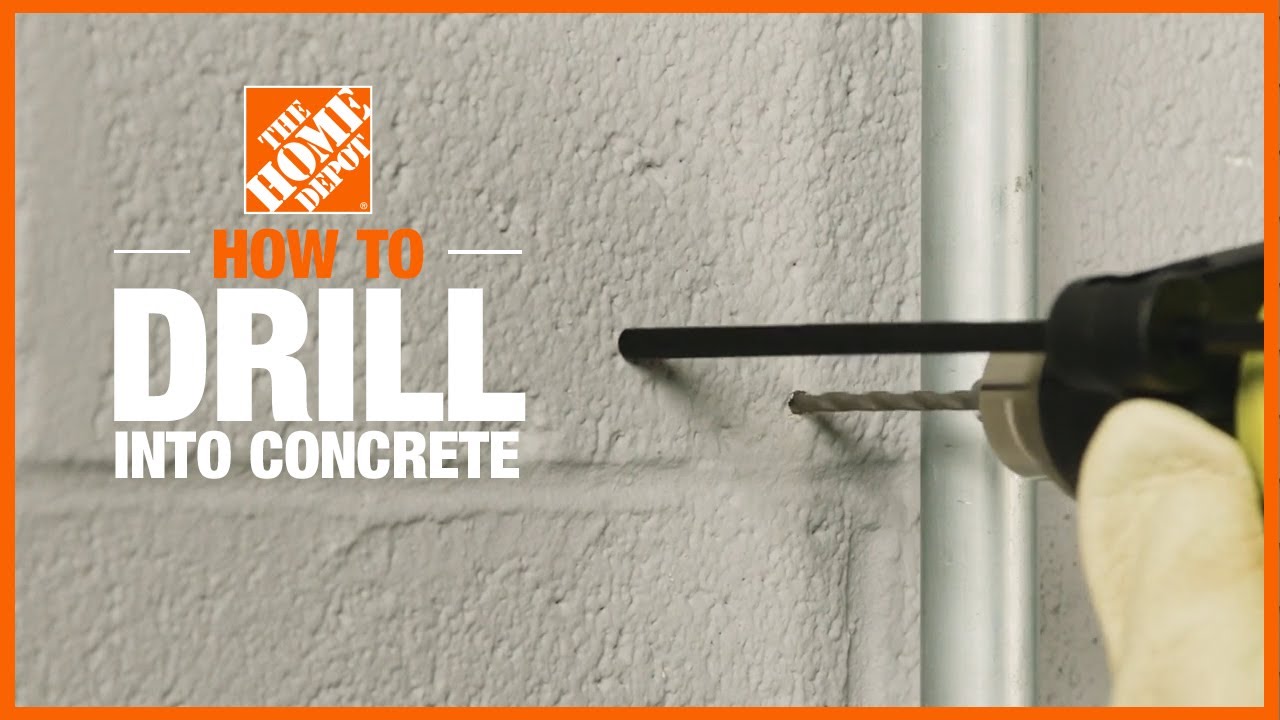
Image Source: i.ytimg.com
Essential Tools for Drilling Concrete Block
When tackling concrete block, using the right equipment is key for efficiency and safety. A standard drill, while capable of some tasks, often struggles with the hardness of concrete.
The Powerhouse: Rotary Hammer Drills
For serious concrete drilling, a rotary hammer drill is your best friend. These drills combine rotation with a hammering action, which pulverizes the concrete in front of the drill bit, making for much faster and easier drilling.
- How they work: A rotary hammer uses a piston mechanism to drive the drill bit forward and backward in a rapid hammering motion. This is much more powerful than the simple vibrating action of a regular hammer drill.
- When to use one: If you have multiple holes to drill, large holes, or are drilling into dense concrete, a rotary hammer will save you significant time and effort. They are also essential for drilling into harder concretes or those that might contain aggregate.
Hammer Drills vs. Regular Drills: Making the Choice
The distinction between a hammer drill vs regular drill is crucial for concrete work.
- Regular Drill: A standard drill only rotates. It’s suitable for wood, plastic, and metal but will spin and overheat when trying to drill into concrete, making little to no progress.
- Hammer Drill: A hammer drill adds a pulsating, hammering action to the rotation. This makes it much more effective than a regular drill for concrete and masonry. You can often switch between a standard drilling mode and a hammer drilling mode.
- Rotary Hammer Drill: As mentioned, this is a step up from a hammer drill, offering significantly more power through its piston-driven hammer action.
For occasional light-duty drilling into softer concrete block (like cinder block), a good quality hammer drill might suffice. However, for any significant work or harder concrete, a rotary hammer is highly recommended.
The Right Bit for the Job: Masonry Drill Bits
The drill bit is just as important as the drill itself. You need specialized bits designed for hard materials.
Understanding Concrete Drill Bit Types
There are several concrete drill bit types, each suited for different tasks and materials.
- Carbide-Tipped Masonry Bits: These are the most common and affordable bits for drilling concrete block. They have a tip made of carbide, a very hard metal, brazed onto a steel shaft. They are good for general-purpose drilling in brick, block, and concrete.
- Hammer-Action Bits: These bits are designed to work with hammer drills and rotary hammer drills. They often have special flute designs to help clear dust and debris quickly.
- SDS Drill Bits: SDS drill bits (Slotted Drive System) are specifically designed for rotary hammer drills. They have special slots in the shank that lock into the chuck of the SDS-compatible hammer drill, allowing for efficient power transfer and easy bit changes. SDS bits are typically more robust and efficient than standard bits. There are different SDS sizes (SDS-Plus, SDS-Max), with SDS-Plus being common for residential rotary hammers.
Other Essential Supplies
- Safety Glasses: Always wear safety glasses to protect your eyes from flying debris.
- Dust Mask: Drilling concrete creates fine dust, which can be harmful to inhale. A dust mask is essential.
- Gloves: Protect your hands from abrasion and provide a better grip.
- Measuring Tape and Pencil: For accurate marking of hole locations.
- Level: To ensure your holes are straight if installing something that needs to be level.
- Vacuum Cleaner (with HEPA filter ideally): For cleaning up dust.
- Drill Dust Collector Attachment: These attach to your drill and create a seal around the drilling area to capture dust.
Preparing to Drill Concrete Block
Proper preparation ensures safety, accuracy, and a cleaner workspace.
Marking Your Drilling Location
- Measure and Mark: Use a measuring tape to determine the exact spot for your hole.
- Use a Pencil: Mark the center of the hole clearly with a pencil.
- Consider Hole Size: If you’re installing something like an anchor bolt in concrete block, you’ll need to drill a hole slightly larger than the bolt’s shaft but smaller than its head, or to the specific depth required by the anchor.
Choosing the Right Drill Bit Size
The size of your drill bit depends on what you’re installing.
- For anchors: Check the anchor manufacturer’s instructions. They will specify the required drill bit diameter and depth.
- For general use: If you’re not installing anything specific, choose a bit size appropriate for the task at hand. It’s often a good idea to drill a test hole in an inconspicuous area if possible.
Preparing the Drill Bit
- Clean the Bit: Ensure your drill bit is clean and free from rust or debris.
- Lubrication (Optional): For very hard drilling, a small amount of cutting fluid or wax applied to the bit can help reduce heat and wear, but it’s often not necessary for concrete block with the right drill and bit.
The Drilling Process: Step-by-Step
Now, let’s get down to the actual drilling.
Step 1: Setting Up Your Drill
- Insert the Bit: Securely insert the chosen masonry drill bit into your drill chuck. If using a rotary hammer with SDS bits, ensure the bit is properly seated and locked.
- Select the Mode:
- Hammer Drill: Set your hammer drill to the hammer-only (or percussion) mode. Ensure it’s not in standard drilling mode.
- Rotary Hammer: Ensure your rotary hammer is set to the hammer-and-rotation mode.
- Adjust Speed (if applicable): Start with a lower speed to get the hole started accurately. You can increase the speed once the bit has a good bite.
Step 2: Starting the Hole
- Pilot Holes for Concrete: For precise hole placement, consider drilling a small pilot hole first. Use a smaller diameter masonry bit to create a starter hole. This helps prevent the main bit from wandering.
- Position and Angle: Place the tip of the drill bit directly on your marked spot. Hold the drill perpendicular (straight up and down) to the surface. This is crucial for the integrity of the hole and any anchors you plan to install.
- Gentle Start: Begin drilling at a slow speed. Apply light, steady pressure.
Step 3: Drilling the Hole
- Increase Speed and Pressure: Once the bit has started to bite into the concrete block, you can increase the drill’s speed and apply moderate, consistent pressure.
- Let the Drill Do the Work: Avoid forcing the drill. A rotary hammer drill’s hammering action should do most of the work. If you’re using a hammer drill, consistent pressure is important, but don’t lean excessively hard.
- Clear Debris Regularly: As you drill, the flutes of the drill bit will accumulate concrete dust and small chips. Periodically pull the drill bit out of the hole while it’s still spinning slowly. This helps clear the hole and prevents the bit from overheating or getting jammed.
- Tip: If drilling deep holes, you might need to pull the bit out more frequently to ensure the hole is clear.
Step 4: Drilling Through the Block
- Rebar in Concrete Block: Be aware that concrete block can sometimes contain rebar (reinforcing steel bars). If your drill bit hits rebar, you’ll feel a sudden resistance.
- If you hit rebar:
- Stop drilling immediately.
- Try to shift the hole location slightly if possible.
- If you cannot move the hole, you may need a more powerful rotary hammer or a specialized rebar-cutting bit. However, for most DIYers, avoiding rebar by slightly repositioning the hole is the best approach.
- If you hit rebar:
- Cinder Block vs. Solid Concrete Block: When drilling into cinder block, you might notice it’s softer and drills more easily. However, be cautious, as the hollow cores can cause the drill bit to break through unexpectedly, potentially damaging the block. Drilling into solid concrete block will require more effort and a more robust tool.
Step 5: Finishing the Hole
- Depth: Continue drilling until you reach the desired depth. Many drill bits have depth guides, or you can mark your desired depth on the bit with tape.
- Smooth Finish: Once you’ve reached the depth, you can do a few gentle rotations to smooth the inside of the hole if needed.
- Withdraw the Bit: Slowly pull the drill bit out of the hole while it’s still spinning slowly.
Dust Collection and Safety
Drilling concrete generates a lot of fine dust, which can be a health hazard and make a mess.
Dust Collection for Concrete Drilling
Effective dust collection for concrete drilling is essential for both health and cleanliness.
- Vacuum Cleaner: A shop vacuum can be used to suck up dust as you drill. You can have someone hold the vacuum hose near the drilling point, or use a specialized dust shroud attachment for vacuums.
- Drill Dust Shrouds/Collectors: These attachments fit around the drill bit and connect to a vacuum cleaner. They create a seal around the hole, capturing a significant amount of the dust before it becomes airborne. This is the most effective method for controlling dust.
- Wet Drilling (Not Recommended for DIY): In professional settings, water can be used to suppress dust. However, this creates slurry and is generally not recommended for DIY projects unless you have specific equipment and knowledge.
Safety Precautions
- Eye Protection: Always wear safety glasses or goggles.
- Respiratory Protection: Wear a dust mask or respirator, especially if you don’t have effective dust collection.
- Hearing Protection: Rotary hammers and hammer drills can be loud. Consider earplugs or earmuffs.
- Secure Work Area: Ensure the area is clear of tripping hazards and that any ladders or scaffolding are stable.
- Tool Stability: Maintain a firm grip on your drill and stand with a balanced stance.
Installing Anchors in Concrete Block
Once your holes are drilled, you’re ready to install anchors.
Common Anchor Types for Concrete Block
- Plastic Expansion Anchors (Dowel Pins): These are common for lighter loads. You drill a hole the size of the anchor’s body, insert the anchor, and then screw a screw into it, expanding the plastic.
- Sleeve Anchors: These are metal anchors with an internal bolt and an outer sleeve. You drill a hole to the anchor’s specified diameter, insert the anchor, and then tighten the bolt, which pulls the sleeve up, expanding it against the concrete.
- Wedge Anchors: Similar to sleeve anchors, wedge anchors use a threaded stud with a tapered end and a nut. Tightening the nut pulls the stud into the anchor body, expanding it. These are generally for heavier loads.
- Tapcon Screws: These are self-tapping screws specifically designed for masonry. You drill a pilot hole of the correct size, and then drive the Tapcon screw directly into the block.
Installing Anchor Bolts in Concrete Block
- Clean the Hole: Blow out any remaining dust from the drilled hole using compressed air or by shaking the drill bit in the hole. A clean hole is crucial for the anchor to grip properly.
- Insert the Anchor: Gently tap the anchor into the hole with a hammer until it is flush with the surface, or as per the anchor’s instructions. For sleeve or wedge anchors, you might just insert the sleeve/body.
- Install the Bolt/Screw:
- For plastic anchors or Tapcon screws, you’ll drive the screw directly.
- For sleeve or wedge anchors, you’ll insert the bolt and tighten the nut with a wrench.
- Tighten Securely: Tighten the anchor until it feels snug and secure. Be careful not to overtighten, which can damage the anchor or the block.
Troubleshooting Common Drilling Issues
Even with the best preparation, you might encounter problems.
Drill Bit Not Cutting
- Problem: The drill bit is spinning but not penetrating the concrete.
- Causes:
- Wrong drill type (using a regular drill instead of a hammer or rotary hammer).
- Dull or incorrect drill bit.
- Not using the hammer function.
- Solutions:
- Ensure you are using a hammer drill or rotary hammer in the correct mode.
- Check your drill bit; if it’s carbide-tipped, it should be suitable. If it’s old or worn, replace it.
- Use a pilot hole if you haven’t already.
Overheating Drill Bit
- Problem: The drill bit is getting extremely hot.
- Causes:
- Too much pressure or too high speed for too long.
- Not clearing debris from the hole.
- Drilling into particularly hard concrete or encountering rebar.
- Solutions:
- Periodically withdraw the drill bit from the hole while it’s still spinning slowly to clear debris and cool the bit.
- Reduce the pressure and let the drill’s hammering action do the work.
- Allow the bit and drill to cool down if they become excessively hot.
Drill Bit Jamming
- Problem: The drill bit gets stuck in the hole.
- Causes:
- Hitting rebar.
- Accumulation of debris in the hole.
- The hole collapsing slightly around the bit.
- Solutions:
- If you suspect rebar, stop immediately and try to adjust your hole position.
- Withdraw the bit by reversing the drill to clear debris.
- If the hole has collapsed, you might need to ream it out with a slightly larger bit or try to clear it with a small pick or nail.
Frequently Asked Questions (FAQ)
Q1: Can I use a regular drill to drill into concrete block?
A1: While you can try, it’s highly inefficient and likely to damage your drill or bit. A hammer drill or, preferably, a rotary hammer drill is strongly recommended for drilling concrete.
Q2: What is the difference between a hammer drill and a rotary hammer drill?
A2: A hammer drill uses an eccentric cam mechanism to create a hammering action. A rotary hammer drill uses a piston system, which delivers significantly more impact force and is far more effective for drilling concrete.
Q3: What are SDS drill bits used for?
A3: SDS drill bits are designed for use with SDS-compatible rotary hammer drills. They feature special slots in their shank that lock into the rotary hammer’s chuck, allowing for a more direct and powerful transfer of the hammering action and easier bit changes.
Q4: How deep should I drill for anchor bolts in concrete block?
A4: Always follow the anchor manufacturer’s instructions. They will specify the required drill bit diameter and the minimum drilling depth for their specific product to ensure a secure hold.
Q5: What should I do if I hit rebar while drilling concrete block?
A5: Stop drilling immediately. Try to slightly adjust the position of your hole. If you must drill through rebar, you’ll need a more powerful rotary hammer and a specialized rebar-cutting drill bit, but this is often unnecessary if you can simply reposition the hole.
Q6: Is drilling into cinder block different from solid concrete block?
A6: Yes, cinder block is generally softer and easier to drill than solid concrete block. However, the hollow cores in cinder block can be tricky, as the drill bit can break through unexpectedly. You may need to be more careful with pressure and drilling depth when drilling into cinder block compared to solid concrete.
Q7: What is the best way to collect dust when drilling concrete?
A7: The most effective method for dust collection for concrete drilling is using a drill dust shroud that attaches to your drill and a shop vacuum. This captures most of the airborne dust before it can escape into the air.
By following these guidelines, you can confidently and safely drill into concrete block for a variety of projects. Remember to always prioritize safety and use the right tools for the job.