
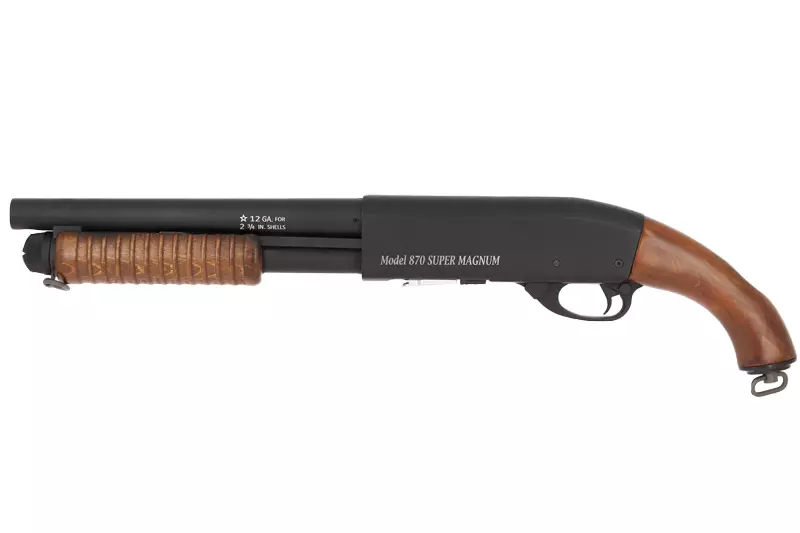
Image Source: www.ops-store.com
How To Saw Shotgun Safely: Essential Tips
Can you saw a shotgun? Yes, but it’s illegal in many places, dangerous, and strongly discouraged. This guide focuses on safe handling and modification of shotgun components for legal and responsible purposes, emphasizing that altering a firearm’s legal configuration is a serious matter with significant legal ramifications.
The term “sawing a shotgun” often conjures images of illegally shortened firearms, a practice that is both dangerous and against the law in most jurisdictions. This article will not provide instructions on how to illegally modify a firearm. Instead, it will delve into the essential aspects of shotgun safety, proper handling, and the legal implications surrounding firearm modifications. We will explore the anatomy of a shotgun, including the vital shotgun barrel, shotgun stock, and shotgun receiver, and discuss the importance of shotgun safety, shotgun cleaning, and shotgun maintenance to ensure responsible ownership. Understanding these elements is paramount for any firearm owner.
Grasping Shotgun Anatomy: Key Components
Before discussing any form of modification or handling, it’s crucial to have a solid grasp of a shotgun’s fundamental parts. Each component plays a critical role in the firearm’s function and safety.
The Shotgun Barrel: The Projectile’s Path
The shotgun barrel is the tube through which the projectile is fired. Its length, bore diameter, and choke (if present) significantly influence the shotgun’s performance. For instance, a longer barrel generally offers better velocity and accuracy, while chokes constrict the shot spread. Modifications to the barrel, such as cutting it down, are heavily regulated and often illegal without proper authorization.
The Shotgun Stock: Stability and Control
The shotgun stock is the part of the firearm that the shooter grips to shoulder the weapon. It provides stability and helps manage recoil. Stocks can be made of wood or synthetic materials and come in various lengths and shapes to accommodate different shooters. Improper handling or modification of the stock can compromise a shooter’s ability to control the firearm, leading to accidents.
The Shotgun Receiver: The Heart of the Action
The shotgun receiver is the central housing of the firearm. It contains the bolt, trigger mechanism, and often the magazine. The receiver is essentially the “brain” of the shotgun, orchestrating the firing cycle. It’s also the part that typically displays serial numbers, linking the firearm to its legal owner. Any tampering with the receiver can have serious legal and safety consequences.
Pump Action vs. Semiautomatic Shotguns: Operational Differences
Shotguns generally fall into two main categories based on their operating mechanism: pump-action and semiautomatic. Understanding these differences is key to safe handling.
Pump Action Shotgun: Manual Operation
A pump action shotgun requires the shooter to manually operate a slide or pump (usually located in front of the trigger guard) to eject spent cartridges and load new ones. This process is known as shotgun cycling. It offers a reliable and straightforward method of operation but requires active user input for each shot.
- Pros:
- Reliable cycling of ammunition.
- Generally less prone to malfunctions caused by inconsistent ammunition power.
- Simpler mechanism, potentially easier to maintain.
- Cons:
- Slower rate of fire compared to semiautomatics.
- Requires consistent manual action for each shot.
Semiautomatic Shotgun: Gas or Recoil Powered
A semiautomatic shotgun uses the energy from the fired cartridge (either gas pressure or recoil) to automatically eject the spent casing and load a new one. This allows for a faster rate of fire. The shooter simply pulls the trigger for each shot, and the shotgun handles the shotgun cycling.
- Pros:
- Faster rate of fire.
- Less physical effort required between shots.
- Cons:
- Can be more sensitive to ammunition power.
- More complex mechanism, potentially requiring more specialized maintenance.
- Can be more prone to malfunctions if not properly maintained or if using improper ammunition.
Essential Shotgun Safety Practices
Shotgun safety is paramount. Neglecting safety protocols can lead to severe injury or death. Always treat every firearm as if it were loaded.
The Cardinal Rules of Firearm Safety
- Always Point Muzzle in a Safe Direction: Never point your firearm at anything you are not willing to destroy. A safe direction is one where an accidental discharge would cause no injury or damage.
- Keep Your Finger Off the Trigger Until Ready to Shoot: Your finger should remain outside the trigger guard until your sights are aligned on the target and you have made the decision to fire.
- Always Be Sure of Your Target and What is Beyond It: Identify your target clearly and be aware of the backstop. Ensure that no unintended persons or property are in the line of fire.
- Store Firearms Safely and Separately from Ammunition: Use a gun safe, lockbox, or other secure storage methods to prevent unauthorized access. Ammunition should be stored separately.
Safe Handling Techniques
- Loading and Unloading: When loading or unloading your shotgun, always ensure the muzzle is pointed in a safe direction. Visually and physically inspect the chamber and magazine tube to confirm they are empty.
- Maneuvering: When moving with a shotgun, maintain muzzle discipline. If carrying, ensure the action is open and the shotgun is unloaded.
- During a Malfunction: If your shotgun malfunctions, keep the muzzle pointed in a safe direction, remove your finger from the trigger, and address the issue calmly and methodically.
Shotgun Cleaning and Maintenance: Longevity and Reliability
Proper shotgun cleaning and shotgun maintenance are not just about keeping your firearm looking good; they are critical for its reliable and safe operation. A dirty or poorly maintained firearm is more prone to malfunctions and can be a safety hazard.
Routine Cleaning Procedures
- Disassembly: Follow the manufacturer’s instructions for safe disassembly. Only disassemble to the extent necessary for cleaning.
- Cleaning the Barrel: Use a cleaning rod with a bore brush and solvent to remove fouling from the shotgun barrel. Follow with a clean patch until it comes out clean. A bore snake can be a quick alternative for light cleaning.
- Cleaning the Receiver and Action: Use a soft brush, cleaning patches, and solvent to clean the shotgun receiver, bolt, and other internal parts. Remove any debris or residue.
- Lubrication: Apply a light coat of firearm lubricant to moving parts to ensure smooth operation and prevent corrosion. Do not over-lubricate, as excess oil can attract dirt and debris.
- Reassembly: Reassemble the shotgun according to the manufacturer’s instructions, ensuring all parts are correctly seated.
Regular Maintenance Checks
- Inspect for Wear and Damage: Periodically check all parts of your shotgun for signs of wear, cracks, or damage. Pay close attention to the shotgun barrel, shotgun stock, and shotgun receiver.
- Function Check: After cleaning and reassembly, perform a function check to ensure the trigger mechanism, safety, and shotgun cycling operate correctly. Note: This should be done without live ammunition.
- Check Ammunition: Always use the correct ammunition for your shotgun. Using the wrong type or size of ammunition can be dangerous.
Shotgun Reloading: A Separate Skillset
Shotgun reloading refers to the process of manually assembling shotgun shells using components like hulls, primers, powder, wads, and shot. This is a distinct skill from operating or modifying a firearm.
- Components: Each component must be precisely measured and assembled for safe and effective results.
- Equipment: Reloading requires specialized equipment such as a reloader press, scales, and shell holders.
- Safety and Legality: Reloading can save money and allow for customized loads, but it requires meticulous attention to detail and strict adherence to reloading manuals to avoid dangerous overloads or underloads. It is legal in most places, but regulations can vary.
Legal Considerations: Modifications and Regulations
The act of “sawing a shotgun” typically refers to illegally shortening the shotgun barrel or stock to make it more concealable. This is a serious federal offense in many countries, including the United States, under the National Firearms Act (NFA).
Federal Firearms Laws
In the United States, federal law prohibits the possession of a shotgun with a barrel shorter than 18 inches or a rifle with a barrel shorter than 16 inches. Any shotgun with a barrel length of less than 18 inches or a minimum overall length of less than 26 inches is considered a “short-barreled shotgun” (SBS) and is subject to stringent regulations, including registration, taxation, and background checks, requiring specific permits and approval from the Bureau of Alcohol, Tobacco, Firearms and Explosives (ATF).
State and Local Laws
In addition to federal laws, many states and local municipalities have their own regulations regarding firearms, including prohibitions on certain types of modifications or possession of specific firearm configurations. It is the responsibility of every firearm owner to be aware of and comply with all applicable laws.
Consequences of Illegal Modification
Engaging in illegal firearm modification can result in severe penalties, including hefty fines, lengthy prison sentences, and a permanent criminal record, which can have far-reaching consequences for future employment, gun ownership rights, and other aspects of life.
Responsible Firearm Ownership
Responsible firearm ownership extends beyond simply knowing how to operate a firearm. It encompasses a deep commitment to safety, legal compliance, and continuous learning.
Training and Education
- Formal Training: Seek out certified firearm safety courses from reputable instructors. These courses cover safe handling, marksmanship, legal responsibilities, and shotgun maintenance.
- Continuous Learning: The world of firearms is constantly evolving. Stay informed about changes in laws and best practices through reliable sources.
Safe Storage
As mentioned, safe storage is critical. This includes using gun safes, trigger locks, and cable locks, and ensuring firearms are inaccessible to children or unauthorized individuals.
Frequently Asked Questions (FAQ)
Q1: Is it legal to shorten a shotgun barrel?
A1: In many jurisdictions, it is illegal to shorten a shotgun barrel below a legally defined minimum length without proper licensing and registration. This is considered a serious offense.
Q2: What is the legal minimum barrel length for a shotgun?
A2: In the United States, the legal minimum barrel length for a shotgun is 18 inches.
Q3: What are the main differences between a pump action shotgun and a semiautomatic shotgun?
A3: A pump action shotgun requires manual operation of a slide for reloading after each shot, while a semiautomatic shotgun uses the firing energy to automatically reload, allowing for a faster rate of fire.
Q4: Why is shotgun cleaning important?
A4: Regular shotgun cleaning removes fouling, prevents rust, and ensures the reliable and safe operation of the firearm.
Q5: What are the risks of modifying a shotgun without proper knowledge or authorization?
A5: Modifying a shotgun without proper knowledge or authorization is extremely dangerous and illegal. It can lead to catastrophic malfunctions, severe injury or death, and severe legal penalties.
This comprehensive overview emphasizes safe practices, responsible ownership, and the critical legal framework surrounding firearms. Always prioritize safety and legality in all your interactions with firearms.