
Can you drill into brick? Yes, you absolutely can drill into brick, and with the right tools and techniques, it’s a straightforward process. This guide will walk you through everything you need to know, from selecting the correct drill bits to mastering drilling techniques brick for a successful project.
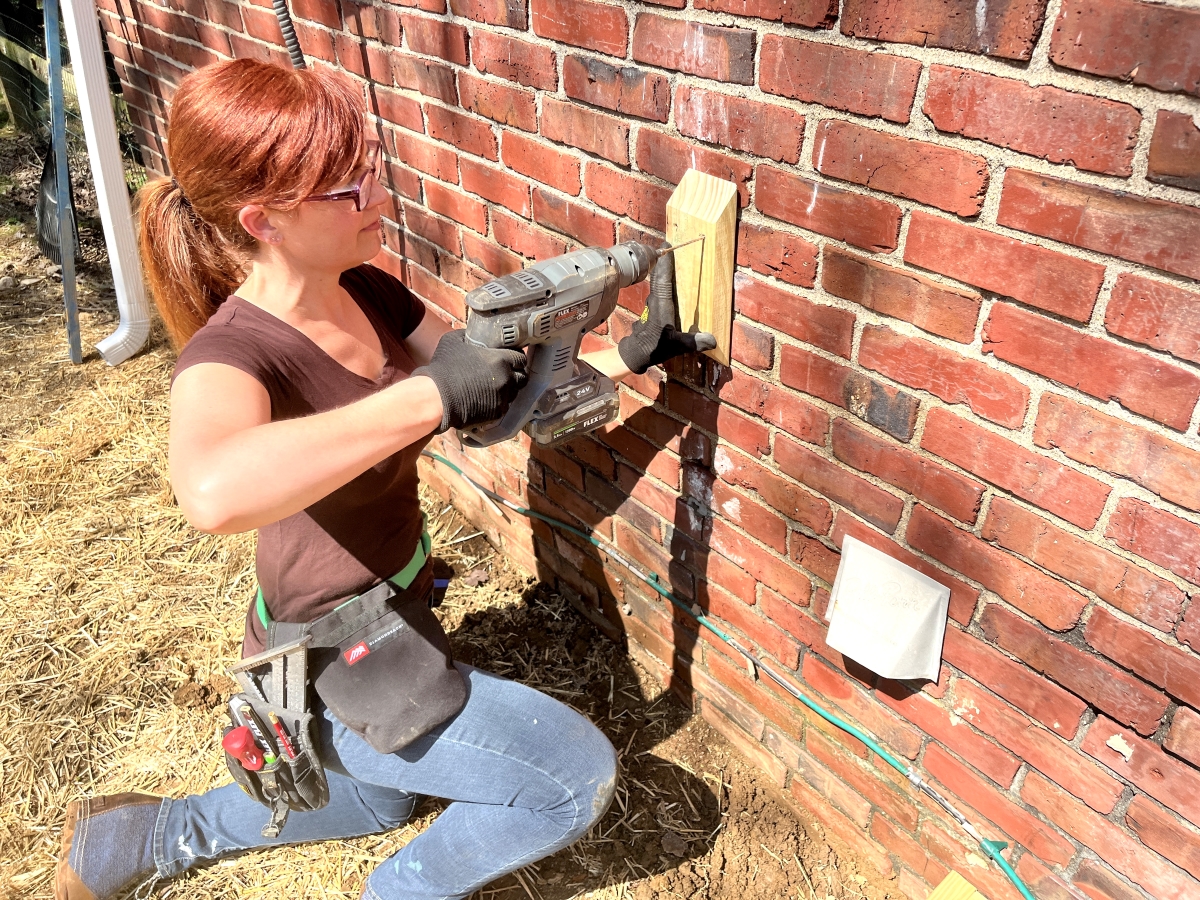
Image Source: www.bobvila.com
Choosing Your Arsenal: Essential Tools for Brick Drilling
Drilling into brick requires specific tools designed to handle hard, abrasive materials. Using the wrong equipment can lead to broken bits, damaged bricks, and frustration. Here’s what you’ll need:
The Powerhouse: Selecting the Right Drill
The type of drill you use makes a significant difference. For brick, you generally have two main options:
-
Hammer Drill: This is the go-to tool for most home DIYers tackling brick. A hammer drill combines a rotational action with a hammering action. The rapid hammering pulses are delivered along the axis of the drill bit, breaking up the masonry as it spins. This significantly speeds up the drilling process and makes it much easier to penetrate tough materials like brick.
-
Rotary Hammer: For very hard brick, dense concrete, or frequent, heavy-duty drilling, a rotary hammer is the superior choice. It uses a piston mechanism to deliver much more powerful, percussive blows than a hammer drill. While more powerful, they are also typically heavier and more expensive, making a good hammer drill sufficient for most home tasks.
The Cutting Edge: The Importance of Masonry Bits
Your choice of drill bit is paramount. Standard metal drill bits will dull and break almost instantly when used on brick. You need specialized masonry bits, also often referred to as drill bits for brick.
Understanding Masonry Bits
Masonry bits are constructed from hardened steel and feature a carbide tip. This carbide tip is the key to their effectiveness. It’s extremely hard and sharp, designed to grind away at the brick material rather than just cut it.
Types of Masonry Bits:
-
Carbide-Tipped Masonry Bits: These are the most common and suitable for most home drilling tasks into brick. They are affordable and perform well for general purposes.
-
Tungsten Carbide-Tipped Bits: A step up, these offer even greater durability and longevity, especially for harder bricks.
-
Diamond-Tipped Bits: These are the most aggressive and durable but also the most expensive. They are typically used for drilling through very hard materials like porcelain tiles or extremely dense concrete and are often overkill for standard brickwork.
When selecting your drill bits for brick, consider:
- Diameter: Choose a bit diameter appropriate for the anchor or screw you plan to use. Refer to the anchor manufacturer’s recommendations.
- Length: Ensure the bit is long enough to drill the required brick drilling depth, plus a little extra for ease of withdrawal.
- Shank Type: Most masonry bits have a round shank, but SDS (Slotted Drive System) shanks are common on rotary hammers and some hammer drills, offering a more secure grip and better power transfer.
Preparing for Success: Pre-Drilling Steps
Before you even think about powering up the drill, some preparation ensures a smoother and safer experience.
Assessing Your Brick
Not all bricks are created equal. Older, softer bricks might require less force than modern, dense, or engineered bricks. A quick tap with a hammer can give you an idea of the brick’s hardness. If it sounds hollow or crumbles easily, it’s likely softer.
Gathering Your Safety Gear
Drilling brick creates a lot of dust, and flying debris is a real hazard. Always wear:
- Safety Glasses: Essential to protect your eyes from dust and fragments.
- Dust Mask: Brick dust can be harmful to inhale, so a mask is highly recommended.
- Gloves: To protect your hands and improve grip.
- Hearing Protection: Hammer drills and rotary hammers can be loud.
Marking Your Spot
Use a pencil or chalk to clearly mark the exact spot where you need to drill. For precise placement, a marker can also be useful.
The Importance of a Pilot Hole
For larger fasteners or when drilling multiple holes in close proximity, drilling a pilot hole first can be beneficial. A pilot hole is a smaller hole drilled before the main hole.
- Benefits of a Pilot Hole:
- Guides the Larger Bit: It helps prevent the main bit from “wandering” or skating across the surface when you start drilling.
- Reduces Stress: It can lessen the stress on the brick, especially if it’s older or more brittle.
- Improves Accuracy: It ensures the larger hole is precisely where you intend it to be.
To drill a pilot hole, simply use a smaller diameter masonry bit (e.g., 3mm or 1/8 inch) and drill to the desired depth.
Mastering the Technique: How to Drill Into Brick
Now that you have your tools and have prepared the area, it’s time to get drilling. Here are the key drilling techniques brick to follow:
Step-by-Step Brick Drilling
-
Secure the Drill: Hold the drill firmly with both hands, especially when using a hammer drill. Ensure your grip is stable.
-
Set the Depth Stop (If Available): Many drills have a depth stop that you can adjust to prevent drilling too deep. Set this to your desired brick drilling depth. If your drill doesn’t have one, you can mark the desired depth on your drill bit with a piece of masking tape.
-
Start Slowly and Straight: Begin drilling at a slow speed with the drill held perfectly perpendicular to the brick surface. Applying too much pressure or drilling at an angle can cause the bit to break or the hole to be off-center.
-
Engage the Hammer Action: Once the bit has a small indent in the brick and is spinning steadily, engage the hammer action (if using a hammer drill or rotary hammer).
-
Apply Steady Pressure: Apply firm, consistent pressure. Let the drill do the work; forcing it too hard can overheat the bit and the drill motor.
-
Clear Debris Periodically: As you drill, dust and small fragments will accumulate in the hole. Periodically withdraw the drill bit (while it’s still spinning slowly) from the hole to clear out this debris. This prevents the bit from getting jammed and helps with cooling.
-
Continue to Desired Depth: Keep drilling, maintaining steady pressure and clearing debris, until you reach your marked depth.
-
Withdraw the Bit: Once you’ve reached the required depth, disengage the hammer action and slowly withdraw the drill bit while it’s still spinning. This helps to clean out the hole.
-
Clean the Hole: Use a brush or a can of compressed air to remove any remaining dust from the hole. A clean hole is crucial for proper brick anchor installation.
What If the Brick is Very Hard?
If you encounter a particularly hard brick and your hammer drill seems to be struggling:
- Check Your Bit: Ensure you are using a sharp, quality masonry bit. A dull or damaged bit will make the job much harder.
- Increase Hammer Action: If your hammer drill has adjustable settings, ensure the hammer action is engaged and at an appropriate setting.
- Consider a Rotary Hammer: For extremely hard materials, a rotary hammer is the best solution.
What If You Hit Mortar?
Brick walls consist of bricks and mortar joints. You will likely encounter mortar. Mortar is generally softer than brick. Your masonry bits will drill through it easily. If you’re drilling into a mortar joint, be aware that it might be slightly less stable than drilling into the solid brick itself.
Post-Drilling: Anchoring and Securing
Once your holes are drilled to the correct brick drilling depth and cleaned, you’re ready for the next step: brick anchor installation.
Choosing the Right Wall Plugs (Anchors)
Wall plugs, also known as anchors, are essential for creating a secure fixing point in brick. They come in various types:
-
Plastic Expansion Anchors: These are the most common and cost-effective. They expand as you insert a screw into them, gripping the brick. They are suitable for light to medium-duty applications.
-
Sleeve Anchors: These have a metal sleeve that expands against the brick. They offer more strength than basic plastic anchors and are good for heavier loads.
-
Self-Drilling Anchors (for Brick): Some specialized anchors are designed to screw directly into a pilot hole in brick without needing a separate wall plug. These are convenient but may not offer the same holding power as traditional anchors for very heavy items.
-
Wedge Anchors: Primarily used for concrete, these are generally too aggressive for brick and can cause it to crack. Stick to anchors specifically designed for masonry.
Installing Wall Plugs Correctly
- Match Anchor to Hole Size: Ensure the diameter of your wall plug matches the diameter of the hole you drilled.
- Insert the Anchor: Gently tap the wall plug into the hole with a hammer until it’s flush with the brick surface. Avoid forcing it too hard, which could damage the anchor or the brick.
- Secure Your Item: Drive the appropriate screw into the wall plug. The plug will expand, creating a tight grip.
Frequently Asked Questions (FAQ)
Q: Can I use a regular drill without hammer action for brick?
A: While technically possible with a very good masonry bit and a lot of patience, it’s not recommended. A standard drill lacks the percussive force needed to effectively break through brick, making the process slow, difficult, and likely to overheat your drill.
Q: What is the best drill bit for brick?
A: The best drill bit for brick is a carbide-tipped masonry bit. Look for bits specifically labeled for drilling into masonry or brick.
Q: How deep should I drill into brick?
A: The brick drilling depth should be slightly deeper than the length of the screw or anchor you intend to use. This ensures the anchor is fully seated and the screw has ample thread engagement. Always check the manufacturer’s recommendations for your specific anchor.
Q: Do I need a pilot hole when drilling brick?
A: A pilot hole is not always mandatory, especially for smaller screws or softer bricks. However, it is highly recommended for larger screws, heavier loads, or when you want to ensure maximum accuracy and prevent the main drill bit from wandering.
Q: What is the difference between concrete drill bits and masonry drill bits?
A: While often used interchangeably, concrete drill bits are typically designed for harder, more abrasive concrete. Drill bits for brick are also carbide-tipped masonry bits but might be optimized for the specific density of brick. In practice, a good quality masonry bit will work for both brick and concrete, and vice-versa for less demanding tasks.
Q: How do I prevent the brick from cracking when drilling?
A: To prevent cracking, use the correct tools (hammer drill or rotary hammer), sharp masonry bits, start slowly, apply steady pressure, and avoid excessive force. If drilling very close to the edge of a brick or a corner, be extra cautious. Using a pilot hole can also help.
Q: How do I clean the dust from the drilled hole?
A: After drilling, withdraw the bit slowly while it’s still spinning to clear some debris. Then, use a soft brush, a vacuum cleaner with a narrow nozzle, or a can of compressed air to thoroughly clean out the hole. A clean hole is vital for secure brick anchor installation.
Conclusion: Drilling Brick with Confidence
Drilling into brick might seem daunting, but with the right tools, proper preparation, and these drilling techniques brick, it becomes a manageable and successful DIY task. Remember to prioritize safety, choose quality masonry bits, and use a hammer drill or rotary hammer for the best results. Whether you’re hanging shelves, installing a bracket, or securing a fixture, mastering brick drilling will open up a world of possibilities for your home improvement projects.