
Can you sharpen a crosscut saw at home? Yes, you absolutely can sharpen a crosscut saw at home with the right tools and a bit of practice. Learning how to sharpen a crosscut saw is a fundamental skill for any woodworker or DIY enthusiast who uses hand saws. Proper saw sharpening ensures your tool cuts efficiently, cleanly, and with less effort. Neglecting crosscut saw maintenance can lead to frustration, damaged wood, and increased risk of injury. This guide will walk you through the entire process, from selecting the right tools to the final touches. We’ll cover everything you need to know about hand saw sharpening, saw blade sharpening, and keeping your crosscut saw in top condition.
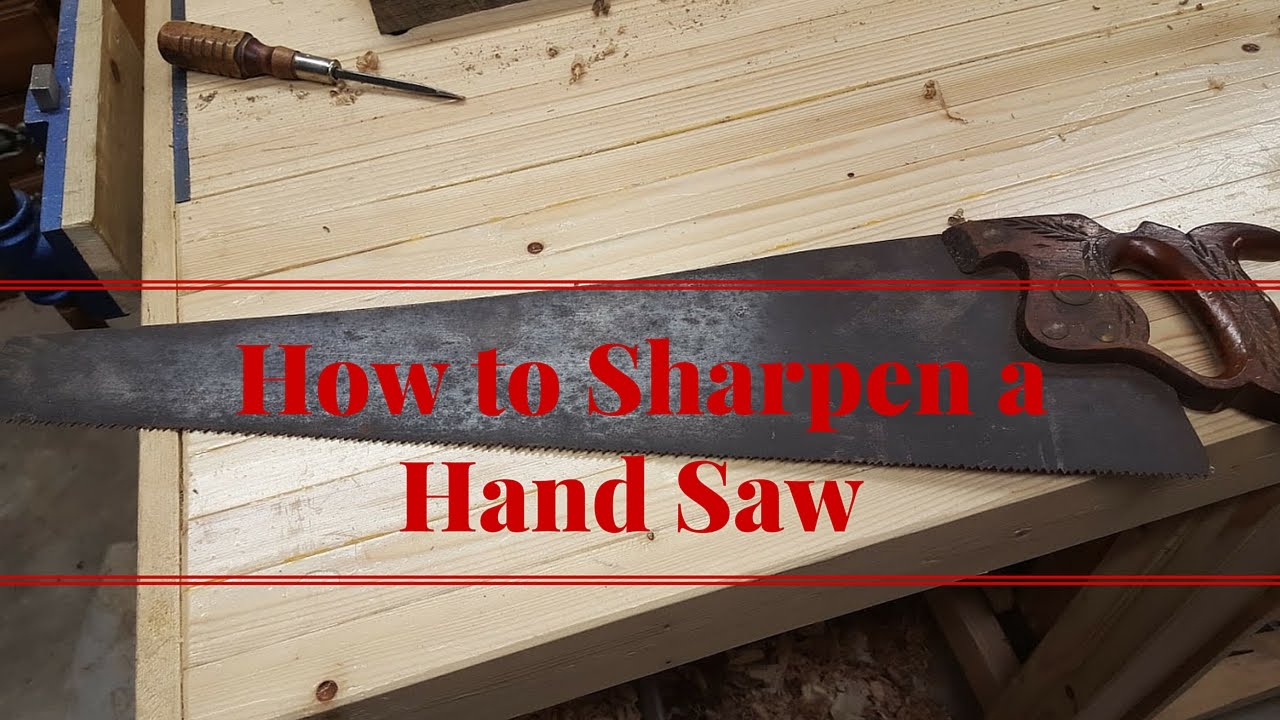
Image Source: i.ytimg.com
Why Sharpen Your Crosscut Saw?
A sharp crosscut saw makes all the difference. Imagine trying to cut through wood with a dull blade. It’s a struggle. The saw will bind, wander off course, and tear the wood fibers instead of slicing them. This not only makes the job harder and slower but also produces a rough, unsightly cut. A sharp saw, on the other hand, glides through the wood with ease, leaving a clean edge.
Here are the main benefits of keeping your crosscut saw sharp:
- Easier Cutting: Less physical effort is required.
- Cleaner Cuts: Reduces splintering and tear-out, resulting in a smoother finish.
- Improved Accuracy: The saw is less likely to wander, allowing for precise cuts.
- Increased Safety: A dull saw can bind suddenly, causing kickback and potential injury. A sharp saw is more predictable.
- Extended Tool Life: Regular maintenance prevents excessive wear on the teeth.
Tools You’ll Need for Saw Sharpening
Before you begin, gather all the necessary tools. Having everything ready will make the process smoother and more efficient.
Essential Tools:
- Crosscut Saw: Your trusty tool that needs some TLC.
- Saw Vice or Clamp: A specialized vice to hold the saw blade securely is ideal. A sturdy bench vice with soft jaws or wood blocks can also work.
- Saw File: This is the most crucial tool. For crosscut saws, a slim taper file or a three-square file is typically used. The size of the file should match the gullet (the space between teeth) and the kerf (the width of the cut) of your saw.
- Bench Vice: To hold your saw vice securely.
- Rags or Paper Towels: For cleaning the saw blade.
- Magnifying Glass (Optional but Recommended): To inspect the teeth closely for sharpness and shape.
- Marking Crayon or Chalk (Optional): To mark teeth you’ve already filed.
Optional but Helpful Tools:
- Saw Jointer: Used to level the tops of the teeth before filing.
- Saw Set: Used to bend or “set” the teeth outward slightly, creating a wider kerf than the blade itself to prevent binding.
- Guide Blocks or Jig: For ensuring consistent filing angles.
Preparing Your Crosscut Saw for Sharpening
Proper preparation is key to a successful sharpening job.
1. Secure the Saw:
- Clamp the saw blade firmly in your saw vice. Only expose the teeth you intend to sharpen.
- Ensure the saw is held perfectly flat and stable. Any movement during filing will result in uneven sharpening. If you don’t have a saw vice, use a bench vice with wood jaws to protect the blade.
2. Clean the Saw Blade:
- Wipe down the entire blade with a clean rag to remove any sawdust, sap, or grime. This will allow you to see the teeth clearly and prevent debris from interfering with the filing process.
3. Inspect the Teeth:
- Examine each tooth closely. Look for any bent or damaged teeth.
- Check for dullness. A dull tooth will have a rounded or blunted edge.
- Note the general condition of the teeth – are they uniformly shaped?
The Sharpening Process: Step-by-Step
This is where the magic happens. We’ll break down the saw teeth filing process into manageable steps.
Step 1: Flattening the Teeth (Optional but Recommended)
Before you start filing, it’s a good idea to flatten the tops of the teeth, especially if they are uneven.
- Using a Saw Jointer: A saw jointer is designed for this. You set the jointer so it just touches the very tip of the highest tooth. Run the jointer along the length of the saw blade. It will shave off the high spots, creating a uniform level across the tooth tops. This ensures that when you file, you’re starting with a consistent base.
Step 2: Filing the Teeth
This is the core of hand saw sharpening. The goal is to restore the sharp edge to each tooth.
- Choosing the Right File: For crosscut saws, you’ll typically use a slim taper file or a three-square file. The size is critical. The file should be narrow enough to fit into the gullet without touching the back of the adjacent tooth. A common size for general-purpose crosscut saws is a 6-inch or 7-inch slim taper file.
- Determining the Sharpening Angle: The standard sharpening angle for a crosscut saw is typically around 45-50 degrees relative to the face of the saw blade. However, you are filing the bevel of the tooth, which is usually around 20-30 degrees relative to a line perpendicular to the saw’s edge. Many files have guidelines, or you can use a jig. Aim for consistency.
- Visualizing the Angle: Imagine the saw blade is flat on a table. The teeth point upwards. You want to file the top edge of each tooth at an angle.
- Filing Technique:
- Place the file in the gullet of the first tooth you want to sharpen.
- Hold the file at the correct angle. Many prefer to hold the file at a slight downward angle as well, following the existing bevel.
- Draw the file across the tooth in a single, smooth stroke, moving away from you. Apply firm, even pressure.
- Lift the file on the return stroke. Do NOT file on the return stroke.
- Make one or two strokes per tooth, depending on how dull the saw is. The goal is to create a small, sharp burr on the edge of the tooth.
- File every other tooth along one side of the saw blade.
- Flip the saw over in the vice and file the remaining teeth on the other side, ensuring you maintain the same angle and pressure.
- Consistency is Key: The most important aspect of filing is maintaining a consistent angle and pressure for every tooth. Inconsistent filing will lead to uneven cutting and a less effective saw.
- Checking for Sharpness: After filing a section, lightly run your fingertip (carefully!) along the edge of the teeth. You should feel a tiny, sharp edge. You can also use a magnifying glass to check the apex of the tooth. The goal is to create a sharp point without removing too much metal.
Step 3: Setting the Teeth
After sharpening, the teeth need to be “set.” Setting saw teeth involves bending them slightly outward. This creates a kerf (the width of the cut) that is wider than the saw blade itself, preventing the blade from binding in the wood and reducing friction.
- Using a Saw Set: This is the most common tool for setting teeth.
- Place the jaws of the saw set over a tooth.
- Squeeze the handles to bend the tooth slightly outwards.
- The amount of set is crucial. Too little set, and the saw will bind. Too much set, and the cut will be wider than necessary, producing more sawdust and requiring more effort. A common guideline is for the teeth to bend out just enough so that the tip of one tooth extends slightly beyond the edge of the tooth next to it. This is often called “just kissing.”
- Set every other tooth on one side of the blade.
- Flip the saw and set the remaining teeth on the other side.
- Consistency in Set: Just like filing, consistent setting is vital. Ensure each tooth is bent out by approximately the same amount.
- Checking the Set: Look down the length of the saw blade from both the front and back. You should see the teeth alternating from side to side.
Step 4: Final Inspection and Cleaning
Once you’ve filed and set all the teeth, give your saw a final check.
- Inspect Each Tooth: Look for any missed teeth or inconsistencies in the filing or setting. Touch up any teeth that don’t feel sharp.
- Clean Again: Wipe down the blade one last time to remove any metal filings or debris.
Advanced Saw Sharpening Techniques: Gumming and Swaging
While filing and setting are the most common saw blade sharpening techniques for hand saws, older or specialized saws might also benefit from or require saw gumming and saw swaging. These are more advanced techniques usually applied to larger saws like circular saws or bandsaws, but they are part of the broader spectrum of saw maintenance.
Saw Gumming
Saw gumming refers to shaping the gullets (the U-shaped spaces between the teeth). For crosscut saws, the gullets are usually well-defined and don’t typically require reshaping unless they have become clogged with pitch or debris.
- Purpose: Proper gullet shape helps clear sawdust efficiently during a cut. If gullets are too shallow or rounded, they can pack with sawdust, causing the saw to bind.
- Process: This usually involves using a round file to smooth and slightly deepen the gullets. The goal is to create a clean, consistent curve. For most hand crosscut saws, this is often achieved as part of the regular filing process with the three-square file, as the file naturally shapes the gullet.
Saw Swaging
Saw swaging is a process where the tip of each tooth is hammered or pressed to create a larger, blunt point. This is an alternative to setting teeth by bending them.
- Purpose: Swaging creates a chisel-like point that helps clear the kerf. It’s less common for traditional hand crosscut saws but is used on some types of circular saw blades and larger frame saws.
- Process: This requires specialized swaging tools. The tooth tip is placed under a hardened die, and a hammer or press is used to spread the metal outwards.
For typical hand saw sharpening of a crosscut saw, you will focus primarily on filing and setting.
Maintaining Your Sharpened Saw
Once you’ve got your crosscut saw sharp and set, it’s important to maintain it.
- Storage: Store your saw in a dry place, ideally in a saw sheath or with a cloth wrapped around the teeth to protect them from damage and rust.
- Use: Use the saw for its intended purpose. Don’t force it through knots or nails.
- Cleaning: Wipe down the blade after each use.
- Re-sharpening: Sharpen your saw when you notice it becoming dull. This will be much easier than trying to restore a severely neglected blade.
Common Problems and Solutions in Saw Sharpening
Even with the best intentions, you might encounter some issues.
Problem: Uneven Teeth
Cause: Inconsistent filing angle or pressure.
Solution: Practice makes perfect. Use a filing aid or jig to help maintain a consistent angle. Go back and lightly re-file any teeth that seem off.
Problem: Saw Still Binds
Cause: Insufficient set, or the set is not consistent.
Solution: Re-set the teeth, ensuring each tooth is bent out by the same amount. Check if the kerf is wide enough for the blade thickness.
Problem: Saw Teeth Feel “Scratchy” After Filing
Cause: The file was pulled back across the teeth on the return stroke, or the file is too coarse.
Solution: Always lift the file on the return stroke. Ensure you are using the correct type and grit of file. A very fine file might be needed for a final polish.
Problem: Saw Doesn’t Cut Straight
Cause: Teeth are not uniform in shape, sharpness, or set.
Solution: This often requires starting the sharpening process over. Pay close attention to consistency in every step.
Frequently Asked Questions (FAQ)
Q1: How often should I sharpen my crosscut saw?
A1: This depends on how much you use it and the type of wood you cut. A good rule of thumb is to sharpen it when you notice it becoming noticeably harder to cut with, or when it starts to wander. For frequent users, this could be every few months. For occasional users, it might be once a year or even less.
Q2: What kind of file do I need for a crosscut saw?
A2: For most hand crosscut saws, a slim taper file or a three-square file is appropriate. The size of the file depends on the size of the saw teeth. The file should fit comfortably in the gullet without touching the adjacent tooth.
Q3: What is the correct sharpening angle for a crosscut saw?
A3: The bevel on the tooth face is typically filed at around 20-30 degrees relative to a line perpendicular to the saw’s edge. The overall angle of the file relative to the flat of the saw blade will be around 45-50 degrees. Consistency is more important than hitting an exact number, especially when starting out.
Q4: Can I use an electric grinder to sharpen a crosscut saw?
A4: While possible for some types of saws, it is generally not recommended for hand crosscut saws. Electric grinders remove metal very quickly and can easily overheat and damage the temper of the steel, making the teeth brittle and prone to breaking. Hand filing offers much more control and precision for delicate hand saw teeth.
Q5: What is “saw gumming”?
A5: Saw gumming is the process of shaping the gullets, the U-shaped spaces between the teeth. It’s important for efficiently clearing sawdust. While it’s a distinct process for some larger saws, for hand crosscut saws, it’s often handled as part of the regular filing.
Q6: What is “saw swaging”?
A6: Saw swaging involves hammering or pressing the tip of each tooth to create a blunt, chisel-like point, which is an alternative to setting teeth by bending them. This technique is more common for industrial saws than for traditional hand crosscut saws.
By following these steps, you can effectively sharpen your crosscut saw, ensuring it remains a valuable and efficient tool for all your woodworking projects. Happy sawing!