
A band saw is a powerful tool for cutting wood, metal, and other materials. Can I use a band saw for detailed scrollwork? Yes, with the right blade and technique. Who is a band saw best suited for? Both hobbyists and professionals can benefit from a band saw’s versatility.
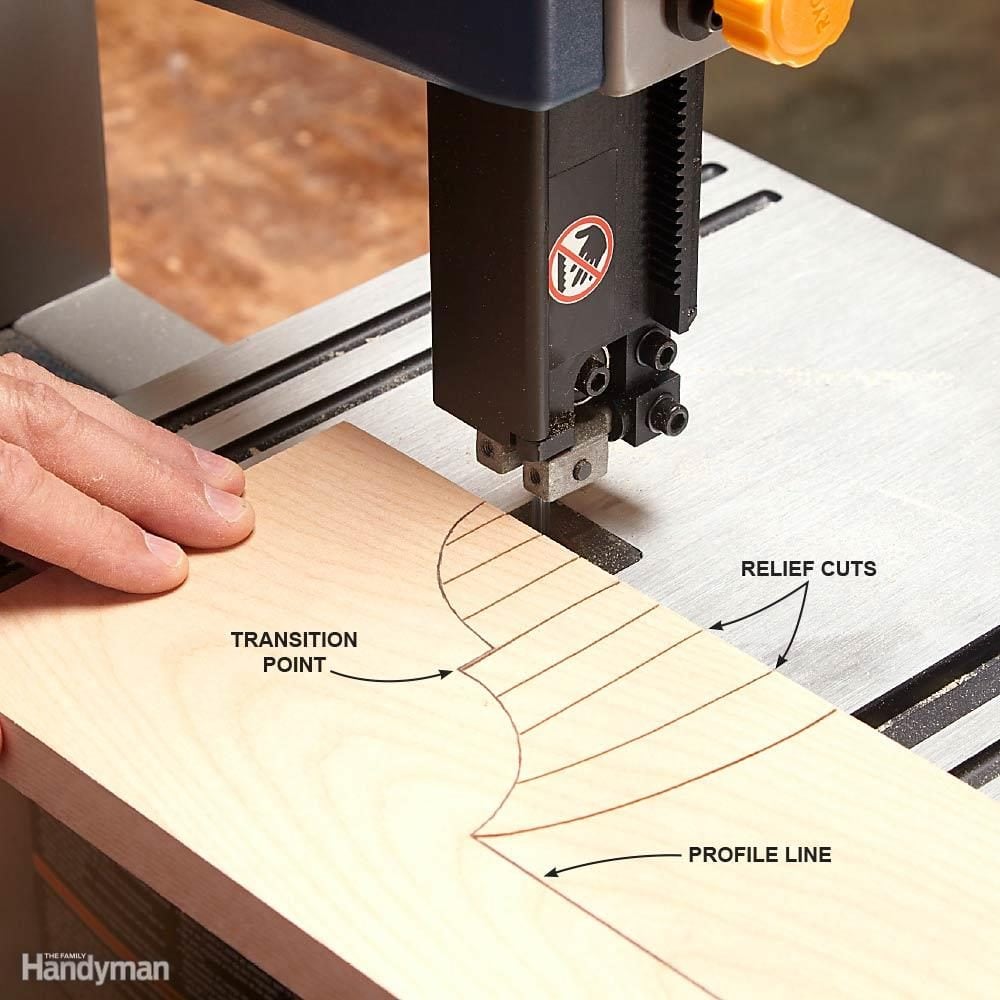
Image Source: www.familyhandyman.com
Preparing Your Band Saw for Use
Getting your band saw ready is the first step to safe and effective cutting. This involves proper band saw setup, ensuring all parts are aligned and secure.
Band Saw Setup Essentials
Proper band saw setup is crucial for accuracy and safety. This isn’t just about turning it on; it’s about making sure the machine is in optimal condition for the task at hand.
Checking the Work Area
Before you even touch the band saw, ensure your band saw work area is clear and well-lit. Clutter can lead to accidents. Remove any scraps, tools, or other items that could obstruct your movement or fall onto the saw. Good lighting helps you see what you’re doing, reducing errors and the risk of injury.
Inspecting the Band Saw
Take a moment to inspect the entire saw. Check for any loose bolts, damaged parts, or frayed wires. Ensure the blade guards are in place and functioning correctly. A quick visual check can prevent serious problems down the line.
Powering the Band Saw
Make sure the power cord is in good condition and plugged into a grounded outlet. If using a portable band saw, ensure the battery is fully charged. The band saw power source needs to be reliable.
Band Saw Blade Selection
The right band saw blade types can make a world of difference in your cutting. Different materials and cut types require different blades.
Blade Materials
- High-Speed Steel (HSS): Good for cutting hard metals and some plastics.
- Bi-metal: A combination of HSS teeth and a flexible back, offering durability and resistance to breakage. Excellent for a wide range of metals.
- Carbide-Tipped: Feature carbide teeth for exceptional hardness and wear resistance, ideal for abrasive materials or very tough metals.
- Carbon Steel: More flexible and less prone to shattering, suitable for general wood cutting and softer metals.
Tooth Count (TPI – Teeth Per Inch)
- Low TPI (2-6 TPI): Best for fast cutting of thicker materials like large logs or thick metal. The wider gullets (spaces between teeth) clear material efficiently.
- Medium TPI (8-14 TPI): Good all-around for medium-thickness materials like lumber or sheet metal.
- High TPI (18-32 TPI): Ideal for thin materials or delicate cuts, as they produce a smoother finish and are less likely to snag or tear.
Blade Width
- Narrow Blades: Essential for making curved cuts and intricate patterns.
- Wide Blades: Provide stability for straight cuts and resawing, preventing the blade from drifting.
Setting Band Saw Blade Tension
Correct band saw blade tension is critical for both the quality of your cuts and the longevity of the blade and the saw.
Why Tension Matters
- Too Loose: The blade can wander off-line during a cut, making it difficult to achieve accuracy. It can also twist, break, or jump off the wheels.
- Too Tight: Puts excessive stress on the blade, potentially causing it to snap prematurely. It can also damage the saw’s wheels and bearings.
Adjusting Tension
Most band saws have a tensioning handwheel, usually located at the top of the saw.
- Refer to your manual: The manual will specify the correct tension for different blade types and widths.
- Visual Inspection: Look at the blade as you tension it. It should be taut, with minimal flex when you push it sideways gently.
- Auditory Clue: Some experienced users can tell by the “ping” the blade makes when plucked. A proper tension often produces a clear, higher-pitched sound.
- Tension Gauge (Recommended): Many band saws have a built-in tension indicator or you can purchase an external one for precise settings.
Aligning the Band Saw Wheels
Proper wheel alignment ensures the blade tracks correctly.
Wheel Tires
Check the rubber tires on the upper and lower wheels. They should be in good condition, without cracks or missing pieces.
Blade Tracking
- Back the blade: Use the tensioning handwheel to slightly loosen the blade and move it forward or backward on the wheel.
- Center the blade: The blade should be centered on the tire, with the teeth just clearing the front edge.
- Adjust: Use the wheel alignment screws (usually at the back of the upper wheel housing) to move the wheel forward or backward. Make small adjustments and re-tension the blade to check the tracking.
Blade Guides
These guides (often blocks or bearings) support the blade on the sides and back.
- Spacing: Adjust the side guides so they are barely touching the blade.
- Backing Support: The thrust bearing at the back of the blade should be just touching the blade, providing support without creating friction.
Mastering Band Saw Cutting Techniques
Once your band saw is set up, you can begin cutting. Different band saw cutting techniques will help you achieve the best results.
Straight Cuts and Resawing
For straight cuts, a wider blade is generally preferred for stability.
Using the Band Saw Fence
The band saw fence adjustment is critical for precise straight cuts.
- Position the fence: Place the fence parallel to the blade.
- Check alignment: Ensure the fence is square to the saw’s table. A woodworking square is helpful here.
- Adjust: Most fences have adjustment screws to ensure they are perfectly parallel to the blade.
- Lock it down: Securely lock the fence in place once aligned.
The Resawing Process
Resawing is cutting a larger piece of wood into thinner planks. This often requires a wider blade and careful feed.
- Blade Choice: Use a wide blade (e.g., 1/2 inch or wider) with a relatively low TPI for efficient material removal.
- Feed Rate: Feed the wood smoothly and steadily into the blade. Don’t force it. Let the saw do the work.
- Support: If resawing large pieces, you might need a taller fence or auxiliary supports to keep the workpiece upright and stable.
- Blade Guides: Ensure the blade guides are set correctly to support the blade during the resawing process, especially the thrust bearing.
Curved Cuts and Intricate Patterns
Narrower blades are essential for making curves.
Following the Line
- Blade Width: Use the narrowest blade suitable for the material.
- Feed Direction: Guide the workpiece smoothly, turning it as needed to follow the desired curve. Don’t try to force the blade around a tight radius; make small adjustments.
- Relief Cuts: For tight curves or internal cuts, make relief cuts from the edge of the material to the start of the curve. This removes excess material and allows the blade to turn more easily.
- Plunge Cuts (with caution): Some band saws allow for plunge cuts by tilting the blade. This is advanced and requires significant practice. Always follow manufacturer instructions.
Turning the Workpiece
- Pivot Point: As you cut a curve, the blade acts as a pivot. You can turn the workpiece around the blade to follow the line.
- Blade Lead: Be aware that blades can have a slight “lead” or tendency to drift. Adjust your feed to compensate.
Cutting Different Materials
Band saw cutting techniques need to adapt to the material.
Wood
- Softwoods: Cut easily with a general-purpose blade.
- Hardwoods: May require a slightly more aggressive blade or slower feed rate.
- Plywood and Laminates: Use a blade with a higher TPI to minimize chipping and tear-out.
Metal
- Thin Sheet Metal: Use a fine-tooth blade (24-32 TPI) and a slower feed rate. Lubricant (cutting fluid) is highly recommended to prevent overheating and extend blade life.
- Thicker Metal: Use a bi-metal or carbide-tipped blade with appropriate TPI and plenty of coolant.
- Blade Speed: Many metal-cutting band saws have adjustable speeds. Lower speeds are generally used for metal.
Plastics
- Acrylics and Plexiglass: Use a blade with a high TPI (18-24 TPI) and a moderate feed rate. Too fast a feed can melt the plastic.
- Other Plastics: Consult blade manufacturer recommendations, as different plastics have varying melting points and hardness.
Band Saw Safety Tips
Safety is paramount when operating any power tool, especially a band saw. Adhering to these band saw safety tips will protect you and ensure smooth operation.
Personal Protective Equipment (PPE)
- Safety Glasses: Always wear safety glasses or a face shield to protect your eyes from flying debris.
- Hearing Protection: Band saws can be noisy, so wear earplugs or earmuffs.
- Dust Mask/Respirator: When cutting wood or other materials that produce dust, wear a mask to protect your lungs.
- Gloves: While gloves can offer some protection, they can also get caught in the blade. Avoid loose-fitting gloves. For most band saw operations, gloves are not recommended unless you are handling rough lumber and need grip.
Safe Operating Practices
- Never Reach Over the Blade: Keep your hands well away from the blade’s path.
- Maintain a Secure Stance: Stand with your feet shoulder-width apart for good balance.
- Keep Hands Clear of Blade Path: Always feed material with your hands positioned to the side of the blade, never directly in front of it.
- Use Push Sticks/Blocks: For small pieces or cuts where your hands would be too close to the blade, use push sticks or push blocks.
- Don’t Overreach: Move yourself around the saw rather than reaching over the blade.
- Blade Guards: Ensure all blade guards are in place and adjusted correctly.
- No Distractions: Avoid talking on the phone or engaging in conversations while operating the saw.
- Unplug When Changing Blades or Adjusting: Always disconnect the power before performing any maintenance or adjustments.
- Know Your Saw’s Limits: Don’t attempt cuts that are beyond the capacity of your band saw or your skill level.
- Read the Manual: Thoroughly read and comprehend the manufacturer’s manual for your specific band saw model.
Band Saw Maintenance: Keeping Your Tool in Top Shape
Regular band saw maintenance ensures your tool operates efficiently, accurately, and safely. Neglecting maintenance can lead to poor performance, premature wear, and safety hazards.
Regular Cleaning
- After Each Use: Sweep or vacuum away sawdust and debris from the table, base, and wheels.
- Blade Slot: Clear sawdust from the blade slot in the table.
- Dust Collection: If your saw has a dust collection port, ensure it’s clear and connected to a dust collector.
Blade Care
- Inspect Regularly: Check blades for dullness, broken teeth, or cracks. Replace damaged blades immediately.
- Cleaning Blades: Remove pitch and resin buildup from wood blades using a blade cleaner or solvent.
- Lubrication (for Metal Cutting): Use appropriate cutting fluid when cutting metal to prevent overheating and binding.
Blade Guides and Support System
- Check for Wear: Periodically inspect the blade guides (bearings or blocks) for wear or damage. Worn guides can cause blade drift.
- Adjust: Ensure guides are properly aligned and spaced according to the manual. The thrust bearing should support the blade without excessive friction.
Wheels and Tires
- Clean Tires: Keep the rubber tires clean. Resin buildup can cause the blade to slip.
- Inspect Tires: Check for cracks, nicks, or worn spots that could affect blade tracking. Replace if necessary.
- Wheel Alignment: Periodically check and adjust wheel alignment as described in the setup section.
Motor and Electrical Components
- Dust Buildup: Keep the motor housing free of dust, which can impede ventilation and cause overheating.
- Electrical Connections: Visually inspect the power cord and plug for any damage.
Lubrication
- Moving Parts: Refer to your manual for any lubrication points on the saw’s mechanisms, such as trunnions or height adjustment screws. Use the recommended lubricant.
Band Saw Troubleshooting: Common Issues and Solutions
Even with proper maintenance, you might encounter issues. Here’s a guide to band saw troubleshooting.
| Problem | Possible Cause | Solution |
|---|---|---|
| Blade wanders | Insufficient blade tension | Increase blade tension to the correct setting. |
| Misaligned blade guides | Adjust blade guides to properly support the blade. | |
| Worn blade guides | Inspect and replace worn guides. | |
| Incorrect blade type for the cut | Use a wider or stiffer blade. | |
| Blade back leading the cut | Ensure the thrust bearing is correctly set and supporting the blade. | |
| Blade breaks frequently | Excessive blade tension | Reduce blade tension. |
| Blade is too narrow for the radius being cut | Use a wider blade. | |
| Blade is dull or damaged | Replace the blade. | |
| Aggressive feeding of material | Slow down your feed rate. | |
| Improper blade tracking | Realign the blade tracking on the wheels. | |
| Rough cuts | Dull blade | Replace the blade. |
| Incorrect TPI for the material | Use a blade with a different tooth count. | |
| Blade tension is too loose | Increase blade tension. | |
| Worn or damaged blade guides | Adjust or replace blade guides. | |
| Forcing the material through the blade | Slow down your feed rate and let the saw do the work. | |
| Blade skips teeth | Blade tension is too loose | Increase blade tension. |
| Blade guides are too far from the blade | Adjust blade guides closer to the blade. | |
| Saw vibrates excessively | Saw is not properly secured or is on an uneven surface | Ensure the saw is on a stable, level surface, or secure it to a workbench. |
| Blade is damaged or unbalanced | Replace the blade. | |
| Wheel alignment issues | Check and adjust wheel alignment. | |
| Debris on wheels or tires | Clean the wheels and tires thoroughly. | |
| Motor overheats | Overloaded motor (cutting too fast or too hard) | Reduce feed rate, take breaks, or use a blade with a coarser TPI for heavy cuts. |
| Dust buildup in motor housing | Clean the motor housing and vents. | |
| Dull blade causing extra strain | Replace the blade. |
Frequently Asked Questions (FAQ)
Q: How tight should a band saw blade be?
A: The correct band saw blade tension depends on the blade type and width. Generally, it should be taut enough not to wander but not so tight that it causes premature blade breakage. Consult your band saw’s manual for specific tension recommendations, or use a tension gauge for accuracy.
Q: What is the best band saw blade for resawing?
A: For resawing, you’ll want a wider blade (1/2 inch or more) with a lower TPI (around 3-4 TPI) and sufficient gullets to clear sawdust. This provides stability and efficient material removal.
Q: Can I cut metal with a standard wood band saw?
A: While some band saws are designed for both wood and metal, a standard wood band saw can cut some metals with the right blade and technique. You’ll need a bi-metal or carbide-tipped blade with a higher TPI (18-32 TPI) and appropriate speed reduction (if available). Always use coolant and a slow, steady feed rate. If your band saw is not designed for metal, it’s best to use a dedicated metal-cutting band saw.
Q: How often should I change my band saw blade?
A: The frequency of blade changes depends on usage and the materials you cut. Inspect your blade regularly for dullness, broken teeth, or other damage. A dull blade will make cutting more difficult, produce rougher results, and put extra strain on the saw. For general woodworking, a blade might last for many hours of use, but for harder materials or frequent use, you might need to replace it more often.
Q: What are the essential band saw safety tips I must follow?
A: The most crucial band saw safety tips include wearing safety glasses, keeping hands away from the blade’s path, using push sticks for small pieces, ensuring all guards are in place, and unplugging the saw before making any adjustments or blade changes. Always read and follow your saw’s manual.
Q: How do I adjust the band saw fence?
A: The band saw fence adjustment involves ensuring it is perfectly parallel to the blade and square to the saw’s table. Most fences have adjustment screws that allow you to fine-tune their position. Tighten the fence securely once it’s aligned correctly.
Q: What are different band saw blade types?
A: Common band saw blade types include carbon steel (for general wood cutting), high-speed steel (HSS) and bi-metal (for metal cutting), and carbide-tipped blades (for abrasive or very hard materials). The tooth count (TPI) and width of the blade also vary, impacting its suitability for different tasks.