
Ever wonder why some speakers sound amazing while others fall flat? It’s not just about the fancy drivers and complex electronics. A huge part of a speaker’s sound comes from its box, its cabinet. Choosing the right wood for that cabinet is super important, but it can also be confusing! You might be asking yourself, “Does it really matter what kind of wood I use?” The answer is a resounding yes!
Picking the perfect wood can feel like a puzzle. You want a cabinet that makes your speakers sound their best, but you don’t want it to cost a fortune or be impossible to work with. Different woods can change the sound, making it boomy, tinny, or clear as a bell. It’s a big decision that can make or break your audio project, and it’s easy to feel lost in all the choices.
But don’t worry! By the end of this post, you’ll understand exactly why wood choice matters so much. We’ll explore the most popular woods for speaker cabinets, discuss their unique qualities, and help you figure out which one is the best fit for your next build. Get ready to learn how to make your speakers sing with the perfect wooden home.
Our Top 5 Wood For Speaker Cabinets Recommendations at a Glance
Top 5 Wood For Speaker Cabinets Detailed Reviews
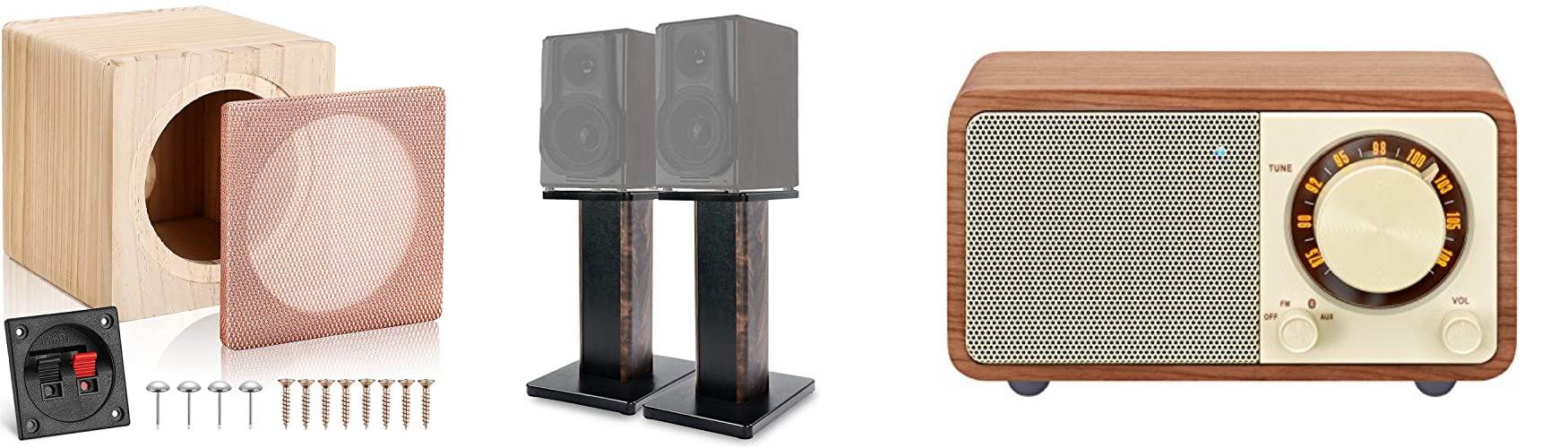
1. Facmogu 4in Solid Wood Speaker Enclosure

Rating: 9.0/10
The Facmogu 4in Solid Wood Speaker Enclosure is a fantastic option for anyone looking to build their own custom car or truck audio system. This unloaded box comes ready for your speaker, offering a natural acoustic advantage to improve your sound.
What We Like:
- It really makes your speaker sound better! The wooden box helps improve the bass and captures more of the music’s details.
- You can make it look exactly how you want. The solid Brazilian Pine Wood is easy to paint, stain, or clear coat to match your style.
- It’s built to last. Wood is a durable material that won’t easily wear out, meaning your custom speaker will be around for a long time.
- It comes with sound-absorbing cotton. This cotton helps reduce vibrations and makes the sound cleaner. It even has adhesive on the back to keep it in place.
- It’s a great value for a wooden speaker box. Wood is known for its natural ability to make music sound great.
What Could Be Improved:
- Be careful of wood burrs. You might need to do a little sanding to make sure the edges are smooth.
- You need to check the size carefully. Make sure your 4-inch speaker will fit before you buy it.
This speaker enclosure is a solid choice for DIY audio enthusiasts. It provides a great foundation for a custom sound system that you can personalize and enjoy for years to come.
2. 20 Inch (50CM) – Pair- Wood Speaker Stands for Home-Cinema HiFi Desktop and Satellite Speakers Monitor Stands

Rating: 9.2/10
Elevate your audio game with this pair of 20-inch (50CM) wooden speaker stands. Designed to enhance your home theater, HiFi setup, or desktop speakers, these stands bring your sound to ear level for a truly immersive listening experience. Their classic wood grain finish complements any decor, making them a stylish and functional addition to your entertainment space.
What We Like:
- The stands are made from premium quality wood, ensuring they are both sturdy and durable.
- They can hold up to 110lbs (55kg), making them suitable for a wide range of speakers.
- The hollow design allows you to fill them with dry sand for extra stability and weight.
- At 20 inches tall, they position your speakers perfectly for an improved listening experience.
- Their universal design fits most bookshelf speakers and blends well with various furnishing styles.
- Assembly is straightforward and can be completed in just a few minutes with the included instructions and accessories.
What Could Be Improved:
- While the wood grain leather surface is attractive, some users might prefer a solid wood option.
- The provided dimensions are specific, so ensuring they fit your exact speaker size is important before purchasing.
These speaker stands offer a fantastic way to improve your sound quality and the overall look of your audio setup. They are a solid investment for anyone seeking a better home theater or HiFi listening experience.
3. Sangean WR-7WL Wood Cabinet Mini Bluetooth Speaker with FM Tuner and Aux-in Walnut/Wood

Rating: 8.9/10
The Sangean WR-7WL is a mini Bluetooth speaker that looks like a classic radio. It has a beautiful wood cabinet and sounds great. You can stream music from your phone or listen to the FM radio. It’s also easy to take with you.
What We Like:
- It has a really nice, classic look. The wood cabinet feels fancy.
- The sound quality is excellent. Sangean even won an award for it!
- You can connect your phone with Bluetooth or use the aux-in.
- The battery lasts a long time, up to 36 hours.
- It comes with everything you need, like a charging cable and a carrying pouch.
- The Vernier tuning makes it easy to find radio stations.
- The special amplifier helps the radio sound clear and the Bluetooth work efficiently.
- The wooden cabinet and passive subwoofer help the sound.
What Could Be Improved:
- It’s a mini speaker, so it might not be loud enough for big parties.
- The FM antenna is just a wire, which could be a bit more sturdy.
The Sangean WR-7WL is a stylish and great-sounding speaker. It’s perfect for enjoying your music and radio wherever you go.
4. Dayton Audio Classic B40 Bookshelf Speaker Pair (Wood)

Rating: 8.8/10
The Dayton Audio Classic B40 Bookshelf Speaker Pair (Wood) offers impressive sound for its size. These speakers are perfect for small spaces where you still want great audio. You can put them on your desk, in your bedroom, or even in the garage. They are designed to sound good no matter where you place them.
What We Like:
- COMPACT SIZE: These speakers fit easily on desks, in bedrooms, or garages, making them great for any space.
- VERSATILE PERFORMANCE: They deliver exciting sound for movies and clear audio for music, making your entertainment more engaging.
- 4” BASS DRIVERS: The 4-inch bass drivers and well-made cabinets provide good bass for near-field listening.
- SILK DOME TWEETER: The 1-inch silk dome tweeters produce clear, detailed treble that sounds natural, not sharp.
- TRUE HI-FI DESIGN: Real crossovers make sure the sound is split correctly between the woofer and tweeter, giving you a rich listening experience.
- WALL MOUNTABLE: You can hang these speakers on the wall to save even more space.
- HIGH-QUALITY CONNECTIONS: Gold-plated binding posts let you use good speaker cables for the best sound.
What Could Be Improved:
- For a fuller sound, you might want to add a subwoofer.
These Dayton Audio speakers are a fantastic choice for anyone looking for compact, high-quality sound without breaking the bank. They bring your music and movies to life.
5. Sangean WR-7GW Wood Cabinet Mini Bluetooth Speaker with FM Tuner and Aux-in Special Edition Color Gold/Walnut

Rating: 8.8/10
The Sangean WR-7GW Wood Cabinet Mini Bluetooth Speaker in its special edition Gold/Walnut finish is a stylish and versatile audio companion. It brings together classic design with modern features, making it a great addition to any room. This little speaker packs a punch, offering clear sound for your music and radio needs.
What We Like:
- Beautiful wood cabinet design that looks great anywhere.
- Built-in FM tuner lets you listen to your favorite radio stations.
- Bluetooth connectivity makes streaming music easy from your phone or tablet.
- Aux-in port offers another way to connect your devices.
- The gold and walnut color combination is a unique and elegant touch.
- Compact size makes it easy to move from room to room.
- Simple controls are intuitive and user-friendly.
What Could Be Improved:
- Battery life could be longer for extended listening sessions away from an outlet.
- Bass response is decent but might not satisfy audiophiles looking for deep lows.
- Volume could be a bit louder for larger spaces.
This Sangean WR-7GW speaker offers a delightful blend of retro charm and contemporary functionality. It’s a fantastic choice for those who appreciate good sound and attractive design.
Choosing the Right Wood for Your Speaker Cabinets
Building your own speakers is a rewarding project. The cabinet is just as important as the speaker drivers themselves. The wood you choose greatly impacts the sound quality. Let’s explore what makes good speaker cabinet wood.
Key Features to Look For
When picking wood for your speaker cabinets, keep these features in mind:
- Density: Denser woods are better. They stop vibrations from escaping the cabinet. This gives you clearer, more focused sound. Less vibration means less unwanted noise.
- Stiffness: Stiff wood resists bending. This is important because the cabinet walls can vibrate. Stiff wood helps keep the sound clean.
- Internal Damping: Some woods naturally absorb sound waves inside the cabinet. This reduces echoes and resonances. It makes the music sound more natural.
- Ease of Working: You’ll need to cut and shape the wood. Some woods are easier to work with than others. Hardwoods can be tough to cut. Softwoods are easier but might be less dense.
- Cost: Wood prices vary a lot. You want to find a good balance between quality and what you can afford.
Important Materials
Several types of wood are popular for speaker cabinets. Each has its own strengths.
- MDF (Medium-Density Fiberboard): This is a very common choice. It’s made from wood fibers pressed together with glue.
- Pros: MDF is dense, stiff, and very affordable. It’s easy to cut and shape. It doesn’t warp easily. It offers excellent sound isolation.
- Cons: It’s heavy. It can absorb moisture if not sealed properly. It’s not as attractive as natural wood without veneer.
- Plywood: Plywood is made by gluing thin layers of wood together. For speaker cabinets, look for high-quality Baltic Birch plywood.
- Pros: Good quality plywood is strong and stable. Baltic Birch is known for its density and stiffness. It can look very nice.
- Cons: Lower-quality plywood can have voids inside, which affect sound. It can be more expensive than MDF.
- Solid Hardwoods (Oak, Maple, Walnut): These are beautiful natural woods.
- Pros: They can offer good density and stiffness. They look fantastic. They add a premium feel to your speakers.
- Cons: Solid wood can be very expensive. It can warp or crack with changes in humidity. It’s harder to work with. It’s often used for the front baffle or as a decorative veneer.
Factors That Improve or Reduce Quality
Several things affect how good your speaker cabinet wood is.
- Thickness: Thicker wood generally means better isolation and less vibration. For most bookshelf speakers, ¾ inch (around 18-19 mm) is a good starting point. Larger floor-standing speakers might benefit from even thicker wood.
- Construction Method: How you join the pieces of wood matters. Strong, airtight joints are crucial. Screws and glue are common. Using braces inside the cabinet also adds strength and reduces panel resonance.
- Finishing: Sealing the wood is important. It protects the wood and can improve its damping qualities. Paint, lacquer, or veneer all work. Unfinished wood can absorb moisture.
- Internal Bracing: Adding internal supports (braces) connects opposite walls of the cabinet. This stops the panels from vibrating too much. It’s a simple way to improve sound quality significantly.
- Veneers: A thin layer of attractive wood (veneer) can be applied over MDF or plywood. This gives you the look of solid wood without the cost or weight.
User Experience and Use Cases
Choosing the right wood affects how you experience your music.
- For Beginners: MDF is often recommended for first-time builders. It’s forgiving and provides excellent sonic results for its cost. You can paint or veneer it to make it look great.
- For Audiophiles: Those seeking the absolute best sound might opt for high-grade Baltic Birch plywood or use solid wood for specific parts. They focus on minimizing any cabinet coloration.
- Aesthetic Appeal: If the look of your speakers is very important, solid hardwoods or attractive wood veneers are the way to go. These can turn your speakers into furniture pieces.
- Budget Builders: MDF is the king of budget-friendly, high-performance cabinets. You can still achieve fantastic sound without spending a fortune.
Frequently Asked Questions (FAQ)
Q: Is MDF good for speaker cabinets?
A: Yes, MDF is an excellent material for speaker cabinets. It’s dense, stiff, and affordable. It offers great sound isolation and is easy to work with.
Q: What is the best wood for sound quality?
A: There isn’t one single “best” wood. However, dense and stiff woods like Baltic Birch plywood and well-constructed MDF are highly regarded for their sonic performance. Some audiophiles also use specific solid hardwoods.
Q: Should I use plywood or MDF?
A: For most projects, MDF offers a great balance of cost and performance. High-quality Baltic Birch plywood is also an excellent choice, especially if you prefer its look or want a slightly lighter option than MDF.
Q: Can I use solid wood for the whole cabinet?
A: You can, but it’s often expensive and can warp. Solid wood is sometimes used for the front baffle or as a decorative outer layer (veneer) over MDF or plywood.
Q: How thick should the wood be?
A: For most bookshelf speakers, ¾ inch (about 18-19 mm) thick wood is recommended. Larger speakers might need thicker material.
Q: Does the way the wood is joined matter?
A: Yes, absolutely. Strong, airtight joints are crucial for good sound. Screws and glue are commonly used.
Q: What is internal bracing?
A: Internal bracing adds supports inside the cabinet. These connect opposite walls and stop them from vibrating, which improves sound clarity.
Q: Is it important to seal the wood?
A: Yes, sealing the wood protects it from moisture and can help improve its damping qualities. Paint, lacquer, or veneer all provide sealing.
Q: Can I use cheap plywood?
A: It’s best to avoid very cheap plywood. It might have gaps or voids inside that can negatively affect the sound. High-quality Baltic Birch plywood is a much better option.
Q: Will the wood type really change the sound that much?
A: Yes, the wood choice significantly impacts the sound. It affects how the cabinet resonates and isolates sound, which in turn influences the clarity and accuracy of the audio you hear.
In conclusion, every product has unique features and benefits. We hope this review helps you decide if it meets your needs. An informed choice ensures the best experience.
If you have any questions or feedback, please share them in the comments. Your input helps everyone. Thank you for reading.