
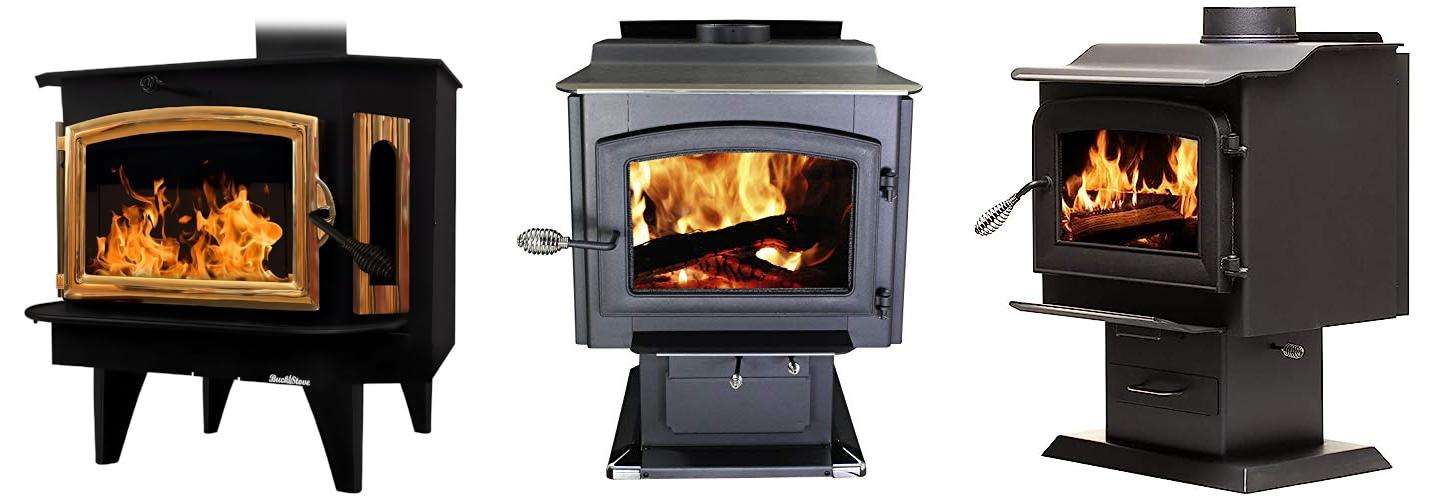
Imagine a cozy fire on a chilly evening, but without the smoky smell or the constant need to refuel. What if your wood stove could be cleaner, burn longer, and save you money on heating bills? That’s the promise of a catalytic wood stove, a modern marvel that’s changing how we think about burning wood.
Choosing a new wood stove can feel overwhelming. You want something that’s efficient and good for the environment, but the technology can seem complicated. Many people worry about the cost, how to operate it properly, and if it’s really worth the extra effort. It’s easy to get lost in all the different features and brands.
But don’t worry! By the end of this post, you’ll understand exactly what makes catalytic wood stoves special. We’ll break down the benefits, explain how they work in simple terms, and help you figure out if one is the right choice for your home. Get ready to discover a smarter way to enjoy the warmth of a wood fire.
Our Top 5 Catalytic Wood Stove Recommendations at a Glance
Top 5 Catalytic Wood Stove Detailed Reviews
1. Buck Stove Freestanding Model 91

Rating: 8.6/10
The Buck Stove Freestanding Model 91 is a powerful and stylish wood-burning stove designed to keep your home toasty warm. With its impressive 62,745 BTUs, this catalytic stove can heat up to 3,200 square feet. It features a heat-activated blower that efficiently spreads warmth throughout your space. You can install it as a freestanding unit or as an insert, and it comes with customizable steel legs and a beautiful traditional design. The pewter door and windows add a touch of elegance, and the large viewing area lets you enjoy the cozy flames. This stove is a fantastic option for anyone looking for effective and attractive heating.
What We Like:
- Powerful heating covers a large area (up to 3,200 sq ft).
- Versatile installation as freestanding or insert.
- Elegant, traditional design with customizable door/window colors.
- Large viewing window for a cozy fire experience.
- Includes a heat-activated blower for better heat circulation.
- Made by Buck Stove, an American company.
What Could Be Improved:
- Requires manufacturer registration for warranty.
- Warranty validity depends on installation complying with local codes.
- Warranty is a 1-year replacement and 5-year limited parts warranty, not a full replacement for the entire duration.
This Buck Stove Model 91 offers a great balance of heating power and aesthetic appeal. It’s a solid choice for homeowners seeking reliable and beautiful wood heat.
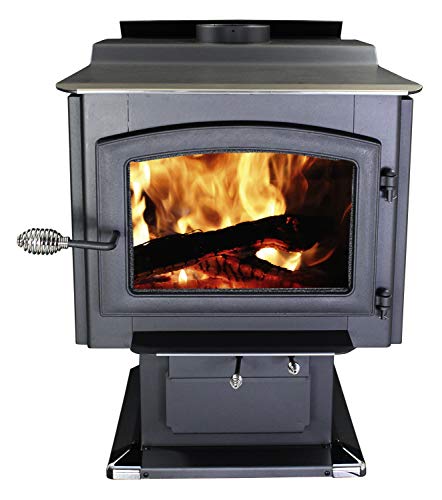
2. Ashely Hearth AW3200E-P 3
Rating: 9.3/10
The Ashely Hearth AW3200E-P 3,200 Sq. Ft. EPA Certified Pedestal Wood Burning Stove with Blower is a powerful and stylish way to heat your home. This stove is designed to keep large spaces warm and cozy, making it ideal for bigger houses or workshops. It’s built tough and looks great, adding a touch of elegance to any room.
What We Like:
- It heats a huge area, up to 3,200 square feet, with a strong 152,000 BTUs.
- The stove is made with heavy-duty steel and lined with firebricks, so it will last a long time and burn wood very efficiently.
- You can fit big logs, from 18 to 22 inches long, and it holds a good amount of wood, up to 30 pounds.
- The included blower (100 CFM) helps spread the warm air evenly throughout your space.
- It has a nice brushed nickel door handle and a sleek pedestal base that makes it look very attractive.
What Could Be Improved:
- While powerful, the initial setup and installation might require professional help or some DIY skills.
- Operating a wood stove requires regular maintenance, like cleaning out ashes and checking the chimney.
This stove offers serious heating power and a beautiful design. It’s a solid choice for anyone needing to heat a large space with the warmth and charm of a wood fire.
3. Ashley Hearth Pedestal Wood Burning Stove

Rating: 9.1/10
Warm up your home with the Ashley Hearth Pedestal Wood Burning Stove. This stove is designed to heat up to 1,200 square feet, making it a great option for larger rooms or even small homes. Its sleek black finish and elegant pedestal base will add a touch of style to any space. Plus, it’s EPA certified, meaning it’s an efficient and environmentally friendly choice for your heating needs.
What We Like:
- Powerful heating: It produces 68,000 BTUs, enough to warm spaces up to 1,200 square feet.
- Built to last: The firebrick lining helps the stove burn efficiently and last a long time.
- Easy cleanup: The large ash pan with a brushed nickel handle makes cleaning up simple.
- Accommodates big logs: It can fit logs up to 18 inches long, so you can enjoy a longer burn time.
- Stylish design: The brushed nickel spring door handle and pedestal base give it a modern, elegant look.
What Could Be Improved:
- Blower is extra: You’ll need to buy the blower separately if you want to circulate the warm air.
This stove offers powerful heating and a stylish design that will enhance any room. It’s a solid choice for anyone looking to add cozy warmth to their home.
4. Ashley Hearth AW2520E-P 2

Rating: 8.8/10
Warm up your home with the powerful Ashley Hearth AW2520E-P wood burning stove. This stove is designed to heat large spaces, up to 2,500 square feet, with an impressive 112,800 BTUs. It’s EPA certified, meaning it’s efficient and better for the environment. The firebrick lining helps it burn longer and more effectively. Plus, cleaning is simple thanks to the large ash drawer. You can fit big logs up to 21 inches long, so you won’t have to chop wood constantly. The stove looks good too, with a brushed nickel door handle and a stylish pedestal base.
What We Like:
- Heats a large area (up to 2,500 sq ft) with powerful 112,800 BTUs.
- EPA certified for efficient and cleaner burning.
- Firebrick lining adds durability and improves combustion.
- Large ash drawer makes cleaning up easy.
- Accepts long logs (up to 21 inches) for less frequent reloading.
- Attractive brushed nickel accents and pedestal base enhance room decor.
What Could Be Improved:
- Blower is sold separately, adding an extra cost.
The Ashley Hearth AW2520E-P is a strong contender for anyone needing to heat a large home with wood. Its combination of power, efficiency, and attractive design makes it a worthwhile investment for cozy winter nights.
5. Midwest Hearth Wood Stove Catalytic Combustor Replacement Catalyst Vermont Castings Defiant and Encore Flexburn (2.5″ x 12.75″ x 1″ Ceramic) Made in USA

Rating: 9.5/10
Keep your Vermont Castings wood stove running efficiently and cleanly with this Midwest Hearth Catalytic Combustor Replacement. Designed specifically for Defiant, Encore, and Flexburn models, this ceramic combustor is made right here in the USA. It’s a smart upgrade for anyone looking to get the most out of their wood heat.
What We Like:
- Made with superior quality ceramic and advanced engineering for top performance.
- Significantly decreases pollution by removing 70% of harmful wood stove emissions, making your home healthier.
- Saves you money by using less wood to produce the same amount of heat, potentially saving up to one-third of your firewood costs and burning up to 8 hours longer.
- Improves safety by preventing creosote buildup, which lowers the risk of chimney fires.
- Comes with a 5-year prorated warranty, showing confidence in its low defect rate and durability.
- It’s made in the USA, supporting domestic manufacturing.
What Could Be Improved:
- Specific model compatibility might require careful checking for some stove owners.
- The installation process, while generally straightforward for a replacement part, could be a barrier for those not comfortable with basic stove maintenance.
This Midwest Hearth catalytic combustor is an excellent investment for your wood stove. It offers significant benefits in terms of efficiency, environmental impact, and safety.
Your Guide to a Cozy, Clean-Burning Catalytic Wood Stove
Thinking about a wood stove for your home? A catalytic wood stove offers a cleaner, more efficient way to enjoy the warmth of a real fire. This guide will help you understand what makes a good catalytic stove and what to consider before you buy.
What is a Catalytic Wood Stove?
A catalytic wood stove burns wood more completely. It uses a special ceramic element called a catalyst. This catalyst helps the smoke burn at lower temperatures. This means less smoke goes up your chimney and more heat stays in your room. It’s a smarter way to burn wood.
Key Features to Look For
1. Catalyst Efficiency and Durability
The heart of a catalytic stove is its catalyst. Look for stoves with high-efficiency catalysts. They should last a long time. Some catalysts last for many years, while others might need replacing sooner. Check the manufacturer’s warranty for the catalyst.
2. Combustion System Design
A good stove design helps the catalyst work its best. Look for stoves with good air control. This helps you manage the fire. A well-designed stove will burn wood evenly and produce less ash.
3. Heat Output (BTUs)
BTUs (British Thermal Units) tell you how much heat the stove produces. Match the BTU output to the size of the room you want to heat. A stove that’s too small won’t warm the space. A stove that’s too big can overheat the room.
4. Air Wash System
This feature uses air to keep the glass door clean. It blows air over the glass. This stops soot from building up. A clean glass door lets you see the beautiful flames.
5. EPA Certification
The Environmental Protection Agency (EPA) sets standards for wood stoves. Look for stoves that meet these standards. EPA-certified stoves are more efficient and produce less pollution.
Important Materials
The materials used in a wood stove affect its performance and lifespan.
- Steel: Many stoves use steel. It heats up quickly and transfers heat well. Thicker steel generally means a more durable stove.
- Cast Iron: Some stoves use cast iron. It holds heat for a long time. Cast iron stoves often have a classic look.
- Firebrick Lining: Firebricks protect the stove’s walls from intense heat. They also help retain heat and radiate it into the room.
- Catalyst Material: The catalyst itself is usually made of ceramic. It’s coated with platinum or other precious metals that help with combustion.
Factors That Improve or Reduce Quality
Improving Quality:
- Thick Steel or Cast Iron: These materials make the stove last longer and perform better.
- Good Insulation: Well-insulated stoves lose less heat.
- Precise Air Controls: These allow for fine-tuning the burn.
- Durable Catalyst: A long-lasting catalyst means less frequent replacement.
Reducing Quality:
- Thin Metal: This can warp or burn through over time.
- Poorly Designed Airflow: This leads to inefficient burning and more smoke.
- Low-Quality Catalyst: These may not work as well or last as long.
- Cheap Door Seals: Leaky seals let heat escape and draw in unwanted air.
User Experience and Use Cases
Catalytic wood stoves are great for people who want efficient, clean heat. They are perfect for primary heating in smaller homes or as a supplemental heat source in larger ones. They offer a cozy ambiance without as much environmental impact.
Using a catalytic stove is a bit different from a regular wood stove. You’ll need to learn how to activate the catalyst. This usually involves burning the stove at a higher temperature for a while. Once activated, you can lower the heat. Always follow the manufacturer’s instructions.
They are ideal for off-grid living or for those who want to reduce their heating bills and carbon footprint. The extended burn times mean you don’t have to refuel as often.
Important Note: Always check local building codes and regulations before installing any wood stove.
Frequently Asked Questions (FAQ)
Q: Are catalytic wood stoves hard to use?
A: They have a slight learning curve. You need to learn how to activate the catalyst. Once you do, they are easy to operate.
Q: How often do I need to replace the catalyst?
A: This depends on the stove and how you use it. Many catalysts last 5-10 years or even longer.
Q: Do catalytic stoves produce less smoke?
A: Yes, they burn wood more completely. This means much less smoke goes up the chimney.
Q: Are catalytic wood stoves more efficient than regular wood stoves?
A: Yes, they are. They burn fuel more completely, getting more heat from less wood.
Q: Can I use any kind of wood in a catalytic stove?
A: It’s best to use seasoned hardwood. Avoid treated wood or trash.
Q: Do catalytic stoves get very hot?
A: Like any wood stove, they get very hot. Keep flammable materials away from them.
Q: Do I need special tools to operate a catalytic stove?
A: Usually, no. You might need a stove thermometer to monitor temperatures.
Q: Are catalytic wood stoves expensive?
A: They can be more expensive upfront than non-catalytic stoves. But they save you money on fuel over time.
Q: How do I know if a catalytic stove is right for me?
A: If you want cleaner burning, more efficiency, and longer burn times, it’s a great choice.
Q: Where is the best place to install a catalytic wood stove?
A: Install it in a central location for best heat distribution. Always follow safety guidelines and clearances.
In conclusion, every product has unique features and benefits. We hope this review helps you decide if it meets your needs. An informed choice ensures the best experience.
If you have any questions or feedback, please share them in the comments. Your input helps everyone. Thank you for reading.