
Imagine capturing breathtaking photos with incredible detail and beautiful background blur. That’s the magic of full-frame photography, and when you pair it with a Sony camera, you unlock amazing creative potential. But stepping into the world of full-frame lenses for your Sony can feel a little overwhelming, right?
There are so many choices, and figuring out which lens is best for your needs can be a real puzzle. You want to capture stunning portraits, crisp landscapes, or maybe even fast action, but you’re not sure which lens will deliver. It’s easy to feel lost in the sea of focal lengths, aperture numbers, and brand names.
This guide is here to help! We’ll break down what makes a great full-frame lens for your Sony camera. You’ll learn what to look for, understand the different types of lenses, and discover how to choose the perfect one to elevate your photography. Get ready to stop guessing and start creating the shots you’ve been dreaming of!
Our Top 5 Full Frame Lenses For Sony Recommendations at a Glance
Top 5 Full Frame Lenses For Sony Detailed Reviews
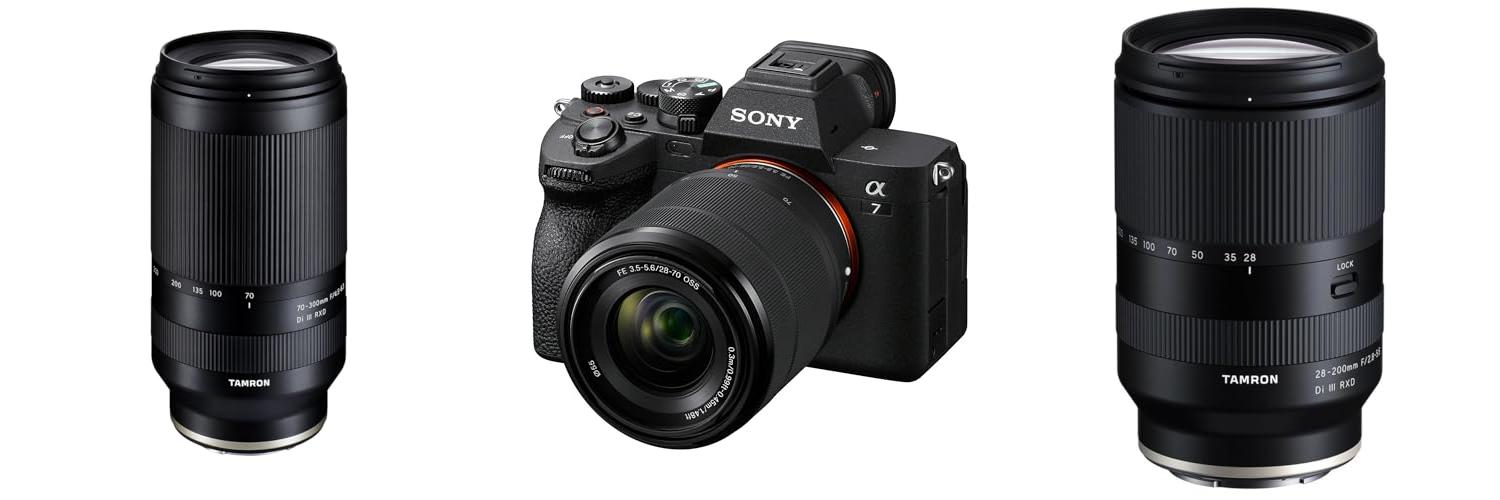
1. Tamron 70-300mm F/4.5-6.3 Di III RXD for Sony Mirrorless Full Frame/APS-C E-Mount (Tamron 6 Year Limited USA Warranty)

Rating: 8.6/10
Get ready to explore the world of telephoto photography with the Tamron 70-300mm F/4.5-6.3 Di III RXD lens for your Sony mirrorless camera. This lens is designed to be super light, making it a joy to carry around. You can take amazing pictures without feeling weighed down. It works with both full-frame and APS-C E-mount Sony cameras. Plus, it comes with a 6-year limited warranty in the USA, giving you peace of mind.
What We Like:
- It’s incredibly lightweight, making telephoto shooting really fun and easy to carry anywhere.
- You get awesome image quality thanks to its design with 15 elements in 10 groups. This lets you focus on being creative with your shots.
- It’s great for shooting close-up subjects. You can get as close as 31.5 inches at the wide end and 59.1 inches at the telephoto end.
- The lens has moisture-resistant construction, so you don’t have to worry as much about light rain or splashes.
What Could Be Improved:
- The aperture isn’t as wide as some other lenses, meaning it might not perform as well in very dark conditions.
- While it’s great for its price, professional photographers might want even faster autofocus or a slightly sharper image at the extreme ends of the zoom.
This Tamron lens is a fantastic option for anyone wanting to try telephoto photography without breaking the bank or their back. It offers a great balance of portability, image quality, and creative freedom for everyday adventurers.
2. Sony Alpha 7 IV Full-frame Mirrorless Interchangeable Lens Camera with 28-70mm Zoom Lens Kit

Rating: 8.8/10
The Sony Alpha 7 IV is a fantastic camera for anyone who wants to take amazing photos and videos. It’s a full-frame mirrorless camera, which means it captures more light and detail. This kit comes with a versatile 28-70mm zoom lens, so you’re ready to shoot right out of the box. It’s a great tool for both beginners and experienced creators looking to step up their game.
What We Like:
- It has a powerful 33MP full-frame sensor that captures incredibly detailed images.
- The new BIONZ XR processor makes everything faster and smoother.
- You can shoot stunning 4K video at up to 60 frames per second.
- It records video in 10-bit 4:2:2 color, giving you amazing flexibility for editing.
- The camera offers 7K oversampling for super-sharp 4K video without losing detail.
- The S-Cinetone color profile makes your videos look professional and beautiful with minimal effort.
- It’s user-friendly, making advanced features accessible.
What Could Be Improved:
- While very capable, the 28-70mm kit lens might be a starting point, and enthusiasts may want to upgrade for more specialized shooting.
- The menu system, though improved, can still feel a bit complex for absolute beginners.
The Sony Alpha 7 IV is a powerful and versatile camera that excels in both photography and videography. It’s an excellent investment for those serious about creating high-quality content.
3. Tamron 28-200 F/2.8-5.6 Di III RXD for Sony Mirrorless Full Frame/APS-C E-Mount

Rating: 9.3/10
Meet the Tamron 28-200mm F/2.8-5.6 Di III RXD lens for Sony E-mount cameras. This lens is a true all-in-one wonder, letting you capture everything from wide landscapes to close-up details without changing your lens. It’s designed for both full-frame and APS-C Sony mirrorless cameras, making it super versatile.
What We Like:
- It’s the first ever F2.8 all-in-one zoom lens for full-frame mirrorless cameras!
- It’s super light, weighing only 20.3 ounces, and compact at 4.6 inches long. This makes it easy to carry around all day.
- You can get really close to your subjects. At the wide end, you can focus just 7.5 inches away, and at the telephoto end, it’s 31.5 inches.
- The RXD stepping motor is very quiet, which is great for shooting video or in quiet places.
What Could Be Improved:
- The aperture changes from F2.8 to F5.6 as you zoom. This means it lets in less light at the longer zoom ranges.
- While it’s great for everyday shooting, it might not be the absolute best for extreme low-light situations compared to lenses with a constant F2.8 aperture.
This Tamron lens truly simplifies your gear bag. It’s an excellent choice for photographers who want one lens to do it all.
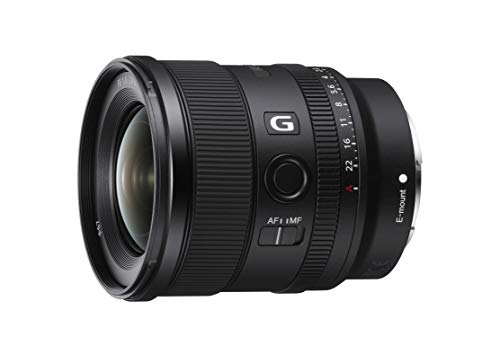
4. Sony FE 20mm F1.8 G Full-Frame Large-Aperture Ultra-Wide Prime Angle G Lens
Rating: 9.5/10
The Sony FE 20mm F1.8 G lens is a fantastic tool for photographers who want to capture expansive scenes with incredible detail. This ultra-wide prime lens is surprisingly small and light, making it easy to carry on any adventure. Its large F1.8 aperture lets in a lot of light, which is great for shooting in dim conditions and creating beautiful blurry backgrounds. Whether you’re using a full-frame or APS-C camera, this lens delivers sharp, lifelike images thanks to its advanced optics. Plus, its fast autofocus system ensures you never miss a moment.
What We Like:
- It’s a compact and lightweight ultra-wide prime G lens.
- It provides stunning sharpness, even when you shoot with the widest aperture (F1.8).
- The F1.8 maximum aperture is excellent for low light and creating a nice blurry background.
- Its compact and lightweight design makes it easy to use with both full-frame and APS-C cameras.
- Advanced aspheric elements help create natural, high-resolution images.
- Two XD Extreme Dynamic Linear motors provide fast and accurate autofocus.
What Could Be Improved:
- While the lens is great, some users might wish for a slightly wider field of view for certain ultra-wide applications.
- The price point might be a consideration for hobbyist photographers on a tight budget.
This lens is an excellent choice for anyone looking to expand their creative possibilities with stunning wide-angle photography. It truly brings your vision to life.
5. Sony – FE 50mm F1.8 Standard Lens (SEL50F18F/2)

Rating: 8.7/10
The Sony FE 50mm F1.8 Standard Lens (SEL50F18F/2) is a fantastic lens for anyone looking to take their photography to the next level. It’s designed to work beautifully with full-frame E-mount cameras. This lens lets you capture stunning photos with its impressive features.
What We Like:
- It has a big F1.8 aperture. This creates a lovely blurred background, making your subject stand out.
- The 7-blade circular aperture makes out-of-focus lights look like soft, pleasing circles, known as bokeh.
- The lens is small and light. It’s easy to carry around all day.
- It has a special aspherical element. This helps fix blurry edges and weird shapes in your pictures.
- The lens design also fights against bent lines and distorted shapes. Your photos will look more natural.
What Could Be Improved:
- Autofocus can be a little slow, especially in low light.
- The lens housing feels a bit plasticky. A metal body might feel more premium.
This Sony 50mm lens is a solid choice for beginners and enthusiasts. It offers great image quality and creative control without breaking the bank.
Choosing the Best Full-Frame Lenses for Your Sony Camera
Getting the right lens can really make your photos shine. If you have a Sony full-frame camera, you have some amazing options! A full-frame lens is designed to cover the entire sensor of your camera, which usually means better image quality. This guide helps you pick the perfect lens for your needs.
What to Look For in a Sony Full-Frame Lens
Key Features to Consider
- Focal Length: This tells you how much of a scene the lens captures. Wide-angle lenses (like 24mm or 35mm) are great for landscapes and group shots. Standard lenses (around 50mm) are like our natural vision and work for many things. Telephoto lenses (100mm and up) zoom in close for distant subjects like wildlife or sports.
- Aperture (f-stop): This controls how much light enters the lens. A lower f-number (like f/1.8 or f/2.8) means more light. This helps you take pictures in dim light and create a blurry background (called “bokeh”) that makes your subject stand out.
- Autofocus Motor: Fast and quiet autofocus helps you capture sharp shots, especially when your subject is moving. Sony’s own lenses often have excellent autofocus systems.
- Image Stabilization (OSS): This feature helps reduce blur from camera shake, especially when shooting handheld or with telephoto lenses. It’s a big help for clearer photos.
Important Materials and Build Quality
Most good lenses use high-quality glass elements. These elements are shaped and coated to reduce distortions and reflections, making your images sharper and more colorful. The lens barrel is usually made of durable metal or strong plastic. A well-built lens feels solid and can handle everyday use. Weather sealing is also a plus if you plan to shoot in rain or dusty conditions.
What Makes a Lens Great (or Not So Great)?
- Factors That Improve Quality:
- Sharpness: A sharp lens captures fine details clearly.
- Color Rendition: How well the lens shows true colors.
- Contrast: The difference between light and dark areas in your photo.
- Low Distortion: Minimal bending or stretching of straight lines.
- Minimal Chromatic Aberration: This is when colors look fuzzy around edges, especially in high contrast areas. Good lenses minimize this.
- Factors That Reduce Quality:
- Lens Flare: Unwanted light streaks or haziness from bright light sources.
- Vignetting: Dark corners in your image, especially at wide apertures.
- Poorly Made Elements: Cheap glass or bad coatings can lead to blurry images and bad colors.
User Experience and When to Use Them
Sony full-frame lenses offer a fantastic shooting experience. They feel balanced on your camera and are often designed to work seamlessly with Sony’s autofocus and image processing.
- For Portraits: Lenses with a wide aperture (like f/1.4 or f/1.8) and a focal length between 50mm and 135mm are perfect. They create beautiful bokeh and make your subject pop.
- For Landscapes: Wide-angle lenses (14mm to 35mm) capture expansive views. Look for lenses that are sharp from edge to edge.
- For Street Photography: A versatile prime lens (like a 35mm or 50mm f/1.8) is often preferred. It’s compact, lets in a lot of light, and allows you to be discreet.
- For Sports and Wildlife: Telephoto zoom lenses (like 70-200mm or 100-400mm) are essential for getting close to the action. Fast autofocus is crucial here.
Frequently Asked Questions About Sony Full-Frame Lenses
Q: What is the difference between a full-frame lens and a crop-sensor lens on a Sony camera?
A: A full-frame lens is designed for a full-frame sensor, covering its entire area. A crop-sensor lens is made for smaller sensors and will appear “zoomed in” on a full-frame camera, cropping the image.
Q: Do I need to buy Sony-branded lenses for my Sony camera?
A: No, you don’t have to. Many other brands like Sigma and Tamron make excellent lenses that work with Sony full-frame cameras. These are often called “third-party” lenses.
Q: What is a “prime” lens?
A: A prime lens has a fixed focal length, meaning it doesn’t zoom. They are often sharper and have wider apertures than zoom lenses.
Q: What is a “zoom” lens?
A: A zoom lens lets you change focal length, allowing you to zoom in or out without moving your feet.
Q: Is a wider aperture always better?
A: A wider aperture (lower f-number) is great for low light and bokeh, but it can make it harder to get everything in focus. A narrower aperture (higher f-number) gives you more depth of field.
Q: How important is lens sharpness?
A: Lens sharpness is very important for clear, detailed photos. A sharp lens makes a big difference in image quality.
Q: What does “bokeh” mean?
A: Bokeh refers to the pleasing blurriness of the out-of-focus areas in a photograph. It’s often created with wide apertures.
Q: Can I use older Sony A-mount lenses on my newer E-mount full-frame camera?
A: Yes, you can, but you will need a special adapter to connect them.
Q: What is the best all-around focal length for a prime lens?
A: Many photographers find 50mm to be the most versatile focal length because it’s close to how the human eye sees.
Q: Should I buy a zoom lens or a prime lens?
A: It depends on your needs! Zoom lenses offer flexibility, while prime lenses often provide better image quality and wider apertures for a lower price.
In conclusion, every product has unique features and benefits. We hope this review helps you decide if it meets your needs. An informed choice ensures the best experience.
If you have any questions or feedback, please share them in the comments. Your input helps everyone. Thank you for reading.