
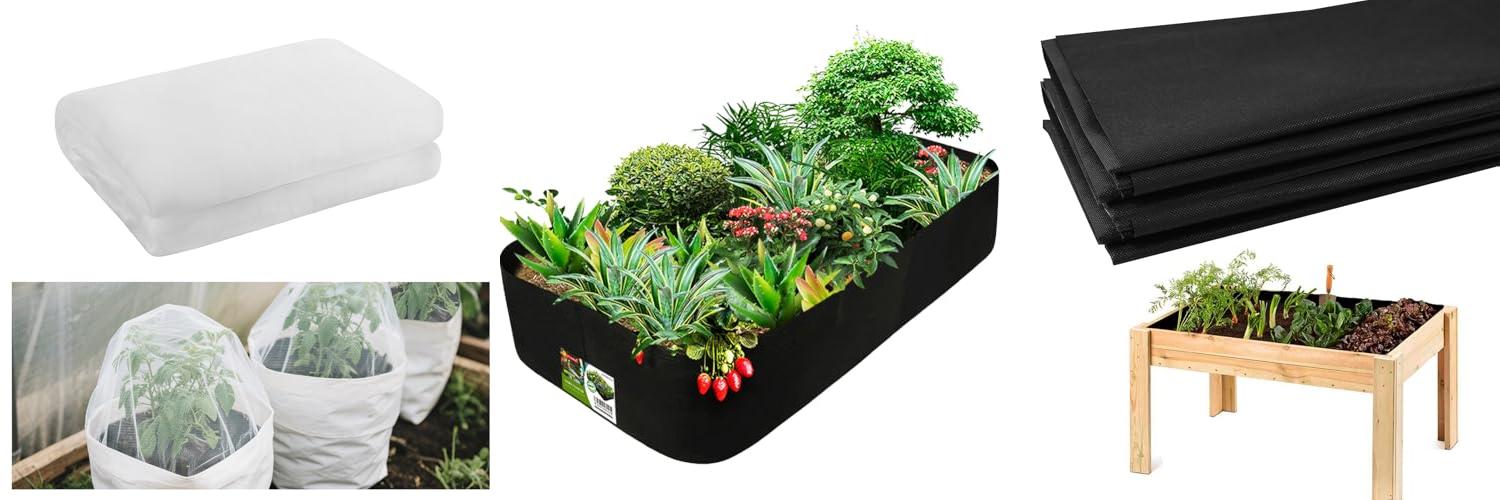
Imagine sinking your hands into rich, healthy soil, watching your vegetables and flowers thrive. Raised garden beds can make this dream a reality, offering better drainage and easier access. But before you can start planting, you face a big decision: what material should you use for your raised bed?
Choosing the right material can feel overwhelming. You want something that looks good, lasts a long time, and is safe for your plants. Will it rot? Will it leach chemicals? These questions can stop your garden plans before they even begin. It’s a common problem for gardeners, both new and experienced.
This post is here to help. We’ll explore the most popular raised bed materials, discussing their pros and cons. By the end, you’ll have a clear understanding of which option best fits your garden, your budget, and your style. Let’s dig in and find the perfect fit for your garden!
Our Top 5 Raised Bed Material Recommendations at a Glance
| Image | Product | Rating | Links |
|---|---|---|---|
 |
4x10ft Garden Netting – Ultra Fine Mesh Plant Covers to Keep Small Animals Pest Out | 9.1/10 | Check Price |
 |
Roveinsia Fabric Raised Garden Bed | 8.9/10 | Check Price |
 |
Fabric Liner for Large Veg Trough | 8.9/10 | Check Price |
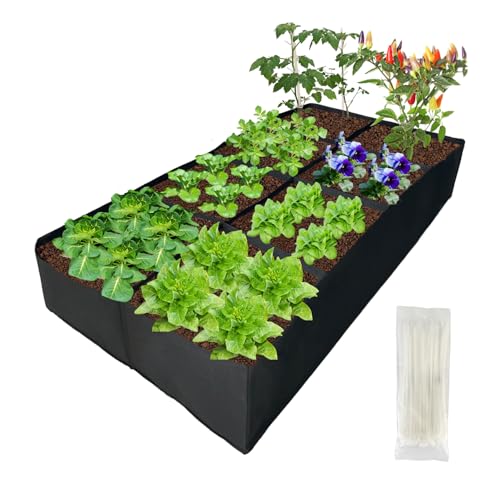 |
JAOXISOU Fabric Raised Garden Bed Outdoor | 8.9/10 | Check Price |
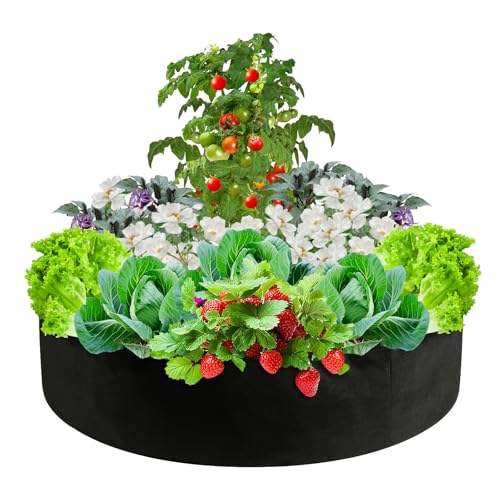 |
MeiBoAll 100 Gallon Plant Grow Bags | 8.7/10 | Check Price |
Top 5 Raised Bed Material Detailed Reviews
1. 4x10ft Garden Netting – Ultra Fine Mesh Plant Covers to Keep Small Animals Pest Out
Rating: 9.1/10
Protect your precious garden from pesky critters with this 4x10ft Garden Netting. This ultra-fine mesh cover acts as a barrier against small animals and birds, keeping your vegetables, fruits, and flowers safe and sound. It’s ideal for raised beds and greenhouses, providing a healthier environment for your plants to thrive.
What We Like:
- The 4x10ft size is generous and covers plants well.
- It’s made from sturdy, durable PE material that you can reuse many times.
- The ultra-fine mesh lets water and light through, so your plants can still photosynthesize.
- You can cut it to any size you need for different garden spots.
- It’s easy to see your plants growing without lifting the cover.
- It works great for raised beds, garden hoops, patios, and farms.
What Could Be Improved:
- The package only includes the netting, not any support poles.
- It’s important to check the product size carefully before buying.
This garden netting is a simple yet effective way to safeguard your plants. It offers peace of mind, allowing your garden to flourish without unwanted visitors.
2. Roveinsia Fabric Raised Garden Bed
Rating: 9.1/10
Transform your gardening dreams into reality with the Roveinsia Fabric Raised Garden Bed. This generous 128-gallon grow bag, measuring 3×6 feet, offers three distinct sections, perfect for growing a variety of vegetables, flowers, and herbs. Its breathable design promotes healthy root growth and ensures your plants get the water and air they need to thrive.
What We Like:
- Premium Material: Made from a tough, UV-resistant fabric that lets roots breathe and excess water drain away. This keeps your plants healthy.
- Fun Gardening: If you lack garden space, this is a fantastic solution. Easily set it up on your patio, deck, or yard.
- Neat and Organized: Keep your garden looking tidy. These grow bags create a well-defined and easy-to-manage planting area.
- Easy Use: No complicated assembly! Just open it up, fill it with soil, and start planting. It works well indoors or outdoors on any flat surface.
- Easy Storage: Once the growing season ends, you can empty the soil, fold the bag, and store it away easily. It’s ready to use again next year.
What Could Be Improved:
- Soil and Plants Not Included: Remember that you’ll need to buy your own soil, plants, and seeds separately.
The Roveinsia Fabric Raised Garden Bed makes gardening accessible and enjoyable. It’s a smart choice for anyone wanting to grow their own food or beautiful flowers.
3. Fabric Liner for Large Veg Trough
Rating: 8.6/10
This Fabric Liner for Large Veg Trough is a game-changer for your outdoor gardening projects. It’s designed to keep your soil in place and let water drain properly, making it ideal for large raised garden beds and vegetable troughs. The premium non-woven fabric is super strong and breathable, protecting your soil from washing away and stopping grass roots from taking over. You can even cut it to fit any planter, making gardening simple for everyone.
What We Like:
- Made from tough, non-woven fabric that lasts.
- Lets water drain well and stops soil from washing out.
- It’s breathable, recyclable, and waterproof.
- You can easily cut it to fit any size garden bed or pot.
- Keeps soil contained and stops unwanted grass roots.
- Super easy to install, even for beginners.
- Works great on patios and concrete.
What Could Be Improved:
- For the neatest look, you’ll need staples to secure it.
This garden liner makes maintaining your raised beds a breeze. It’s a simple yet effective way to ensure your plants thrive.
4. JAOXISOU Fabric Raised Garden Bed Outdoor
Rating: 8.7/10
The JAOXISOU Fabric Raised Garden Bed Outdoor is a fantastic way to start your garden, even if you have limited space. This 6x3x1 foot bed is designed for growing herbs, flowers, and vegetables. It’s made from a tough, non-woven fabric that’s great for your plants.
What We Like:
- The fabric is made of premium material. It helps your plant roots get good air and lets extra water drain out. This keeps your plants healthy.
- It has a cool 8-grid partition design. This means you can plant different things in separate sections. It’s like having mini-gardens within your garden bed.
- It’s super easy to use. You just put it on the ground, fill it with soil, and start planting. No need to worry about losing soil or nutrients.
- You get a plant grow bag and zip cable ties. The ties are useful for supporting climbing plants. You can even use them for other DIY projects.
What Could Be Improved:
- The fabric material, while good for drainage, might not be as sturdy as a wooden or metal raised bed over many years.
- While the 8-grid design is useful, the dividers are fabric and might sag a bit if packed with very heavy soil or large plants.
This raised garden bed makes gardening simple and effective. It’s a smart choice for anyone wanting to grow their own food or flowers.
5. MeiBoAll 100 Gallon Plant Grow Bags
Rating: 8.8/10
Dreaming of a bountiful harvest or a vibrant flower display, even with limited space? The MeiBoAll 100 Gallon Plant Grow Bag offers a fantastic solution for gardeners of all levels. This large, round fabric raised garden bed makes growing your favorite plants a breeze.
What We Like:
- Generous 100-gallon size (50 inches wide by 12 inches high) is perfect for a wide variety of vegetables, fruits, flowers, and herbs.
- Made from high-quality, breathable felt fabric. This material lets your plant roots get plenty of air, which helps them grow strong.
- It also lets extra water drain away quickly. This stops roots from getting too wet and rotting.
- Super easy to set up! Just unfold it, fill it with soil, and start planting. No complicated assembly needed.
- When the growing season is over, you can easily empty the soil, fold the bag, and store it away until next year.
- The fabric design promotes healthy root growth by giving them 360-degree ventilation and good drainage.
- A great option for balconies, patios, or yards where you might not have a lot of space for a traditional garden.
What Could Be Improved:
- The large size might be a bit much for very small balconies or if you only plan to grow a few small plants.
- While durable, very rough handling or sharp objects could potentially damage the fabric.
This fabric grow bag is an excellent choice for anyone looking to create a garden. It’s simple to use and helps your plants thrive.
Choosing the Best Raised Bed Material for Your Garden
Raised garden beds offer many benefits. They improve drainage, warm up faster in spring, and make gardening easier on your back. But what should you build them with? This guide helps you pick the perfect material for your needs.
Key Features to Look For
When you shop for raised bed materials, keep these important features in mind:
- Durability: How long will the material last? You want something that can stand up to weather and soil for many years.
- Safety: Is the material safe for growing food? Some materials might leach chemicals into the soil.
- Cost: How much does it cost upfront? Some materials are cheaper to start with but may need replacing sooner.
- Ease of Assembly: How easy is it to build the bed? Some materials are simple to cut and put together. Others might need special tools.
- Aesthetics: How does it look in your garden? You want something that fits your style.
Important Materials for Raised Beds
Many materials work well for raised beds. Here are some popular choices:
Wood
Wood is a very common choice. It’s natural and looks good.
- Cedar and Redwood: These are great options. They are naturally resistant to rot and insects. They last a long time.
- Pine and Fir: These woods are cheaper. However, they don’t last as long. They can rot faster. You might need to treat them to make them last longer. Be sure to use safe treatments if growing food.
Metal
Metal raised beds are becoming very popular.
- Galvanized Steel: This is a strong choice. It resists rust. It can last for many years. Some people worry about zinc. However, studies show it is safe for growing food.
- Corrugated Metal: This metal has wavy ridges. It looks nice and is very sturdy.
Composite Materials
These are made from a mix of wood fibers and plastic.
- Recycled Plastic Lumber: This is a durable option. It won’t rot or warp. It’s also eco-friendly because it uses recycled materials. It can be more expensive upfront.
Stone and Brick
These materials create very permanent and beautiful raised beds.
- Natural Stone: This looks very natural and rustic. It is very durable. Building with stone can be hard work and requires skill.
- Concrete Blocks (Cinder Blocks): These are easy to find and use. They are affordable. They are very strong. Some people worry about the pH of the concrete affecting the soil. You can line the bed to prevent this.
- Bricks: Bricks offer a classic look. They are durable. They can be more expensive than concrete blocks.
Factors That Improve or Reduce Quality
Several things can make your raised bed material better or worse.
- Thickness: Thicker materials are generally stronger and last longer. Thin wood can warp. Thin metal can bend.
- Treatment: Some wood is treated to resist rot. Make sure the treatment is safe for growing food. Untreated wood will rot faster.
- Coatings: Metal beds often have coatings to prevent rust. A good coating will make the metal last much longer.
- Thickness of Metal: For metal beds, thicker gauge metal is better. It is less likely to dent or rust through quickly.
User Experience and Use Cases
Think about how you will use your raised bed.
- Beginner Gardeners: Wood is often the easiest for beginners. You can buy kits or cut wood easily. Pine or fir is a budget-friendly start.
- Long-Term Gardeners: Cedar, redwood, metal, or composite materials are good investments. They will last for many years.
- Vegetable Gardens: Safety is very important here. Untreated wood or safe composite materials are good choices. Galvanized metal is also safe.
- Flower Gardens: You have more freedom. Almost any material can work. Aesthetics might be more important.
- Small Spaces: Metal kits or modular composite systems are great. They are often easy to assemble and look neat.
- Large Gardens: Stone or brick can create impressive, large beds. Wood can also be used for larger structures.
Frequently Asked Questions (FAQ)
Q: What is the safest material for growing vegetables?
A: Untreated wood like cedar or redwood is very safe. Composite materials made from recycled plastic are also safe. Galvanized steel is generally considered safe for growing food.
Q: Which material lasts the longest?
A: Stone, brick, and high-quality metal beds are very durable. Composite materials also have a long lifespan. Cedar and redwood are the longest-lasting wood options.
Q: What is the cheapest raised bed material to start with?
A: Untreated pine or fir wood is usually the cheapest. Concrete blocks are also an affordable option.
Q: Can I use treated lumber for my raised beds?
A: It’s best to avoid treated lumber, especially for vegetable gardens. If you must use it, ensure it’s rated for ground contact and is safe for food production. Newer treatments are safer than older ones.
Q: How do I prevent wood from rotting?
A: You can choose naturally rot-resistant woods like cedar or redwood. You can also line the inside of your wooden bed with heavy plastic sheeting (but ensure it has drainage holes) to keep soil moisture away from the wood.
Q: Will metal raised beds get too hot?
A: Metal beds can get warm in direct sun. However, the soil inside usually stays cooler than the metal itself. Planting in them is still very effective.
Q: How much soil do I need for a raised bed?
A: This depends on the size and depth of your bed. You can calculate the volume needed by multiplying the length, width, and depth of the bed in feet (for cubic feet).
Q: Can I build a raised bed on a concrete patio?
A: Yes, you can. Make sure the bed has drainage holes so water can escape. You can use almost any material, but consider the weight if the patio has weight limits.
Q: What is the difference between galvanized and non-galvanized metal?
A: Galvanized metal has a protective zinc coating. This coating prevents rust. Non-galvanized metal will rust much faster when exposed to moisture.
Q: How do I make my raised bed look more attractive?
A: You can paint or stain wood beds. For metal beds, choose a color that matches your garden. You can also add decorative caps or trim to the edges.
In conclusion, every product has unique features and benefits. We hope this review helps you decide if it meets your needs. An informed choice ensures the best experience.
If you have any questions or feedback, please share them in the comments. Your input helps everyone. Thank you for reading.