
Ever wonder why some electric guitars sound so bright and others hum with a deep, warm tone? It’s not just the pickups or the strings. A huge part of a guitar’s voice comes from the wood it’s made from, specifically the body. Choosing the right wood can feel like navigating a jungle of confusing terms and conflicting advice, leaving you unsure if you’re picking the best sound for your music.
This is where we step in. We’re going to break down the mystery of electric guitar body woods, making it easy to understand. You’ll learn what makes different woods sound unique and how that affects your playing. By the end of this post, you’ll feel confident in your choices, ready to pick a guitar that truly sings the song you want it to.
So, let’s dive in and discover the secrets hidden within the wood of your electric guitar.
Our Top 5 Electric Guitar Body Wood Recommendations at a Glance
Top 5 Electric Guitar Body Wood Detailed Reviews
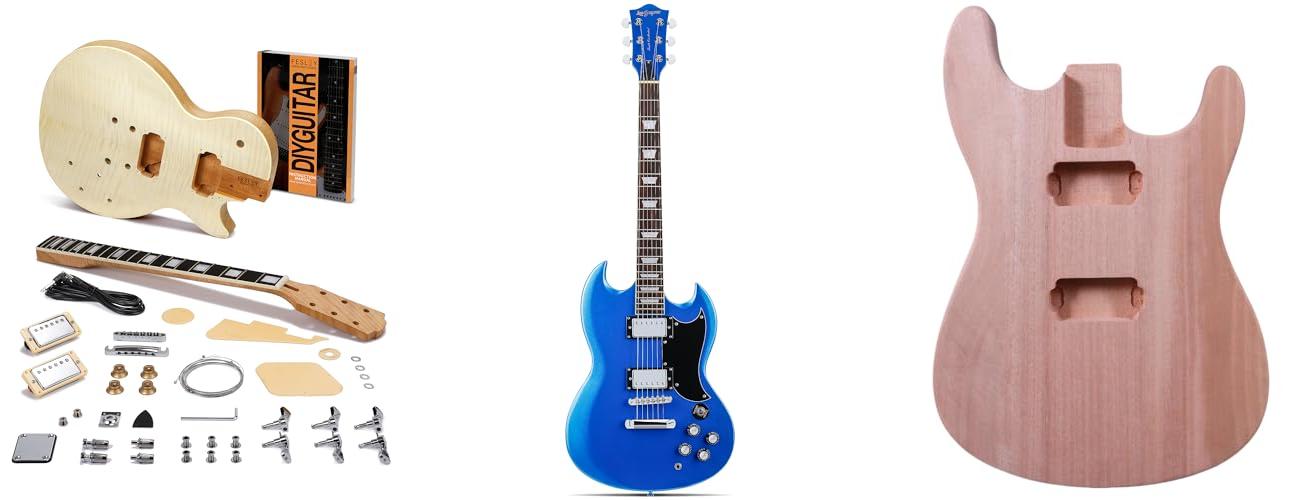
1. Fesley DIY LP Style Electric Guitar Kits with Mahogany Wood Body/Neck

Rating: 9.0/10
Dreaming of building your own electric guitar? The Fesley DIY LP Style Electric Guitar Kit in Natural finish lets you do just that. This kit offers an authentic LP-style experience with a beautiful flamed maple veneer top and a solid mahogany body and neck. It comes with all the essential parts and clear instructions, making it a fantastic project for aspiring guitarists and seasoned players alike who want to put their personal touch on their instrument.
What We Like:
- Quality Assured for Easy Assembly: The parts are pre-assembled and tested, so you don’t have to worry about them fitting together.
- Authentic LP Guitar Body: The mahogany body and flamed maple veneer top look and sound great, giving you that classic LP vibe.
- Premium Components: You get a smooth mahogany neck, a durable techwood fingerboard, and versatile H-H pickups for a wide range of sounds.
- Precision and Playability: The scale length and fret count are set up for comfortable playing and accurate notes.
- Unleash Your Creativity: You can paint, stain, or customize it to make it uniquely yours.
- Comprehensive Accessories: Everything you need to build your guitar is included in the box.
- Peace of Mind Purchase: Fesley offers a 1-year assurance and 24-hour customer support.
What Could Be Improved:
- While the techwood fingerboard is durable, some players might prefer a traditional rosewood or ebony fretboard for a different feel.
- The instruction manual, while helpful, could be more detailed for absolute beginners.
This Fesley guitar kit is a rewarding project that delivers both a playable instrument and a creative outlet. It’s an excellent way to learn about guitar construction and end up with a guitar that truly reflects your style.
2. Leo Jaymz 39 Inch Solid Body Electric Guitar – Poplar Wood Body,Maple Neck and Laurel Wood Fretboard (Navy Blue)

Rating: 8.7/10
The Leo Jaymz 39 Inch Solid Body Electric Guitar in a cool Navy Blue is a great choice for anyone looking to start playing guitar or just wants a fun new instrument. Its solid body design means it’s built to last, and the poplar wood gives it a good, balanced sound. The maple neck feels smooth, and the laurel wood fretboard is comfortable under your fingers, making it easier to learn new chords and riffs. With 22 frets and a comfortable scale length, this guitar is ready for you to play your favorite songs.
What We Like:
- The navy blue color looks really sharp and stylish.
- It’s a solid body, so it’s built tough.
- The maple neck is smooth and makes playing feel good.
- It has 22 frets, which gives you plenty of notes to play.
- The 24.75-inch scale length is comfortable for most players.
- The 14-inch radius fretboard is easy to bend notes on.
- It’s a bolt-on neck, which is a common and reliable construction.
What Could Be Improved:
- Poplar wood is a good starter wood, but some players might prefer a different wood for a richer tone.
- Laurel wood is a decent fretboard material, but ebony or rosewood are often considered more premium.
This Leo Jaymz guitar is a fantastic starting point for aspiring musicians. It offers a comfortable playing experience and a cool look to inspire your musical journey.
3. Unfinished Guitar Body mahogany Wood Electric Guitar Body replacement DIY Guitar St HH

Rating: 9.4/10
This Unfinished Guitar Body is a fantastic starting point for anyone wanting to build or customize their own electric guitar. Made from advanced mahogany wood, it’s ready for your personal touch. The body is designed to fit Strat-style guitars with a bolt-on neck. It’s a great way to create a unique instrument.
What We Like:
- The mahogany wood feels solid and offers good tone potential.
- It’s unfinished, giving you a blank canvas to paint, stain, or finish however you like.
- The bolt-on heel pocket is pre-cut, making neck attachment simpler for DIY projects.
- It’s a good value for a solid wood guitar body, especially for beginners.
- You can easily install humbucker (HH) pickups for a powerful sound.
What Could Be Improved:
- The surface might need some sanding to be perfectly smooth before finishing.
- Some minor shaping or routing might be needed depending on your specific hardware.
- It doesn’t come with any hardware, so you’ll need to source all your own parts.
This unfinished mahogany guitar body is an excellent choice for your next DIY guitar project. It provides a quality foundation for building a truly custom electric guitar.
4. BexGears DIY ST Style Electric Guitar Kits

Rating: 8.8/10
Unleash your inner luthier with the BexGears DIY ST Style Electric Guitar Kit! This kit gives you everything you need to build your very own electric guitar. It features a beautiful mahogany wood body that’s ready for your personal touch, a smooth maple neck, and a durable composite ebony fingerboard. You’ll also get a cool black pickguard and all the electronic parts needed to make it sing. Building your own guitar is a fun and rewarding project.
What We Like:
- The unpolished okoume body is a blank canvas for your creativity, allowing for custom paint jobs or finishes.
- It includes all the necessary electronic parts, so you don’t need to hunt for them separately.
- The kit comes with instructions to guide you through the building process.
- The combination of mahogany, maple, and composite ebony offers a solid foundation for a great-sounding guitar.
- It’s an exciting way to learn about guitar construction and save money compared to buying a pre-built guitar.
What Could Be Improved:
- The body requires sanding and finishing, which adds extra steps to the project.
- While instructions are included, some users might prefer more detailed visual guides or video tutorials.
- The composite ebony fingerboard, while durable, might not offer the exact feel and tone of natural ebony for some experienced players.
This BexGears kit is a fantastic starting point for anyone wanting to build their dream guitar. Get ready to plug in and play your creation!
5. Btuty ST01-TM Unfinished Handcrafted Guitar Body Candlenut Wood Electric Guitar Body Guitar Barrel Replacement Parts

Rating: 9.3/10
Unleash your inner luthier with the Btuty ST01-TM Unfinished Handcrafted Guitar Body. This solid candlenut wood electric guitar body is waiting for your personal touch. It’s a fantastic blank canvas for anyone wanting to build or customize their dream electric guitar. The craftsmanship is impressive, promising a durable part for your musical creation.
What We Like:
- Made from solid wood for durability.
- It’s unfinished, so you can paint or draw on it.
- Perfect for guitar builders and hobbyists.
- A great gift for guitar lovers.
- Enjoy the fun of DIY guitar making.
What Could Be Improved:
- Requires finishing work before assembly.
- May need some minor sanding for a perfectly smooth surface.
This guitar body offers endless possibilities for personalization. Get ready to create a truly unique instrument that reflects your style.
Choosing Your Electric Guitar’s Body: A Wood Buyer’s Guide
The wood your electric guitar’s body is made from is super important. It affects how the guitar sounds, how heavy it feels, and even how it looks. Picking the right wood helps you get the sound you want for your music.
Key Features to Look For
When you’re buying a guitar, think about these things:
- Weight: Some woods are lighter, making the guitar easier to play for a long time. Heavier woods can feel more solid.
- Tone: This is how the guitar sounds. Different woods make different kinds of sounds. Some are bright and clear, others are warm and deep.
- Durability: You want a guitar that lasts. Stronger woods hold up better over time.
- Appearance: The wood grain and color make your guitar look cool.
Important Materials: Popular Guitar Woods
Many different kinds of wood are used for guitar bodies. Here are some of the most common ones:
- Alder: This is a very popular choice. Alder wood is medium weight. It gives a balanced sound with good highs and lows. It’s great for many music styles.
- Ash: Ash wood can be light or heavy. It has a bright, clear sound with a good “snap.” Swamp ash is lighter and has a more scooped sound, meaning the mids are a bit less. Northern ash is heavier and has a more even tone.
- Mahogany: Mahogany is a heavier wood. It makes a warm, rich sound with lots of sustain (how long the note rings out). It’s often used for guitars that play rock and blues.
- Basswood: Basswood is a lighter wood. It has a more neutral tone, meaning it doesn’t add too much of its own sound. This lets the pickups (the parts that capture the string vibrations) really shine through. It’s good for guitars where you want a clear, direct sound.
- Maple: Maple is a hard, heavy wood. It adds brightness and attack to the sound. Sometimes, guitar makers use a maple top on a mahogany body to get both warmth and brightness.
Factors That Improve or Reduce Quality
The way the wood is treated matters a lot.
- Drying: Wood needs to be dried properly. If it’s not dried well, it can warp or crack later. Good drying makes the wood stable.
- Construction: How the guitar is built using the wood is important. A well-made guitar with good wood will sound and feel better.
- Grain: The pattern of the wood grain can affect how it looks and sometimes how it sounds. Tight grain woods often have a brighter sound.
- Fillers: Sometimes, wood has holes. Guitar makers might use fillers. Too much filler can sometimes reduce the wood’s natural tone.
User Experience and Use Cases
The wood you choose depends on what you want to do with your guitar.
- Beginners: Lighter woods like basswood or alder are good for beginners because they are comfortable to hold and play.
- Rock and Metal Players: Mahogany or ash are popular for their powerful and sustaining sounds.
- Blues and Jazz Players: Mahogany or alder often give the warm, smooth tones sought after in these genres.
- Country and Pop Players: Ash or alder can offer the bright, clear tones that work well for these styles.
Think about the music you love to play. Listen to guitars made with different woods. Your ears will tell you what sounds best to you!
Frequently Asked Questions (FAQ)
Q: What is the most common wood for electric guitar bodies?
A: Alder is the most common wood. It offers a balanced tone and is not too heavy.
Q: Does the weight of the wood really matter?
A: Yes, the weight affects how comfortable the guitar is to play, especially for long periods. Lighter woods are generally more comfortable.
Q: Which wood is best for a bright sound?
A: Ash and maple are known for producing bright, clear tones with a lot of attack.
Q: Which wood is best for a warm, deep sound?
A: Mahogany is famous for its warm, rich tone and long sustain.
Q: Is basswood a good wood for beginners?
A: Yes, basswood is a good choice. It’s light and has a neutral tone that lets the guitar’s electronics (pickups) shape the sound.
Q: What is “swamp ash”?
A: Swamp ash is a lighter type of ash wood. It has a more resonant tone with scooped mids, which many players enjoy.
Q: Can a guitar have a body made of more than one type of wood?
A: Yes, some guitars have bodies made of different woods. For example, a maple top on a mahogany body is common.
Q: Does the finish on the wood affect the sound?
A: A thin finish lets the wood’s natural tone come through more. A very thick finish might slightly dampen the sound.
Q: How can I tell what wood my guitar is made of?
A: You can usually find this information in the guitar’s specifications from the manufacturer. Sometimes, looking at the exposed wood grain can give clues.
Q: Is expensive wood always better?
A: Not necessarily. A well-crafted guitar with a less expensive wood can sound amazing. The skill of the builder and the quality of the specific piece of wood are very important.
In conclusion, every product has unique features and benefits. We hope this review helps you decide if it meets your needs. An informed choice ensures the best experience.
If you have any questions or feedback, please share them in the comments. Your input helps everyone. Thank you for reading.