
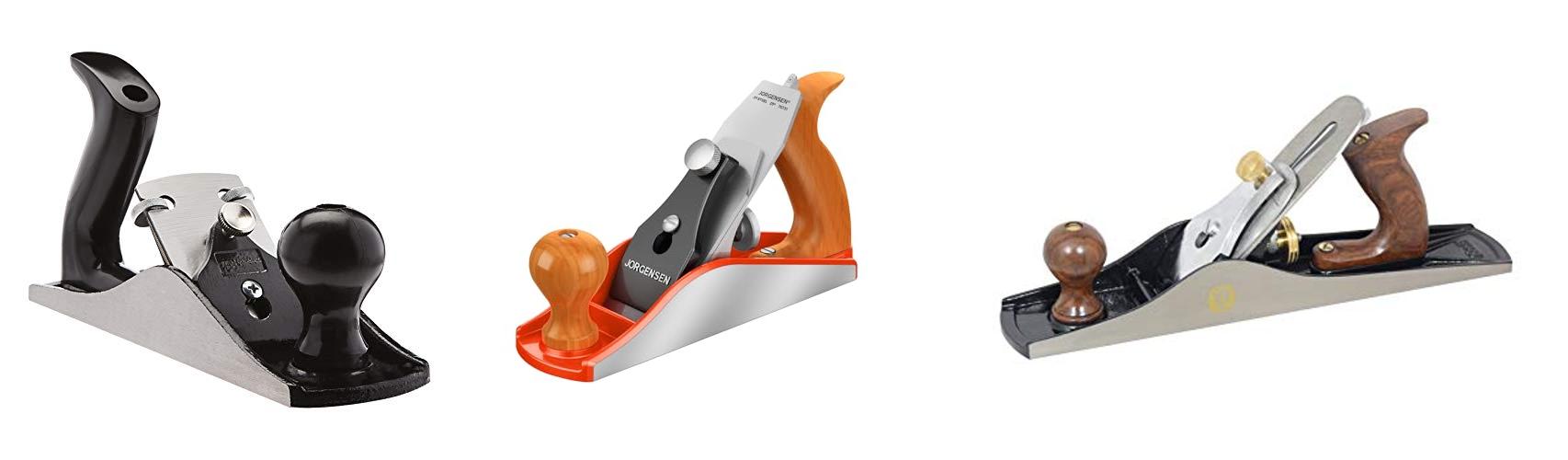
Imagine a woodworking project where every surface is perfectly flat and smooth, right from the start. That’s the magic a good bench plane can bring to your workshop. But if you’ve ever stood in front of a wall of gleaming metal and wood, feeling overwhelmed by all the different types, you know the struggle. Choosing the right bench plane can feel like a puzzle, and picking the wrong one can lead to frustration and less-than-perfect results.
This guide is here to clear the confusion. We’ll break down what makes a bench plane special and help you understand the key differences between them. By the end, you’ll have the knowledge to pick a tool that will make your woodworking projects easier and more enjoyable. Get ready to discover the secrets to selecting a bench plane that will become your trusted workshop companion.
Our Top 5 Bench Plane Recommendations at a Glance
Top 5 Bench Plane Detailed Reviews
1. Amazon Basics Woodworking Hand Planer – No.4 Adjustable Bench Plane with 2-Inch Blade for Wood Smoothing

Rating: 9.2/10
The Amazon Basics Woodworking Hand Planer is a tool for smoothing wood. It has a strong iron body for stability. The handle is made of tough plastic and fits comfortably in your hand. This planer helps you get wood surfaces nice and smooth for your projects.
What We Like:
- The cast iron body makes the planer feel solid and stable when you use it.
- The plastic handle is designed to be easy to hold and control.
- It has a tough steel blade that cuts wood well.
- You can easily change settings with a gear to get just the right smoothness.
What Could Be Improved:
- It’s important to adjust the planer before using it, as the “factory setting” might not be perfect. You need to read the user manual for instructions on how to set it up correctly.
This planer offers good control and a durable build for wood smoothing tasks. Just remember to adjust it properly before you start working.
2. JORGENSEN No.4 10″ Wood Planer

Rating: 9.2/10
The JORGENSEN No.4 10″ Wood Planer is a professional hand plane designed for all your woodworking needs. It’s built tough and made for precision, helping you shape and smooth wood with ease. Whether you’re trimming, polishing, or just cleaning up edges, this tool makes the job simpler and more effective.
What We Like:
- The blade is made of strong O1 tool steel. It cuts well and lasts a long time. You can sharpen it many times.
- The body is made of tough ductile iron. It can handle hard work and won’t break easily.
- You can easily change how deep the blade cuts. Just turn the knob to get the right depth for your project.
- It’s great for trimming, polishing, and other surface jobs. It helps you quickly change the shape and size of wood.
- The beech wood handle feels good in your hand. It’s smooth and strong.
- The bottom of the plane is super flat and smooth. This helps it glide easily over the wood.
What Could Be Improved:
- While the ductile iron body is tough, it might add some weight for users who prefer lighter tools.
- The “limited availability” mentioned in the prompt isn’t a feature of the product itself, but rather a potential purchasing challenge for customers.
This JORGENSEN planer is a solid choice for woodworkers of all levels. It provides a great balance of durability, precision, and ease of use for many woodworking tasks.
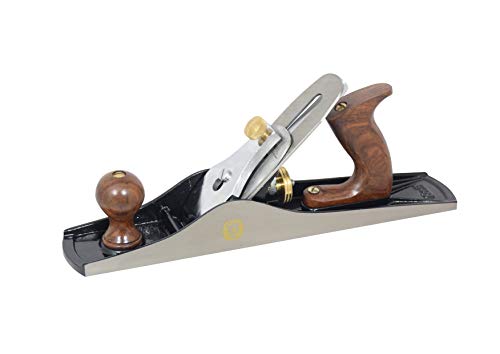
3. Spear & Jackson CJP5 Carpenters No.5 Jack Plane
Rating: 9.3/10
The Spear & Jackson CJP5 Carpenters No.5 Jack Plane is a sturdy tool for woodworkers. It helps you get rough wood ready for your projects. Its strong cast iron body means it will last a long time. The base and faces are made very smooth and flat. This helps you get a good, even cut every time. The blade is wide at 2 inches (50mm) and made of strong high carbon steel. A brass screw helps you adjust the blade just right. If the blade ever gets dull, you can easily find a replacement.
What We Like:
- It’s great for starting with rough wood.
- The cast iron body makes it very tough.
- The base and faces are precisely made for smooth cuts.
- It has a good, wide high carbon steel blade.
- The brass adjusting screw makes it easy to set the blade depth.
- Replacement blades are easy to find.
What Could Be Improved:
- For absolute beginners, understanding the adjustments might take a little practice.
This jack plane is a reliable partner for anyone working with wood. It offers solid performance for its price.
4. JORGENSEN NO.60-1/2 6-1/4″ Wood Planer

Rating: 9.3/10
The JORGENSEN NO.60-1/2 6-1/4″ Wood Planer is a handy tool for anyone working with wood. It’s a mini hand planer designed for woodworking tasks like trimming and shaping wood. Its low angle and small size make it great for detailed work and crafts.
What We Like:
- The blade is made of tough O1 tool steel. It cuts well and doesn’t wear out fast. This means you can sharpen and reuse it many times.
- The body is strong ductile iron. It can handle tough jobs and is built to last. Other parts are made of zinc alloy and stainless steel for a good feel.
- You can easily change how deep it cuts. Just turn a knob to adjust the blade. The mouth opening is also adjustable.
- It’s small and easy to carry. It’s perfect for trimming, smoothing, and other small woodworking jobs. It’s also good for DIY projects and crafts.
- The bottom is super smooth for easy gliding on wood. It comes with instructions, so it’s easy for both experts and beginners.
What Could Be Improved:
- The instructions don’t mention how to adjust the mouth width, which could be clearer.
- While it’s built tough, it might be a bit heavy for very delicate, prolonged crafting sessions.
This JORGENSEN mini planer is a reliable tool for many woodworking needs. It offers good performance and durability for its size.
5. JORGENSEN 3.5″ Mini Wood Planer – Mini Hand Planer for Woodworking

Rating: 9.0/10
The JORGENSEN 3.5″ Mini Wood Planer is a powerful tool for anyone who loves working with wood. It’s a small, handy plane that’s great for all sorts of woodworking projects, from detailed crafts to bigger jobs. Its tough build and sharp blade make it a reliable helper for shaping and smoothing wood.
What We Like:
- It has a professional-level blade made of strong O1 tool steel. This blade cuts wood smoothly and lasts a long time. It can be sharpened and adjusted many times.
- The body is made of ductile iron, which is very tough and can handle rough use. It’s even drop-tested!
- You can easily change how deep the blade cuts by turning a knob. This lets you work on different wood thicknesses.
- This mini planer is small and easy to carry. It’s perfect for trimming, polishing, and smoothing wood surfaces. It’s also great for DIY projects and crafts.
- The bottom of the plane is super smooth, making it easy to slide over wood. It comes with instructions, so both beginners and experienced woodworkers can use it easily.
What Could Be Improved:
- The blade is very sharp, so users need to be careful when handling it to avoid cuts.
- While it’s great for small jobs, it might not be the best choice for very large woodworking tasks.
This JORGENSEN mini planer is a fantastic tool for detailed woodworking and craft projects. Its durable design and easy-to-use features make it a valuable addition to any woodworker’s toolkit.
Choosing the Right Bench Plane: Your Guide to Smoother Woodworking
Bench planes are essential tools for woodworkers. They help you flatten, smooth, and shape wood. A good bench plane makes your projects look better. It also makes your work easier. This guide will help you pick the best one.
Key Features to Look For
When you buy a bench plane, look for these important things.
1. The Sole (the bottom part)
- Flatness: The sole needs to be perfectly flat. This helps the plane glide smoothly. It also makes sure the wood gets smoothed evenly.
- Smoothness: A smooth sole prevents snags. It helps the plane move without sticking.
2. The Blade (the cutting part)
- Material: High-quality steel is best. It stays sharp longer. It also cuts through wood without much effort.
- Sharpness: The blade must be very sharp out of the box. A sharp blade cuts cleanly. It doesn’t tear the wood.
- Adjustability: You need to be able to adjust the blade easily. This lets you control how much wood you remove. It also helps you make thin shavings.
3. The Body (the main part you hold)
- Weight: A good weight helps the plane cut well. It feels balanced in your hands.
- Ergonomics: The handles should feel comfortable. They should fit your hands well. This makes it easier to use the plane for a long time.
Important Materials
The materials a bench plane is made from matter a lot.
- Cast Iron: Most good bench planes have bodies made of cast iron. This metal is strong and heavy. It helps the plane cut smoothly. It also makes the plane last a very long time.
- Steel (for blade): The blade is usually made of high-carbon steel or tool steel. These steels are hard. They can hold a sharp edge.
- Wood (for handles): Handles are often made of hardwoods like beech or rosewood. These woods are strong and feel nice to hold.
Factors That Improve or Reduce Quality
Some things make a bench plane better. Others make it worse.
Quality Improvements:
- Precision Machining: When parts are made very accurately, the plane works better. The blade fits snugly. The sole is perfectly flat.
- Good Finish: A smooth, well-finished plane looks good. It also feels good to use. It shows care in making the tool.
- Easy Adjustments: Knobs and levers that move smoothly make life easier. You can change settings quickly.
Quality Reducers:
- Warped Sole: If the bottom is not flat, it will not smooth wood properly. It might even damage your workpiece.
- Dull Blade: A blade that is not sharp requires more force. It can tear the wood. This leaves a rough surface.
- Loose Parts: If parts wobble or feel loose, the plane is not well-made. This affects its performance and durability.
- Poorly Fitted Components: When pieces don’t fit together well, the plane feels cheap. It won’t perform as expected.
User Experience and Use Cases
How you use a bench plane and how it feels in your hands are important.
User Experience:
- Comfort: A comfortable plane lets you work longer. Good handles and balanced weight help a lot.
- Ease of Use: Simple adjustments make it easy to get the right cut. A smooth glide over wood feels satisfying.
- Control: You should feel in control of the plane. This allows you to make precise cuts.
Use Cases:
- Flattening Wood: Use a bench plane to make rough lumber flat and smooth.
- Smoothing Surfaces: After sawing, a bench plane can create a smooth finish.
- Shaping Edges: You can bevel or chamfer edges of wood.
- Trimming Joints: Fine-tune joints for a perfect fit.
- Making Rebates: Cut grooves along the edge of a board.
Frequently Asked Questions (FAQ)
Q: What are the main types of bench planes?
A: The most common types are the Jack Plane (all-purpose), Jointer Plane (long for flattening long edges), and Smoothing Plane (short for final smoothing).
Q: How do I sharpen a bench plane blade?
A: You use sharpening stones or a sharpening system. You grind the blade to a sharp edge. Then you hone it to a fine polish.
Q: How often should I sharpen my plane blade?
A: Sharpen it when it starts to feel dull or when it tears the wood. This depends on how much you use it and the type of wood.
Q: What is “set-up” for a bench plane?
A: Set-up means adjusting the blade and chip breaker correctly. It ensures the plane cuts well and doesn’t chatter.
Q: Can I use a bench plane on plywood?
A: Yes, but be careful. Plywood can have voids and can chip easily. Go slowly and use a sharp blade.
Q: What is a “chip breaker” and why is it important?
A: The chip breaker is a second blade that sits behind the main blade. It helps curl and break the wood shavings. This prevents tear-out.
Q: How do I store my bench plane?
A: Store it in a dry place. Keep the blade covered or retracted to prevent damage and rust.
Q: Is a heavy bench plane always better?
A: Not necessarily. Weight helps with cutting, but balance and good design are also very important. A well-balanced plane feels good to use.
Q: What is a “frog” on a bench plane?
A: The frog is the part inside the plane that holds the blade. Its angle affects how the blade cuts.
Q: Should I buy a new or used bench plane?
A: Both can be good. New planes are ready to go. Used vintage planes can be excellent quality if they are in good condition and restored properly.
In conclusion, every product has unique features and benefits. We hope this review helps you decide if it meets your needs. An informed choice ensures the best experience.
If you have any questions or feedback, please share them in the comments. Your input helps everyone. Thank you for reading.