
Wondering how to identify a masonry drill bit? Look for a pointed tip, often made of carbide, and a fluted shaft designed to remove debris from hard materials like brick, stone, and concrete.
When you’re tackling a home improvement project that involves drilling into tough materials like brick, concrete, or stone, having the right tools is crucial. One of the most important distinctions to make is between a standard drill bit and a bit specifically designed for masonry. Using the wrong bit can lead to frustration, broken bits, and an inability to complete your task. This guide will help you decipher the differences and confidently choose the correct masonry drill bit for your needs.
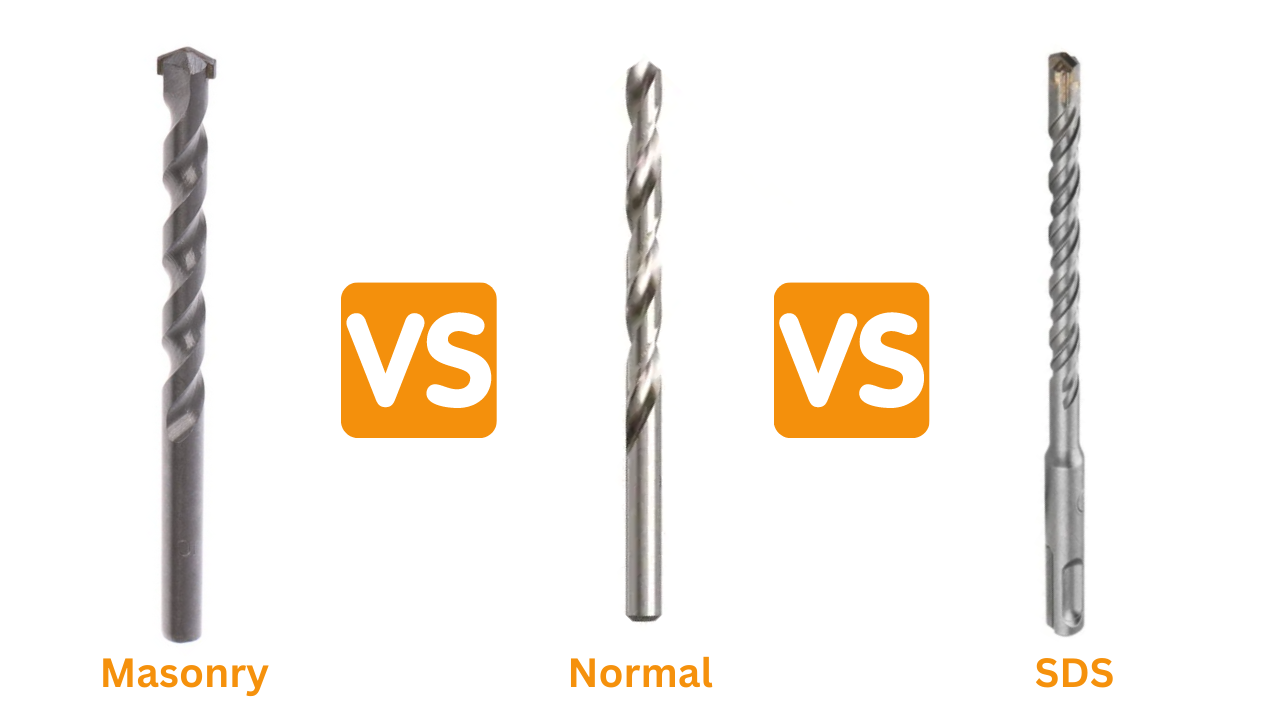
Image Source: kakilai.sg
Deciphering Masonry Drill Bit Features
Masonry drill bits have distinct characteristics that set them apart from bits made for wood or metal. These features are engineered to handle the abrasive nature and hardness of masonry materials.
The Distinctive Tip
The most obvious indicator of a masonry drill bit is its tip. Unlike the sharp, cutting edges of wood or metal bits, masonry bits typically have a blunt, chisel-like point. This tip is usually made of a very hard material, most commonly tungsten carbide.
- Carbide Tip: This is the hallmark of a masonry drill bit. Tungsten carbide is incredibly hard and durable, allowing it to bore into dense materials without quickly becoming dull or breaking. The carbide tip is often brazed or soldered onto the steel shaft of the drill bit. It might appear as a slightly wider, flattened, or spade-like end compared to the pointed tips of other drill bits.
- Geometry: The shape of the tip is designed to chip away at the masonry material rather than cutting it. This grinding action is what allows it to penetrate hard surfaces.
The Fluted Design
While many drill bits have flutes, the design of masonry drill bit flutes serves a specific purpose.
- Spire or Wide Flutes: Masonry drill bits often have wider, more open flutes compared to bits for softer materials. These wider channels are essential for efficiently clearing out dust and debris generated during the drilling process. If these flutes get clogged, the bit can overheat and become less effective, or even break.
- Specialized Coatings: Some high-quality masonry drill bits may feature special coatings, such as titanium or cobalt, which can further enhance their durability and performance, though the carbide tip remains the primary identifier.
Materials and Construction
The overall construction of a masonry drill bit is built for toughness.
- Steel Alloy Shaft: The main body of the drill bit is made from a hardened steel alloy. This provides the necessary strength to withstand the forces involved in drilling masonry.
- Brazing: The carbide tip is securely attached to the steel shaft through a high-temperature brazing process. This ensures the tip remains firmly in place during use.
Identifying Masonry Bits: A Visual Checklist
When you pick up a drill bit, here’s what to look for to confirm if it’s meant for masonry:
- Is there a visible carbide tip? This is the most reliable sign. It will look different from the rest of the bit, often being a slightly darker or metallic grey, and will have a blunt, spade-like or chisel-like shape.
- Are the flutes wide and designed for debris removal? Compare them to bits you might have for wood. Masonry bits tend to have more open, U-shaped flutes.
- Does the packaging or labeling indicate “Masonry,” “Concrete,” “Brick,” or “Stone”? This is the simplest confirmation if you have the original packaging.
Exploring Masonry Drill Bit Types
Not all masonry drill bits are created equal, and different types are suited for specific drilling applications and tools.
Standard Masonry Bits
These are your go-to bits for general masonry work. They feature the characteristic carbide tip and are designed for use with standard hammer drills or even regular rotary drills (though performance will be significantly slower in a regular drill).
Hammer Drill Bits (Impact-Rated Bits)
These bits are specifically engineered for use with hammer drills.
- Enhanced Durability: Hammer drill bits are built to withstand the percussive action of a hammer drill. The carbide tip is typically more robust, and the bit itself is made from stronger alloys.
- Aggressive Cutting Action: The tip and flute design are optimized for the hammering action, allowing them to break through harder materials more efficiently.
SDS Masonry Bits
For more demanding tasks and use with SDS (Slotted Drive System) rotary hammer drills, SDS masonry bits are the professionals’ choice.
- SDS Shank: The key identifier here is the shank, or the part of the bit that fits into the drill chuck. SDS bits have a unique grooved shank that locks into an SDS chuck. This system allows for better power transfer and impact, as well as quick bit changes.
- Superior Performance: Rotary hammers with SDS bits offer significantly more power and efficiency when drilling into very hard concrete or stone. SDS bits often have specialized tip geometries and carbide inserts for maximum performance.
Concrete Drill Bits
This term is often used interchangeably with masonry drill bits, as concrete is a primary material they are designed to penetrate. However, it’s worth noting that:
- “Concrete drill bit” usually refers to a standard masonry bit. If a bit is specifically labeled for concrete, it will certainly have the features of a masonry bit.
- Distinction from Specialty Concrete Bits: For very specific applications like drilling anchor holes in reinforced concrete, there might be even more specialized bits, but for most DIY and general contractor use, a good quality masonry drill bit will serve as a concrete drill bit.
Comprehending Masonry Drill Bit Sizes
Masonry drill bit sizes are typically indicated by their diameter and sometimes their length.
Diameter
- Standard Measurement: Diameters are usually given in inches or millimeters. Common sizes range from 3/16 inch (approx. 5mm) up to 1 inch (approx. 25mm) or even larger for professional-grade bits.
- Matching Drill Bit to Fastener: The diameter you choose will depend on the size of the hole you need to drill for anchors, screws, or bolts. Always check the requirements of the fastener you plan to use.
Length
- Usable Length: This refers to the part of the bit that actually drills the hole. It’s important to choose a bit with a usable length sufficient for your project.
- Overall Length: This includes the shank. Ensure the overall length will fit within the capacity of your drill chuck or rotary hammer.
- Common Lengths: Bits come in various lengths, from a few inches for shallow holes to much longer bits for deeper applications.
Fathoming Masonry Drill Bit Materials
The choice of material for a masonry drill bit is critical to its performance and longevity.
Tungsten Carbide
As mentioned, tungsten carbide is the primary material for the tip of almost all masonry drill bits.
- Extreme Hardness: Tungsten carbide is one of the hardest materials used in cutting tools, second only to diamond. This allows it to resist wear and abrasion when drilling into stone, brick, and concrete.
- Brittleness: While hard, carbide can also be brittle. This is why it’s typically used as a tip that is brazed onto a more ductile steel body, rather than being the entire bit.
Steel Alloys
The body of the drill bit is made from high-speed steel (HSS) or other hardened steel alloys.
- Strength and Flexibility: These alloys provide the necessary strength to transfer torque from the drill and withstand the impact from a hammer drill, while also offering some degree of flexibility to prevent the bit from snapping.
- Heat Treatment: The steel is heat-treated to achieve optimal hardness and durability.
Coatings
Some bits might have additional coatings to improve their performance.
- Titanium Nitride (TiN): Can increase surface hardness and reduce friction, leading to longer bit life and faster drilling.
- Cobalt: Often used in HSS alloys (like HSS-Co) to increase heat resistance, making them suitable for tougher applications or higher drilling speeds.
Choosing Masonry Drill Bits: A Practical Approach
Selecting the right masonry drill bit involves considering your tool, the material you’re drilling, and the specific requirements of your project.
Matching the Bit to Your Drill
- Rotary Drill (Standard Drill): If you’re using a standard drill without a hammer function, you can still drill into masonry, but it will be slow and inefficient. Use standard masonry bits, but be prepared for a longer drilling time and potential overheating of the drill.
- Hammer Drill: This is where masonry bits truly shine. The hammer function provides thousands of impacts per minute, significantly speeding up the drilling process in masonry. Use bits specifically labeled for hammer drills or impact-rated bits.
- Rotary Hammer: For heavy-duty concrete work or frequent drilling into hard materials, a rotary hammer with SDS bits is the most effective tool. Ensure you use SDS masonry bits designed for your specific SDS chuck type (SDS-Plus, SDS-Max).
Considering the Material Density
- Softer Brick and Mortar: Standard carbide-tipped masonry bits will work well.
- Hard Brick, Concrete Blocks, and Lighter Concrete: You’ll benefit from higher-quality masonry bits with robust carbide tips and efficient fluting. Hammer drills are highly recommended.
- Hard Concrete, Reinforced Concrete, Stone, and Dense Materials: SDS rotary hammers and SDS masonry bits are essential for efficient and safe drilling.
Project Specifics
- Hole Size: Always select a bit diameter that matches the requirements of your fastener or the size of the hole you need.
- Hole Depth: Ensure the usable length of the drill bit is greater than the depth of the hole you intend to drill.
- Frequency of Use: For occasional DIY projects, a good quality set of standard masonry bits will suffice. For professional or frequent use, investing in higher-end, SDS bits and a rotary hammer is a wise choice.
When Not to Use a Masonry Drill Bit
It’s equally important to know when a masonry drill bit is the wrong choice.
- Drilling Wood: The blunt tip of a masonry bit is not designed for clean, efficient wood drilling. It will create ragged holes and can splinter the wood. Use wood drill bits with sharp points.
- Drilling Metal: Masonry bits are not suitable for metal. Their carbide tips are brittle and will likely shatter when drilling into metal. Use specialized metal drill bits made from HSS, HSS-Co, or other alloys appropriate for metal.
- Drilling Glass or Tile (without special features): While some masonry bits might be used for very light tile drilling, dedicated tile or glass drill bits are far more effective and will produce cleaner results without cracking the material. These bits often have diamond-coated tips.
Table: Key Differences in Drill Bit Types
| Feature | Masonry Drill Bit | Wood Drill Bit | Metal Drill Bit |
|---|---|---|---|
| Tip | Blunt, chisel-like carbide | Sharp, pointed tip | Sharp, pointed tip, often with a specific rake angle |
| Flutes | Wide, open for debris removal | Spiral, narrower for chip evacuation | Spiral, designed for metal chip removal |
| Material | Carbide tip, hardened steel shaft | Hardened steel | High-speed steel (HSS), HSS-Co, Titanium Coated HSS |
| Primary Use | Brick, concrete, stone, mortar | Wood, plastic | Metal, some plastics |
| Drill Type | Hammer drill, rotary drill, rotary hammer | Rotary drill | Rotary drill, drill press |
| Action | Chipping, grinding | Cutting, shaving | Cutting, shearing |
Frequently Asked Questions (FAQ)
Can I use a masonry drill bit in a regular drill?
Yes, you can use a masonry drill bit in a regular drill, but it will be much slower and less effective than using it with a hammer drill or rotary hammer. The hammer action is what makes masonry bits work efficiently by chipping away at the material. Without the hammer action, you are essentially trying to grind through hard material with a bit designed for impact.
What is the difference between a hammer drill bit and a masonry drill bit?
While often used interchangeably, “hammer drill bit” specifically refers to a bit designed for use with a hammer drill’s percussive action. All hammer drill bits are essentially masonry drill bits, but not all masonry drill bits are optimized for the high impact of a hammer drill (though many standard masonry bits can tolerate it for light use). Bits explicitly labeled “hammer drill bits” or “impact-rated” are generally more robust and have more aggressive tip geometries to handle the hammering.
How do I know if my drill is a hammer drill?
A hammer drill will have a setting that looks like a hammer icon or a symbol showing repeated impacts. When engaged, this setting adds a rapid forward-and-backward hammering motion to the drill’s rotation. Standard drills only rotate.
What happens if I use a wood drill bit on concrete?
Using a wood drill bit on concrete will likely result in the wood bit quickly dulling, overheating, and potentially breaking. The sharp, thin cutting edges are not designed to withstand the hardness and abrasive nature of masonry materials.
How do I clean masonry drill bits?
After use, brush off any loose debris with a wire brush. For stubborn residue, you can soak them briefly in a degreaser or mineral spirits, then brush and dry them thoroughly. Ensure they are completely dry before storing to prevent rust.
Are SDS masonry bits always better?
SDS masonry bits are superior for heavy-duty drilling into hard materials when used with a rotary hammer. However, for light tasks or when using a standard hammer drill, they may not offer a significant advantage, and you still need an SDS chuck on your drill. For regular hammer drills, look for bits with a standard round shank or a specific shank type compatible with your drill.
By familiarizing yourself with these characteristics, you can confidently select the right drill bit for your next project, ensuring efficiency and a job well done.