
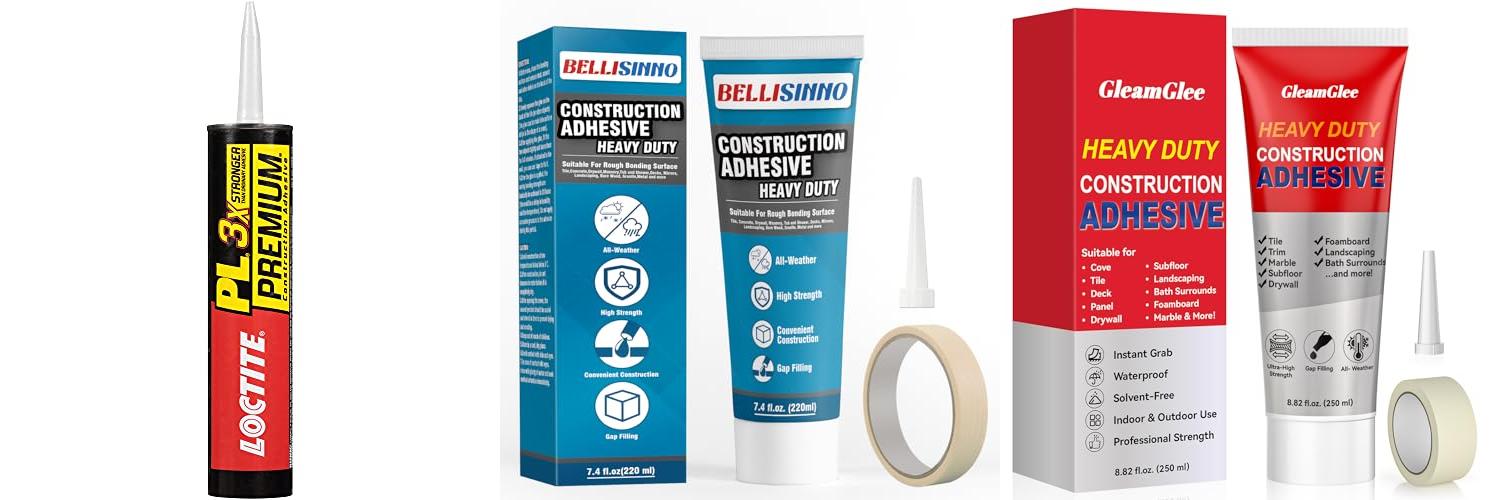
Ever tried to attach wood to concrete and found it just wouldn’t stick? It’s a common problem that can turn a simple DIY project into a frustrating mess. Whether you’re building a deck, installing trim, or fixing a loose floorboard, getting wood to bond securely to concrete is crucial for a lasting result.
The struggle is real when you’re faced with so many different glues and sealants. Some promise the world but fail to deliver, leaving you with wobbly connections and wasted time. You worry about the strength of the bond, how it will hold up to weather, and if it’s even safe to use. It’s enough to make anyone want to give up!
But don’t worry! In this post, we’ll cut through the confusion. We’ll explore what makes wood and concrete such tricky partners to bond. You’ll learn exactly what to look for in an adhesive, understand the different types available, and discover the best solutions for your specific needs. By the end, you’ll have the confidence to pick the perfect adhesive and get your project done right the first time.
Our Top 5 Adhesive For Wood To Concrete Recommendations at a Glance
| Image | Product | Rating | Links |
|---|---|---|---|
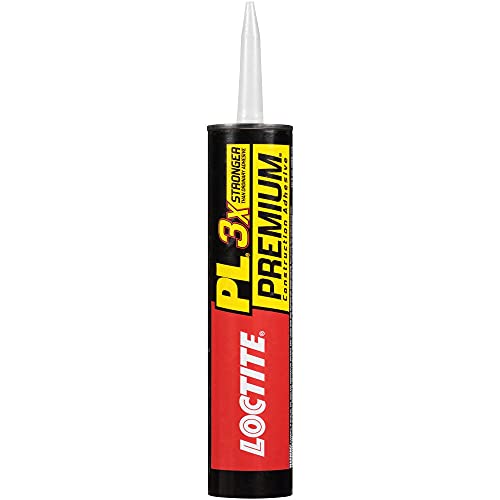 |
Loctite PL Premium Polyurethane Construction Adhesive | 9.5/10 | Check Price |
 |
Construction Adhesive Heavy Duty | 9.1/10 | Check Price |
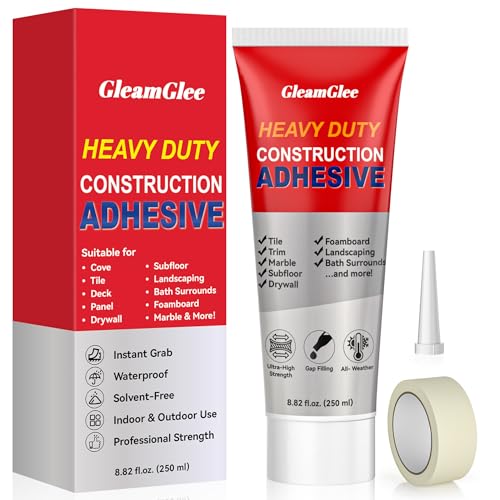 |
Heavy Duty Construction Adhesive | 8.5/10 | Check Price |
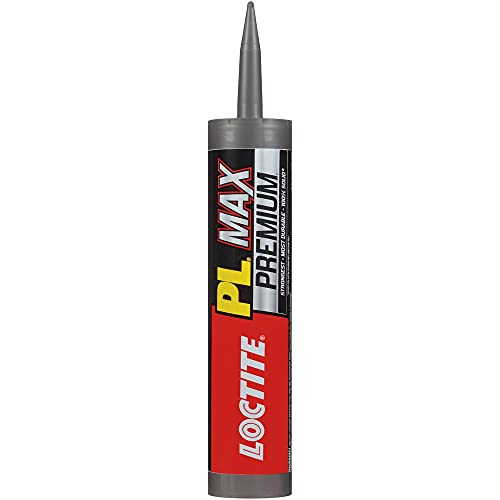 |
Loctite PL Premium Max Construction Adhesive | 9.5/10 | Check Price |
 |
vicpricme Plastic Glue | 8.5/10 | Check Price |
Top 5 Adhesive For Wood To Concrete Detailed Reviews
1. Loctite PL Premium Polyurethane Construction Adhesive
Rating: 8.7/10
Meet the Loctite PL Premium Polyurethane Construction Adhesive, a powerful glue that tackles almost any building job. This 10 fl oz cartridge is your go-to for sticking wood, concrete, stone, metal, and so much more. It’s designed to make your projects strong and last.
What We Like:
- This glue works on tons of different materials. You can use it for almost any project.
- It’s super strong, three times stronger than regular glues. It can even be stronger than the things it sticks together!
- It’s perfect for putting down floors and sticks to wood, drywall, brick, concrete, and even foam.
- You can use it inside or outside. It doesn’t smell bad and you can paint over it. It sets fast and is ready in a day.
- It works even when it’s wet or frozen outside. It won’t shrink and dries even in cold weather.
What Could Be Improved:
- It requires a caulk gun, which isn’t included.
- Clean-up can be a bit tricky if you don’t wipe up spills right away.
This Loctite PL Premium adhesive is a reliable choice for serious DIYers and pros alike. It offers exceptional strength and versatility for a wide range of applications.
2. Construction Adhesive Heavy Duty
Rating: 9.1/10
This heavy-duty construction adhesive is your go-to solution for tough repairs and building projects. It’s designed to stick to all sorts of rough surfaces, making it perfect for fixing loose tiles, cracked walls, and even wood. This cement glue provides a strong, long-lasting bond that can handle both indoor and outdoor jobs.
What We Like:
- It’s super strong and holds tight, even on rough surfaces.
- Works well for many different materials like tile, concrete, and wood.
- It’s easy to use right out of the tube, no extra tools needed.
- The special tip lets you control how much glue you use.
- It’s built to last, giving you a stable fix.
- Great for fixing peeling tiles and other home repairs.
- Good for both inside and outside projects.
What Could Be Improved:
- The description mentions “overflowed due to transportation,” which could mean packaging could be better.
- Customer satisfaction isn’t guaranteed for everyone, as they offer service if you’re not satisfied.
This powerful adhesive offers a reliable and simple way to tackle your construction and repair needs. It’s a great choice for anyone looking for a strong, easy-to-use bonding solution.
3. Heavy Duty Construction Adhesive
Rating: 9.5/10
Tackle your toughest building projects with confidence using this Heavy Duty Construction Adhesive. This 8.8 oz. tube delivers a powerful, waterproof bond for concrete, tile, wood, stone, and more. It’s designed for both indoor and outdoor use, making it a versatile solution for any repair or construction job.
What We Like:
- It creates a super strong bond for heavy-duty projects.
- Works on many different materials like concrete, tile, wood, and stone.
- It’s waterproof and weather-resistant, so it lasts in any condition.
- Easy to apply by hand with a precision tip, no special tools needed.
- Safe to use indoors because it has low odor and is non-toxic.
- Provides good coverage, up to 30 feet depending on the bead size.
What Could Be Improved:
- The 8.8 oz. size might be too small for very large projects.
- While easy to squeeze, very large projects might require multiple tubes.
This construction adhesive is a reliable choice for professionals and DIYers. It simplifies your toolbox and ensures your projects stand the test of time.
4. Loctite PL Premium Max Construction Adhesive
Rating: 9.2/10
Tackling your next big project just got a whole lot easier with Loctite PL Premium Max Construction Adhesive. This powerful glue is designed to handle tough jobs, inside or out. It sticks to almost anything, making it a go-to for builders and DIYers alike.
What We Like:
- It’s super strong and stays solid even after it dries.
- It sticks to wood, concrete, stone, metal, and lots more.
- You can use it outside in any weather, even when it’s wet or freezing.
- It won’t create air bubbles, giving you a really strong hold.
- You have 20 minutes to move things around before it sets.
- It doesn’t have a strong chemical smell.
What Could Be Improved:
- The cartridge size might be too small for very large projects.
- It can be a bit messy if you’re not careful with application.
This adhesive is a reliable partner for any construction task. You can trust it to hold things together, no matter the challenge.
5. vicpricme Plastic Glue
Rating: 9.3/10
The vicpricme Plastic Glue is a clear, two-part epoxy designed for strong repairs. It comes in a convenient 1.76oz syringe, making mixing and application simple. This glue bonds well to many materials, including metal, wood, glass, and most plastics, offering excellent shock resistance.
What We Like:
- It’s a clear epoxy that dries strong and lasts.
- The syringe package with a static mixer makes it easy to get a perfect 1:1 mix every time.
- The resealable cap keeps the glue from drying out, so you can use it again.
- It bonds to a wide variety of materials like metal, wood, and even fiberglass.
- The glue can handle high temperatures and is stable even with exposure to oil and acid.
- It has a very high tensile strength of 4600psi, making it super strong.
- It’s great for fixing things around the house, in workshops, and even for DIY projects.
What Could Be Improved:
- The static mixer is only for one-time use and needs to be disposed of properly.
- If you don’t use the static mixer, you need to be careful to mix the two parts thoroughly for at least 3-5 minutes to ensure a good bond.
This vicpricme epoxy glue is a reliable choice for most repair needs. Its strong bond and versatility make it a valuable tool for any DIYer or professional.
Your Guide to Bonding Wood to Concrete: Stronger Than Ever!
Connecting wood to concrete is a common project. You might be building a deck, framing a shed, or installing a new fence post. Getting this connection right means using the best adhesive. This guide will help you pick the perfect glue for your job.
What to Look For: Key Features of Wood-to-Concrete Adhesives
1. Strength and Durability
The glue must hold strong. It needs to withstand weight, weather, and movement. Look for adhesives that promise a permanent, heavy-duty bond. This is the most important feature.
2. Flexibility
Wood and concrete expand and contract differently with temperature changes. A good adhesive stays flexible. This prevents the bond from cracking or breaking over time.
3. Water and Weather Resistance
Many wood-to-concrete projects happen outdoors. Your adhesive needs to handle rain, sun, and moisture. Look for labels that say “waterproof” or “weatherproof.”
4. Cure Time
How fast does the glue dry? Some glues set quickly, letting you move on to the next step faster. Others take longer but might offer a stronger final bond. Choose based on your project’s timeline.
5. Ease of Application
Is it easy to spread or apply? Some adhesives come in tubes with nozzles, making them simple to use. Others might require special tools. A user-friendly application saves you time and frustration.
Important Materials: What Makes the Glue Work?
Different adhesives use different ingredients to create their strong bonds.
- Polyurethane Adhesives: These are very strong and waterproof. They are also flexible, which is great for wood and concrete.
- Epoxy Adhesives: Epoxies create a super strong, rigid bond. They are excellent for heavy-duty applications but can be less flexible than polyurethane.
- Construction Adhesives: These are often thick, goopy glues designed for building. Many are polyurethane-based and work well for this purpose.
Quality Matters: What Makes Glue Better or Worse?
Factors That Improve Quality:
- High Solids Content: More “glue stuff” and less water or solvent means a stronger bond.
- Good Reviews: What do other users say? Positive feedback often means a reliable product.
- Brand Reputation: Well-known brands often have better quality control.
Factors That Reduce Quality:
- Low Solids Content: Too much water or filler weakens the bond.
- Poor Storage: Old or improperly stored glue might not work as well.
- Wrong Type of Glue: Using a glue not meant for wood-to-concrete can lead to failure.
User Experience and Use Cases: Where Will You Use It?
Think about where you are using the adhesive. This helps you choose the right type.
- Outdoor Decks: You need waterproof and flexible glue. Polyurethane construction adhesives are a top choice here.
- Fencing Posts: Strength and weather resistance are key. Epoxies or strong polyurethane glues work well.
- Indoor Wood Flooring on Concrete: A strong bond is needed, but extreme weather resistance might be less important. Check for good adhesion and low VOCs (fumes).
- Attaching Wood Trim to Concrete Walls: A strong, reliable bond is essential. Construction adhesive is often used.
Always follow the manufacturer’s instructions for the best results. Surface preparation is also very important! Make sure both surfaces are clean and dry.
Frequently Asked Questions (FAQ)
Q: What is the strongest adhesive for wood to concrete?
A: Polyurethane construction adhesives and two-part epoxies are generally the strongest options. They offer excellent strength and durability for demanding projects.
Q: Can I use regular wood glue to attach wood to concrete?
A: No, regular wood glue is not designed for this. It won’t bond well to concrete and will likely fail, especially outdoors.
Q: Do I need to prime the concrete before using adhesive?
A: It’s often recommended. Priming can improve adhesion by sealing the porous concrete surface and providing a better base for the glue.
Q: How long does wood-to-concrete adhesive take to dry?
A: Drying times vary greatly. Some set in minutes, while full cure can take 24 hours or more. Always check the product label.
Q: Is polyurethane adhesive good for outdoor use?
A: Yes, polyurethane adhesives are excellent for outdoor use because they are waterproof and weather-resistant.
Q: Can I use adhesive to attach wood to a concrete slab for a subfloor?
A: Yes, a strong construction adhesive designed for subflooring can be used to attach wood to a concrete slab.
Q: What if the surfaces are not perfectly smooth?
A: Some construction adhesives are designed to fill small gaps and irregularities. However, smoother surfaces generally lead to a stronger bond.
Q: How much adhesive do I need?
A: This depends on the project size and the adhesive’s coverage rate, which is usually listed on the product. It’s often best to buy a little extra.
Q: Can I use adhesive in freezing temperatures?
A: Most adhesives should not be applied in freezing temperatures. Check the product’s temperature application range.
Q: Is there a difference between adhesive and construction glue?
A: Construction glue is a type of adhesive specifically made for building projects. For wood to concrete, you’ll typically use a heavy-duty construction adhesive.
In conclusion, every product has unique features and benefits. We hope this review helps you decide if it meets your needs. An informed choice ensures the best experience.
If you have any questions or feedback, please share them in the comments. Your input helps everyone. Thank you for reading.