
Can you clean saw blades? Yes, you can and should clean saw blades regularly to ensure optimal performance and longevity. Proper saw blade maintenance is crucial for achieving sharp, clean cuts and preventing potential hazards. This comprehensive guide will walk you through the essential steps and considerations for cleaning various types of saw blades, ensuring your tools remain in top condition.
Saw blades accumulate a variety of debris that can hinder their cutting ability. Sawdust, resin, pitch, and even rust can build up on the teeth and the blade body. This buildup not only dulls the blade, forcing your saw to work harder and producing rougher cuts, but it can also lead to overheating and damage to both the blade and your workpiece. Regular cleaning is a fundamental aspect of saw blade maintenance, just as important as sharpening saw blades when they begin to lose their edge.
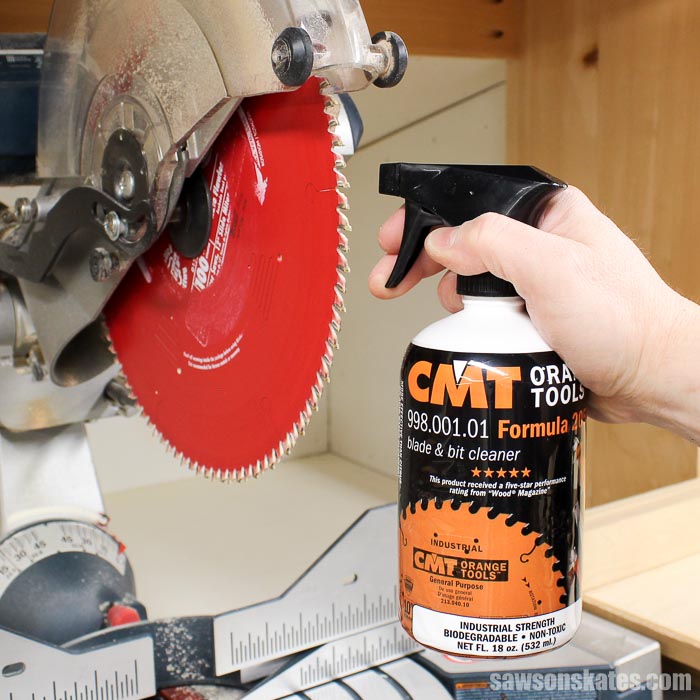
Image Source: sawsonskates.com
The Importance of a Clean Saw Blade
A clean saw blade translates directly into better results and a safer working environment. Here’s why it matters:
- Improved Cut Quality: Clean teeth glide through material with less resistance, resulting in smoother, more precise cuts. Buildup can cause splintering, burning, and jagged edges.
- Extended Blade Life: Regular cleaning prevents abrasive materials from wearing down the carbide teeth or the base metal of the blade. This means your blades will last longer.
- Reduced Saw Strain: A clean blade cuts with less effort. This means your saw motor won’t have to work as hard, reducing wear and tear on the tool itself and conserving battery life on cordless models.
- Enhanced Safety: A dull or clogged blade can bind in the material, leading to dangerous kickback. A clean, sharp blade is a safer blade.
- Preventing Corrosion: Certain cleaning methods and lubricants can help protect your blades from rust, especially in humid environments.
Cleaning Circular Saw Blades
Circular saw blades, whether for handheld saws or table saws, are prone to accumulating pitch and resin from the wood they cut. Cleaning circular saw blades effectively is key to their performance.
Essential Supplies for Cleaning Circular Saw Blades:
- Safety Glasses: Always protect your eyes from cleaning solutions and flying debris.
- Gloves: Protect your skin from cleaning agents.
- Stiff Brush: A brass or nylon brush works well. Avoid wire brushes that can damage carbide teeth.
- Cleaning Solution: Options include commercial blade cleaners, denatured alcohol, oven cleaner (use with caution and good ventilation), or a mixture of hot water and dish soap.
- Rags or Paper Towels: For wiping and drying.
- Bucket: For soaking.
- Optional: Toothbrush: For intricate areas.
Step-by-Step Guide to Cleaning Circular Saw Blades:
- Safety First: Ensure the saw is unplugged or the battery is removed. Wear your safety glasses and gloves.
- Remove the Blade: Carefully detach the blade from your saw according to the manufacturer’s instructions.
- Initial Debris Removal: Use a stiff brush to remove loose sawdust and larger debris from the teeth and the blade body.
- Soaking (Optional but Recommended):
- For stubborn pitch and resin, soak the blade in your chosen cleaning solution. A bucket is ideal.
- Commercial blade cleaners are specifically formulated to break down sticky residues.
- Denatured alcohol is a good solvent for pitch.
- Oven cleaner can be very effective but requires careful handling. Apply it, let it sit for a short period (follow product instructions), and then rinse thoroughly. Always work in a well-ventilated area when using oven cleaner.
- A simple hot water and dish soap solution can work for lighter buildup.
- Scrubbing: After soaking, use your stiff brush or an old toothbrush to scrub away the loosened residue. Pay close attention to the gullets (the spaces between the teeth) and the edges of the teeth.
- Rinsing: Rinse the blade thoroughly with clean water to remove all traces of the cleaning solution and loosened debris.
- Drying: This is a critical step to prevent rust. Dry the blade completely with clean rags or paper towels. You can also use compressed air to ensure all moisture is removed, especially from recessed areas.
- Inspection: Once clean and dry, inspect the blade for any damage, missing teeth, or signs of rust.
Cleaning Table Saw Blades
Table saw blades are workhorses and often bear the brunt of heavy-duty cutting. Cleaning table saw blades follows similar principles to other circular blades but might require a bit more attention due to the frequency of use and the types of materials cut.
Specific Considerations for Table Saw Blades:
- Frequency: Clean table saw blades more often, especially if you cut a lot of resinous woods like pine or fir.
- Blade Type: Carbide saw blade cleaning requires a gentler approach than cleaning older steel blades. The carbide tips are hard but can be brittle. Avoid aggressive scrubbing that could chip them.
The Cleaning Process for Table Saw Blades:
The process is largely the same as for circular saw blades, with an emphasis on gentle but thorough scrubbing.
- Safety: Disconnect power to the table saw.
- Blade Removal: Remove the blade from the saw’s arbor.
- Brush Away Loose Debris: A stiff nylon or brass brush is your best friend here.
- Choose Your Cleaner:
- Commercial Blade Cleaners: These are often the most effective and safest bet for all types of blades, especially carbide.
- Denatured Alcohol: Excellent for pitch and sap.
- Mineral Spirits: Another good solvent for pitch and adhesives.
- Ammonia Solution: A mixture of ammonia and water can also break down residues. Use in a well-ventilated area.
- Baking Soda Paste: For light rust or stubborn spots, a paste of baking soda and water can be applied and gently scrubbed.
- Soaking and Scrubbing: Soak the blade in your chosen cleaner for 15-30 minutes, or longer for heavily soiled blades. Then, scrub with your brush. A soft-bristled toothbrush can be useful for getting into the nooks and crannies around the carbide tips.
- Rinsing and Drying: Rinse thoroughly with water and dry completely. Compressed air is highly recommended for table saw blades to ensure all crevices are dry.
Specialized Cleaning Situations
Some cleaning challenges require specific methods or considerations.
Removing Rust from Saw Blades
Rust can form on saw blades, especially if they are stored in damp conditions or not dried properly after cleaning. Removing rust from saw blades is important for both performance and preventing further damage.
Methods for Rust Removal:
- Vinegar Soak: White vinegar is a mild acid that can dissolve rust. Soak the blade in vinegar for a few hours, then scrub with a stiff brush. Rinse and dry immediately.
- Baking Soda Paste: As mentioned, a paste of baking soda and water can be applied to rusty areas and gently scrubbed.
- Commercial Rust Removers: Specialized products are available for metal rust removal. Follow the product instructions carefully.
- Fine Steel Wool (Use with Extreme Caution): For very light surface rust on non-carbide blades, very fine steel wool (0000 grade) can be used very gently. Avoid applying pressure that could scratch the blade. Never use steel wool on carbide saw blades as it can damage the carbide.
After rust removal, it’s crucial to clean the blade as described above and then proceed to lubricating the blade.
Descaling Saw Blades
Descaling saw blades is typically associated with blades used to cut metal or plastics, where heat can cause materials to fuse onto the blade. This process is similar to removing pitch and resin.
Descaling Techniques:
- Stronger Solvents: For metal or plastic residue, stronger solvents like acetone or specialized metal cleaners might be necessary.
- Soaking and Scrubbing: The principles of soaking and scrubbing with appropriate brushes remain the same.
- Professional Cleaning: For severely scaled blades, professional cleaning services might be an option.
Best Saw Blade Cleaners
Choosing the right cleaner is vital. Here are some of the best saw blade cleaners and their pros and cons:
| Cleaner Type | Pros | Cons | Best For |
|---|---|---|---|
| Commercial Blade Cleaner | Specifically formulated, effective on pitch/resin, generally safe for carbide. | Can be more expensive. | All-around cleaning, especially for resinous woods. |
| Denatured Alcohol | Excellent solvent for pitch/resin, evaporates quickly, relatively safe. | Flammable, requires good ventilation. | Removing pitch and sap from wood cutting blades. |
| Mineral Spirits | Good solvent for pitch, sap, and adhesives. | Flammable, requires good ventilation, can leave a slight residue if not rinsed well. | Sticky residues and general cleaning. |
| Oven Cleaner | Very effective at breaking down baked-on residues. | Caustic, requires extreme caution, good ventilation, and protective gear; can damage aluminum hubs. | Stubborn, baked-on pitch and grime (use as a last resort). |
| Ammonia Solution | Can break down greasy residues and some pitch. | Strong fumes, requires good ventilation. | General grime and lighter pitch buildup. |
| Hot Water & Dish Soap | Mild, readily available, safe. | Less effective on heavy buildup. | Light dust and minor residues, quick clean-ups. |
Important Note: Always test a cleaning solution on an inconspicuous area of the blade or consult the blade manufacturer’s recommendations before applying to your entire blade, especially for specialized blades.
Lubricating Saw Blades: Protecting Your Investment
Lubricating saw blades after cleaning is an important step in restoring them and preventing future issues.
Why Lubricate?
- Rust Prevention: A thin layer of lubricant acts as a barrier against moisture, preventing rust formation.
- Easier Cutting: A light lubricant can help the blade glide more smoothly through materials, reducing friction and heat.
- Protection During Storage: Lubricant protects the blade from corrosion when stored for extended periods.
How to Lubricate Saw Blades:
- Choose the Right Lubricant:
- Light Machine Oil (e.g., 3-in-One Oil): A good all-purpose choice.
- WD-40: While often used for cleaning and rust prevention, it’s a light lubricant. Apply sparingly and wipe off excess.
- Specialized Blade Protectants: Some manufacturers offer specific products for blade protection.
- Apply Sparingly: Apply a very thin coat of lubricant to the entire blade, including the teeth and the blade body.
- Wipe Away Excess: Use a clean, lint-free cloth to wipe away any excess lubricant. You want a protective film, not a greasy coating, as excess lubricant can attract dust and debris.
Sharpening Saw Blades: The Next Step in Maintenance
While this guide focuses on cleaning, it’s crucial to remember that cleaning is often a precursor to or complement to sharpening. Sharpening saw blades is essential when the blade begins to dull, which can happen even with regular cleaning. A clean blade will sharpen more effectively and the results will be more noticeable.
When to Sharpen:
- Rough Cuts: If your cuts are no longer smooth and clean.
- Burning: If the wood starts to scorch where the blade passes through.
- Increased Effort: If you feel your saw struggling to cut through materials it used to handle with ease.
Sharpening Methods:
- Professional Sharpening Services: This is often the best option for ensuring precision and proper tooth geometry, especially for carbide-tipped blades.
- DIY Sharpening: This can be done with specialized sharpening stones or diamond files, but it requires skill and the right tools to avoid damaging the blade. For carbide-tipped blades, diamond abrasives are necessary.
Restoring Saw Blades: Bringing Them Back to Life
Restoring saw blades involves a combination of thorough cleaning, rust removal, and potentially professional sharpening. When a blade is heavily coated with pitch, gummed up, or has started to rust, it needs more than a quick wipe-down.
The Restoration Process:
- Deep Cleaning: Use the most effective cleaning methods described earlier to remove all buildup.
- Rust Treatment: Address any rust present using appropriate methods.
- Inspection: Check for any physical damage like bent teeth or cracks.
- Sharpening: If the blade is dull, get it professionally sharpened.
- Lubrication: Apply a light coat of lubricant to protect the restored blade.
A well-maintained and clean saw blade is a joy to work with. It makes your woodworking projects easier, safer, and produces professional-quality results.
Frequently Asked Questions (FAQ)
How often should I clean my saw blades?
The frequency depends on how often you use your saw and the types of wood you cut. For heavy use or cutting resinous woods, cleaning after every few hours of work or at the end of a project is recommended. For lighter use, cleaning monthly or when you notice a decline in cut quality is sufficient.
Can I use a wire brush to clean saw blades?
It’s generally not recommended, especially for carbide-tipped blades. Wire brushes can scratch the blade body and damage the delicate carbide tips, compromising their sharpness and integrity. A stiff nylon or brass brush is a safer alternative.
What is the best way to remove rust from a carbide saw blade?
For carbide saw blades, it’s best to use milder methods like a vinegar soak followed by gentle scrubbing with a nylon brush. Avoid abrasive materials like steel wool. Always rinse thoroughly and dry immediately after rust removal.
Is it safe to clean saw blades with oven cleaner?
Oven cleaner can be effective but must be used with extreme caution. It is a strong chemical that requires good ventilation, gloves, and eye protection. It can also damage aluminum components if present. If you use it, ensure you rinse the blade extremely thoroughly and dry it immediately to prevent any chemical reactions.
What is the best way to store saw blades to prevent rust?
Store saw blades in a dry environment. You can apply a light coat of lubricant and wrap them in a protective cloth or store them in blade cases designed for this purpose. Avoid storing them in damp basements or garages.
Can I clean saw blades with gasoline?
While gasoline can dissolve some residues, it is highly flammable and dangerous to use. It’s not recommended for cleaning saw blades due to safety concerns and potential for leaving residues that could ignite. Stick to safer, more appropriate cleaning agents.
By following these detailed guidelines, you can ensure your saw blades remain sharp, clean, and ready for any project, leading to sharper cuts and a more enjoyable, safer woodworking experience.