

Have you ever plugged your guitar or keyboard directly into a sound system and heard a thin, buzzy sound? It’s a common problem for musicians, and it’s often because the instrument’s signal isn’t getting to the mixer the right way. This is where a direct box, or DI box, comes in. But with so many different kinds, how do you pick the best one for your needs? It can feel confusing, like trying to find a needle in a haystack.
Choosing the right DI box matters. A good one makes your instrument sound clear and full, while a bad one can make it sound weak or even noisy. You want your music to sound its best, whether you’re on stage or recording in a studio. This post will help you understand what a DI box does and what features to look for. By the end, you’ll know how to choose a DI box that will make your sound shine.
Our Top 5 Direct Box Recommendations at a Glance
Top 5 Direct Box Detailed Reviews
1. Radial Pro DI Passive Direct Box

Rating: 8.9/10
The Radial Pro DI Passive Direct Box is a solid tool for musicians and sound engineers. It helps connect instruments like guitars and basses to mixing boards. This direct box makes your sound clear and strong. It is built tough, so it can handle life on the road. The special transformer inside makes sure your audio sounds great.
What We Like:
- It uses a custom transformer for excellent sound quality.
- The I-beam construction makes it super strong and durable.
- It’s a passive direct box, so it doesn’t need batteries or power.
- It’s simple to use, even for beginners.
- It’s a mono direct box, perfect for single instruments.
What Could Be Improved:
- It only handles mono signals, not stereo.
- Some users might want more advanced features found in active DI boxes.
This direct box is a reliable and straightforward choice for anyone needing to get clean instrument signals into their sound system. It’s a workhorse that won’t let you down.
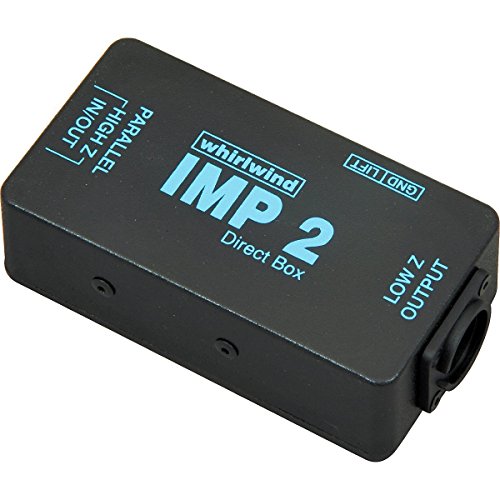
2. Whirlwind IMP 2 1-Channel Passive Instrument Direct Box
Rating: 8.8/10
The Whirlwind IMP 2 1-Channel Passive Instrument Direct Box is a small but mighty tool for musicians and sound engineers. It’s a simple device that helps your instrument sound its best when you plug it into a sound system. It takes the signal from your instrument or line-level device and makes it ready for professional audio gear.
What We Like:
- It’s super inexpensive, making it a great buy for your money.
- The box is small, so it doesn’t take up much space on your pedalboard or in your gear bag.
- It delivers fantastic sound quality, so your music will sound clear and strong.
- It’s built tough with a strong transformer that’s securely attached, not just glued.
- It’s perfect for anyone who needs good sound and reliability without spending a lot of cash.
What Could Be Improved:
- It’s a passive direct box, meaning it doesn’t boost your signal like active ones can.
- It only has one channel, so you’ll need more if you have multiple instruments to connect at once.
The Whirlwind IMP 2 is a smart choice for anyone looking for professional sound on a budget. It gets the job done reliably and sounds great, proving that you don’t need to spend a fortune for quality.
3. Livewire SPDI Passive Direct Box with Attenuation Pad

Rating: 8.7/10
The Livewire SPDI Passive Direct Box with Attenuation Pad is a handy tool for musicians and sound engineers. It helps connect instruments like guitars and keyboards to sound systems. This box makes your sound clear and strong. It works with different audio setups.
What We Like:
- It has a special input for your instrument.
- It gives you a balanced output for your sound system.
- It doesn’t use phantom power, which is good for some gear.
- You can change the sound level with the attenuation.
- The Lift mode helps stop buzzing sounds.
- The GND mode keeps the ground connection for other uses.
- It is easy to plug your instrument in and out.
What Could Be Improved:
- It’s a passive box, so it doesn’t boost the signal like active boxes do.
- It’s not the smallest direct box on the market.
The Livewire SPDI is a solid choice for many live sound and recording situations. It offers good features for its price.
4. Radial ProD2 Passive 2 Channel Direct Box

Rating: 9.0/10
The Radial ProD2 Passive 2 Channel Direct Box is a solid tool for musicians and sound engineers. It helps clean up your sound when connecting instruments like keyboards or acoustic guitars to a mixing board. This DI box uses special transformers to make sure your signal stays clear and free from annoying hum or buzz.
What We Like:
- It has two channels, so you can connect two things at once.
- The isolation transformer stops unwanted noise from getting into your sound.
- A lift switch helps get rid of ground loop hum.
- A 15dB pad switch lets you connect loud instruments without distortion.
- It’s built tough and should last a long time.
- It’s easy to set up and use.
What Could Be Improved:
- It’s a passive DI, meaning it doesn’t boost the signal like active DIs can.
- Some users might prefer more features found on active DI boxes.
The Radial ProD2 is a reliable workhorse for anyone needing a dependable stereo DI solution. It delivers clean audio and handles common connection problems with ease.
5. Passive Di direct box 1/4″ instrument to balanced & unbalanced XLR

Rating: 9.4/10
Meet the Passive DI Direct Box, your new best friend for getting clean, clear sound from your instruments. This little box takes the signal from your guitar, bass, or keyboard (plugged in with a standard 1/4-inch cable) and turns it into a balanced XLR signal. This is what professional sound systems and mixers need. It’s super simple to use, and it helps you avoid annoying noise. You can even send your instrument’s signal to your amp at the same time you send it to the soundboard. It’s a must-have for any musician who wants their live sound to be as good as their studio sound.
What We Like:
- It’s easy to connect your instrument with the 1/4-inch input and output jacks.
- The XLR output sends a professional-quality signal to mixers and sound systems.
- The pad switch is a lifesaver for loud instruments, preventing distortion.
- The ground lift switch easily gets rid of hum and buzz from electrical problems.
- It’s a passive DI, so it doesn’t need batteries or power, making it ready to go anywhere.
What Could Be Improved:
- While it’s great for many instruments, extremely low-output vintage gear might benefit from an active DI.
- It doesn’t have any extra features like built-in EQ or effects, but that’s not its main job.
This passive DI box is a solid, reliable tool for any performer. It solves common audio problems and ensures your music sounds its best, no matter the venue.
Choosing the Right Direct Box: Your Ultimate Buying Guide
A direct box, or “DI box,” is a handy tool for musicians and sound engineers. It helps connect musical instruments, like guitars and keyboards, to audio mixing boards or other sound equipment. This guide will help you pick the best DI box for your needs.
What is a Direct Box and Why Do You Need One?
Imagine your guitar’s signal is like a tiny whisper. A mixing board needs a louder, cleaner sound to hear it well. A DI box takes that whisper and makes it a clear, strong voice that the board can easily understand. It also helps get rid of unwanted noise.
Key Features to Look For
When you shop for a DI box, keep these important features in mind:
- Input Type: Most DI boxes have a 1/4-inch instrument input. Some also have XLR inputs, which are common for microphones.
- Output Type: The main output is usually an XLR connector, which plugs into your mixing board.
- Ground Lift Switch: This is a super important feature. It helps stop buzzing or humming noises that can happen when different audio devices are plugged into the same power. Flipping this switch can often fix noise problems.
- Pad Switch: Some instruments, like active basses or keyboards, send a very strong signal. A pad switch lowers this signal so it doesn’t overload the DI box or the mixing board, preventing distortion.
- Thru/Link Output: This lets you send your instrument’s signal to both the DI box (for the sound system) and your own amplifier at the same time. This is great for live performances.
- Phantom Power Compatibility: Many DI boxes get their power from the mixing board through the XLR cable. This is called phantom power. Make sure the DI box you choose can use it.
Important Materials
The materials used in a DI box affect its durability and sound.
- Housing: DI boxes are often made with metal casings. Steel or aluminum makes them strong and helps protect the electronics inside. This is good for gigging musicians who move their gear around a lot.
- Internal Components: The quality of the transformers and circuitry inside is what really matters for sound. Good transformers can make your instrument sound warmer and fuller.
Factors That Improve or Reduce Quality
Not all DI boxes are created equal. Here’s what makes a difference:
- Transformer Quality: This is a big one. A good transformer will give you a cleaner, more natural sound. Cheaper ones might make your instrument sound a bit dull or introduce unwanted noise.
- Circuit Design: The way the DI box is wired (its circuit design) affects how well it handles signals and prevents noise. Professional-grade DI boxes have excellent circuit designs.
- Build Quality: A well-built DI box feels solid and reliable. If it feels flimsy, it might not last long.
User Experience and Use Cases
Using a DI box is usually very simple.
- For Guitarists: Connect your guitar to the DI box’s input. Then, run an XLR cable from the DI box’s output to your mixing board. If you want to hear yourself on an amp, plug another cable from the “Thru” output to your amp.
- For Keyboardists: Similar to guitars, connect your keyboard to the DI box input. This is especially helpful for keyboards that have stereo outputs; you might need two DI boxes for a stereo setup.
- For Bassists: DI boxes are essential for bass players. They help your bass cut through the mix with a clear, punchy sound. Active basses often benefit from a DI box with a pad switch.
- For Live Sound: DI boxes are a staple in live sound setups. They ensure every instrument sounds its best and is free from hum and buzz.
- For Recording: In a recording studio, DI boxes are used to capture clean instrument signals directly into the recording console or audio interface.
Frequently Asked Questions (FAQ)
Q: What’s the difference between a passive and an active DI box?
A: Passive DI boxes don’t need power and are simpler. Active DI boxes need power (often phantom power) and usually offer a stronger signal and better sound quality, especially for instruments with weaker signals.
Q: Do I really need a DI box if I have an amp?
A: Yes, you often do. An amp is for you to hear yourself. The DI box sends a clean signal to the sound system so the audience can hear you clearly, separate from your amp sound.
Q: Can I use a DI box with my microphone?
A: Most DI boxes are designed for instrument-level signals. While some might have XLR inputs, they are not a replacement for a dedicated microphone preamplifier. It’s best to use a DI box for instruments and a mic for vocals.
Q: What does a “ground lift” do?
A: A ground lift switch disconnects the ground wire in the audio signal. This can stop annoying hums or buzzes that happen when different audio devices share the same electrical ground.
Q: How do I know if my instrument’s signal is too strong for a DI box?
A: If you hear distortion or clipping even with the volume turned down on your instrument, your signal might be too hot. Use the pad switch on the DI box to lower the signal strength.
Q: Are expensive DI boxes always better?
A: Not always. While higher-end DI boxes often have better components and sound, there are many affordable DI boxes that offer great quality for most users.
Q: Can I use a DI box for stereo keyboards?
A: Yes, but you will likely need two DI boxes to handle both the left and right stereo channels. Connect each output of your keyboard to a separate DI box.
Q: What is phantom power?
A: Phantom power is a small voltage (usually 48 volts) sent from a mixing board or audio interface through an XLR cable to power active DI boxes and condenser microphones.
Q: How do I connect a DI box for recording?
A: Connect your instrument to the DI box input, and the DI box output to your audio interface or mixing console. You can also connect the “Thru” output to your amplifier if you want to monitor your sound through it.
Q: What’s the best DI box for a beginner?
A: For beginners, a good quality passive DI box with a ground lift and a solid metal casing is a great starting point. Brands like Behringer, Radial, and Whirlwind offer excellent options at various price points.
In conclusion, every product has unique features and benefits. We hope this review helps you decide if it meets your needs. An informed choice ensures the best experience.
If you have any questions or feedback, please share them in the comments. Your input helps everyone. Thank you for reading.