
Have you ever looked at your fish swimming happily and wondered if the water they live in is truly healthy? It’s a question many aquarium owners ask, and the answer is crucial for your aquatic friends’ well-being. Keeping a vibrant and thriving aquarium isn’t just about beautiful decorations and lively fish; it’s about the invisible world of their water.
Choosing the right aquarium water test kit can feel like a puzzle. There are so many different types, and figuring out which one is best for your tank can be confusing and even a little overwhelming. You want to be sure you’re getting accurate readings without breaking the bank, and sometimes it’s hard to know where to start. This uncertainty can lead to guesswork, which is the last thing your fish need.
But don’t worry! By the time you finish reading this, you’ll understand exactly what to look for in a water test kit. We’ll break down the options, explain what each test does, and help you find the perfect tool to become a water quality detective for your aquarium. Get ready to gain the confidence you need to keep your underwater world sparkling clean and your fish healthy and happy for years to come!
Our Top 5 Aquarium Water Test Kit Recommendations at a Glance
Top 5 Aquarium Water Test Kit Detailed Reviews
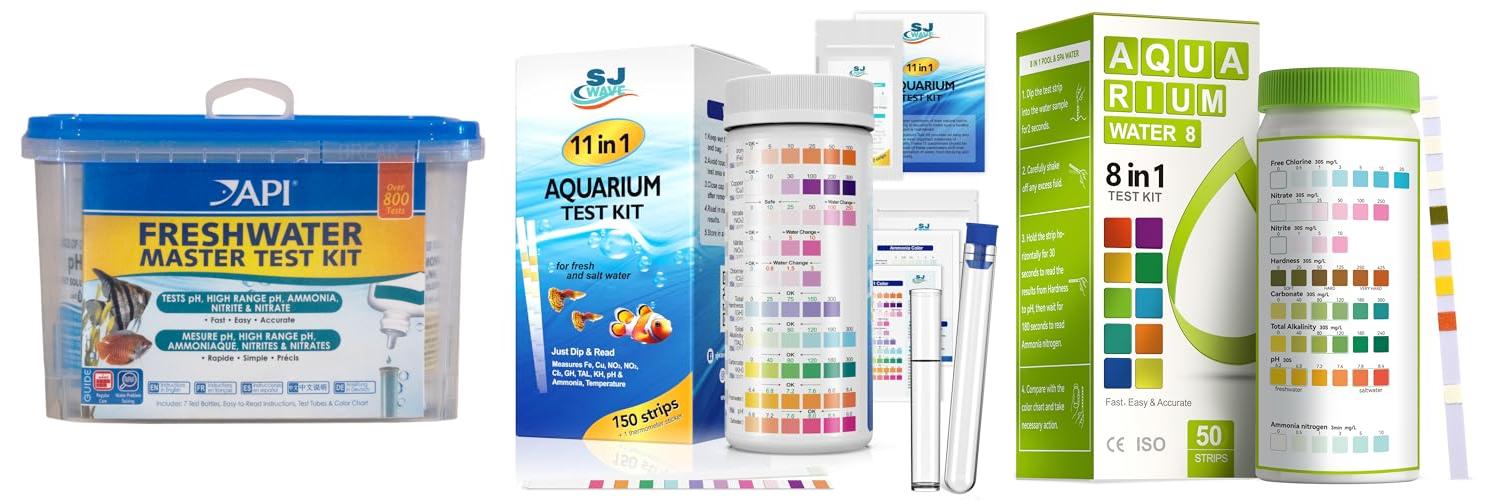
1. API FRESHWATER MASTER TEST KIT 800-Test Freshwater Aquarium Water Master Test Kit

Rating: 9.1/10
Keeping your freshwater aquarium healthy and vibrant is crucial for your fish. The API FRESHWATER MASTER TEST KIT 800-Test is your essential tool for monitoring the water quality. This comprehensive kit helps you detect and prevent common water problems that can harm your fish, ensuring a thriving aquatic environment. It’s designed for freshwater tanks and provides accurate readings for the most important water parameters.
What We Like:
- It includes everything you need for 800 tests, offering great value and long-term use.
- The kit accurately measures five vital water parameters: pH, high range pH, ammonia, nitrite, and nitrate.
- It comes with 7 bottles of testing solutions, a color card for easy comparison, and 4 sturdy tubes with caps.
- This kit helps you identify invisible water issues before they become serious problems for your fish.
- It’s specifically designed for freshwater aquariums, making it the perfect choice for your setup.
- You can use it for regular weekly checks or whenever you notice something is off with your water or fish.
What Could Be Improved:
- The instructions, while clear, can sometimes be a little tricky to follow for complete beginners.
- Some users might prefer a digital tester for faster results, though this kit offers excellent accuracy.
This API Freshwater Master Test Kit is an indispensable resource for any freshwater aquarium hobbyist. It empowers you to maintain optimal water conditions, protecting your beloved fish and ensuring their long-term health and happiness.
2. 11 in 1 – Aquarium Test Strips

Rating: 8.9/10
The 11 in 1 Aquarium Test Strips kit is your all-in-one solution for keeping your fish happy and healthy. It lets you test your aquarium water for 11 important things, so you know exactly what’s going on. This kit is great for both beginner fish lovers and experienced hobbyists.
What We Like:
- It tests for 11 different water parameters, including ammonia, pH, and hardness, giving you a full picture of your aquarium’s water.
- The results are fast and accurate, with easy-to-read color charts.
- You can test your water right at home, saving you trips to the pet store.
- The strips have a good shelf life, and the packaging helps keep them fresh.
- It works for all kinds of aquariums, from small betta tanks to large saltwater setups.
- You get a helpful eBook with expert tips to understand your water better.
What Could Be Improved:
- The product description mentions “950 Tests – 150 Strips,” which could be confusing; it’s 150 strips, each capable of testing multiple parameters.
- An included thermometer would be a nice addition, though not explicitly stated as a separate item in the main title.
This comprehensive test kit makes aquarium care simple and effective. It empowers you to maintain a safe and thriving environment for your aquatic pets.
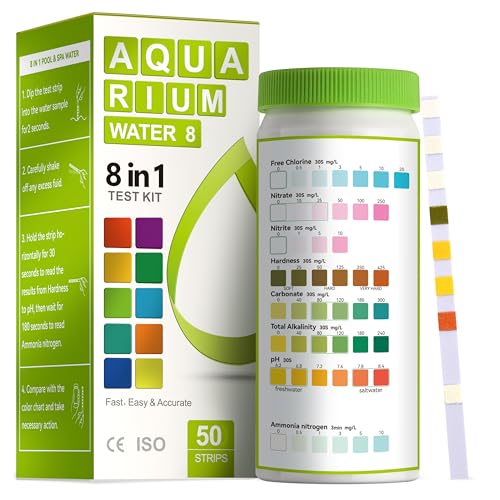
3. AAwipes 8-in-1 Aquarium Test Kit for Fish Tanks – Quick & Accurate Water Testing Strips for Aquariums & Ponds. Tests pH
Rating: 9.2/10
The AAwipes 8-in-1 Aquarium Test Kit is designed for fish lovers who want to keep their aquatic friends healthy. This kit lets you test your aquarium water quickly and easily right at home. It checks for eight important things in your water, so you can make sure your fish are living in a safe and balanced environment.
What We Like:
- It tests for 8 important water factors: Free Chlorine, Nitrate, Nitrite, Hardness, Carbonate, Total Alkalinity, pH, and Ammonia nitrogen.
- It works for both freshwater and saltwater tanks, and even ponds and pools.
- You get accurate results in just a few minutes with a simple 3-step process.
- The test strips are made with good quality paper and the colors don’t bleed.
- The strips are stored in a sealed bottle to keep them fresh for a long time.
- Testing at home saves you time and money compared to going to a lab.
What Could Be Improved:
- The instructions for dipping the strips are a bit detailed and might take a moment to understand fully.
- It requires a separate dip for the ammonia test pad, which adds an extra step.
This test kit is a fantastic tool for any fish owner. It helps you easily monitor your aquarium’s water quality and keep your fish happy and healthy.
4. Tetra EasyStrips 6-In-1 aquarium Test Strips

Rating: 9.1/10
Keeping your fish happy and healthy starts with clean water. The Tetra EasyStrips 6-In-1 aquarium Test Strips (19542) make it super simple to check your aquarium’s water. You get six important tests all on one strip. This means you can easily keep an eye on everything that matters for your underwater friends. It’s a must-have for any aquarium owner.
What We Like:
- It does six tests at once: nitrates, nitrites, water hardness, chlorine, alkalinity, and pH.
- It works for both freshwater and saltwater tanks.
- Testing is quick and easy: dip, wait a minute, and read.
- You can use them weekly, after water changes, or when you get new fish.
- Regular testing is key to a successful aquarium.
What Could Be Improved:
- The results can sometimes be a little hard to read if you don’t have good lighting.
- While convenient, some advanced users might prefer digital testers for very precise readings.
These test strips are a convenient way to ensure your aquarium’s water is safe for your fish. They provide essential information at a glance, making aquarium care much easier.
5. AAwipes Aquarium Ammonia Test Strips 8-in-1

Rating: 8.7/10
Keeping your aquarium water healthy and balanced is crucial for happy, thriving fish. The AAwipes Aquarium Ammonia Test Strips 8-in-1 offer a simple and effective way to monitor key water parameters right at home. These strips are designed for convenience and accuracy, helping you catch potential problems before they harm your aquatic pets.
What We Like:
- Tests 8 important water conditions (pH, Carbonate, Alkalinity, Hardness, Chlorine, Nitrite, Nitrate, and Ammonia nitrogen) with just one strip.
- Provides fast results in minutes, saving you time and the expense of lab testing.
- Easy to use with clear instructions and a color chart for comparison.
- Suitable for a variety of aquatic environments, including freshwater tanks, saltwater tanks, ponds, and even pools.
- The strips are made with high-quality materials that resist bleeding for accurate readings.
- They have an extended shelf life when stored properly in their sealed bottle.
- Helps prevent common water quality issues that can stress or harm fish.
What Could Be Improved:
- The process for testing Ammonia nitrogen is slightly different and requires a longer waiting time than the other parameters.
- While accurate, some users might prefer digital testers for absolute precision.
These test strips are a fantastic tool for any fish owner. They empower you to maintain a safe and healthy aquatic environment with ease.
Your Guide to a Happy Aquarium: Choosing the Right Water Test Kit
Keeping your aquarium water clean and healthy is super important for your fish and plants. A good aquarium water test kit helps you do just that. This guide will help you pick the best one.
What to Look For: Key Features
When you’re shopping for a test kit, here are the main things to check:
- What it Tests For: Most kits test for common things like pH, ammonia, nitrite, and nitrate. Some advanced kits also test for hardness (GH/KH), phosphates, and even copper. For beginners, a kit that tests for ammonia, nitrite, nitrate, and pH is a great start.
- Ease of Use: You want a kit that’s simple to understand and use. Clear instructions are a must. Some kits use drops, while others have strips you dip in the water.
- Accuracy: The test results need to be right. Look for kits from well-known brands that have good reviews for accuracy.
- Number of Tests: How many times can you use the kit? Some kits have enough for 20-30 tests, while others have more. Think about how often you’ll need to test your water.
- Value: Compare prices and the number of tests you get. Sometimes paying a little more for a kit with more tests or better accuracy is worth it.
What’s Inside: Important Materials
Your aquarium water test kit will usually come with a few things:
- Test Tubes or Vials: These hold your aquarium water for testing.
- Reagent Bottles: These have the chemicals (reagents) that change color when they react with your water.
- Color Chart: This chart shows you what different colors mean for each test. It helps you understand if your water levels are good, bad, or somewhere in between.
- Instructions: Clear, step-by-step instructions are essential for getting accurate results.
Making the Grade: Factors That Affect Quality
Several things can make a water test kit better or worse:
- Brand Reputation: Trusted brands often make more reliable test kits. They have a history of making good products.
- Expiration Dates: Reagents can lose their effectiveness over time. Always check the expiration date before buying and before using. Old reagents can give you wrong results.
- Storage: How you store the kit matters. Keep it in a cool, dark place away from direct sunlight. This keeps the chemicals fresh.
- User Reviews: What do other aquarium owners say? Reading reviews can give you an idea of how easy a kit is to use and how accurate its results are.
Your Experience: Using the Kit
Using a water test kit is usually straightforward. You’ll typically:
- Collect Water: Use the provided tube to get some aquarium water.
- Add Reagents: Follow the instructions carefully. You’ll add a specific number of drops from each reagent bottle.
- Wait and Compare: Shake the tube and let it sit for a minute or two. Then, compare the color of the water to the color chart.
Use Cases:
- New Tank Setup: Test your water regularly when you first set up a new aquarium. This helps you monitor the “cycling” process.
- Fish Health: If your fish seem sick or stressed, testing your water is the first step to figuring out why.
- Regular Maintenance: Even in a healthy tank, testing your water once a week or every two weeks is a good idea. It helps you catch problems before they get serious.
- Water Changes: Test your water before and after a water change to see if it made a difference.
Frequently Asked Questions (FAQ)
Q: Why is testing aquarium water important?
A: Testing aquarium water is important because it helps you make sure the water is safe and healthy for your fish and plants. It checks for things like ammonia, which can be harmful.
Q: What are the most important things to test for?
A: The most important things to test for are ammonia, nitrite, nitrate, and pH. These are common issues that can affect fish health.
Q: How often should I test my aquarium water?
A: For a new tank, test it every few days. For an established tank, test it once a week or every two weeks. If your fish look sick, test it right away.
Q: What is ammonia, and why is it bad?
A: Ammonia is a waste product from fish. It’s very toxic to fish and can harm their gills and make them sick.
Q: What is the difference between nitrite and nitrate?
A: Nitrite is also toxic to fish. Nitrate is less toxic but can still cause problems if levels get too high. Both are part of the aquarium’s natural cleaning process.
Q: What is pH?
A: pH is a measure of how acidic or basic your water is. Fish need the right pH level to survive and thrive.
Q: Can I use a test kit for both freshwater and saltwater aquariums?
A: Some kits are made for freshwater only, and some are for saltwater only. Always check the label to make sure you have the right kit for your type of aquarium.
Q: How long do test kit reagents last?
A: Reagents usually last for about one to two years if stored properly. Check the expiration date on the bottle.
Q: What should I do if my test results are bad?
A: If your test results are bad, you usually need to do a partial water change. You might also need to check your filter and make sure you’re not overfeeding your fish.
Q: Are test strips as good as liquid test kits?
A: Liquid test kits are generally considered more accurate than test strips. Strips are quicker and easier, but liquids often give more precise readings.
In conclusion, every product has unique features and benefits. We hope this review helps you decide if it meets your needs. An informed choice ensures the best experience.
If you have any questions or feedback, please share them in the comments. Your input helps everyone. Thank you for reading.