
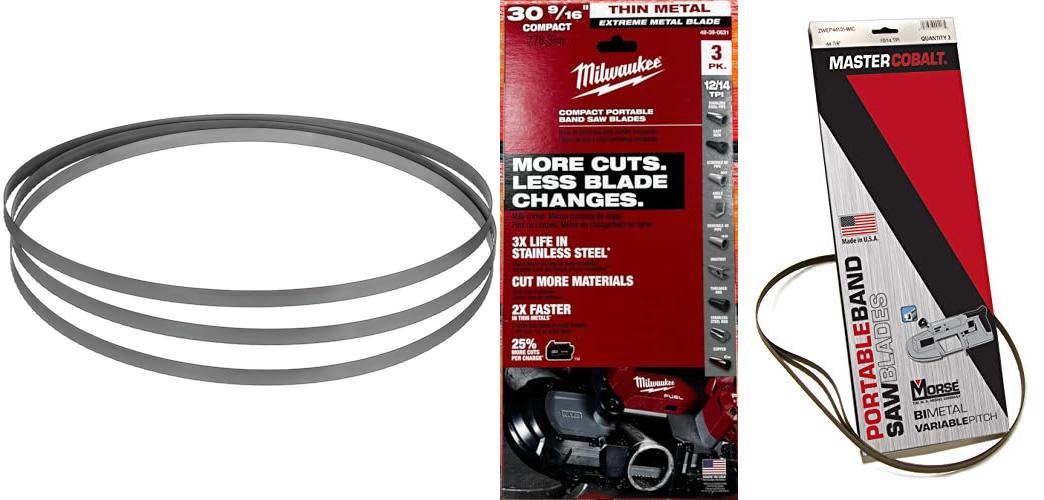
Ever watched a woodworking project come to life, smooth cuts revealing intricate designs? The secret behind those perfect lines often lies with a humble, yet powerful, tool: the band saw blade. But choosing the right one can feel like navigating a maze. Do you go for more teeth, fewer teeth, a wider blade, or a narrower one? It’s easy to feel lost in a sea of technical terms and endless choices.
This confusion can lead to frustrating results – jagged edges, blades that snap too soon, or cuts that just aren’t clean. You might be spending more time fixing mistakes than creating. But what if you could confidently pick the perfect blade every time, making your projects easier and your results more impressive?
In this post, we’ll break down the mystery of band saw blades. We’ll explore what makes each type special and how to match the blade to your specific needs. Get ready to transform your band saw from a tricky tool into your most trusted creative partner. Let’s dive in and discover how the right blade can make all the difference.
Our Top 5 Band Saw Blade Recommendations at a Glance
Top 5 Band Saw Blade Detailed Reviews
1. DEWALT Portable Band Saw Blade

Rating: 9.4/10
Tackle tough cutting jobs with the DEWALT Portable Band Saw Blade 3-Pack (DW3983C). These 32-7/8-inch blades are built to last. They feature a special Matrix II high-speed steel edge that resists heat and wear. This means you can cut for longer without the blade getting dull or damaged. The blades also have 8% cobalt for extra toughness and a hardness of Rc 65-67 on the teeth, making them very wear-resistant. The strong alloy steel backer helps prevent fatigue, so the blades won’t break easily.
What We Like:
- The Matrix II high-speed steel edge provides excellent heat and wear resistance, keeping the blade sharp.
- The 8% cobalt content adds extra durability and wear resistance for longer blade life.
- The Rc 65-67 tooth hardness ensures the teeth stay sharp and effective through many cuts.
- The alloy steel backer is strong and resists bending or breaking.
- Getting a 3-pack means you have backups ready to go.
What Could Be Improved:
- While durable, these blades might be a bit overkill for very light-duty cutting tasks.
- The 18 TPI (teeth per inch) is great for metal, but might cut slower on softer materials compared to blades with fewer TPI.
If you need reliable and long-lasting blades for your portable band saw, especially for metal cutting, this DEWALT 3-pack is a smart investment. They are designed to handle demanding work and keep performing.
2. Milwaukee 48-39-0631 30-9/16″ 12/14 TPI Compact Extreme Thick Metal Band Saw Blade 3 Pack

Rating: 8.9/10
Tackle your toughest metal cutting jobs with the Milwaukee 48-39-0631 30-9/16″ Compact Extreme Thick Metal Band Saw Blade 3 Pack. These blades are built for demanding applications, especially when cutting stainless steel and other hard metals. You’ll get more cuts done and spend less time changing blades. They are designed to last longer and cut faster, making your work more efficient.
What We Like:
- More Cuts. Less Blade Changes.: You get more work done before needing to swap out a blade.
- 3X Life in Stainless Steel and other extreme metals.: These blades really hold up when cutting tough materials like stainless steel.
- 2X Faster in Thin Metals: Cutting thinner metals is much quicker with these blades.
- 25% More Cuts Per Charge: Your cordless band saw can get more done on a single battery charge.
- Optimized Tooth Design for clean cuts: The teeth are shaped to give you smooth, neat cuts every time.
What Could Be Improved:
- Price: While they offer great value, these specialized blades might be a bit pricier than standard options.
- Availability: Sometimes finding these specific blades might require a bit more searching.
This Milwaukee blade pack is a fantastic upgrade for anyone serious about cutting thick or extreme metals. You’ll experience better performance and less downtime on your projects.
3. Morse Master Cobalt Bi-Metal Portable Band Saw Blade 44 7/8 x 1/2 x .020 14/18 TPI 3/Box (001182 / ZWEP441418MC)

Rating: 8.9/10
Tired of struggling with tough metal cuts? The Morse Master Cobalt Bi-Metal Portable Band Saw Blade is here to help. This blade is built tough, right here in the USA. It’s designed to slice through any metal you can machine. Its special shock-resistant cutting edge means it can handle the job without breaking. Plus, the variable tooth pitch makes it great for all sorts of different cutting tasks. You’ll get a smoother cut and feel less tired when you use it. It also fits most portable band saws, even the small ones.
What We Like:
- Made in the USA for reliable quality.
- Shock-resistant cutting edge easily cuts through any machinable metal.
- Variable tooth pitch handles a wide range of applications.
- Reduced vibration leads to a better finish and less user fatigue.
- Available in sizes to fit most portable band saws, including compact models.
What Could Be Improved:
- The specific blade length might not fit every single band saw model on the market.
- While versatile, extremely specialized or delicate materials might require different blade types.
This Morse Master blade is a solid choice for anyone needing dependable metal-cutting performance. It makes tough jobs easier and delivers great results.
4. POWERTEC 93-1/2 Inch Bandsaw Blades Assortment for Woodworking

Rating: 9.1/10
Upgrade your woodworking projects with the POWERTEC 93-1/2 Inch Bandsaw Blades Assortment. This 3-pack set offers versatility for a wide range of cutting tasks. You get three different blades: one for general wood cutting (6 TPI), one for detailed scroll work (14 TPI), and another for thicker wood cuts (6 TPI). They are made to fit many popular 14-inch bandsaws like Delta, Grizzly, and Jet. These blades are built tough with high-quality carbon steel for long-lasting performance.
What We Like:
- Versatile set includes blades for different cutting needs, from rough cuts to fine curves.
- Durable construction with premium carbon steel ensures blades last longer.
- Designed for high-performance cutting, making your woodworking smoother and faster.
- Compatible with many popular 14-inch bandsaw brands.
- The blades are built with a special welding for heat resistance, which helps them perform better.
What Could Be Improved:
- It’s important to double-check your bandsaw’s blade size before buying to ensure a perfect fit.
- The set is geared towards wood, so it might not be the best choice for heavy metal cutting.
This POWERTEC blade assortment is a solid choice for any woodworker looking for reliable and adaptable blades. Get ready to tackle your next project with confidence.
5. DEWALT Portable Band Saw Blade
Rating: 9.1/10
The DEWALT Portable Band Saw Blade, 44-7/8-Inch, .020-Inch, 24 TPI, 3-Pack (DW3984) is built tough for demanding jobs. These blades are made with special materials to last longer and cut through tougher stuff. You get three blades in a pack, so you’ll have extras ready to go.
What We Like:
- The Matrix II high-speed steel edge is super strong. It fights off heat and wear, so the blade stays sharp.
- It has 8% cobalt in it. This makes the blade even more durable and resistant to wear.
- The teeth are really hard, with an Rc 65-67 rating. This means they won’t dull easily, even with a lot of use.
- The alloy steel backer helps the blade resist bending and breaking. This is important when you’re cutting through thick materials.
- You get three blades in one package. This is a good value and means you won’t run out of blades quickly.
What Could Be Improved:
- For very fine detail work, a blade with a higher TPI (teeth per inch) might be better.
- While durable, these blades are designed for more rugged cutting, not super delicate tasks.
These DEWALT blades are a solid choice for anyone needing reliable cutting power. They are built to handle tough materials and keep cutting for a long time.
Choosing the Right Band Saw Blade: Your Essential Guide
A band saw blade is the heart of your band saw. It’s the part that does all the cutting. Picking the right blade makes your work easier and your projects look better. This guide will help you find the best blade for your needs.
Key Features to Look For
When you shop for a band saw blade, several things matter.
Tooth Count (TPI)
- TPI stands for “Teeth Per Inch.”
- A higher TPI means more teeth. This is good for cutting thin materials smoothly. Think of cutting thin metal or plastic.
- A lower TPI means fewer teeth. These blades cut faster through thicker materials. They are great for wood.
Blade Width
- Blades come in different widths.
- Wider blades are strong. They are best for straight cuts. They help keep the blade from bending.
- Narrower blades are flexible. They let you make curved cuts. You can turn corners with them.
Hook Tooth Design
- Some blades have teeth that curve forward like a hook.
- These “hook tooth” blades cut wood very fast. They remove material quickly. They are ideal for general woodworking.
Raker Tooth Design
- Other blades have teeth in a straight line with a few teeth set back.
- These “raker tooth” blades are good for cutting metal and plastic. They clear chips well. They give a smoother finish on harder materials.
Blade Thickness (Gage)
- Thicker blades are stronger. They resist bending. They last longer.
- Thinner blades are more flexible. They are better for tight curves.
Important Materials
The material of the blade affects how it cuts and how long it lasts.
Carbon Steel
- This is the most common and cheapest material.
- It’s good for general woodworking.
- Carbon steel blades can dull faster than others. They are best for softer woods.
Bi-Metal
- These blades combine two types of metal.
- They have a flexible steel body and hard alloy teeth.
- Bi-metal blades are tougher. They last much longer. They can cut wood, metal, and plastic. They are a great all-around choice.
Carbide Tipped
- These blades have very hard carbide teeth brazed onto a steel blade.
- They are the most durable. They cut very hard materials like hardwoods, exotics, and even some metals.
- Carbide tipped blades are the most expensive.
Factors That Improve or Reduce Quality
Several things make a band saw blade better or worse.
Quality of Steel
- High-quality steel makes a blade stronger and last longer.
- Cheap steel can bend or break easily.
Tooth Hardness and Sharpness
- Harder teeth stay sharp longer.
- Sharp teeth cut cleanly and easily. Dull teeth make cutting hard work.
Weld Quality
- The weld is where the blade is joined into a loop.
- A strong, clean weld prevents the blade from breaking. A bad weld can fail quickly.
Blade Tension
- Your band saw needs to hold the blade tight. This is called tension.
- Proper tension keeps the blade running straight. It prevents wobble.
User Experience and Use Cases
Think about what you want to cut. This helps you choose the right blade.
For Woodworking
- General Wood: Use a carbon steel blade with a lower TPI (around 3-4 TPI) for fast cuts. A bi-metal blade with a hook tooth design also works well.
- Hardwood/Exotic Wood: A bi-metal blade or a carbide-tipped blade will last longer and cut smoother.
- Curved Cuts: Use a narrow blade (1/8″ to 1/4″). A higher TPI can give cleaner curves.
For Metal Cutting
- Always use a bi-metal blade.
- Choose a higher TPI (around 14-24 TPI) for thin metal.
- Use a lower TPI (around 10-18 TPI) for thicker metal.
- Ensure the blade is designed for metal cutting.
For Plastic Cutting
- Bi-metal blades are a good choice.
- A TPI of around 10-18 TPI usually works well.
- A slower saw speed can prevent melting.
Frequently Asked Questions (FAQ)
Q: What does TPI mean on a band saw blade?
A: TPI means “Teeth Per Inch.” It tells you how many teeth are on one inch of the blade.
Q: Should I use a wide or narrow blade?
A: Use a wide blade for straight cuts and a narrow blade for curved cuts.
Q: What is the best blade material for cutting wood?
A: For general woodworking, carbon steel is fine. For hardwoods, bi-metal or carbide-tipped blades are better.
Q: How do I know if my blade is dull?
A: A dull blade makes cutting difficult. It might make a grinding noise. You might see rough edges on your cuts.
Q: Can I use a wood cutting blade to cut metal?
A: No, you should not. Wood blades will dull very quickly and might break. Always use a blade designed for metal.
Q: How often should I change my band saw blade?
A: It depends on how much you use it and what you cut. If your cuts are rough or slow, it’s time for a new blade.
Q: What is a “hook tooth” blade good for?
A: Hook tooth blades are great for cutting wood quickly. They remove material fast.
Q: Are more expensive blades always better?
A: Not always. The best blade is the one that suits your cutting needs and budget. However, higher quality materials often mean better performance and longer life.
Q: What is the most important thing to consider when buying a band saw blade?
A: The material you plan to cut is the most important factor. This will guide your choice of TPI, width, and material.
Q: How do I store band saw blades?
A: Store them flat or on their side to prevent them from bending. Keep them clean and dry.
In conclusion, every product has unique features and benefits. We hope this review helps you decide if it meets your needs. An informed choice ensures the best experience.
If you have any questions or feedback, please share them in the comments. Your input helps everyone. Thank you for reading.