
Imagine biting into a sun-ripened tomato, still warm from the vine, or crunching into a crisp lettuce leaf you grew yourself. It’s a delicious dream many gardeners share! But when it comes to raised gardens, figuring out which vegetables will thrive can feel like a puzzle. Do you pick the speedy radishes, the leafy greens, or the space-saving bush beans? The sheer variety can make your head spin, and the fear of picking the wrong plant can stop you before you even get your hands dirty.
Don’t let indecision keep you from experiencing the joy of homegrown goodness. This guide is here to help you navigate the wonderful world of raised garden vegetables. We’ll explore some of the best choices that are perfect for these elevated beds, considering factors like space, sunlight, and ease of care. By the time you finish reading, you’ll have a clear picture of what to plant for a bountiful and beautiful raised garden harvest.
Our Top 5 Vegetables To Grow In A Raised Garden Recommendations at a Glance
Top 5 Vegetables To Grow In A Raised Garden Detailed Reviews
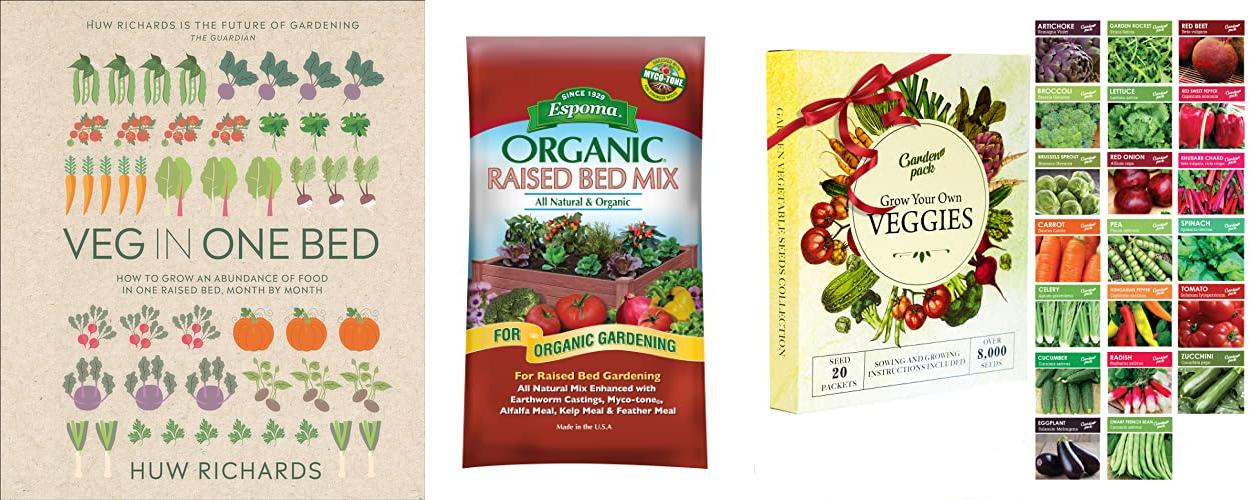
1. Veg in One Bed New Edition: How to Grow an Abundance of Food in One Raised Bed

Rating: 9.2/10
Are you dreaming of fresh, homegrown veggies but short on space? “Veg in One Bed New Edition” is your answer! This book guides you step-by-step to grow tons of food in just one raised garden bed. It breaks down the whole year into easy monthly tasks. You’ll learn what to plant, when to plant it, and how to care for your growing plants. It’s perfect for beginners and experienced gardeners alike who want to maximize their harvest.
What We Like:
- Clear, month-by-month instructions make gardening simple.
- Focuses on getting a lot of food from a small space.
- Great for people who are new to gardening.
- Helps you plan your garden throughout the entire year.
- Inspires you to grow your own healthy food.
What Could Be Improved:
- Could include more detailed pest and disease solutions.
- Visuals are good, but more diagrams would be helpful for some.
This book truly empowers you to become a successful vegetable gardener, no matter your experience level. Get ready to enjoy a bountiful harvest right from your own backyard!
2. Espoma Organic Raised Bed Mix – All Natural and Organic Potting Soil Mix for Growing Vegetables and Herbs in Raised Garden Beds. for Organic Gardening.1.5 Cubic Foot Bag

Rating: 9.5/10
The Espoma Organic Raised Bed Mix is a fantastic, all-natural potting soil designed specifically for raised gardens and outdoor pots. It’s ready to use right out of the bag, making it super convenient for any gardener. This mix helps your vegetables and herbs grow strong and healthy.
What We Like:
- It’s perfect for raised garden beds and outdoor containers.
- The soil is packed with good stuff like earthworm castings, alfalfa meal, kelp meal, and feather meal.
- It includes MYCO-TONE, a special blend of mycorrhizae that helps plants absorb nutrients better.
- You can use it for brand new raised beds or to give your current garden beds a boost.
- It’s completely organic, with no artificial fertilizers or chemicals.
What Could Be Improved:
- The 1.5 cubic foot bag might be a bit small for very large raised beds, requiring multiple bags.
- While organic, the price point might be a consideration for gardeners on a tight budget.
Overall, this Espoma Organic Raised Bed Mix is a top-notch choice for anyone wanting to grow organic vegetables and herbs. It provides everything your plants need to thrive in a raised garden setting.
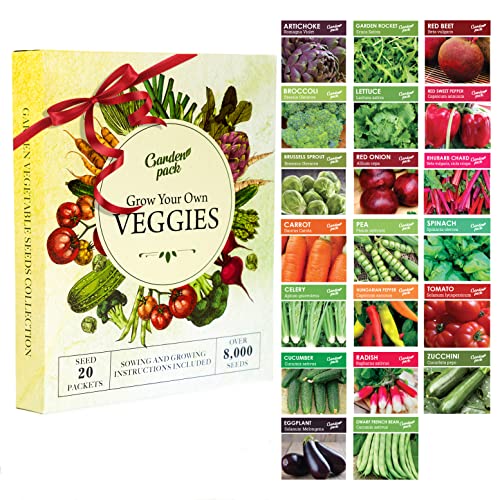
3. Garden Pack 20 Vegetable Seeds Varieties – High Yield Garden Seeds for Planting Vegetables – Over 8
Rating: 9.1/10
Ready to get your hands dirty and grow your own delicious food? This Garden Pack 20 Vegetable Seeds Varieties is your ticket to a bountiful harvest right at home, whether you’re gardening indoors or out. It’s a fantastic way to dive into “do it yourself” vegetable gardening and enjoy the freshest produce imaginable.
What We Like:
- You get 20 different types of vegetable seeds in one bundle, making it super easy to grow a variety of veggies.
- This pack has about 8,000 seeds in total, so you have plenty to plant and share.
- It includes popular choices like lettuce, cucumber, and tomato seeds, plus carrots, onions, broccoli, and so much more!
- The seeds are tested for high germination, meaning they are likely to sprout and grow well.
- This seed kit is perfect for beginners and makes a thoughtful gift for anyone wanting to start a home garden.
- Growing your own vegetables helps you save money and is good for the environment.
- All the seeds are premium, non-GMO, and heirloom, ensuring quality and natural goodness.
What Could Be Improved:
- The descriptions don’t specify the exact quantity of each of the 20 varieties, just the total number of seeds.
- While it mentions indoor and outdoor gardening, specific guidance for indoor setups might be helpful for some users.
This extensive seed collection offers a rewarding gardening experience for everyone. Start your journey to a fresher, healthier lifestyle with this all-in-one vegetable garden kit.
4. Land Guard Galvanized Raised Garden Bed Kit
Rating: 9.3/10
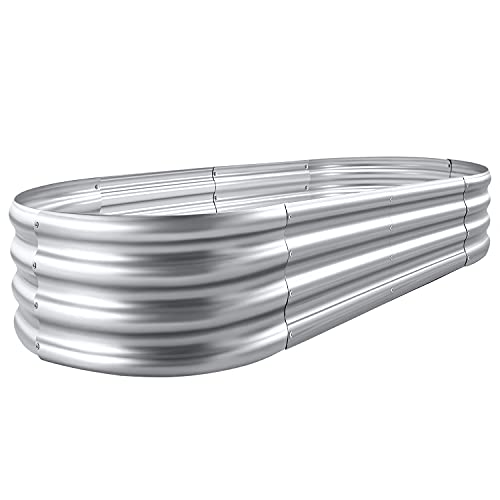
The Land Guard Galvanized Raised Garden Bed Kit is a fantastic way to start your vegetable garden. These oval metal beds are large and sturdy, giving your plants plenty of room to grow. They’re designed to last for many years, making them a smart investment for any gardener.
What We Like:
- Durable and Long-Lasting: Made from strong Q195 galvanized metal, these beds have a double-layer anti-corrosion coating. The oval shape makes them even stronger and they won’t easily loosen or deform. You can reuse them for years!
- Easy to Assemble: You can set up one of these garden beds in about 5 minutes. It’s so quick, you’ll be planting your favorite veggies in no time.
- Great for Plant Roots: The open base lets extra water drain away. This prevents root rot and helps your plants absorb nutrients from the soil better.
- Extra Thick Metal: The metal is much thicker than average garden beds, up to 1.56mm in some parts. This means they are super stable and won’t bend under the weight of soil.
- Attractive Design: The oval shape is not only strong but also looks nice in your yard.
What Could Be Improved:
- Availability: Sometimes these popular beds might be hard to find in stock.
- Size Limitations: While they are large, you might need multiple beds for a very big garden.
Overall, the Land Guard Galvanized Raised Garden Bed Kit offers a durable and easy-to-use solution for creating a thriving vegetable patch. Its robust construction and thoughtful design make it an excellent choice for gardeners of all levels.
5. ZtohPyo 15 Gallon Plant Grow Bags

Rating: 8.8/10
Looking to level up your gardening game, even with limited space? The ZtohPyo 15 Gallon Plant Grow Bags offer a fantastic solution for growing your favorite vegetables, herbs, or flowers. These sturdy fabric raised garden beds are designed to make planting easy and promote healthy plant growth, whether you’re on a balcony, patio, or in your backyard.
What We Like:
- Sturdy and Durable: Made from high-quality, thickened non-woven fabric with strong stitching, these grow bags are built to last season after season. They are breathable and reusable, giving your plants a great home.
- Promotes Healthy Roots: The fabric allows for great air circulation and drainage. This 360-degree ventilation prevents roots from getting tangled (root circling) and helps plants grow stronger and healthier.
- Generous Size: The 15-gallon capacity provides plenty of room for roots to spread out. With a diameter of about 23.5 inches and a height of about 8 inches, you have a good amount of space for a variety of plants.
- Easy to Use and Store: No assembly is needed! Just fill them with soil and start planting. The bags have handles, making them easy to move. When you’re done for the season, simply empty them, fold them up, and store them away for next year.
What Could Be Improved:
- Winter Care Needed: The product mentions keeping plants warm in winter, implying the bags themselves might not offer much insulation against extreme cold.
- Seller Support Mentioned: While good to have, the explicit mention of contacting the seller for support if the product isn’t in good condition suggests a possibility of receiving a damaged item, which is a minor concern.
These ZtohPyo grow bags are a practical and effective way to enjoy gardening. They make it simple to get started and help your plants thrive.
Choosing the Best Vegetables for Your Raised Garden
Raised gardens are fantastic! They make gardening easier and give you more control over your soil. But what veggies should you plant? This guide helps you pick the perfect ones.
1. Key Features to Look For
When picking vegetables for your raised bed, think about these:
- Sunlight Needs: Does the vegetable like full sun (6+ hours a day) or partial shade (4-6 hours)? Your garden’s location is key.
- Space Requirements: Some plants, like sprawling squash, need lots of room. Others, like carrots, are happy in tighter spaces.
- Growth Habit: Do you want plants that grow up (like peas) or spread out (like lettuce)?
- Water Needs: Some veggies drink a lot, while others prefer it drier.
- Your Climate: What grows well in your area? Check your local planting zone.
2. Important Materials (for the Raised Bed Itself!)
While we’re talking about veggies, the raised bed matters too! Good materials help your plants thrive.
- Wood: Cedar and redwood are great because they resist rot. Avoid treated wood that might leach chemicals into your soil. Pine is cheaper but won’t last as long.
- Metal: Galvanized steel is a popular choice. It’s durable and looks modern.
- Composite: This recycled material is strong and lasts a long time.
- Stone or Brick: These are beautiful and very sturdy, but can be more expensive.
3. Factors That Improve or Reduce Quality
What makes your raised garden veggies taste amazing or just okay?
Factors That Improve Quality:
- Rich Soil: Use a good mix of compost and topsoil. This gives plants nutrients.
- Proper Watering: Water deeply and consistently. Avoid letting the soil dry out too much or get waterlogged.
- Good Drainage: Raised beds naturally drain well, which is great for plant roots.
- Sunlight: Most veggies need plenty of sun to grow big and tasty.
- Pest Control: Keep an eye out for bugs and diseases. Healthy plants fight them off better.
Factors That Reduce Quality:
- Poor Soil: Stiff clay or sandy soil won’t support healthy growth.
- Not Enough Water: Plants get stressed and their taste suffers.
- Too Much Water: Roots can rot.
- Not Enough Sunlight: Plants won’t grow strong or produce much.
- Pests and Diseases: These damage plants and make them less desirable.
4. User Experience and Use Cases
Raised gardens are for everyone! They’re perfect for:
- Beginner Gardeners: Easier to manage and less bending over!
- Small Spaces: Balconies, patios, or small yards can all have gardens.
- Improving Soil: If your yard has bad soil, raised beds are a quick fix.
- Growing Specific Veggies: You can control the soil for plants that need special conditions.
- Kids’ Gardens: They’re a fun and safe way for children to learn about growing food.
Frequently Asked Questions (FAQ)
Q: What are the best vegetables for beginners in a raised garden?
A: Great choices for beginners include lettuce, spinach, radishes, bush beans, and cherry tomatoes. They grow relatively quickly and are forgiving if you make small mistakes.
Q: Can I grow root vegetables like carrots and potatoes in a raised garden?
A: Yes! Root vegetables do very well in raised beds. Make sure your raised bed is deep enough (at least 12 inches) for them to grow without hitting obstacles.
Q: What vegetables need a lot of sun?
A: Tomatoes, peppers, cucumbers, squash, beans, and corn all love full sun. Plan to put these in the sunniest spots of your raised garden.
Q: Which vegetables prefer partial shade?
A: Leafy greens like lettuce, spinach, kale, and Swiss chard can tolerate or even prefer some shade, especially in hot climates. Also, some herbs do well in partial shade.
Q: How deep should my raised garden be for most vegetables?
A: For most common vegetables, a depth of 8-12 inches is usually sufficient. For root vegetables, aim for 12 inches or more.
Q: How often should I water vegetables in a raised garden?
A: This depends on the weather and the types of plants. Check the soil moisture by sticking your finger in about 2 inches deep. If it feels dry, it’s time to water. Raised beds can dry out faster than in-ground gardens.
Q: Can I grow vining plants like cucumbers or peas in a raised garden?
A: Absolutely! You’ll just need to provide them with support, like a trellis or stakes, so they can climb upwards. This saves space and keeps the fruit off the ground.
Q: What’s the best way to fill a raised garden bed with soil?
A: A good mix is about 60% good quality topsoil and 40% compost. You can also add some aged manure or other organic matter for extra nutrients.
Q: How do I deal with pests in my raised garden?
A: Keep plants healthy, as they are less prone to pests. You can use netting, handpick pests, or use organic pest control methods like neem oil or insecticidal soap if needed.
Q: Can I grow vegetables year-round in a raised garden?
A: In some climates, you can extend your growing season with certain vegetables. Cool-season crops like kale and spinach can often be grown into the fall and even winter with protection. For true year-round growing, you might need a greenhouse or cold frame.
In conclusion, every product has unique features and benefits. We hope this review helps you decide if it meets your needs. An informed choice ensures the best experience.
If you have any questions or feedback, please share them in the comments. Your input helps everyone. Thank you for reading.