
Can you drill a hole for a door latch yourself? Absolutely! Drilling the hole for a door latch is a very achievable DIY project with the right tools and guidance. This guide will walk you through each step, from preparation to the final touches, ensuring you can successfully install your new door hardware.
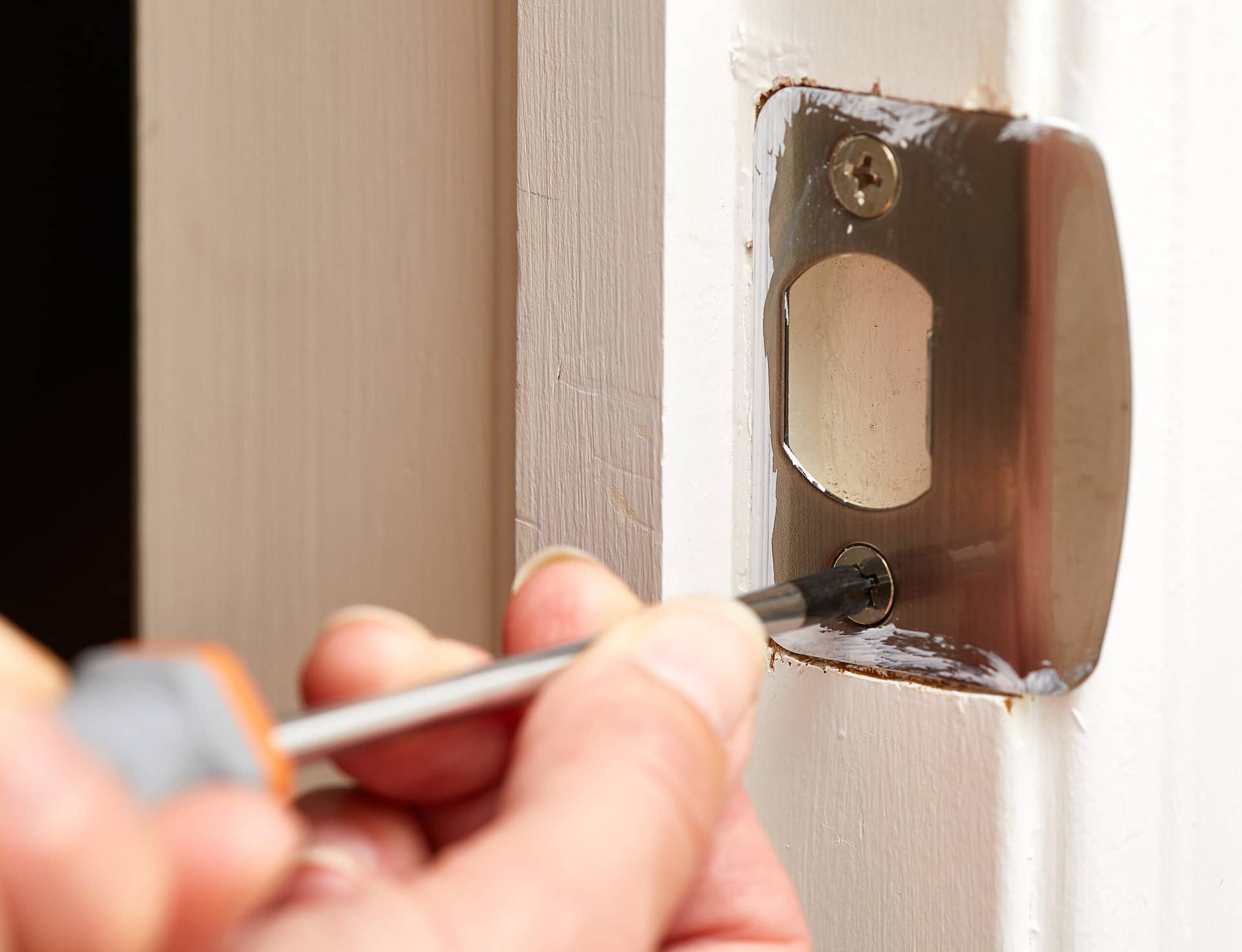
Image Source: mla5dc5gjk9g.i.optimole.com
Preparing Your Door for Latch Installation
Before you start drilling, proper door preparation is key. This involves ensuring your door is ready for the new hardware and that you have all the necessary tools and measurements.
What You’ll Need
Gathering the right tools upfront will save you time and frustration.
- Drill: A cordless drill is ideal for power and portability.
- Hole Saw Bit: This is crucial for creating the large-diameter hole for the doorknob. The door knob hole size will depend on your specific hardware. Standard sizes are often 2 1/8 inches, but always check your new latch set instructions. A hole saw for door knob is specifically designed for this purpose.
- Auger Bit or Spade Bit: For drilling the narrower hole for the latch mechanism itself. The size will be specified by your latch manufacturer, typically 1 inch or 1 1/4 inches.
- Chisels: Sharp chisels are needed to create the latch plate mortise – the recess where the latch plate sits flush with the door edge.
- Hammer: To gently tap the chisel when mortising.
- Measuring Tape: For accurate placement.
- Pencil: For marking.
- Safety Glasses: Essential eye protection.
- Workbench or Stable Surface: To support the door if you remove it.
- Clamps: To secure the door if needed.
- Optional: Door Drilling Jig: This tool can significantly improve accuracy, especially if you’re drilling multiple doors or are less experienced. It helps guide the drill bit straight.
Measuring for Accurate Placement
Accurate measurements are critical for the door latch to function correctly.
Determining the Backset
The backset measurement is the distance from the edge of the door to the center of the hole you’ll drill for the doorknob. This is usually determined by the latch mechanism you purchased. Common backset sizes are 2 3/8 inches and 2 3/4 inches.
- Locate the Center: Measure from the door edge to the point where the center of your latch will be.
- Mark the Center: Use your pencil to mark this spot clearly on both faces of the door. Ensure the marks align perfectly.
Door Knob Hole Size Considerations
The door knob hole size is usually dictated by the diameter of the doorknob’s spindle or the housing of the latch assembly. Always refer to the packaging of your new door latch for the precise recommended hole size. Most often, you’ll use a 2 1/8 inch hole saw for the main knob bore.
Creating a Pilot Hole
Before using the large hole saw, it’s important to create a pilot hole.
- Align the Bit: Place the tip of a smaller drill bit (e.g., 1/4 inch) directly on your marked center point.
- Drill Straight: Drill a shallow pilot hole. This hole will guide the larger hole saw bit, preventing it from wandering and ensuring a straight cut. Make sure the pilot hole is centered on your mark.
Drilling the Main Bore for the Door Latch
This is where the hole saw comes into play to create the main opening for the doorknob.
Using a Hole Saw for Door Knob
The hole saw for door knob is designed to cut clean, large circular holes.
- Attach the Hole Saw: Securely attach the correct size hole saw (usually 2 1/8 inches) to your drill. Ensure it’s tightened properly.
- Position the Hole Saw: Place the pilot of the hole saw bit into the pilot hole you just drilled on one side of the door.
- Drill Slowly and Steadily: Start drilling at a slow speed. As the teeth begin to bite, you can increase speed slightly.
- Maintain a Straight Angle: Keep the drill perfectly perpendicular to the door surface. This is where a door drilling jig can be incredibly helpful. It will guide the hole saw and ensure a clean, straight cut.
- Drill Partway, Then Finish from the Other Side: To prevent tear-out (splintering of wood) on the exit side of the door, drill only about halfway through the door. Then, flip the door over and complete the hole from the other side, aligning the hole saw with the initial cut. This technique provides a much cleaner finish.
- Clear Debris: Once the hole is complete, remove any sawdust or wood chips from inside the bore.
Drilling the Latch Hole
Now, you’ll drill the hole for the latch mechanism itself, which extends from the edge of the door.
Selecting the Right Bit
You’ll need an auger bit or spade bit that matches the diameter of your latch’s spindle. This is usually around 1 inch or 1 1/4 inches. Check your latch instructions for the exact size.
Marking the Latch Hole Location
The latch mechanism needs to be centered on the edge of the door, and its position is determined by the backset measurement.
- Measure Backset: With your initial center mark for the doorknob hole, measure from that mark to the edge of the door. This is your backset.
- Mark the Edge: Transfer this backset measurement to the edge of the door, lining it up with the center of the doorknob bore. Mark a clear point here. This is where the center of your latch hole will be.
Drilling the Latch Hole
This hole needs to be drilled precisely from the edge of the door, meeting the main bore hole.
- Position the Drill Bit: Place the tip of your auger or spade bit on the mark you made on the door edge.
- Drill Perpendicularly: Crucially, ensure the drill bit is perfectly perpendicular to the door edge. A slight angle here will prevent the latch from operating smoothly and could misalign the strike plate alignment later.
- Drill to Meet the Bore: Drill into the door until the bit breaks into the main bore hole you drilled earlier.
- Clear Debris: Remove any wood shavings from both the latch hole and the main bore.
Creating the Latch Plate Mortise
For a professional look and proper function, the latch plate should sit flush with the door edge. This requires creating a recess, known as a mortise.
Marking the Mortise
- Trace the Latch Plate: Insert the latch mechanism into the drilled hole. Place the latch plate against the door edge, centered over the latch hole.
- Draw Around the Plate: Use your pencil to carefully trace the outline of the latch plate onto the door edge.
Chiseling the Mortise
This step requires patience and a sharp chisel.
- Score the Outline: Use the sharp edge of your chisel to score along the pencil lines you drew. This helps guide the chisel and prevents the wood from splintering too far.
- Remove Wood:
- Method 1: Multiple Shallow Cuts: Start by making a series of shallow, angled cuts within the traced area, removing thin slivers of wood.
- Method 2: Chopping: Alternatively, hold the chisel bevel-down and carefully chop straight down along the lines, then work inwards to remove wood.
- Work Gradually: Aim to remove wood a little at a time. Constantly check the depth of the mortise by test-fitting the latch plate.
- Achieve Flush Fit: The goal is for the latch plate to sit perfectly flush with the door edge, with no part of it sticking out.
- Clean the Mortise: Once you’ve achieved the correct depth, clean out any remaining wood dust.
Table: Mortising Depth Guide
| Latch Plate Thickness | Desired Mortise Depth |
|---|---|
| Standard (e.g., 1/8″) | ~1/8 inch |
| Thicker Plates | Slightly deeper |
Note: Always measure your specific latch plate thickness and adjust accordingly.
Installing the Latch Mechanism
With the holes drilled and the mortise created, it’s time to install the latch.
- Insert the Latch: Slide the latch mechanism into the larger bore hole.
- Align the Latch Plate: Position the latch plate into the mortise you created on the door edge. Ensure it’s flush and centered.
- Secure the Plate: Use the screws provided with your latch set to secure the latch plate to the door. Drive the screws in carefully, ensuring they are straight.
Installing the Doorknob
Now you can attach the doorknob assembly.
- Follow Manufacturer Instructions: Each doorknob set can have slightly different installation procedures. Refer to the specific instructions that came with your hardware.
- Typically, this involves:
- Inserting one side of the doorknob through the main bore, aligning its spindle with the latch mechanism.
- Securing the spindle and mounting plates with screws.
- Attaching the other side of the doorknob.
- Test the Operation: Before fully tightening everything, test that the latch retracts and extends smoothly when the knob is turned.
Installing the Strike Plate
The strike plate is installed on the door frame and works with the latch to keep the door closed. Proper strike plate alignment is crucial for smooth operation.
Preparing the Door Frame
This often involves similar steps to preparing the door itself, though the hole for the latch bolt is usually pre-drilled by the door manufacturer. You may need to create a mortise for the strike plate.
- Align the Strike Plate: Close the door gently. Position the strike plate on the door frame so that the latch bolt aligns perfectly with the opening in the plate.
- Mark the Outline: Once aligned, trace the outline of the strike plate onto the door frame with a pencil.
- Mark the Latch Hole: Identify where the latch bolt will enter the frame and mark this spot.
Mortising the Door Frame (If Necessary)
- Check Existing Mortise: Many door frames have a pre-cut mortise for the strike plate. If yours does, simply ensure the strike plate sits flush.
- Create the Mortise: If there’s no pre-cut mortise, use your chisel and hammer to create a recess similar to the one on the door edge, ensuring the strike plate sits flush with the frame.
- Drill for the Latch Bolt: If the hole for the latch bolt isn’t present or is too small, use an appropriate bit (often the same size as the latch spindle) to drill a hole into the frame, allowing the latch bolt to enter freely when the door is closed.
Securing the Strike Plate
- Screw it In: Use the provided screws to secure the strike plate to the door frame.
- Test Door Operation: Open and close the door several times. The latch bolt should extend and retract smoothly, and the strike plate should hold the door securely without binding.
Troubleshooting Common Issues
Even with careful work, you might encounter minor problems.
Latch Not Retracting Smoothly
- Check alignment: Ensure the door knob spindle and latch are properly aligned.
- Check mortise depth: The latch plate might be too proud, causing friction. Adjust the mortise depth.
- Check bore holes: Make sure the holes aren’t too tight for the mechanism.
Door Sticks or Doesn’t Close Properly
- Strike plate alignment: This is the most common culprit. Realign the strike plate on the frame.
- Door Sag: The door hinges might be loose or worn, causing the door to sag and misalign with the strike plate.
Splintering or Tear-Out During Drilling
- Use a sharp bit: Dull bits cause more damage.
- Drill halfway from each side: This is the best way to prevent tear-out.
- Use a door drilling jig: This helps maintain a consistent, straight drilling path.
Advanced Techniques and Tools
For those looking for even more precision or tackling multiple doors, consider these options.
Using a Door Drilling Jig
A door drilling jig is a specialized tool that clamps onto the door edge. It has guides that ensure your hole saw and latch bits are drilled perfectly straight and at the correct depth. This is highly recommended for consistent results and if you are installing door hardware drilling for the first time.
Using a Router for Door Latch Mortises
For mortises, a router can offer a cleaner and faster result than chisels, especially for repetitive tasks.
- Router Bit Selection: Use a straight-cutting router bit that matches the width and depth of your latch plate.
- Template or Jig: You’ll need a template or a specialized jig designed for mortising latch plates. These templates guide the router to create a perfect recess.
- Depth Control: Set the router’s depth control carefully to match the thickness of your latch plate.
- Router for Door Latch: This method, while requiring a router, yields a very professional finish for the latch plate mortise.
Conclusion
Drilling holes for a door latch might seem daunting, but with these detailed steps, you can achieve a professional and functional result. Remember to measure twice, drill once, and prioritize safety. Whether you’re replacing an old latch or installing new hardware, following this guide will help ensure your door preparation and door hardware drilling are successful. Don’t forget that proper strike plate alignment is key to a well-functioning door. This project is a great way to enhance the security and aesthetics of your home.
Frequently Asked Questions (FAQ)
What is the standard door knob hole size?
The most common door knob hole size for interior doors is 2 1/8 inches in diameter. The hole for the latch bolt itself is typically 1 inch or 1 1/4 inches, depending on the latch’s backset and design. Always check the specifications of your particular door hardware for the exact measurements.
Can I install a deadbolt myself?
Yes, deadbolt installation is very similar to installing a standard door latch. The primary difference is that deadbolts often require a larger bore hole (usually 2 1/8 inches) for the main body and a separate, smaller hole (often 1 inch) for the bolt mechanism itself. The process involves accurate measurement, drilling, and mortising for the bolt and strike plate, much like what’s described for a door latch.
What is a backset measurement?
The backset measurement is the distance from the edge of the door to the center of the large hole drilled for the doorknob or deadbolt. Common backsets for door latches are 2 3/8 inches and 2 3/4 inches. This measurement is critical for ensuring the doorknob is positioned correctly on the door and that the latch mechanism aligns with the strike plate on the door frame.
How do I mortise a door for a latch plate?
To mortise a door for a latch plate, you first trace the outline of the latch plate onto the edge of the door. Then, using a sharp chisel and hammer, you carefully remove wood to create a shallow recess. The depth of this recess should be equal to the thickness of the latch plate so that when installed, the plate sits flush with the door edge. A router with a template can also be used for a more precise and faster mortise.
What is the best tool for drilling a door knob hole?
The best tool for drilling a door knob hole is a hole saw for door knob of the correct diameter (typically 2 1/8 inches). It’s essential to use a sharp hole saw and to drill slowly and steadily, ideally using a drill press or a door drilling jig to ensure the hole is straight and perpendicular to the door surface. Drilling halfway from each side of the door is recommended to prevent wood splintering.