
Ever found yourself staring at a pile of metal, wondering which blade will cut through it cleanly and efficiently? You’re not alone. Choosing the right reciprocating saw blade for metal can feel like a guessing game. Too often, people grab the first blade they see, only to end up with frustratingly slow cuts, dull blades, or even dangerous snapping. This can turn a simple job into a real headache, costing you time and money.
But what if there was a way to cut through that metal with confidence? Imagine finishing your project faster, with less effort, and knowing you used the best tool for the job. This post is your secret weapon. We’re going to break down exactly what makes a reciprocating saw blade perfect for metal. You’ll learn about different blade types, what materials they’re best for, and how to spot a high-quality blade that won’t let you down.
By the time you finish reading, you’ll have the knowledge to confidently pick the right metal-cutting blade for any project. Say goodbye to confusion and hello to smooth, powerful cuts. Let’s dive in and discover the secrets to mastering metal with your reciprocating saw.
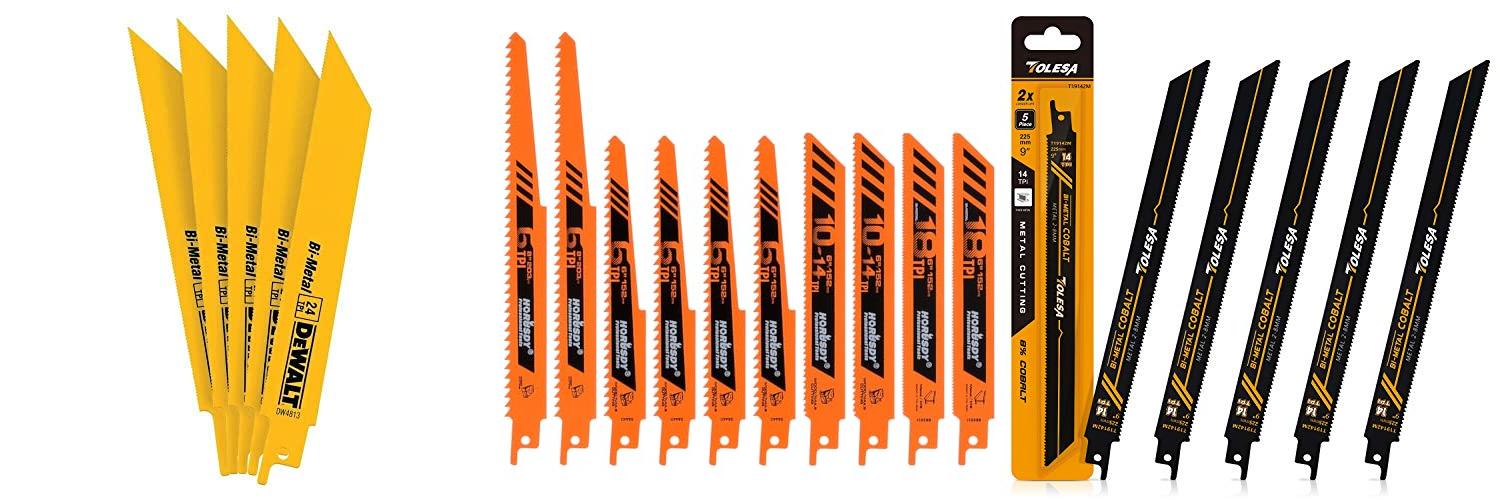
Our Top 5 Reciprocating Saw Blade For Metal Recommendations at a Glance
Top 5 Reciprocating Saw Blade For Metal Detailed Reviews
1. DEWALT Reciprocating Saw Blades

Rating: 9.0/10
Tackle tough cutting jobs with the DEWALT Reciprocating Saw Blades, Straight Back, Bi-Metal, 6-Inch 24 TPI, 5-Pack (DW4813). These blades are built to last and provide excellent performance for various cutting tasks.
What We Like:
- These blades use a bi-metal construction. This makes them flexible and gives them a cutting edge that lasts a long time.
- The teeth are hardened. This means they are super strong and can handle tough materials.
- The body of the blade is flexible. This stops it from breaking when you’re working.
- They are made in the U.S.A. with global materials, so you get good quality.
- You get five blades in a pack. This is a good value for the price.
What Could Be Improved:
- While great for many uses, these blades might not be the best choice for very fine detail work.
- The 24 TPI (teeth per inch) is good for general cutting, but you might need a different TPI for specific materials.
Overall, these DEWALT reciprocating saw blades are a reliable choice for most DIYers and professionals. They offer durability and flexibility for a wide range of cutting projects.
2. HORUSDY 10-Piece Reciprocating Saw Blades Set

Rating: 9.0/10
Tackle your DIY projects with confidence using the HORUSDY 10-Piece Reciprocating Saw Blades Set. This versatile set offers a great mix of blades for all sorts of cutting tasks, making it a handy addition to any toolbox. Whether you’re working with wood, metal, plastic, or even drywall, these blades are designed to get the job done efficiently.
What We Like:
- This set gives you 10 different blades for many common jobs.
- You can cut through metal, plastic, wood, and drywall with these blades.
- The high-quality carbon steel is great for cutting wood fast and trimming branches.
- These blades fit all the big reciprocating saw brands, like Porter-Cable.
- You get 10 blades that cover most of the cutting jobs you’ll need to do.
What Could Be Improved:
- The product description could be clearer about the exact types of blades included in the set.
- More detailed information on the specific tooth counts or blade lengths for each type would be helpful for choosing the right blade.
This HORUSDY blade set offers good value and versatility for most home improvement and repair needs. It’s a solid choice for anyone looking to expand their cutting capabilities.
3. TOLESA Heavy Metal Cutting Reciprocating Saw Blades 9 Inch 14TPI for Pipe

Rating: 9.0/10
Tackle tough metal jobs with the TOLESA Heavy Metal Cutting Reciprocating Saw Blades. This 5-pack of 9-inch, 14TPI bi-metal blades is designed for serious cutting. They slice through pipes, rebar, and other metal materials with ease, making your demolition projects faster and smoother. The special design helps reduce heat and ensures a longer-lasting blade.
What We Like:
- These blades cut through metal pipes and sheet metal really well.
- The special thin wall and set teeth design helps them cut faster and cooler.
- With 14 teeth per inch, they cut quickly and last a long time.
- Made with extra cobalt, these blades are strong and resist wear better, so they don’t break easily.
- The 1/2 inch shank fits almost all reciprocating saws you might have.
What Could Be Improved:
- The blades are designed for medium to thick metals; they might not be the best for very thin or very thick materials.
- While they are durable, extremely long or demanding jobs might still require blade changes.
For demanding metal cutting tasks, these TOLESA blades offer excellent performance and durability. They are a reliable choice for professionals and serious DIYers.
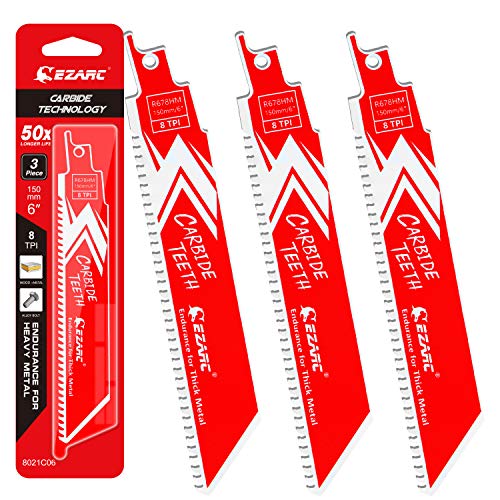
4. EZARC Carbide Reciprocating Saw Blade R678HM Endurance for Thick Metal
Rating: 9.4/10
Tackle the toughest metal cutting jobs with the EZARC Carbide Reciprocating Saw Blade R678HM Endurance. This 3-pack of 6-inch blades is built to last, offering incredible durability for demanding projects. If you’re cutting through thick metal, cast iron, or alloy steel, these blades are designed to perform when others quit. They bring a new level of power and longevity to your reciprocating saw.
What We Like:
- Carbide technology gives these blades up to 50 times more life than regular bi-metal blades.
- They cut through tough metals like high-alloy steels, stainless steels, and even rebar with ease.
- The 8 teeth per inch design is perfect for heavy-duty metal applications.
- Each carbide tooth is strong and individually welded for ultimate impact resistance.
- The universal 1/2-inch shank fits most major reciprocating saw brands.
- These blades cut through materials that would quickly dull other blades.
What Could Be Improved:
- These blades are specifically for thick metal, so they might be overkill for lighter materials.
- The price point might be higher upfront compared to standard blades, but the longevity offsets this.
For anyone facing challenging metal cutting tasks, the EZARC Carbide Reciprocating Saw Blade R678HM Endurance is a game-changer. Invest in these blades and experience a significant boost in cutting performance and blade life.
5. EFFEKTWERK – Reciprocating Saw Blades for Metal – 5 Pieces – Bi-Metal Steel Sabre Sawblades – 18 TPI (Teeth per Inch)

Rating: 8.7/10
Cut through metal like butter with the EFFEKTWERK Reciprocating Saw Blades. This 5-piece set features bi-metal steel blades with 18 teeth per inch (TPI). They are designed to make your metal cutting jobs quick, easy, and precise.
What We Like:
- Effortless cutting: The 18 TPI sharp blades and angled teeth reduce friction and heat for smooth cutting.
- Accurate results: These blades deliver clean and precise cuts every time, perfect for metalwork.
- Versatile use: They work well for cutting metal sheets, shaping pipes, and in fabrication, construction, and auto repairs.
- Strong and lasting: The bi-metal steel construction makes them tough and resistant to wear.
- Great value: You get 5 durable blades that fit all standard saw tools.
What Could Be Improved:
- The product description doesn’t mention specific metal thickness limitations.
- Information on blade lifespan under heavy use is not provided.
These EFFEKTWERK blades make metal cutting much simpler. They are a reliable choice for anyone needing to tackle metal projects.
Choosing the Right Reciprocating Saw Blade for Metal
When you need to cut through tough metal, a reciprocating saw is your go-to tool. But the saw is only as good as the blade you attach to it. Picking the right metal-cutting reciprocating saw blade makes a huge difference. It ensures clean cuts, saves you time, and keeps you safe. This guide will help you find the perfect blade for your metal-cutting needs.
Key Features to Look For
Several features make a metal-cutting blade effective. Pay attention to these:
1. Tooth Count (TPI)
TPI stands for “Teeth Per Inch.” More teeth per inch mean finer cuts. For thin metal, like sheet metal or pipes, a higher TPI (around 18-24 TPI) is best. This creates smoother edges. For thicker metal, like rebar or angle iron, a lower TPI (around 10-14 TPI) works well. These teeth are bigger and bite into the metal faster.
2. Blade Length and Width
Blade length determines how deep you can cut. Longer blades let you cut through thicker materials. Blade width affects stability. Wider blades are more rigid and less likely to bend during tough cuts. Most common reciprocating saw blades are 6 or 9 inches long.
3. Shank Type
The shank is the part of the blade that goes into the saw. Most reciprocating saws use a universal “U” shank. Make sure the blade you buy matches your saw’s shank type. This is usually a standard feature, but it’s good to check.
Important Materials
The material of the blade is crucial for cutting metal. Different metals require different blade materials.
1. High-Speed Steel (HSS)
HSS blades are common and affordable. They are good for cutting softer metals like aluminum and thin steel. HSS blades can get hot, so they are best for shorter cutting jobs.
2. Bi-Metal
Bi-metal blades combine two types of metal. They have a flexible steel body and hard HSS teeth. This makes them more durable and longer-lasting than plain HSS blades. Bi-metal blades are excellent for cutting a wider range of metals, including thicker steel, iron, and even some stainless steel.
3. Carbide Grit or Tungsten Carbide
These blades have very hard teeth, often coated with carbide. They are the toughest option. Carbide grit blades are best for cutting very hard materials like cast iron, tile, or concrete. They don’t have traditional teeth; instead, they have a gritty edge. Tungsten carbide teeth offer extreme durability for cutting abrasive and very hard metals.
Factors That Improve or Reduce Quality
The quality of a reciprocating saw blade affects its performance and lifespan.
1. Tooth Design and Set
Tooth design matters. Some blades have pointed teeth, while others have more rounded or wavy teeth. Wavy set teeth are often better for thin metal because they reduce vibration and prevent snagging. Aggressive, pointed teeth are good for faster cuts in thicker materials.
2. Blade Thickness and Rigidity
Thicker blades are more rigid. This means they bend less when you apply pressure. A rigid blade leads to straighter cuts and prevents the blade from breaking prematurely. Cheaper blades are often thinner and more prone to bending.
3. Heat Treatment
Proper heat treatment makes the teeth harder and more resistant to wear. High-quality blades undergo advanced heat treatment processes to ensure their durability and cutting ability, especially when cutting tough metals that generate a lot of heat.
User Experience and Use Cases
How you use the blade and what you’re cutting greatly influence your experience.
1. General Metal Cutting
For common tasks like cutting old pipes, rebar for construction, or metal framing, a bi-metal blade with 14-18 TPI is a solid choice. It offers a good balance of speed and durability.
2. Demolition Work
During demolition, you’ll encounter various metals. A robust bi-metal blade or even a carbide-tipped blade can handle the abuse. You might sacrifice some precision for speed and strength.
5. Precision Cutting
If you need clean, smooth cuts for detailed metalwork, opt for a higher TPI bi-metal blade. This will give you better control and a cleaner finish, requiring less post-cut cleanup.
6. Cutting Thick or Hardened Steel
For very tough metals, a carbide grit or a specialized carbide-tipped bi-metal blade is necessary. These blades are designed to withstand the extreme friction and hardness of such materials.
Frequently Asked Questions (FAQ)
Q: What is the best TPI for cutting metal?
A: For thin metal, use a higher TPI (18-24). For thicker metal, use a lower TPI (10-14).
Q: Are bi-metal blades better than HSS blades for metal?
A: Yes, bi-metal blades are generally better because they are more durable and can cut a wider range of metals.
Q: Can I use a wood-cutting blade to cut metal?
A: No, you should never use a wood-cutting blade for metal. It will damage the blade and is very dangerous.
Q: How do I keep my metal-cutting blade from overheating?
A: Avoid forcing the blade. Let the blade do the work. You can also use a cutting fluid or lubricant to help cool the blade.
Q: How long should a reciprocating saw blade for metal last?
A: The lifespan depends on the material you cut, how much you cut, and the quality of the blade. A good bi-metal blade can last for many cuts.
Q: What is the difference between carbide grit and carbide-tipped blades?
A: Carbide grit blades have a gritty edge. Carbide-tipped blades have teeth made of carbide. Both are very hard and good for tough materials.
Q: Can I cut stainless steel with a standard metal blade?
A: Stainless steel is tough. You’ll need a good quality bi-metal blade with a higher TPI, or a specialized carbide-tipped blade for best results.
Q: How do I store my metal-cutting blades?
A: Store them in a dry place, preferably in their original packaging or a blade organizer, to prevent rust and damage.
Q: What safety precautions should I take when cutting metal?
A: Always wear safety glasses, gloves, and hearing protection. Ensure the material is securely clamped. Keep bystanders at a safe distance.
Q: When should I replace my metal-cutting blade?
A: Replace the blade when it becomes dull, starts to bend easily, or produces rough, slow cuts. A dull blade is also a safety hazard.
In conclusion, every product has unique features and benefits. We hope this review helps you decide if it meets your needs. An informed choice ensures the best experience.
If you have any questions or feedback, please share them in the comments. Your input helps everyone. Thank you for reading.