
Can you drill holes in tile? Yes, you can drill holes in tile, and doing it safely and effectively is entirely achievable with the right tools and techniques. Whether you’re mounting a shelf, installing a towel bar, or need to pass a pipe through a tiled surface, knowing how to drill into tile is a valuable DIY skill. This guide will equip you with the knowledge and pro tips needed to create tile holes without cracks or chips, covering everything from selecting the best drill bits for tile to mastering the drilling process itself.
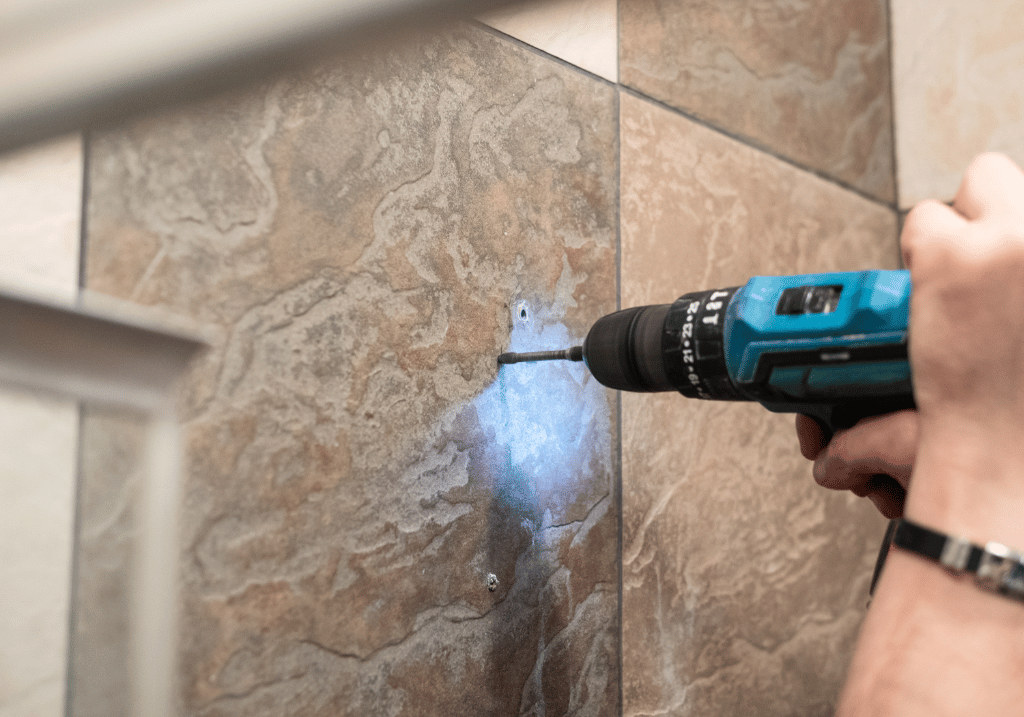
Image Source: ceramiccity.ie
Preparing for Tile Drilling
Before you even think about picking up a drill, proper preparation is key. This stage is crucial for a smooth and successful outcome, preventing costly mistakes and ensuring your safety.
Gather Your Essential Tools and Materials
Having the right equipment at hand makes the entire process much easier. Here’s a breakdown of what you’ll need:
- Drill: A variable-speed drill is ideal. Cordless drills offer convenience, but a corded one might provide more consistent power for tougher jobs.
- Safety Glasses: Absolutely non-negotiable. Tile dust can be harmful to your eyes.
- Gloves: Protect your hands from sharp edges and dust.
- Mask: A dust mask will protect your lungs from fine tile particles.
- Measuring Tape and Pencil/Marker: For precise placement of your hole.
- Masking Tape or Painter’s Tape: This helps prevent the drill bit from wandering on the tile surface.
- Water Source (for wet drilling): A spray bottle filled with water or a steady drip from a hose.
- Shop Vacuum: To clean up dust as you go.
Choosing the Right Drill Bits for Tile
The type of drill bit you use is paramount to drilling tile successfully. Using the wrong bit can lead to shattered tile, dulled bits, and frustration. For drilling into tile, you’ll primarily be looking at specialized bits.
Diamond Drill Bits: The Gold Standard
Diamond drill bits are the undisputed champions for drilling through hard materials like ceramic and porcelain tile. Their tips are coated with industrial diamonds, which grind rather than cut the material.
- How they work: Diamonds are the hardest known substance. As the bit rotates, the diamonds wear away tiny particles of the tile, creating the hole.
- Types:
- Spear-point or Arrowhead bits: These are generally for smaller holes and are excellent for ceramic tile.
- Hole Saws (Diamond Coated): These circular bits create larger holes and are essential for passing pipes or conduits through tile. They are available in various diameters.
- When to use them: For ceramic tile, porcelain tile, glass, marble, and granite.
Carbide-Tipped Masonry Bits: For Less Demanding Tasks
While not as robust as diamond bits for very hard tiles, carbide-tipped masonry bits can work for softer ceramic tiles and for drilling into the grout between tiles.
- How they work: They have a hardened carbide tip that chips away at the material.
- When to use them: Best for softer ceramic tiles or when drilling through grout. They will dull quickly and struggle with porcelain.
Other Drill Bits to Avoid
- Standard Wood or Metal Bits: These will not penetrate tile and will likely break or become severely damaged.
Table 1: Drill Bit Comparison for Tile
| Drill Bit Type | Best For | Pros | Cons |
|---|---|---|---|
| Diamond Drill Bits | Ceramic, Porcelain, Stone, Glass, Granite | Excellent for hard tiles, clean holes, durable | Can be more expensive, require cooling |
| Carbide-Tipped Bits | Softer Ceramic Tiles, Grout | Affordable, readily available | Struggle with hard tiles, dull quickly |
| Standard Bits | Wood, Metal | – | Will not work on tile, likely to break/ruin |
Understanding Tile Types and Their Impact
The type of tile you’re drilling into significantly affects the drilling process.
Ceramic Tile Hole
Ceramic tile is generally softer and easier to drill than porcelain. However, it can still chip and crack if not handled carefully.
- Drilling ceramic tile: Diamond drill bits or carbide-tipped bits (for smaller holes) can be used. Take your time and use steady pressure.
Porcelain Tile Drilling
Porcelain tile is much denser and harder than ceramic tile due to its composition and firing process. This means drilling into porcelain requires more patience and the right tools.
- Drilling porcelain tile: Diamond drill bits or diamond-coated hole saws are essential. Avoid using carbide bits, as they will likely fail. Wet drilling tile is highly recommended for porcelain to keep the bit cool and reduce dust.
Choosing the Right Drill
The type of drill you use matters. A variable-speed drill is crucial for controlling the drilling speed, which is essential for preventing the bit from overheating and the tile from cracking.
- Cordless vs. Corded: Cordless drills offer portability, but ensure it has enough power for your tile type. Corded drills provide consistent power, which can be beneficial for larger jobs or denser tiles.
- Impact Function: Do not use the hammer drill or impact function on your drill when drilling into tile. This is designed for masonry and will shatter your tile.
The Step-by-Step Guide to Drilling Tile
Now that you have your tools and understand the materials, let’s get to the actual drilling. This section covers creating tile holes safely and effectively.
1. Marking the Drilling Location
Accuracy is key. A misplaced hole can be very difficult to fix.
- Measure twice, drill once: Use your measuring tape to mark the exact spot for the hole.
- Use a pencil or marker: Make a clear mark on the tile.
- Apply masking tape: Place a strip of masking tape or painter’s tape over the marked spot. This provides a stable surface for the drill bit to start and helps prevent it from skidding across the tile. You can then mark the center of your hole directly on the tape.
2. Setting Up for Success
Safety and stability are paramount in this stage.
- Secure the Tile (if possible): If you’re drilling a loose tile, place it on a stable surface like a workbench. If the tile is already installed (e.g., drilling into a backsplash), ensure the wall behind it is solid.
- Cooling the Bit: This is one of the most critical tile drilling tips. Overheating will quickly destroy your drill bit and increase the risk of tile cracking.
- Water is your friend: For most tile drilling, especially porcelain, wet drilling tile is essential. You can achieve this in a few ways:
- Spray bottle: Periodically spray water onto the drilling area as you work.
- Water dam: Create a small dam around the drilling spot using plumber’s putty or clay to contain water.
- Continuous drip: For larger jobs or very hard tiles, a slow, steady drip of water directly onto the drilling site can be very effective.
- Cooling paste: Some specialized drilling pastes are available, but water is usually sufficient.
- Water is your friend: For most tile drilling, especially porcelain, wet drilling tile is essential. You can achieve this in a few ways:
3. The Drilling Process: Step-by-Step
Patience and control are your best allies here.
Starting the Hole
- Low Speed: Begin drilling at a very low speed. This allows the drill bit to grip the tile and start a clean hole without skipping.
- Gentle Pressure: Apply light, steady downward pressure. Let the drill and the bit do the work. Forcing the drill will cause it to bind, overheat, or crack the tile.
Drilling Through the Tile
- Maintain Speed and Pressure: As the hole begins to form, you can gradually increase the drill speed slightly, but always maintain gentle, consistent pressure.
- Clear Debris: Periodically lift the drill bit out of the hole to clear away dust and debris. This also allows the water to cool the bit.
- Listen to the Drill: If the drill starts to strain or the noise changes significantly, you’re likely applying too much pressure or the bit is overheating. Stop, cool, and resume.
Drilling into the Substrate
Once you’ve broken through the tile, you’ll be drilling into the material behind it (e.g., drywall, cement board, or wood).
- Change Drill Bits (if necessary): If you were using a specialized tile bit and the substrate is soft (like drywall), you might need to switch to a standard masonry or even a wood bit for faster progress.
- Adjust Pressure: You can usually apply a bit more pressure now, but still avoid excessive force.
- Anchor Selection: Consider what you’ll be mounting. If it’s a heavy item, you’ll need appropriate wall anchors designed for your substrate.
4. Finishing Up and Cleaning
The final steps are about tidiness and proper installation.
- Clean the Hole: Once the hole is drilled to the desired depth, use your vacuum to clean up any remaining dust.
- Insert Anchor/Fastener: Insert your wall anchor or screw.
- Install Fixture: Mount your item securely.
Specific Techniques for Different Applications
Let’s explore some common scenarios for creating tile holes.
Drilling into Backsplash
Drilling into backsplash tiles is a common DIY task, often for mounting spice racks, utensil holders, or small shelves.
- Considerations: Backsplashes are usually mounted on drywall, so the substrate is soft. The main challenge is cleanly drilling through the tile without damaging it or the wall behind.
- Tips:
- Use masking tape to prevent bit slippage.
- Start slow with a diamond bit.
- Use a water spray bottle to keep the bit cool and reduce dust.
- Once through the tile, switch to a drywall bit if needed for faster drilling.
- Use plastic anchors rated for drywall for most backsplash items.
Using a Tile Hole Saw
A tile hole saw is a circular cutting tool used to create larger, clean holes in tiles. They are often diamond-coated for hard materials.
- How to Use:
- Mark and Tape: Mark the center of your hole on the tile and cover with masking tape.
- Pilot Hole: For larger hole saws, there’s often a pilot drill bit in the center. Use this to create a small starting hole.
- Start Slow: Begin at a very low speed.
- Apply Gentle Pressure: Let the saw do the cutting.
- Cooling is Crucial: Use plenty of water to keep the saw and tile cool. You might need to lift the saw periodically to let water in.
- Support the Tile: Ensure the tile is well-supported to prevent it from breaking as the hole saw completes the cut.
- Clear Debris: Use a shop vacuum to remove dust as you drill.
Wet Drilling Tile: The Ultimate Cooling Method
Wet drilling tile is the best practice for almost any tile drilling project, especially for harder materials like porcelain or when drilling multiple holes.
- Benefits:
- Cools the Bit: Prevents overheating, extending bit life and preventing tile cracking.
- Reduces Dust: Significantly minimizes airborne silica dust, which is a health hazard.
- Lubricates: Helps the bit cut more smoothly.
- Methods: As discussed earlier, using a spray bottle, creating a water dam, or a continuous drip are all effective ways to implement wet drilling.
DIY Tile Drilling: Common Pitfalls to Avoid
Many DIYers encounter problems when drilling tile. Here are some common mistakes and how to steer clear of them.
- Wrong Drill Bit: Using a standard bit is the most common error. Always use a diamond or carbide-tipped bit.
- No Cooling: Letting the drill bit overheat is a fast track to a broken bit and cracked tile.
- Too Much Pressure: Forcing the drill is counterproductive and dangerous.
- No Pilot Mark/Tape: The drill bit can easily wander on the smooth tile surface.
- Using Hammer Drill Function: This will obliterate your tile.
- Drilling Too Fast: High speeds generate heat and can chip the edges.
Maintaining Your Drill Bits and Tools
Proper care ensures your tools last and perform at their best.
- Cooling During Use: Always ensure your bits are kept cool with water, especially diamond bits.
- Cleaning: After each use, rinse diamond bits with water to remove dust and debris. This prevents buildup that can affect their performance.
- Storage: Store bits in a dry place. If they have plastic cases, use them to prevent damage.
- Sharpening (Limited): While you can’t truly “sharpen” a diamond bit in the traditional sense, keeping them clean and cooled during use is the best way to maintain their effectiveness. For carbide bits, if they become dull, they are generally best replaced.
Frequently Asked Questions (FAQ)
Q1: What is the best drill bit for drilling through porcelain tile?
A1: The best drill bit for porcelain tile is a diamond-tipped drill bit or a diamond-coated hole saw. These are specifically designed to grind through extremely hard materials.
Q2: Can I drill into tile with a regular drill bit?
A2: No, you cannot drill into tile with regular wood or metal drill bits. They are not hard enough and will break or become severely damaged without making any progress.
Q3: How do I prevent tile from cracking when drilling?
A3: To prevent tile from cracking, use the correct drill bit (diamond), start at a low speed, apply steady but light pressure, keep the bit and tile cool with water (wet drilling), and use masking tape to prevent the bit from slipping.
Q4: What speed should I drill tile at?
A4: You should always start drilling tile at a very slow speed and gradually increase it as needed, but never to a high speed. Excessive speed generates heat and can damage the tile and the bit.
Q5: Do I need a special drill for drilling tile?
A5: You do not need a special drill, but a variable-speed drill is highly recommended. Avoid using the hammer drill or impact setting on any drill; this is not suitable for tile.
Q6: How do I drill a clean hole in a ceramic tile?
A6: For a clean hole in ceramic tile, mark your spot, apply masking tape, use a diamond or carbide-tipped bit, start at a slow speed with light pressure, keep the bit cool with water, and periodically lift the bit to clear debris.
By following these detailed instructions and pro tips, you can confidently tackle any project requiring you to drill holes in tile. Remember that patience, the right tools, and a focus on cooling are the keys to success.