
Imagine your dream kitchen. What do you see? For many, beautiful, sturdy cabinets are at the heart of that vision. But when it comes to bringing those cabinets to life, the wood you choose makes a huge difference. Picking the right wood can feel like a puzzle with too many pieces. You want cabinets that look amazing, last for years, and fit your budget. It’s easy to get lost in all the different wood types, wondering which one is best for your home.
Choosing the wrong wood can lead to cabinets that scratch easily, warp over time, or simply don’t have the look you want. This can be a frustrating and expensive problem to fix later. But don’t worry! This post is here to help you navigate the world of cabinet woods. We’ll break down the most popular choices, explaining their strengths and weaknesses in a way that’s easy to understand.
By the end of this guide, you’ll have a clear picture of which woods are perfect for building the cabinets you’ve always wanted. You’ll learn about durability, appearance, and even how different woods can affect the cost. So, let’s dive in and discover the best wood for your cabinet project!
Our Top 5 Wood To Make Cabinets Recommendations at a Glance
Top 5 Wood To Make Cabinets Detailed Reviews
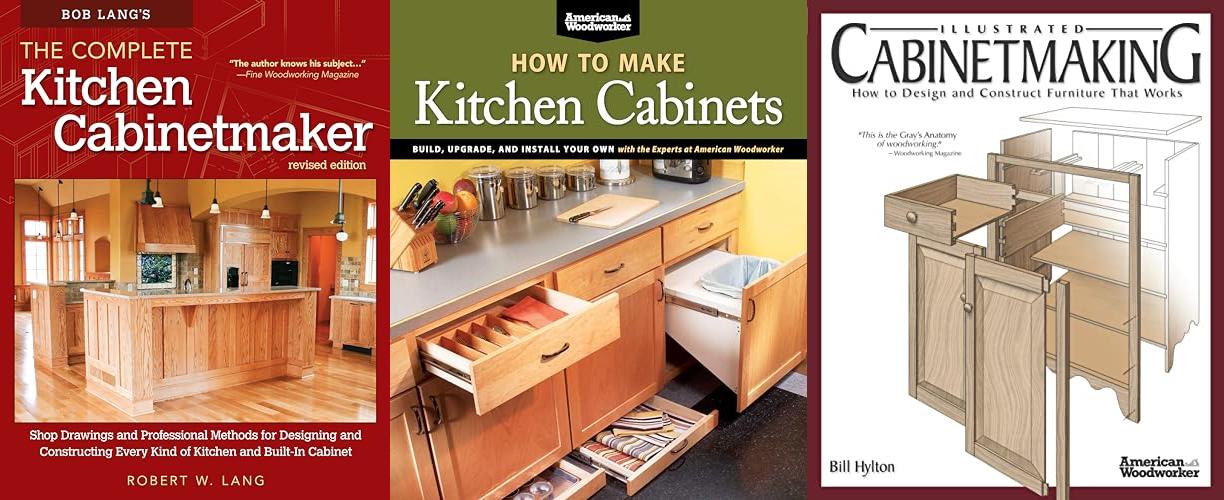
1. Bob Lang’s The Complete Kitchen Cabinetmaker

Rating: 9.4/10
Bob Lang’s “The Complete Kitchen Cabinetmaker, Revised Edition” is a treasure trove for anyone dreaming of building their own beautiful and functional kitchen cabinets. This book offers clear shop drawings and professional methods to help you design and construct all kinds of kitchen and built-in cabinets. Whether you are a beginner or an experienced woodworker, this guide provides the knowledge you need to create custom cabinetry that fits your space perfectly.
What We Like:
- The book provides detailed shop drawings.
- It teaches professional methods for cabinetmaking.
- You can learn to design and build many types of cabinets.
- The revised edition includes updated information.
- It is a great resource for both new and experienced woodworkers.
What Could Be Improved:
- Some advanced techniques might require prior woodworking experience.
- The sheer amount of information can feel a bit overwhelming at first.
This comprehensive guide empowers you to tackle any kitchen cabinet project. It’s an essential addition to any woodworker’s library.
2. How To Make Kitchen Cabinets: Build

Rating: 9.2/10
Dreaming of a kitchen that perfectly fits your style and needs? “How To Make Kitchen Cabinets: Build, Upgrade, and Install Your Own with the Experts at American Woodworker” from Fox Chapel Publishing is your step-by-step guide. This book empowers you to create custom kitchen cabinets, whether you’re starting from scratch, refreshing an old look, or tackling a full installation. You’ll learn from experienced woodworkers, making a complex project feel achievable.
What We Like:
- Clear, easy-to-follow instructions make building cabinets less intimidating.
- It covers building new cabinets, upgrading existing ones, and installing them correctly.
- You’ll find helpful tips and techniques from seasoned professionals.
- The book provides inspiration and practical advice for various skill levels.
What Could Be Improved:
- More detailed visual aids for complex joinery techniques could be beneficial.
- A section on troubleshooting common installation problems would be a great addition.
This guide is an excellent resource for anyone looking to take on their kitchen cabinet project. You’ll gain the confidence and knowledge to transform your kitchen space.
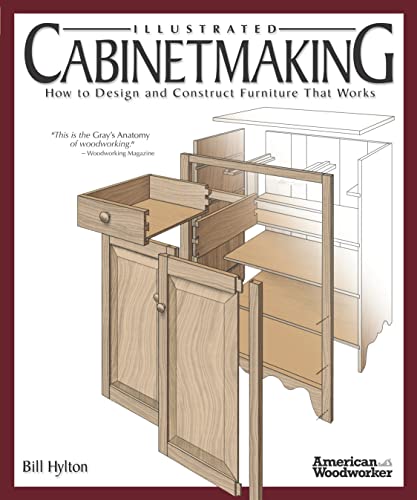
3. Illustrated Cabinetmaking: How to Design and Construct Furniture That Works (Fox Chapel Publishing) Over 1300 Drawings & Diagrams for Drawers
Rating: 9.0/10
The book “Illustrated Cabinetmaking: How to Design and Construct Furniture That Works” by Fox Chapel Publishing is a fantastic resource for anyone wanting to build their own furniture. It’s packed with over 1300 drawings and diagrams. These visuals show you how to make all sorts of furniture, from tables and beds to bookcases and cabinets. You’ll also learn about different kinds of joints and how to put pieces together.
-
What We Like:
- The sheer number of drawings and diagrams is amazing. They make complex ideas easy to understand.
- It covers a wide range of furniture types, giving you plenty of project ideas.
- The book explains how to create different types of joints, which are key to strong furniture.
- It’s great for both beginners and more experienced woodworkers.
-
What Could Be Improved:
- Sometimes, a bit more text explanation alongside the diagrams would be helpful for very tricky steps.
- While it covers a lot, it doesn’t go into advanced finishing techniques in great detail.
This book is an invaluable guide for anyone who dreams of building beautiful and functional furniture. It empowers you with the knowledge to bring your furniture designs to life.
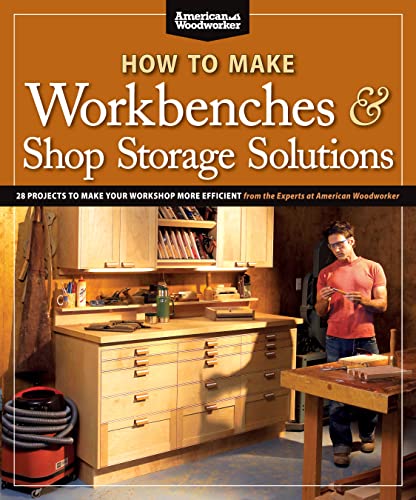
4. How to Make Workbenches & Shop Storage Solutions: 28 Projects to Make Your Workshop More Efficient from the Experts at American Woodworker (Fox Chapel Publishing) Torsion Boxes
Rating: 9.0/10
This book, “How to Make Workbenches & Shop Storage Solutions: 28 Projects to Make Your Workshop More Efficient from the Experts at American Woodworker,” is a fantastic resource for anyone looking to improve their workspace. It’s packed with 28 different projects designed to make your workshop run smoother. You’ll learn how to build things like sturdy torsion boxes and helpful outfeed tables. This is a used book in good condition, so you can get these great ideas at a good price.
What We Like:
- Offers 28 practical projects to boost workshop efficiency.
- Features expert advice from American Woodworker.
- Covers a variety of useful builds like torsion boxes and outfeed tables.
- Great value as a used book in good condition.
- Clear instructions make projects accessible for many skill levels.
What Could Be Improved:
- As a used book, the cover might show some signs of wear.
- The projects are geared towards woodworking, so it’s best for those with some tools.
This book is an excellent way to get expert guidance and build better storage for your tools. You’ll create a more organized and productive workshop with these proven designs.
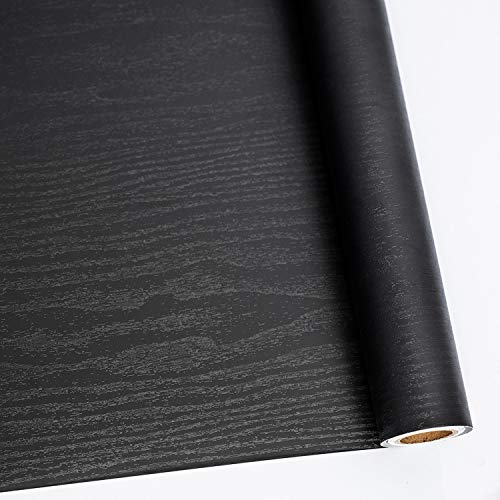
5. Abyssaly Black Wood Peel and Stick Wallpaper Decorative Self-Adhesive Contact Paper Film for Furniture Real Wood Contact Paper for Cabinets and Drawers Easy to Clean17.71″ X 78.7″
Rating: 8.6/10
Transform your furniture with the Abyssaly Black Wood Peel and Stick Wallpaper. This decorative contact paper gives furniture a stylish, real wood look. It’s easy to use and perfect for giving old items a brand new feel.
What We Like:
- The 17.71″ x 78.7″ roll provides plenty of paper for your projects.
- A grid on the back makes measuring and cutting super simple.
- This wallpaper works on many surfaces like cabinets, drawers, tables, and bookcases.
- It’s self-adhesive, so you just peel and stick for a quick update.
- You can create completely new-looking furniture pieces with your imagination.
- The Abyssaly Promise offers great customer support if you have any issues.
- It’s easy to clean, making it practical for everyday use.
What Could Be Improved:
- While it offers a wood look, it’s not actual wood, which might be a drawback for some.
- The application is best on smooth surfaces; textured ones might be trickier.
This Abyssaly Black Wood contact paper is a fantastic way to refresh your home decor without a big expense. It’s a fun and easy project for anyone looking to add a touch of sophistication to their furniture.
Choosing the Right Wood for Your Cabinets: A Buyer’s Guide
Building beautiful and durable cabinets starts with choosing the right wood. This guide will help you understand what to look for, the best materials, and what makes cabinet wood great.
Key Features to Look For in Cabinet Wood
When you’re shopping for wood to make cabinets, keep these important features in mind.
- Durability: You want wood that can handle daily use. It should resist scratches, dents, and wear. Strong wood lasts a long time.
- Appearance: The look of the wood is crucial for your kitchen or furniture. Consider the grain pattern and natural color. Some woods have beautiful, unique designs.
- Stability: Wood can expand and contract with changes in humidity. You need wood that stays stable and doesn’t warp or crack easily. This keeps your cabinets looking good.
- Workability: How easy is the wood to cut, shape, and finish? Some woods are softer and easier to work with, which is great if you’re a beginner. Harder woods might need more effort but offer more strength.
- Cost: Wood prices vary a lot. Decide on your budget before you start looking. Some woods are more expensive but offer better quality.
Important Materials: Your Cabinet Wood Options
There are many types of wood you can use for cabinets. Here are some of the most popular and why people choose them.
Hardwoods
Hardwoods come from deciduous trees, which lose their leaves each year. They are generally stronger and more durable.
- Oak: This is a very popular choice. It’s strong, durable, and has a beautiful, prominent grain. Oak is also relatively affordable for a hardwood. It takes stains well, allowing you to change its color.
- Maple: Maple wood is known for its smooth, fine grain and light color. It’s very hard and resistant to dents. Maple is excellent for painted cabinets because its smooth surface takes paint evenly. It can also be stained for a natural look.
- Cherry: Cherry wood has a rich, reddish-brown color that deepens over time. It has a fine, straight grain. Cherry is beautiful and ages gracefully, becoming more attractive with age. It’s a bit more expensive than oak or maple.
- Walnut: Walnut is a premium hardwood. It has a deep, dark brown color and a beautiful, often wavy grain. Walnut is strong and luxurious, but it comes with a higher price tag.
Softwoods
Softwoods come from coniferous trees, which have needles and cones. They are generally less dense and easier to work with but can be less durable.
- Pine: Pine is a budget-friendly option. It’s lightweight and easy to cut and stain. However, pine is softer and can dent or scratch more easily. It’s a good choice for rustic or country-style cabinets where a few imperfections add character.
Plywood and MDF (Medium-Density Fiberboard)
These are engineered wood products. They are often used for cabinet boxes and shelves because they are stable and affordable.
- Plywood: Plywood is made by gluing thin layers of wood together. It’s strong and resists warping. You can find plywood with a veneer of a more attractive hardwood on the front, making it a good compromise.
- MDF: MDF is made from wood fibers mixed with resin and pressed into panels. It’s very smooth and stable, making it ideal for painted cabinets. However, it doesn’t hold screws as well as solid wood and can be damaged by moisture.
Factors That Improve or Reduce Quality
The quality of your cabinet wood depends on a few things.
Quality Boosters
- Kiln-Drying: Wood that is properly dried in a kiln is more stable. This process removes moisture and prevents warping.
- Grade of Wood: Wood is graded based on its appearance and the number of knots or defects. Higher grades have fewer imperfections and look better.
- Proper Construction: Even the best wood can look bad if the cabinets are not built well. Tight joints and smooth finishes improve the overall quality.
Quality Reducers
- Moisture Damage: Wood exposed to too much water can swell, warp, and even rot.
- Knots and Cracks: Large knots or cracks can weaken the wood and make it look less appealing.
- Poor Finishing: A bad paint or stain job can hide the beauty of the wood and make it look cheap.
User Experience and Use Cases
The type of wood you choose will affect how your cabinets look and feel.
- Kitchen Cabinets: For kitchens, durability is key. Oak, maple, and high-quality plywood are excellent choices. They withstand spills, heat, and daily wear.
- Bathroom Cabinets: Moisture is a concern in bathrooms. Woods that resist moisture well, like maple or oak, are good. Plywood is also a solid option for cabinet boxes.
- Furniture Cabinets: For display cabinets or bookshelves, appearance might be more important. Cherry or walnut can add a touch of elegance. Pine can create a cozy, rustic feel.
- DIY Projects: If you’re building cabinets yourself, consider workability. Pine and MDF are easier for beginners to handle. Plywood is also manageable for most DIYers.
Choosing the right wood makes a big difference. Think about your needs, your budget, and the look you want to achieve.
Frequently Asked Questions about Wood for Cabinets
Q: What is the best type of wood for kitchen cabinets?
A: For kitchen cabinets, hardwoods like oak and maple are excellent choices. They are very durable and can withstand daily use. High-quality plywood is also a great option for cabinet boxes because it is strong and stable.
Q: Is pine wood good for cabinets?
A: Pine wood is a softer wood. It is less durable than hardwoods and can get dents or scratches more easily. It is a good choice for cabinets where a rustic or country look is desired, and it is also more affordable.
Q: What is the difference between hardwood and softwood for cabinets?
A: Hardwoods come from trees that lose their leaves, like oak and maple. They are generally denser, stronger, and more durable. Softwoods come from trees with needles, like pine. They are usually lighter, softer, and easier to work with, but less durable.
Q: Should I use solid wood or plywood for cabinet boxes?
A: Plywood is often preferred for cabinet boxes. It is more stable than solid wood and less likely to warp. It is also usually more affordable. Solid wood might be used for cabinet doors or frames.
Q: Which wood is best for painted cabinets?
A: Maple and MDF are excellent choices for painted cabinets. Maple has a very smooth, fine grain that takes paint evenly. MDF is also very smooth and provides a great surface for paint, but it needs to be protected from moisture.
Q: How does the grain pattern affect cabinet wood choice?
A: The grain pattern is about how the wood looks. Oak has a strong, visible grain. Maple has a fine, subtle grain. Walnut can have beautiful wavy patterns. Your choice depends on the style you want for your cabinets.
Q: What does “kiln-dried” mean for wood?
A: Kiln-dried means the wood has been dried in a special oven, called a kiln. This process removes most of the moisture from the wood. Kiln-dried wood is more stable and less likely to warp or crack over time.
Q: Is it better to buy unfinished or pre-finished wood for cabinets?
A: Unfinished wood gives you more control over the final look. You can choose your own stain or paint. Pre-finished wood saves you time but offers less customization. For a custom look, unfinished is often better.
Q: How much does cabinet wood typically cost?
A: The cost varies a lot. Pine is one of the cheapest options. Oak and maple are mid-range. Cherry and walnut are more expensive hardwoods. Plywood and MDF are generally more affordable than solid hardwoods.
Q: What are some signs of poor-quality cabinet wood?
A: Signs of poor quality include large knots, cracks, warping, and a rough or uneven surface. If the wood feels too light for its size, it might also be of lower quality or not properly dried.
In conclusion, every product has unique features and benefits. We hope this review helps you decide if it meets your needs. An informed choice ensures the best experience.
If you have any questions or feedback, please share them in the comments. Your input helps everyone. Thank you for reading.