
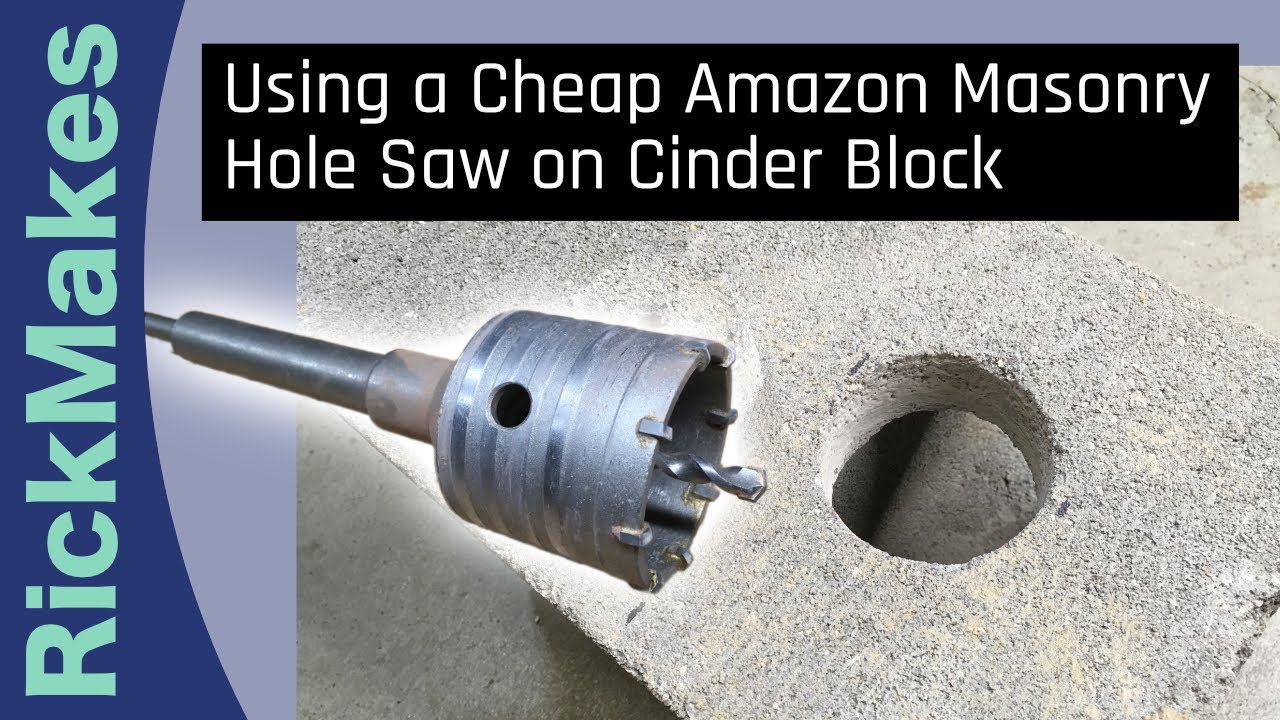
Image Source: i.ytimg.com
Step-by-Step: How To Drill Through Concrete Block Safely
Can you drill through concrete block? Yes, you can drill through concrete block. This guide will show you how to drill through concrete block safely, covering everything from choosing the right tools to making sure the job is done right. Drilling into concrete is a common task, whether you’re hanging shelves, mounting fixtures, or running wires. This process is also known as concrete block drilling or concrete masonry drilling.
Gathering Your Essentials: The Right Tools for Concrete Block Drilling
To successfully and safely drill through concrete block, you’ll need the right equipment. Using the wrong tools can make the job harder, less precise, and potentially dangerous. This section breaks down the essential drilling tools for concrete you should have on hand.
The Powerhouse: Your Drill Selection
When it comes to drilling into concrete, the type of drill you use makes a big difference.
- Hammer Drill: This is your go-to tool for drilling into concrete block. A hammer drill has a mechanism that pounds the drill bit forward while it rotates. This pounding action, combined with the rotation, makes it much easier to chip away at the hard material. For concrete block wall drilling, a hammer drill is highly recommended.
- Rotary Hammer: For tougher jobs or more frequent concrete drilling, a rotary hammer is even more powerful. It uses a piston mechanism to deliver a much harder and faster impact than a hammer drill. While more powerful, a standard hammer drill is usually sufficient for most DIY tasks involving concrete blocks.
- Standard Drill (Corded or Cordless): While you can attempt to drill concrete with a standard drill, it’s not ideal. It will be very slow, the drill can overheat, and you’re more likely to wear out the drill bit quickly. If you only have a standard drill, ensure it has multiple speed settings and be prepared for a much longer and more laborious process.
The Cutting Edge: Best Drill Bits for Concrete Block
The drill bit is crucial for effective concrete block drilling. Not just any drill bit will do.
- Masonry Bits: These are specifically designed for drilling into hard materials like concrete, brick, and stone. They have a hardened tip, often made of carbide, which is shaped to break through the material.
- Carbide-Tipped Masonry Bits: These are the best best drill bits for concrete block. The carbide tip is brazed onto the steel shank. For concrete masonry drilling, look for bits with a spear-shaped or chisel-shaped carbide tip. The sharper and more robust the carbide tip, the better it will perform.
- Masonry Drill Bit Sizes: You’ll need to choose a drill bit size that matches the diameter of the anchor or screw you plan to use. Always check the manufacturer’s recommendations for the specific anchors you’re installing. Common sizes include 1/4 inch, 5/16 inch, and 3/8 inch.
- Twist Bits (for general drilling): Do not use standard wood or metal twist bits for concrete. They will dull almost immediately and won’t make any progress.
Safety First: Essential Protective Gear
Safe concrete block drilling starts with protecting yourself.
- Safety Glasses or Goggles: Concrete dust and flying debris are serious hazards to your eyes. Always wear robust eye protection.
- Dust Mask or Respirator: When drilling concrete, fine silica dust is released. This dust can be harmful to your lungs. A good quality dust mask (N95 or higher) is essential. For prolonged drilling or in poorly ventilated areas, a respirator is recommended.
- Hearing Protection: Hammer drills and rotary hammers can be loud. Earplugs or earmuffs will protect your hearing.
- Gloves: Work gloves will provide a better grip on your drill and protect your hands from dust and potential abrasions.
Supporting Cast: Other Useful Items
- Marking Tool: A pencil, chalk line, or marker to precisely mark where you need to drill.
- Tape Measure: For accurate placement of your holes.
- Level: To ensure your holes are drilled straight and at the correct angle.
- Vacuum Cleaner (with HEPA filter): To clean up the dust as you go and after you finish. A shop vac is ideal.
- Extension Cord (if using a corded drill): Ensure it’s heavy-duty and rated for outdoor use if necessary.
- Drill Depth Stop: This attaches to your drill bit to prevent you from drilling too deep. It’s very useful for consistent hole depth.
- Chisel and Hammer (optional): Sometimes, if you hit a particularly hard spot or a piece of aggregate, a light tap with a chisel can help break through, but this should be done cautiously.
Preparing for Precision: Setting Up for Safe Concrete Block Drilling
Proper preparation is key to a successful and safe drilling experience. This phase involves marking your holes accurately, understanding the structure of the concrete block, and setting up your drilling environment.
Pinpointing the Target: Marking Your Drill Spots
Accuracy in marking ensures that your project turns out as intended.
- Measure and Mark: Use your tape measure and level to determine the exact location where you need to drill.
- Mark the Center: Use a pencil, marker, or chalk line to clearly mark the center of each hole. A small “X” is often effective.
Fathoming the Block: Understanding Concrete Block Structure
Concrete blocks, often referred to as CMUs (Concrete Masonry Units), are not solid throughout. They typically have hollow cores. Knowing this is crucial for successful concrete block wall drilling.
- Hollow Cores: Most concrete blocks have one or more voids, or hollow cores, running vertically through them.
- Webbing: The solid parts of the block are called webbing. These are the sections between the cores.
- Where to Drill: Ideally, you want to drill into the solid webbing of the concrete block. Drilling into a hollow core can make it difficult to secure anchors properly, as there is nothing for the anchor to grip onto.
Locating Reinforcement: The Hidden Challenge
Concrete blocks, especially in structural walls, may contain steel reinforcement bars (rebar).
- Locating Rebar: Rebar is typically placed vertically in the cores of blocks that require extra strength. It’s difficult to know exactly where rebar is located without specialized equipment like a rebar locator.
- What to Do if You Hit Rebar: If your drill bit strikes rebar, you will likely feel a sudden increase in resistance.
- Stop Immediately: Do not force the drill.
- Change Bit Angle: Try to slightly adjust the angle of your drill bit. Sometimes you can drill around the rebar.
- Switch to a Diamond Bit (for severe cases): For situations where you absolutely must drill through rebar, a diamond-tipped core bit is required. However, this is usually beyond the scope of standard DIY tasks and requires specialized equipment and expertise. For most home improvement projects, it’s best to find a spot that avoids the rebar.
Setting Up Your Workspace
Safety and efficiency are enhanced by a well-prepared workspace.
- Clear the Area: Remove any clutter or obstacles from around the drilling area. This prevents tripping hazards and ensures you have ample room to maneuver.
- Ventilation: Ensure the area is well-ventilated, especially if you are drilling indoors. Open windows and doors if possible.
- Dust Control: Place a drop cloth or old newspaper beneath the drilling area to catch falling dust and debris. Having your vacuum cleaner ready is also part of this setup.
The Act of Drilling: Executing Concrete Block Drilling Safely
With your preparations complete, it’s time to start drilling. This section guides you through the actual process of how to drill concrete blocks, emphasizing safety and technique.
Step 1: Securing Your Drill Bit
- Insert the Bit: Place the masonry drill bit firmly into the chuck of your drill.
- Tighten the Chuck: Secure the bit by tightening the chuck. If you have a keyless chuck, ensure it’s very tight. For chucks with a key, tighten it at three points around the chuck for maximum grip. Ensure the bit is straight and centered.
Step 2: Setting the Depth (Optional but Recommended)
- Use a Depth Stop: If you have a drill depth stop, attach it to the drill bit at the desired depth. Most anchors will require a hole slightly deeper than the anchor itself to accommodate dust. Consult your anchor’s packaging for the recommended hole depth.
- Mark the Bit: Alternatively, you can wrap a piece of masking tape around the drill bit to indicate your target depth.
Step 3: Initial Hole Placement and Engagement
- Position the Bit: Place the tip of the drill bit precisely on the marked spot.
- Start Slowly: Begin drilling at a very slow speed. This allows the bit to create a small indentation, preventing it from “walking” or slipping across the surface.
- Apply Light Pressure: Once the bit has a slight grip, increase the speed and apply steady, firm pressure.
Step 4: Engaging the Hammer Function
- Activate Hammer Mode: If you are using a hammer drill, switch it to the “hammer” or “impact” setting. This is crucial for effective concrete masonry drilling.
- Maintain Steady Pressure: Continue to apply firm, but not excessive, pressure. Let the drill do the work. Pushing too hard can overheat the drill motor and damage the drill bit.
- Keep the Drill Straight: Try to keep the drill as perpendicular (90 degrees) to the surface as possible. Angled holes can be weaker and harder to insert anchors into.
Step 5: Clearing Debris and Preventing Overheating
- Occasional Back-and-Forth Motion: Periodically pull the drill bit partially out of the hole while it’s still spinning. This helps to clear out the dust and debris that accumulates inside the hole. This is especially important when drilling hollow core concrete block to ensure the dust doesn’t clog the bit.
- Check for Heat: If the drill bit feels excessively hot, stop drilling for a minute or two to allow it to cool down. Overheating can ruin the bit.
- Vacuuming Debris: If possible, use your vacuum cleaner hose to suck out the dust from the hole as you drill or after you pull the bit out. This improves drilling efficiency and safety.
Step 6: Reaching Target Depth and Finishing
- Monitor Depth: Keep an eye on your depth mark or depth stop.
- Ease Pressure: As you approach the desired depth, you might feel the drill bit break through a thin section or enter a hollow core. Ease up on the pressure slightly.
- Complete the Hole: Once you’ve reached the required depth, stop the drill and carefully withdraw the bit.
Step 7: Cleaning the Hole
- Remove Dust: Thoroughly clean the drilled hole. Use a vacuum cleaner to suck out all residual dust. If the hole is particularly dusty, you can also use a small brush or a blast of compressed air.
- Check Hole Diameter: Ensure the hole is the correct diameter and depth for your chosen anchor or fastener. If the hole seems too small, you might need to go over it again briefly with the same bit.
Special Considerations for Drilling Hollow Core Concrete Block
Drilling hollow core concrete block presents unique challenges. The key is to aim for the solid webbing, but sometimes that’s not possible, or you might accidentally start in a hollow.
- Aiming for Webbing: Visually inspect the block surface. The webbing usually appears as thicker, solid sections. Try to center your hole on these areas.
- When You Hit a Hollow Core: If your drill bit enters a hollow core, you’ll notice a significant reduction in resistance.
- Stop and Reassess: Don’t continue drilling deep into the void unless necessary.
- Anchor Choice: For hollow cores, you will need a special type of anchor designed for hollow materials, such as a toggle bolt or a hollow-wall anchor. These anchors expand behind the block to create a secure grip.
- Drill Depth: For hollow cores, drill only deep enough to accommodate the anchor, plus a little extra for dust.
- Multiple Holes in One Block: If you need to drill multiple holes in the same block, try to space them out to avoid weakening the block excessively. Drilling too close together can lead to cracking or structural compromise.
Troubleshooting Common Drilling Issues
Even with careful preparation, you might encounter problems. Here’s how to address them.
Drill Bit Not Cutting
- Problem: The drill bit seems to be spinning but not penetrating the concrete.
- Possible Causes:
- The drill bit is dull or damaged.
- You are not using the hammer drill function.
- You are not applying enough pressure.
- You are drilling into rebar or a very hard aggregate.
- Solutions:
- Try a new, sharp masonry bit.
- Ensure the hammer drill setting is engaged.
- Apply steady, firm pressure.
- If drilling into aggregate, try slightly changing the angle. If it’s rebar, you’ll need to relocate.
Drill Overheating
- Problem: The drill or drill bit is getting excessively hot.
- Possible Causes:
- Drilling too fast without cooling.
- Pushing too hard.
- Dull drill bit.
- Solutions:
- Reduce drilling speed.
- Periodically pull the bit out of the hole while spinning to clear dust and allow cooling.
- Let the drill and bit cool down for a few minutes.
- Use a sharp drill bit.
Hole is Too Small or Too Large
- Problem: The drilled hole is not the correct size for your anchor.
- Possible Causes:
- Incorrect drill bit size was chosen initially.
- The drill bit wore down unevenly.
- The concrete material was inconsistent.
- Solutions:
- If too small, try re-drilling with the same bit, applying slightly more pressure and clearing dust frequently.
- If too large, you may need to use a larger anchor or a concrete repair epoxy to fill the hole and redrill.
Anchoring Securely: Post-Drilling Fastening
Once your holes are drilled and cleaned, the next step is securing your item using appropriate anchors.
Common Anchors for Concrete Block
- Plastic Expansion Anchors (Plugs): These are common for lighter loads. The plastic anchor is inserted into the hole, and then a screw is driven into it, expanding the anchor. Best for light to medium duty.
- Wedge Anchors: These are heavy-duty metal anchors. A threaded bolt with a conical end is inserted into the hole, and a sleeve slides over it. As the bolt is tightened, the conical end expands the sleeve against the concrete, creating a strong hold. Excellent for heavy loads.
- Sleeve Anchors: Similar to wedge anchors, these have a metal sleeve that expands as a bolt is tightened. They offer good holding power for medium to heavy loads.
- Toggle Bolts/Hollow-Wall Anchors: As mentioned, these are essential when drilling into hollow core concrete block and hitting a void. They have wings or arms that open up behind the block to distribute the load.
Installing Your Anchors
- Insert Anchor: Carefully insert the anchor into the cleaned hole. It should fit snugly. If it’s loose, you might need to use a slightly larger anchor or a bit of adhesive.
- Drive Fastener: Drive the appropriate screw or bolt into the anchor according to the manufacturer’s instructions. Use your drill on a low-speed, high-torque setting or a manual screwdriver for final tightening.
Maintaining Safety Throughout the Process
Safe concrete block drilling is an ongoing commitment. Always prioritize safety.
- Never Rush: Take your time with each step. Rushing leads to mistakes and accidents.
- Inspect Tools: Before and after use, inspect your drill and drill bits for any signs of damage.
- Electrical Safety: If using a corded drill, be mindful of the cord. Avoid drilling near water sources or in wet conditions.
- Know Your Limits: If you encounter a situation that seems beyond your capabilities (e.g., suspected structural issues, very hard aggregate, or extensive rebar), it’s best to consult a professional.
Frequently Asked Questions About Drilling Concrete Block
Q1: What is the best drill for concrete block?
A1: A hammer drill is the best choice for most concrete block drilling tasks. For more frequent or heavy-duty work, a rotary hammer is even better.
Q2: Can I drill concrete block with a regular drill?
A2: While technically possible, it is not recommended. A standard drill lacks the impact mechanism needed to efficiently penetrate concrete block, leading to slow progress, overheating, and potential damage to the drill.
Q3: How deep do I need to drill into concrete block?
A3: The depth depends on the anchor you are using. Always check the anchor manufacturer’s recommendations. Generally, you’ll need to drill slightly deeper than the embedment depth of the anchor to accommodate dust.
Q4: What happens if I hit rebar when drilling concrete block?
A4: If you hit rebar, stop drilling immediately. You will feel a significant increase in resistance. Try to adjust your drill angle to go around it. If you cannot avoid it, specialized diamond-tipped core bits are needed, which are typically used by professionals.
Q5: How do I drill through hollow core concrete block?
A5: When drilling through hollow core concrete block, try to aim for the solid webbing between the cores. If you end up drilling into a hollow void, you will need to use anchors designed for hollow walls, such as toggle bolts or hollow-wall anchors, to ensure a secure hold.
Q6: What are the best drill bits for concrete block?
A6: Carbide-tipped masonry bits are the best drill bits for concrete block. Look for bits with a robust carbide tip designed for hard materials.
Q7: How can I control dust when drilling concrete block?
A7: You can control dust by wearing a dust mask or respirator, using a vacuum cleaner with a HEPA filter to collect dust as you drill, and covering the area below with a drop cloth. Drilling slowly and periodically pulling the bit out to clear debris also helps.
By following these steps and prioritizing safety, you can confidently and effectively drill through concrete block for your various projects.