
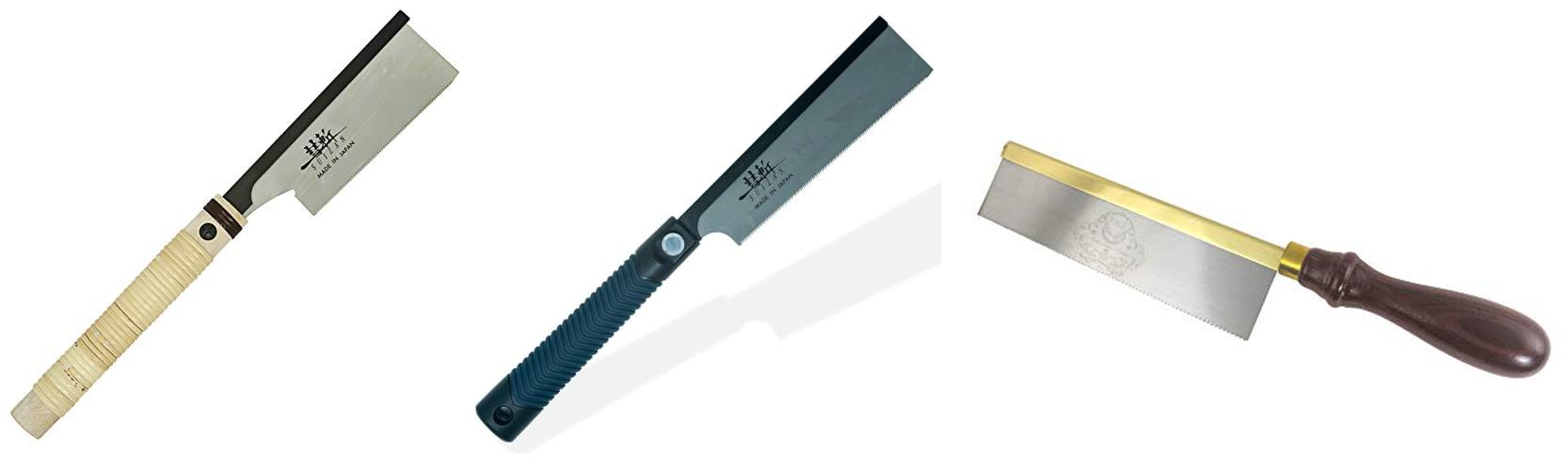
Have you ever looked at a beautifully crafted wooden box with those interlocking corners and wondered, “How did they do that?” Those neat, strong joints are called dovetails, and they’re a mark of true woodworking skill. But getting those perfect cuts isn’t always easy. Choosing the right dovetail saw can feel like a puzzle all on its own, with so many different types and features to consider.
Many woodworkers get frustrated trying to pick a saw that will give them clean, crisp cuts without tearing the wood or making their hands ache. It’s easy to feel overwhelmed by all the jargon and confusing specifications. But what if you could find a saw that makes cutting dovetails not a chore, but a joy?
This post is here to help you cut through the confusion. We’ll explore what makes a great dovetail saw and guide you toward finding the perfect one for your projects. By the end, you’ll understand what to look for so you can confidently choose a saw that will help you create stunning dovetail joints with precision and ease.
Our Top 5 Dovetail Saw Recommendations at a Glance
Top 5 Dovetail Saw Detailed Reviews
1. SUIZAN Dozuki Dovetail Saw 6″ Crosscut – Professional Japanese Pullsaw Handsaw Woodworking Tools

Rating: 8.5/10
The SUIZAN Dozuki Dovetail Saw 6″ Crosscut is a professional Japanese pull saw designed for woodworking. It’s a handsaw made with traditional Japanese craftsmanship. This saw offers a different cutting experience than typical European saws. It’s perfect for making precise cuts in wood.
What We Like:
- It’s a “pull saw,” which means you pull it to cut. This makes it lighter and easier to use than push saws.
- It requires less power to make cuts.
- It leaves a cleaner edge on your wood.
- It’s made from top-quality Japanese steel, making it very sharp.
- Each saw is made in Japan by skilled craftspeople.
- It’s a great tool for both beginners and experienced woodworkers.
- It helps you create a wider variety of woodworking projects.
- The blade is 6 inches long and very thin (0.012 inches).
- It has 25 teeth per inch (TPI) for fine cuts.
- The kerf (the width of the cut) is only 0.02 inches.
What Could Be Improved:
- Dovetail saws are specialized tools, so they might not be the best choice for every type of woodcutting task.
- Finding replacement blades might require looking at specialized suppliers.
This saw brings a new level of precision and enjoyment to your woodworking. It’s an excellent tool for anyone looking to improve their craft.
2. SUIZAN Dozuki Dovetail Saw 7″ Rip Cross Angle Cut – Professional Japanese Pullsaw Handsaw Woodworking Tools

Rating: 9.5/10
Unlock a new level of precision in your woodworking with the SUIZAN Dozuki Dovetail Saw. This professional Japanese pull saw is designed to make your projects shine, whether you’re cutting with the grain, across the grain, or at an angle.
What We Like:
- Japanese Style Pull Saw: Experience the difference of a pull saw. It’s lighter and needs less effort than European push saws. This means a cleaner cut every time.
- Razor Sharp Japanese Steel: The high-quality Japanese steel blade stays sharp, letting you make precise, clean cuts through wood.
- Crafted in Japan: Made by skilled Japanese craftsmen in a town with over 100 years of tool-making history, this saw is a testament to quality.
- Versatile Cuts: This saw handles rip cuts, cross cuts, and angle cuts, making it a great addition to any woodworker’s toolkit.
- Great for All Levels: Whether you’re a seasoned pro or just starting out, this traditional Japanese saw offers a fresh experience and helps you create more.
- Compact and Precise: With a 7-inch blade, it’s easy to handle for detailed work, and its thin kerf (0.02 inches) minimizes material waste.
What Could Be Improved:
- Blade Thickness: While the 0.012-inch blade is great for precision, it might not be ideal for very rough or heavy-duty material removal.
- TPI (Teeth Per Inch): 17 TPI is good for general purpose, but for extremely fine detail or very soft woods, a saw with higher TPI might be preferred.
This SUIZAN Dozuki Dovetail Saw brings Japanese craftsmanship and efficiency to your workshop. It’s an excellent tool for anyone looking to improve their cutting accuracy and enjoy the woodworking process more.
3. Thomas Flinn Pax Taytools 8 Inch Gent Dovetail Saw

Rating: 9.3/10
The Thomas Flinn Pax Taytools 8 Inch Gent Dovetail Saw is a tool for woodworkers who want the best. It comes from Sheffield, England, where Thomas Flinn is the last maker of traditional saws and planes in the UK. This saw is built with care and tradition. It has a strong brass back to help you make clean, straight cuts. The walnut handle feels good in your hand. This saw is made for fine woodworking, like cutting dovetails.
What We Like:
- Made by a master craftsman in England.
- The solid brass rolled back makes the blade stiff and helps it cut smoothly.
- The 20 TPI (teeth per inch) is great for making fine, clean cuts in wood.
- The walnut handle is comfortable to hold for long periods.
- The high carbon alloy steel blade is strong and can be sharpened easily.
What Could Be Improved:
- This is a specialized tool, so it might be more expensive than a general-purpose saw.
- Finding one might take some effort because they are made in small batches.
This saw is a top-quality tool for serious woodworkers. It offers precision and a classic feel that newer tools often lack.
4. Lynx Thomas Flinn Taytools British 8 Inch Dovetail Saw with Stained Beech Handle 20 TPI and Filed for Rip Cutting

Rating: 9.1/10
The Lynx Thomas Flinn Taytools British 8 Inch Dovetail Saw is a tool for serious woodworkers. It comes from a long tradition of British craftsmanship. Thomas Flinn is the last maker of traditional saws and planes in the UK. This saw is built to last and perform beautifully.
What We Like:
- It’s made by a legendary craftsman, Thomas Flinn.
- The blade is high-quality Sheffield alloy spring steel.
- It’s taper ground for a great balance of strength and easy sharpening.
- A solid brass spine keeps the blade straight and true.
- The folded brass back adds rigidity and makes the saw feel balanced.
- The European Beech handle is stained and comfortable to hold.
- It has 20 teeth per inch (TPI) and is filed for rip cutting.
- This makes it ideal for cutting perfect dovetails.
- You can cut pieces up to 2-3/8 inches deep.
What Could Be Improved:
- This is a specialized tool, so it might not be for beginners.
- Its traditional nature means it’s a premium product, so the price reflects that.
For woodworkers who value tradition and precision, this saw is an exceptional choice. It’s a beautiful tool that will serve you well for years.
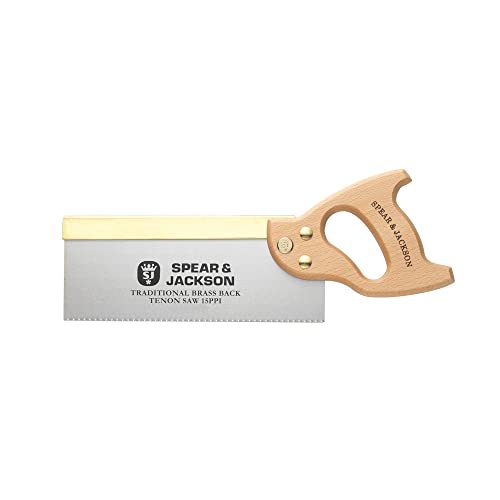
5. Spear & Jackson 9540B-91 Traditional Brass Back Tenon Saw
Rating: 9.1/10
The Spear & Jackson 9540B-91 Traditional Brass Back Tenon Saw is a classic tool for any woodworker. This 10-inch saw is designed for general use. It cuts smoothly along and across wood grain. The brass back adds strength and keeps the blade steady. It’s great for making joints and cutting small wood pieces. The comfortable wooden handle feels good in your hand. It’s held on tight with rivets. The blade is made of strong, high-carbon steel.
What We Like:
- The universal teeth cut through wood easily in any direction.
- The brass back makes the saw very rigid, preventing bending.
- It’s perfect for detailed work like cutting joints and small pieces.
- The wooden handle is comfortable and provides a secure grip.
- The high-carbon steel blade stays sharp for a long time.
What Could Be Improved:
- The 10-inch blade might be too small for very large projects.
- While durable, the traditional design might not appeal to everyone looking for modern features.
This saw is a reliable tool for both beginners and experienced woodworkers. It offers great performance for many common woodworking tasks.
The Ultimate Buying Guide: Your Perfect Dovetail Saw
Why You Need a Dovetail Saw
Making strong and beautiful wood joints is a craft. Dovetail joints are a classic choice for drawers and boxes. They look great and hold up well. A special saw makes cutting these joints much easier. This guide helps you find the best dovetail saw for your projects.
Key Features to Look For
Blade Type and Tooth Count
- Thin Kerf: A thin blade removes less wood. This makes your cuts more precise. It’s important for tight-fitting dovetails.
- Tooth Count (TPI): TPI stands for Teeth Per Inch. For dovetails, you want a higher TPI. This means more teeth. More teeth create smoother cuts. Aim for saws with 15-25 TPI.
- Tooth Set: The tooth set is how the teeth bend outward. A small set helps with clean cuts. It prevents the saw from binding.
Handle and Grip
- Comfort: You will hold this saw for a while. A comfortable handle reduces hand fatigue.
- Material: Wood handles are traditional and feel nice. Some saws have rubber or composite grips for better traction.
- Shape: The handle should fit your hand well. It helps you control the saw.
Blade Length and Depth of Cut
- Blade Length: Longer blades can cut through thicker wood. Shorter blades offer more control for smaller pieces.
- Depth of Cut: This is how deep the saw can cut. Make sure it’s enough for your typical woodworking needs.
Blade Material
Most dovetail saw blades are made from high-carbon steel. This steel is strong and holds a sharp edge well. Some blades might have special coatings for rust resistance.
Factors That Improve or Reduce Quality
What Makes a Saw Great
- Sharpness: A very sharp blade cuts with less effort. It also makes cleaner lines.
- Stiffness: The blade should be stiff enough not to bend while you cut. This is crucial for accuracy.
- Precision Manufacturing: Well-made saws have perfectly aligned teeth. This leads to straight cuts.
What to Avoid
- Dull Blades: A dull saw will tear the wood. It makes your work messy and hard.
- Wobbly Blades: A blade that bends or wobbles during use will ruin your cuts.
- Poorly Set Teeth: Teeth that are too bent or not bent enough can cause problems.
User Experience and Use Cases
Who Uses Dovetail Saws?
Woodworkers of all levels use dovetail saws. Beginners can learn precise joinery. Experienced woodworkers rely on them for professional results. Hobbyists use them to build furniture, boxes, and other wooden items.
When You’ll Use It
- Cutting Dovetails: This is the main job. You mark your layout, and the saw cuts the pins and tails.
- Cutting Tenons: Some dovetail saws can also be used for cutting tenons for mortise and tenon joints.
- Fine Woodworking Tasks: Their precision makes them useful for many delicate cuts in woodworking projects.
A good dovetail saw feels balanced in your hand. It glides through the wood. It makes you feel confident about your joinery. Choosing the right saw improves your woodworking experience greatly.
Frequently Asked Questions (FAQs)
Q: What is a dovetail saw?
A: A dovetail saw is a special hand saw. It has a thin blade. It also has many fine teeth. It helps you cut precise dovetail joints in wood.
Q: How do I choose the right TPI for a dovetail saw?
A: For dovetails, aim for a higher TPI. Saws with 15 to 25 TPI give you smoother cuts. This is important for clean joints.
Q: Are dovetail saws difficult to use?
A: They can take some practice. But with a good saw and some patience, anyone can learn to use them well. Mark your lines clearly.
Q: What is a “kerf”?
A: The kerf is the width of the cut the saw blade makes. A thin kerf saw removes less wood. This means more accuracy.
Q: Can I use a regular handsaw to cut dovetails?
A: It is very difficult. Regular handsaws have thicker blades and coarser teeth. They are not designed for the fine, precise cuts needed for dovetails.
Q: How do I maintain my dovetail saw?
A: Keep the blade clean and dry. Sharpen it when it gets dull. Store it safely to protect the teeth.
Q: What is the difference between a dovetail saw and a carcass saw?
A: A dovetail saw usually has a thinner blade and more teeth per inch. A carcass saw is a bit larger and can handle slightly rougher work.
Q: Do I need a special saw for cutting across the grain?
A: Yes, dovetail saws are designed for cutting across the grain. Their fine teeth make clean cuts without tearing.
Q: What kind of wood works best with a dovetail saw?
A: Dovetail saws work well with most hardwoods and softwoods. They are especially good for woods that might splinter easily.
Q: Where should I store my dovetail saw?
A: Store your dovetail saw in a dry place. A saw guard or a dedicated saw case protects the blade and teeth from damage.
In conclusion, every product has unique features and benefits. We hope this review helps you decide if it meets your needs. An informed choice ensures the best experience.
If you have any questions or feedback, please share them in the comments. Your input helps everyone. Thank you for reading.