
Can you drill holes for drawer pulls yourself? Yes, you absolutely can drill holes for drawer pulls yourself with the right tools and a little patience. Achieving perfect placement for your drawer pulls and knobs is essential for both the aesthetics and functionality of your cabinetry. This guide will walk you through every step, from measuring and marking to drilling and installing, ensuring a professional-looking finish. We’ll cover everything from understanding drawer pull placement to selecting the correct drill bit size for drawer pulls.
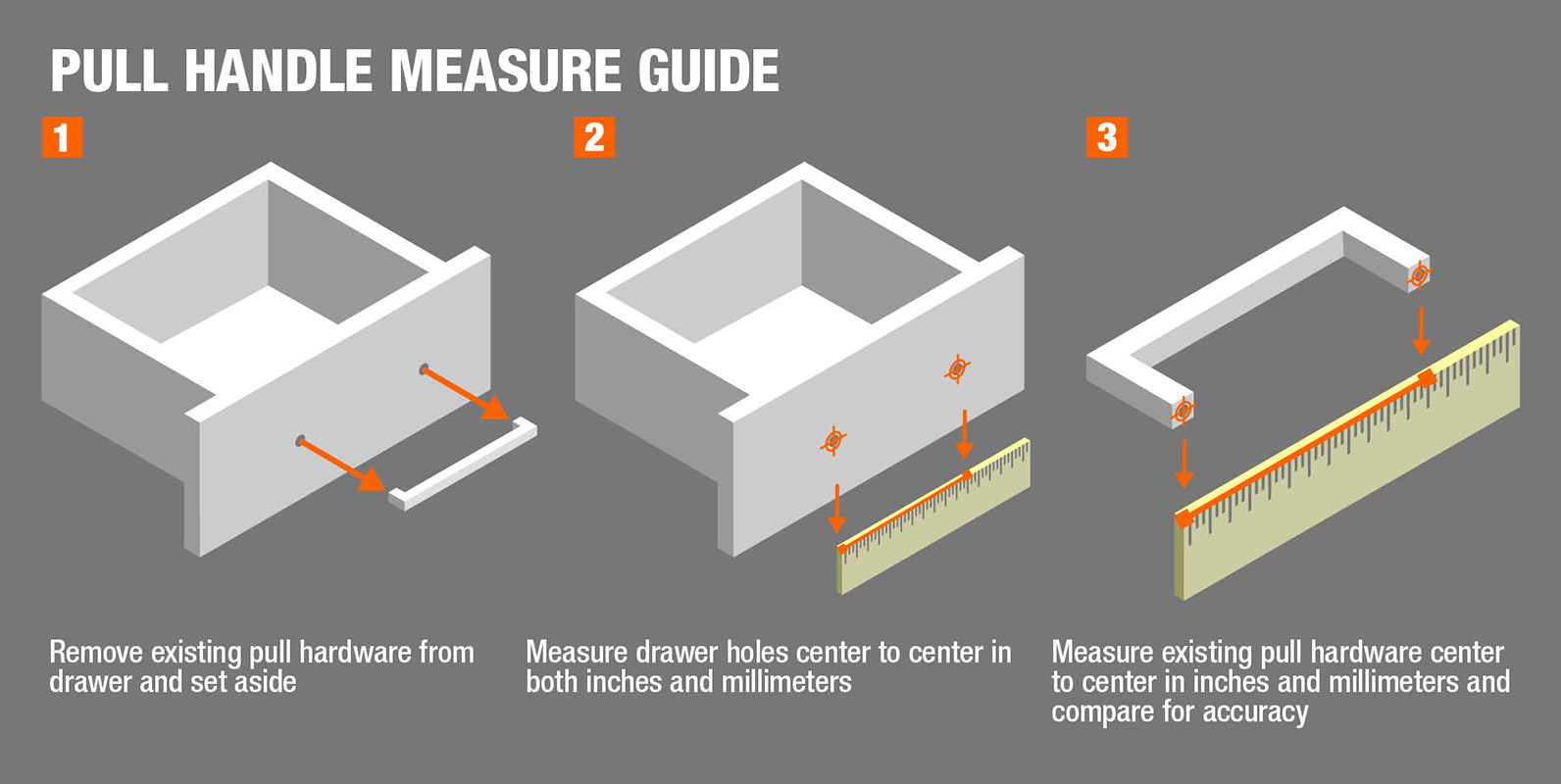
Image Source: www.theknobshop.net
Gathering Your Essential Tools
Before you begin, make sure you have everything you need. This will save you time and prevent frustration.
- Drawer Pulls or Knobs: Choose the hardware that best suits your style and the cabinet design.
- Measuring Tape: A reliable tape measure is crucial for accurate marking.
- Pencil: A sharp pencil is needed for marking the drilling points.
- Drill: A cordless drill or a corded drill will work.
- Drill Bits: You’ll need a set of drill bits. The specific drill bit size for drawer pulls depends on the screw size that comes with your hardware.
- Screwdriver: To install the pulls or knobs.
- Masking Tape or Painter’s Tape: This helps prevent wood splintering and provides a surface for marking.
- Level (Optional but Recommended): For ensuring horizontal or vertical alignment of multiple pulls.
- Template (Highly Recommended): A template for drawer pulls or a cabinet hardware drilling jig will ensure consistent and accurate placement, especially for multiple drawers.
- Safety Glasses: Always protect your eyes when drilling.
Deciphering Drawer Pull Placement: The Art of Precision
The correct drawer pull placement is a blend of practicality and visual appeal. Poorly placed hardware can make a drawer difficult to open or look off-center.
Centering Drawer Pulls: The Golden Rule
- Horizontal Centering: For most drawers, the pull should be centered horizontally. Measure the width of the drawer front and divide it by two. Mark this center point.
- Vertical Centering: This can vary.
- For Drawers with a Single Pull/Knob: The most common approach is to place it in the vertical center of the drawer front. Measure the height of the drawer front and divide by two. Mark this point at your horizontal center line.
- For Drawers with Two Pulls: This often involves placing the pulls at a consistent distance from the top and bottom edges of the drawer front, and also centering them between the vertical edges of the drawer front. A good starting point is to measure down from the top edge and up from the bottom edge by an equal amount, aligning these marks with your horizontal center line.
Measuring for Drawer Pulls: Precision is Key
Accurate measuring for drawer pulls is the foundation of successful drawer front drilling.
- Measure the Drawer Front: Use your measuring tape to get the exact width and height of the drawer front.
- Find the Horizontal Center: Add the width of the drawer front and divide the total by two. For example, on a 20-inch wide drawer, the center is at 10 inches.
- Find the Vertical Center (for Single Pulls): Add the height of the drawer front and divide the total by two. For a 6-inch high drawer, the center is at 3 inches.
- Mark the Point: Use your pencil to make a small dot at the intersection of your horizontal and vertical center lines.
Using a Template for Drawer Pulls: Your Best Friend
A template for drawer pulls takes the guesswork out of drawer front drilling, especially when you have multiple drawers that need to match perfectly. These templates, often made of plastic or metal, have pre-drilled holes at standard intervals.
-
Benefits of a Template:
- Ensures consistent drawer pull placement across all drawers.
- Greatly reduces the chance of errors.
- Makes hardware installation faster and more efficient.
- Ideal for beginners.
-
How to Use a Template:
- Align the template with the edge of your drawer front.
- Use the template’s guide holes to mark your drilling points with a pencil.
- Ensure the template is level and flush with the drawer edge before marking.
Preparing the Drawer Front for Drilling
Proper preparation makes the drilling process smoother and prevents damage to your cabinetry.
Applying Tape for Protection
- Clean the Surface: Ensure the area where you will be drilling is clean and free of dust or debris.
- Apply Masking Tape: Place a strip of masking tape or painter’s tape over the area where you’ve marked your drilling points. This tape serves two purposes:
- It prevents the drill bit from “walking” across the surface, ensuring cleaner entry.
- It helps minimize wood splintering when the drill bit exits the other side of the drawer front.
- Re-mark Your Point: Gently re-mark your drilling point directly on the tape with your pencil.
Selecting the Correct Drill Bit Size for Drawer Pulls
Choosing the right drill bit size for drawer pulls is critical. The screw that comes with your drawer pull will determine the necessary drill bit diameter.
- Refer to Your Hardware: Most drawer pulls come with screws. Look at the diameter of the screw.
- General Guideline: You want a drill bit that is slightly larger than the diameter of the screw thread, but not so large that the pull won’t be secure.
- For most standard drawer pull screws: A 1/4-inch (6mm) or 5/16-inch (8mm) drill bit is commonly used.
- For drawer knobs: If your knobs use a single screw, the drill bit size will be based on that screw.
- Test on Scrap Wood: If you’re unsure, it’s always a good idea to test your chosen drill bit on a piece of scrap wood that’s similar in thickness to your drawer front. The screw should pass through the hole smoothly without wobbling.
Drilling the Holes: The Moment of Truth
Now it’s time to drill. Go slow and steady for the best results.
Drilling Through the Drawer Front
- Secure the Drawer Front (Optional but Recommended): If the drawer front is removed from the cabinet, you might want to clamp it to a workbench to prevent it from moving.
- Position the Drill: Hold the drill perpendicular to the drawer front. A perpendicular angle ensures the pull will sit flush.
- Drill Slowly: Start the drill slowly to create a clean entry point.
- Maintain a Straight Path: Keep the drill moving in a straight line, perpendicular to the drawer front.
- Drill Through: Continue drilling until you feel the bit break through the other side.
- Minimize Splintering: If splintering occurs on the back side, you can often clean it up with a deburring tool or a sharp craft knife. You can also try drilling halfway from one side and then finishing the hole from the other side, but this requires very precise alignment.
Making Pilot Holes for Drawer Pulls
Creating pilot holes for drawer pulls is a crucial step, especially for solid wood drawer fronts, as it prevents the wood from splitting when the screw is driven in.
- Purpose of Pilot Holes: They create a guide for the screw and remove some of the wood’s resistance.
- Drill Bit Size for Pilot Holes: For pilot holes for drawer pulls, use a drill bit that is slightly smaller than the diameter of the screw threads.
Installing the Drawer Pulls and Knobs
With the holes drilled, the final step is installing your hardware.
Hardware Installation: Securing Your Pulls
- Align the Pull: Position your drawer pull or knob over the drilled holes.
- Insert the Screw: Insert the screw from the inside of the drawer front.
- Start Threading: Begin threading the screw into the pull by hand. This helps prevent cross-threading.
- Tighten with a Screwdriver: Once the screw is started, use your screwdriver to tighten it.
- Be Careful Not to Overtighten: Overtightening can strip the screw threads or even crack the drawer front. Tighten until the pull is snug and secure.
- Check Alignment: Ensure the pull is straight and sits flush against the drawer front.
Drawer Knob Installation: A Simpler Process
Drawer knob installation is typically straightforward as it usually involves a single screw.
- Align the Knob: Place the knob over the drilled hole.
- Insert the Screw: Pass the screw through the back of the drawer front into the knob.
- Tighten: Secure the knob with your screwdriver, being careful not to overtighten.
Tips for Perfect Placement Every Time
- Use a Level: When installing pulls on multiple drawers or doors, use a level to ensure they are all perfectly aligned horizontally or vertically.
- Measure Twice, Drill Once: This adage is particularly important in DIY projects. Double-check all your measurements before picking up the drill.
- Consider the Drawer Size: For very wide drawers, a single centered pull might be sufficient. For narrower drawers, a single pull is also standard. Wider drawers might benefit from two pulls for better leverage.
- Drawer Front Material: The type of wood or material your drawer fronts are made of can influence how you drill. Hardwoods are more prone to splitting, making pilot holes and careful drilling even more important.
- Recessed vs. Surface Mount: Be aware if your hardware is designed for recessed mounting (requiring a larger drilled hole or routed out area) or surface mounting.
- Consistency is Key: If you have multiple drawers, ensure the drawer pull placement is identical on each one for a cohesive look.
Troubleshooting Common Issues
Even with careful planning, you might encounter minor problems.
- Slightly Off-Center: If the hole is only slightly off, you might be able to adjust the drawer pull’s position slightly if it has elongated mounting holes. If not, consider if it’s noticeable enough to live with or if you need to fill the hole and re-drill.
- Splintering: As mentioned, tape helps. If it’s significant, a sharp craft knife can carefully trim away loose wood fibers.
- Cross-Threaded Screw: If a screw feels difficult to turn, stop immediately. Back it out and try again, ensuring it’s going in straight.
Advanced Techniques for Cabinet Hardware Drilling
For those tackling larger projects or seeking an even more professional finish, consider these advanced techniques.
Using a Cabinet Hardware Jig
A dedicated cabinet hardware jig is an investment that pays off for numerous hardware installation projects. These jigs are often adjustable and designed to handle various types of hardware and drawer sizes. They typically feature stops to control drilling depth and guides for perfectly straight holes.
Depth Control on Your Drill
Many drills have depth control settings. If yours does, set it to the thickness of your drawer front to prevent drilling too deep and damaging the interior of the drawer. If your drill doesn’t have this feature, you can wrap a piece of tape around your drill bit, marking where the tip should emerge from the other side.
Frequently Asked Questions (FAQ)
Q1: What is the best drill bit size for drawer pulls?
A1: The best drill bit size for drawer pulls is typically the size of the screw that comes with your hardware. Generally, this is around 1/4-inch (6mm) or 5/16-inch (8mm) for the main screw, but always check your specific hardware. For pilot holes, use a bit slightly smaller than the screw’s threads.
Q2: Can I drill holes for drawer pulls without a template?
A2: Yes, you can drill holes for drawer pulls without a template, but it requires careful measuring and marking to ensure accurate and consistent placement, especially for multiple drawers.
Q3: How do I ensure my drawer pulls are perfectly centered?
A3: To ensure your drawer pulls are perfectly centered, measure the width and height of the drawer front, find the center point by dividing each dimension by two, and mark this intersection. Using a template or a jig will also help achieve perfect centering.
Q4: What should I do if my drawer front is very thin?
A4: If your drawer front is very thin, be extra careful not to overtighten the screws. Consider using a drill bit that is the exact size of the screw thread, or even slightly smaller, to ensure a snug fit and prevent stripping. Applying tape to both sides of the drawer front is also highly recommended to prevent splintering.
Q5: How do I install two drawer pulls on one drawer front?
A5: For two drawer pulls on one drawer front, measure the drawer’s width. Find the horizontal center. Then, decide on the spacing between the two pulls. Measure equally in from the left and right edges towards the center, and then mark your points for the pulls, ensuring they are equidistant from the sides and centered vertically. Using a template designed for two pulls is ideal for this.
Q6: What is the purpose of pilot holes for drawer pulls?
A6: Pilot holes for drawer pulls serve to prevent the wood from splitting, especially in hardwoods, when the screw is driven in. They create a guide for the screw and reduce the resistance, making installation easier and safer for the wood.
By following these detailed steps and tips, you can confidently tackle the task of drilling holes for drawer pulls, achieving a professional and polished look for your cabinets and drawers.