
So, how much does a water well cost? The average water well cost can range from $3,000 to $7,000, but this is just a starting point. The actual price tag for drilling a water well depends on many factors, and the cost of drilling a well can fluctuate significantly based on your location, depth, and the specific drilling method used.
Accessing a reliable water source through a private well offers a sense of independence and security, especially for those in rural areas or regions with unreliable municipal water systems. However, before you dive into the project, it’s crucial to get a clear picture of the financial commitment involved. This comprehensive guide aims to shed light on the various components that contribute to the overall water well drilling cost and provide you with the knowledge to obtain accurate well drilling estimates.
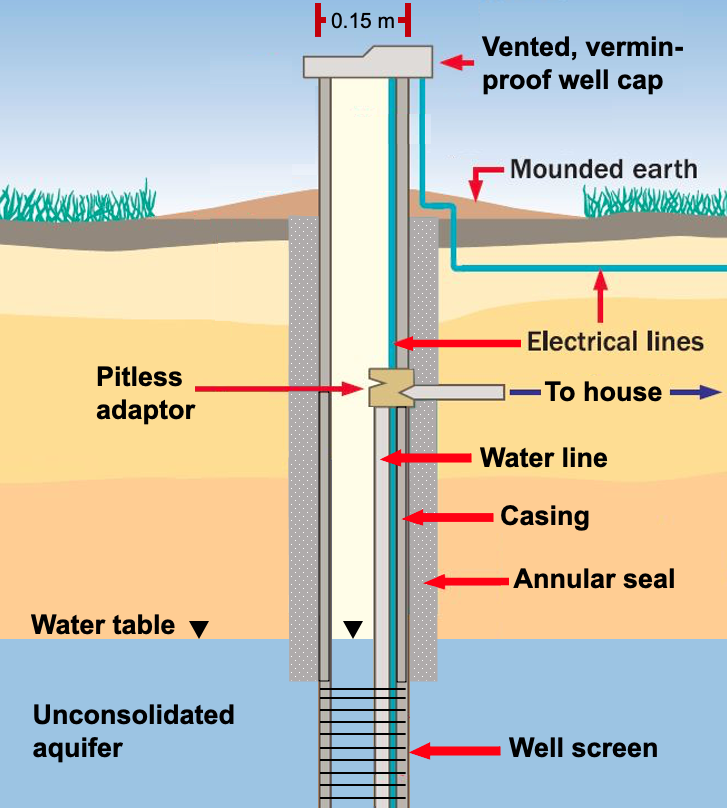
Image Source: books.gw-project.org
Factors Influencing Well Drilling Prices
Several key elements play a significant role in determining well drilling prices. It’s not simply a matter of digging a hole; it’s a complex process that requires specialized equipment, expertise, and an understanding of geological conditions.
Depth of the Well
This is arguably the most significant cost driver. The deeper the well, the more time, materials, and effort are required. Water tables can vary greatly depending on your geographic location and the local geology. In some areas, a shallow well might suffice, while in others, you might need to drill hundreds of feet to reach a reliable aquifer.
- Shallow Wells (Under 100 feet): These are generally less expensive.
- Medium Depth Wells (100-300 feet): Costs begin to increase steadily.
- Deep Wells (Over 300 feet): These can become considerably more expensive due to the increased drilling time, casing, and potential for encountering harder rock formations.
Geological Conditions
The type of soil and rock you encounter during drilling has a massive impact on the cost to drill a borewell.
- Soft Soil and Sand: Relatively easy and quick to drill through, leading to lower costs.
- Clay and Silt: Moderately challenging, increasing drilling time slightly.
- Rock Formations (Granite, Limestone, Shale): Drilling through rock requires specialized drill bits and more powerful equipment, significantly driving up the water well installation cost. The harder the rock, the more expensive it becomes. Fractured rock can sometimes be easier to drill through than solid rock, but it can also present challenges with stability and maintaining the borehole.
Water Demand and Well Casing Size
The amount of water you expect to use will influence the diameter of the well casing needed. A larger diameter casing allows for higher flow rates and can accommodate larger submersible pumps, but it also requires a larger borehole, increasing material and drilling costs.
- Standard Residential Wells: Typically 4 to 6 inches in diameter.
- Agricultural or High-Demand Wells: May require 6 to 10 inches or even larger.
Location and Accessibility
The physical location of your property can also affect the water well drilling cost.
- Ease of Access: If the drilling site is easily accessible by large drilling rigs and support vehicles, it will be less costly.
- Remote Locations: Properties that are difficult to reach may incur additional charges for transportation of equipment and personnel. This is particularly relevant for rural water well cost.
- Terrain: Steep inclines, dense vegetation, or rocky terrain can make it challenging to set up the drilling rig, adding to labor and equipment time.
Type of Well and Drilling Method
There are several methods used to drill water wells, each with its own cost implications. The most common methods include:
- Rotary Drilling: This is the most common method for drilling water wells. It uses a rotating drill bit to break up the rock and soil. Water or drilling fluid is pumped down the drill string to cool the bit, lubricate the hole, and carry the cuttings to the surface. This method is generally efficient for most soil types and softer rock.
- Cable Tool Drilling (or Percussion Drilling): This older method involves repeatedly dropping a heavy bit onto the ground to break it up. It’s slower than rotary drilling but can be effective in hard rock formations where rotary drilling might struggle or require specialized bits. This method can sometimes be more expensive due to the slower progress.
- Air Rotary Drilling: This method uses compressed air instead of water to flush cuttings from the borehole. It’s often faster in certain rock formations but requires more specialized equipment and can be noisy.
The choice of method will depend on the geological conditions and the driller’s expertise.
Permitting and Fees
Most municipalities and counties require permits to drill a water well. These permits come with fees that vary depending on your location. These are often a small part of the overall water well installation cost, but they are mandatory.
Well Components and Installation
Beyond the drilling itself, the water well installation cost includes several other essential components:
- Well Casing: This is the pipe that lines the borehole to prevent collapse and keep out contaminants. It’s usually made of PVC or steel. The cost depends on the material, diameter, and thickness.
- Well Screen: Installed at the bottom of the well, the screen allows water to enter the well while keeping sand and sediment out.
- Gravel Pack (if necessary): In some formations, a gravel pack is installed around the well screen to improve water flow and filtration.
- Well Cap and Seal: A sanitary well cap prevents debris, insects, and animals from entering the well.
- Submersible Pump: This is the pump that sits down in the well to push water to the surface. The cost of the pump depends on its horsepower, flow rate, and brand.
- Pressure Tank: This tank stores water under pressure, so your pump doesn’t cycle on and off with every use.
- Piping and Wiring: This includes the pipes that carry water from the pump to your house, as well as the electrical wiring to power the pump.
- Pressure Switch and Controls: These components regulate the pump’s operation.
Water Quality Testing
Once the well is drilled, it’s essential to test the water for potability. This involves checking for bacteria, minerals, and other contaminants. The cost of testing can vary.
Estimating Your Well Drilling Expenses
To get a clearer idea of how much is it to drill a water well for your specific needs, it’s best to obtain multiple well drilling estimates from reputable local contractors.
What to Expect in a Well Drilling Estimate
A professional well drilling estimate should break down the costs clearly. Look for estimates that include:
- Per-foot drilling cost: This is the base rate for drilling.
- Casing cost: Priced per foot, usually varying by diameter and material.
- Grouting/Cementing cost: If required to seal the annular space between the casing and the borehole.
- Well screen cost: A fixed cost for the screen material.
- Pump and pressure tank cost: Often itemized separately.
- Labor costs: For drilling, installation, and testing.
- Permit fees: If the driller handles the permitting process.
- Testing and disinfection costs: For water quality analysis.
- Mobilization/Demobilization fees: For bringing equipment to and from the site.
Average Water Well Cost Breakdown
While the total cost can vary widely, here’s a general idea of how costs might break down. Remember, these are averages and your specific situation could be different.
| Cost Component | Typical Percentage of Total Cost | Notes |
|---|---|---|
| Drilling & Casing | 40% – 60% | Primarily driven by depth and geology. |
| Pump & Pressure Tank | 20% – 30% | Depends on the system size and quality. |
| Ancillary Components | 10% – 20% | Well cap, wiring, piping, pressure switch, etc. |
| Labor & Installation | 10% – 15% | For the installation of all components. |
| Permits & Testing | 5% – 10% | Mandatory fees and water quality analysis. |
| Mobilization/Misc. | 5% – 10% | Equipment transport, site prep, unexpected issues. |
Getting the Best Value for Your Money
When seeking well drilling prices, it’s wise to:
- Get Multiple Quotes: Contact at least three licensed and insured well drillers in your area.
- Check References and Reviews: Look for companies with a solid reputation and positive customer feedback.
- Ask About Experience: Inquire about their experience drilling in your specific geological area.
- Clarify What’s Included: Ensure each quote details all costs, including materials, labor, permits, and testing.
- Discuss Warranties: Understand the warranties offered on drilling, pump, and other components.
- Consider Local vs. National: Local drillers often have a better understanding of local geology and regulations, and may be more responsive.
The Process of Drilling a Water Well
Fathoming the process of drilling a water well can help you appreciate the costs involved.
Site Assessment and Preparation
Before drilling begins, a professional will assess your property to determine the best location for the well. This involves considering:
- Proximity to the house: Minimizes piping length.
- Property lines and setbacks: To comply with local regulations.
- Potential contamination sources: Wells should be located away from septic systems, livestock areas, and fuel storage tanks.
- Accessibility for drilling equipment: Ensuring large trucks and drilling rigs can reach the site.
The site may require some clearing or leveling to create a stable working area.
Drilling the Borehole
Once the site is prepared, the drilling rig is set up.
- Drilling: The drilling process begins. Water or drilling fluid is circulated down the drill pipe to cool the drill bit and flush out the cuttings. As the hole gets deeper, sections of drill pipe are added.
- Casing Installation: As the drilling progresses or once the target depth is reached, the well casing is lowered into the borehole. This is crucial for stabilizing the hole and preventing contamination.
- Grouting (if necessary): In many areas, the space between the casing and the borehole wall (the annular space) is sealed with cement grout. This prevents surface water and contaminants from entering the aquifer through the annular space.
Well Development and Completion
After the casing is in place and grouted, the well is developed.
- Well Development: This process aims to clean out drilling fluids and fine sediment from the borehole and surrounding aquifer to improve water flow into the well. Methods include surging, bailing, or pumping.
- Pump Installation: A submersible pump is lowered into the well and secured. The appropriate size and type of pump will depend on the well’s depth, yield, and your household’s water demand.
- Connecting to the House: The pump is connected to the piping that runs to your home. This includes the pressure tank, pressure switch, and any necessary filtration systems.
- Disinfection: The new well is disinfected with chlorine to kill any bacteria introduced during the drilling process.
Testing and Certification
The final step involves testing the well’s yield (how much water it can produce) and conducting water quality tests.
- Yield Test: This test determines the sustainable flow rate of the well, ensuring it can meet your water needs.
- Water Quality Test: Essential for ensuring your water is safe to drink. It checks for bacteria, nitrates, heavy metals, and other potential contaminants.
Backyard Well Drilling Cost Considerations
For those looking to drill a well in their backyard, the backyard well drilling cost can sometimes differ slightly from larger rural projects.
- Space Constraints: Smaller backyards might limit the size of equipment that can be used, potentially increasing time or requiring more specialized, possibly more expensive, equipment.
- Aesthetics: You might have more consideration for how the wellhead and any visible components will look in your yard.
- Proximity to Utilities: Careful attention must be paid to underground utility lines (gas, water, electric, sewer) to avoid damage.
The fundamental cost drivers – depth, geology, and water demand – remain the same. However, accessibility and potential site limitations can influence the final price. For a backyard well drilling cost, you might find that smaller, more maneuverable drilling rigs are used, which could impact efficiency in certain ground conditions.
Rural Water Well Cost Factors
The rural water well cost often aligns with the general factors discussed, but some elements are amplified:
- Distance from Service: Drillers may charge higher mobilization fees if your property is far from their base of operations.
- Terrain Challenges: Rural properties can sometimes be more remote and have more challenging terrain, impacting access and drilling efficiency.
- Reliance on Well Water: In rural settings, wells are often the sole water source, so ensuring sufficient yield and reliable equipment is paramount, sometimes leading to investment in higher-capacity pumps or more robust systems.
- Power Source: If your rural property lacks reliable electricity, you might need to factor in the cost of a generator or alternative power solutions for the pump.
Common Questions About Well Drilling Costs
How much does a water well cost per foot?
The cost to drill a borewell per foot can range from $25 to $100 or more. This figure varies significantly based on depth, geology, casing requirements, and the driller’s rates. Deeper wells often have a slightly lower per-foot cost for the later sections compared to the initial sections.
Is drilling a well worth the cost?
For many, the long-term benefits of having a private, independent water supply outweigh the initial investment. This includes cost savings on monthly water bills, greater control over water quality, and resilience against municipal water supply disruptions. The payback period can vary significantly depending on your current water costs and the total well drilling prices.
What are the hidden costs of drilling a well?
Potential hidden costs can include:
- Permit fees: If not included in the initial quote.
- Water quality testing: If not bundled.
- Additional pump work: If the initial pump isn’t sufficient.
- Treatment systems: If water quality tests reveal issues requiring filtration or treatment.
- Site restoration: Cleanup after drilling is complete.
- Unexpected geological issues: Encountering difficult rock formations or needing to re-drill a section.
Always ask for a detailed breakdown and inquire about potential additional charges.
Can I drill a well myself?
While technically possible, drilling a water well is a complex and potentially dangerous undertaking that requires specialized knowledge, equipment, and permits. Most homeowners opt to hire licensed professionals for safety, efficiency, and compliance with regulations. Improperly drilled wells can lead to contamination, pump failure, or even well collapse, costing far more to fix than hiring a professional initially.
How long does it take to drill a water well?
The time it takes to drill a well can vary from a few days to over a week, depending on the depth, geological conditions, drilling speed, and the crew’s efficiency. Installation of the pump and other components can add another day or two to the process.
What if the well doesn’t produce enough water?
This is a concern, but experienced drillers will conduct yield tests to estimate the well’s production capacity. If a well proves to be insufficient, options might include deepening the well, installing a more efficient pump, or exploring alternative water sources. The cost of drilling a well should ideally cover a baseline yield expectation.
How do I find a good well driller?
Look for licensed, insured, and experienced well drillers in your area. Check online reviews, ask for recommendations from neighbors or local authorities, and always get multiple detailed well drilling estimates.
Conclusion: Investing in Your Water Future
The water well drilling cost is a significant investment, but one that can provide long-term water security and independence. By thoroughly researching, obtaining detailed well drilling estimates, and working with qualified professionals, you can navigate the process with confidence. Remember that the cost of drilling a well is not static; it’s a dynamic figure influenced by a multitude of factors unique to your location and needs. Armed with this knowledge, you’re better equipped to make an informed decision about bringing a reliable water source to your property.