
Can you drill aluminum with a regular drill bit? Yes, you can drill aluminum with a regular drill bit, but using specialized aluminum drill bits or bits designed for drilling metal will yield much better results and reduce the risk of damage or injury. This guide will walk you through the essential steps for drilling aluminum holes safely and efficiently. Drilling aluminum, also known as aluminum machining in a broader context, requires specific techniques and tools to achieve clean, precise holes without damaging your workpiece or equipment.
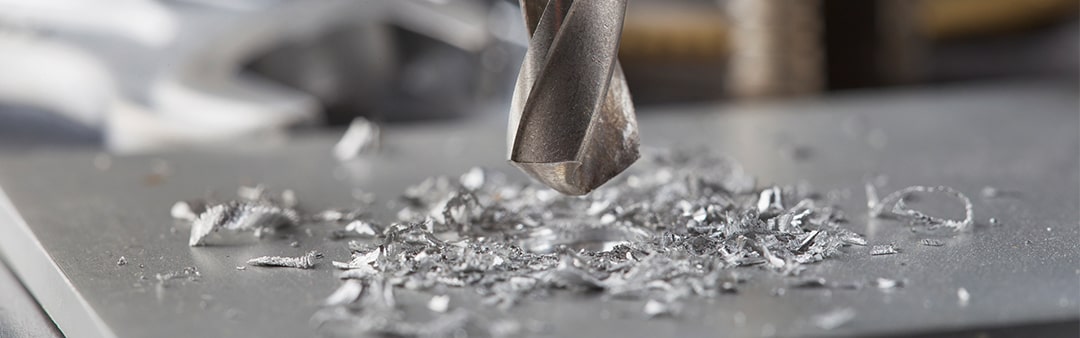
Image Source: www.clickmetal.co.uk
Choosing the Right Aluminum Drill Bits
The type of drill bit you use is crucial when drilling aluminum. Unlike harder metals, aluminum is soft and gummy, meaning it can easily clog up standard drill bits. This can lead to poor hole quality, bit breakage, and even damage to your aluminum workpiece.
Types of Drill Bits for Aluminum
- HSS (High-Speed Steel) Bits: These are the most common and accessible drill bits. For aluminum, opt for HSS bits with a polished or bright finish. A polished finish helps reduce friction and prevents aluminum chips from sticking to the bit.
- Cobalt Bits: Cobalt bits are an alloy of HSS with cobalt added. They are harder and more heat-resistant than standard HSS bits, making them excellent for drilling harder metals. While good for aluminum, they might be overkill for softer alloys unless you’re drilling many holes or working with a tougher aluminum grade.
- TiN (Titanium Nitride) Coated Bits: These bits have a thin, gold-colored coating that increases hardness and reduces friction. The coating helps the bit cut through metal more smoothly and extends its lifespan, making them a great choice for aluminum.
- Split-Point Bits: These bits have a pointed tip that is split in the center. This design allows the bit to self-center on the workpiece, preventing “walking” or drifting when you start the hole. This is particularly helpful when drilling aluminum, as it ensures accuracy.
- Left-Handed Bits: While less common for general drilling, left-handed drill bits rotate counter-clockwise. In some cases, if a bit gets stuck, a left-handed bit might be able to back itself out, which can be useful when drilling aluminum if you encounter binding.
Key Features to Look for in Aluminum Drill Bits
- Point Angle: For soft metals like aluminum, a shallower point angle (around 90-118 degrees) is generally preferred. A sharper point (like 118 degrees) is good for general-purpose drilling, while a very sharp point (even less than 90 degrees, sometimes called a “self-starting” point) can be beneficial for aluminum to reduce the tendency to grab.
- Flute Geometry: Bits designed for drilling aluminum often have wider, more open flutes compared to bits for steel. This wider spacing helps to efficiently clear the gummy aluminum chips away from the cutting edge, preventing clogging.
- Surface Finish: As mentioned, a polished or bright finish is ideal for aluminum. Avoid black oxide finishes, which tend to hold onto chips more readily.
Essential Drilling Equipment and Accessories
Beyond the drill bits, having the right drilling equipment and accessories is vital for safe and effective drilling aluminum.
The Drill Itself
- Corded Drills: Offer consistent power and torque, ideal for longer drilling sessions or thicker aluminum.
- Cordless Drills/Drivers: Offer portability and convenience. Ensure the drill has sufficient torque and a variable speed setting. For drilling metal, a drill with a clutch setting is helpful to prevent over-tightening and stripping.
- Drill Press: For precise, perpendicular holes, especially in production settings or on thicker materials, a drill press is the superior choice. It provides stability and consistent pressure, ensuring perfectly straight holes.
Lubricants and Coolants
Lubrication is critical when drilling aluminum. It reduces friction, cools the bit and workpiece, and helps to flush away aluminum chips.
- Cutting Oil/Fluid: Specialized cutting oils are designed to lubricate and cool metal during drilling.
- WD-40 or Similar Penetrating Oils: Can be used in a pinch for light drilling, but are not as effective as dedicated cutting fluids for preventing gumming.
- Tap Magic or Other Tapping Fluids: These are excellent for drilling as they provide superior lubrication for drilling and tapping.
- Homemade Lubricant: A mixture of light mineral oil and turpentine (about 50/50) can also work well as a lubricant for aluminum.
Workholding
Securely holding the aluminum workpiece is paramount for safety and accuracy.
- Clamps: C-clamps, F-clamps, or vise grips can be used to secure the aluminum to a workbench or drill press table.
- Vises: A machinist’s vise or bench vise is ideal for holding smaller aluminum pieces firmly. Ensure the vise jaws are clean and do not have sharp edges that could mar the aluminum.
- Double-Sided Tape: For very thin or delicate aluminum sheets, high-strength double-sided tape can sometimes be used to hold the workpiece in place, especially on a drill press.
Hole Preparation: The Key to Clean Holes
Proper hole preparation before drilling aluminum significantly improves the final result and prevents common issues.
Marking the Hole Location
- Center Punch: For accurate starting points, use a sharp center punch to create a small indentation where you want to drill. This guides the drill bit and prevents it from “walking.” For softer aluminum, a scribe or even the tip of a hardened steel awl can sometimes suffice, but a center punch is best.
- Marker or Scribe: Mark the exact center of your hole with a permanent marker or a scribe for better visibility.
Securing the Workpiece
As mentioned in the equipment section, always secure your aluminum firmly. Loose workpieces are dangerous and will lead to inaccurate drilling.
Pilot Holes (When Necessary)
For larger diameter holes or thicker aluminum, drilling a pilot hole first is recommended.
- What is a pilot hole? A pilot hole is a smaller hole drilled first to guide the larger drill bit.
- When to use them: If you are drilling a hole larger than 1/4 inch (6mm) in diameter, or if you are drilling into thick aluminum (over 1/2 inch or 12mm), a pilot hole will make the process easier and more accurate.
- Pilot hole size: The pilot hole should typically be the size of the tap drill size if you plan to tap the hole later, or approximately half the diameter of the final hole.
The Drilling Process: Step-by-Step
Now that you have the right tools and prepared your workpiece, let’s get to the actual drilling.
Setting Up Your Drill
- Select the Correct Drill Bit: Choose the appropriate aluminum drill bit based on the hole size and the type of aluminum you are drilling.
- Insert the Drill Bit: Securely fasten the drill bit in your drill chuck. Ensure it is centered and tightened firmly.
- Set the Drill Speed: This is a critical step. Aluminum requires relatively high drilling speeds compared to steel, but too fast can lead to overheating and melting. A good starting point for a 1/4 inch (6mm) drill bit in aluminum is often between 1,000 and 2,000 RPM, depending on the drill’s power and the specific alloy. Consult a drilling speed chart for specific recommendations if available. Generally, the smaller the drill bit, the faster the speed.
The Drilling Technique
- Start Slowly: Begin drilling at a slow speed to create an initial indentation, especially if you didn’t use a center punch.
- Apply Consistent Pressure: Once the bit starts cutting, apply steady, consistent pressure. Let the drill bit do the work; don’t force it.
- Use Lubricant: Periodically apply your chosen lubricant to the drill bit and the workpiece. This is crucial for preventing gumming and ensuring a clean cut. For longer holes, it’s important to withdraw the bit partially to allow the lubricant to reach the cutting zone and to clear chips.
- Withdraw and Clear Chips: Regularly withdraw the drill bit partially from the hole (about halfway) and then re-enter it. This action helps to clear the aluminum chips from the flutes of the drill bit and the hole itself. This is a key drilling technique for preventing the bit from binding.
- Continue Drilling: Continue drilling with consistent pressure and lubrication until you are through the material.
- Ease Up at Breakout: As the drill bit is about to break through the other side of the aluminum, ease up on the pressure. This prevents the bit from snagging and tearing the material, creating a cleaner exit hole. Some prefer to drill from both sides if possible for very thin material.
Removing Aluminum Chips
Efficiently removing aluminum chips is essential to prevent them from clogging the flutes and causing the bit to overheat or break.
- Drill Press Chip Clearing: On a drill press, regular withdrawal of the bit to clear flutes is standard.
- Handheld Drill Chip Clearing: For handheld drills, the same principle applies. Lift the drill bit out of the hole periodically to let chips fall away.
- Air Blowers/Brushes: A burst of compressed air or a brush can help clear away loose chips from the workpiece and surrounding area. Be cautious with compressed air as it can propel sharp chips.
Specific Considerations for Drilling Aluminum
Different types of aluminum alloys and thicknesses will require slight adjustments to your drilling approach.
Drilling Different Aluminum Alloys
Aluminum alloys vary in hardness and machinability.
- Softer Alloys (e.g., 1100, 3003): These are very soft and easily machinable. They tend to be gummy. High speeds and good lubrication are key.
- Medium Strength Alloys (e.g., 6061, 6063): These are common structural alloys and are also quite machinable. They are less prone to gumming than softer alloys but still benefit greatly from lubrication and proper speeds.
- Harder Alloys (e.g., 7075): These are much stronger and can be more challenging to drill. Slower speeds, more robust lubrication, and possibly harder drill bits (like cobalt or specialized aluminum bits) might be necessary.
Drilling Thin Aluminum Sheets
- Support: For very thin sheets, consider placing a piece of scrap wood or a thicker metal plate behind the aluminum where you will be drilling. This provides support and prevents the drill bit from tearing the edge of the hole as it exits.
- Pilot Holes: Always use pilot holes for thin sheets to guide the bit accurately.
- Speed and Pressure: Use a higher drill speed but very light pressure. Let the bit do the cutting.
- Drilling from Both Sides: For extremely thin material, you can drill halfway through from one side, then flip the workpiece and drill from the other side to meet the first hole. This results in a cleaner edge.
Drilling Thick Aluminum Plates
- Drill Press: A drill press is highly recommended for drilling thick aluminum to ensure perpendicularity and control.
- Lubrication: Generous and continuous lubrication is essential to manage heat and prevent chip buildup.
- Withdrawals: Frequent withdrawals to clear chips are critical.
- Feed Rate: Apply firm, steady pressure, but avoid forcing the bit. Allow the drill bit to cut at its own pace.
Tapping Aluminum Holes
Often, after drilling a hole in aluminum, you’ll want to tap it to create threads.
Determining Tap Drill Size
To create threads, you need to drill a hole slightly smaller than the major diameter of the tap. This is where the tap drill size comes in.
- Tap Drill Chart: The most reliable way to determine the correct tap drill size is to consult a tap drill chart. These charts list the recommended pilot hole diameter for each standard tap size (e.g., 1/4-20 UNC tap).
- Formula (Approximate): You can also estimate the tap drill size using this formula:
- Tap Drill Diameter = Major Diameter of Tap – (1.0825 x Thread Pitch)
- For example, for a 1/4-20 UNC tap:
- Major Diameter = 0.250 inches
- Thread Pitch = 1 / 20 = 0.050 inches
- Tap Drill Diameter = 0.250 – (1.0825 x 0.050) = 0.250 – 0.054125 = 0.195875 inches (approximately 3/16 inch or #7 drill bit).
- Importance of Correct Size: Using the correct tap drill size is crucial. A hole that is too large will not allow the tap to cut sufficient threads, resulting in weak or stripped threads. A hole that is too small will make it very difficult or impossible to start the tap and can lead to tap breakage.
Tapping Process
- Drill the Hole: Use the correct tap drill size and your chosen aluminum drilling techniques.
- Clean the Hole: Ensure the drilled hole is clean and free of chips.
- Lubricate: Apply ample cutting fluid to the tap and the hole.
- Start the Tap: Carefully align the tap with the drilled hole. Start by turning the tap clockwise with a tap wrench. Ensure it is perfectly perpendicular to the workpiece.
- “Back Off” the Tap: For every full turn you advance the tap, turn it back about a quarter to a half turn. This action helps to break the small aluminum chips that form and prevents the tap from binding or breaking. This is a crucial drilling technique when tapping.
- Continue Tapping: Repeat the “back off” process until the tap has cut the desired thread depth.
- Remove the Tap: Gently unscrew the tap from the hole.
Safety First!
Always prioritize safety when drilling aluminum or any metal.
- Eye Protection: Always wear safety glasses or goggles. Aluminum chips can be sharp and fly at high speeds.
- Gloves: Wear sturdy work gloves to protect your hands from sharp edges and to get a better grip on the workpiece.
- Secure Workpiece: Never attempt to drill aluminum that is not securely clamped or held in a vise.
- Drill Bit Awareness: Be mindful of the drill bit’s sharpness and heat. Let it cool if it becomes too hot to touch.
- Clear Workspace: Keep your workspace tidy and free of clutter to prevent tripping or snagging.
- Appropriate Clothing: Avoid loose clothing or jewelry that could get caught in the drill.
Troubleshooting Common Drilling Problems
Even with careful preparation, you might encounter issues.
| Problem | Cause | Solution |
|---|---|---|
| Gummy Chips/Clogging | Insufficient lubrication, wrong drill bit, or incorrect drilling speed. | Increase lubrication, use a drill bit designed for aluminum with wider flutes, or slow down the drilling speed slightly. |
| Bit Walking/Drifting | No pilot hole or center punch used, or dull drill bit. | Use a center punch or pilot hole. Ensure your drill bit is sharp. Use a split-point bit for better self-centering. |
| Overheating/Melting | Too high a drilling speed, insufficient lubrication, or dull bit. | Reduce drilling speed, use more lubricant, ensure the bit is sharp and designed for aluminum. Withdraw the bit more frequently to clear chips. |
| Rough Hole Edges | Forcing the drill, dull bit, or not easing up at breakout. | Apply steady pressure, use a sharp bit, and ease off as the bit exits the material. Consider drilling from both sides for thin material. |
| Tap Not Starting/Breaking | Incorrect tap drill size, or workpiece material too hard. | Use the correct tap drill size (refer to charts). Ensure you are using adequate lubrication and backing off the tap periodically. |
Frequently Asked Questions (FAQ)
Q1: What is the best drill bit for aluminum?
A1: For drilling aluminum, the best drill bits are typically High-Speed Steel (HSS) with a polished or bright finish, wide flutes, and a sharp point angle (around 90-118 degrees). Titanium Nitride (TiN) coated bits or split-point bits are also excellent choices for aluminum.
Q2: Can I drill aluminum with a wood drill bit?
A2: It is not recommended to drill aluminum with a wood drill bit. Wood bits have a different geometry and cutting edge designed for softer materials like wood. They will likely clog up immediately, overheat, and fail to create a clean hole in aluminum, potentially damaging both the bit and the workpiece.
Q3: What is the correct drilling speed for aluminum?
A3: The correct drilling speed for aluminum depends on the drill bit diameter and the specific aluminum alloy. Generally, aluminum requires higher speeds than steel. A good starting point for a 1/4 inch (6mm) bit is between 1,000-2,000 RPM. Always use lubrication and adjust speed based on chip formation.
Q4: How do I prevent aluminum from sticking to the drill bit?
A4: To prevent aluminum from sticking (gumming up) the drill bit, you must use adequate lubrication (cutting oil or tapping fluid), ensure your drill bit has wide flutes designed for softer metals, and frequently withdraw the bit from the hole to clear away aluminum chips. A higher drilling speed can also help if managed with proper lubrication.
Q5: What is the tap drill size for a 1/4-20 UNC thread?
A5: The recommended tap drill size for a 1/4-20 UNC thread is typically a #7 drill bit (0.201 inches or 5.105 mm). Always confirm with a tap drill chart specific to your region or tooling supplier.
By following these detailed steps and employing the right drilling techniques, you can confidently and efficiently drill clean, precise holes in aluminum for any project. Remember that practice and attention to detail are key to mastering aluminum machining.