
Imagine a beautiful wooden table, its rich stain gleaming in the sunlight. But what happens when spills happen? Or when the sun fades its color? Protecting that gorgeous stained wood is super important. Choosing the right sealer can feel like a puzzle, with so many choices that all claim to be the best. Do you pick a water-based one? Or maybe an oil-based one? Will it change the color of your stain? These questions can make your head spin!
Don’t worry, you’re in the right place. This blog post is here to help you understand sealers for stained wood. We’ll break down what makes a good sealer and how to pick the perfect one for your project. By the end, you’ll feel confident in your choice, knowing your stained wood will look its best for years to come. Let’s dive in and discover how to give your wood the protection it deserves.
Our Top 5 Sealer For Stained Wood Recommendations at a Glance
Top 5 Sealer For Stained Wood Detailed Reviews
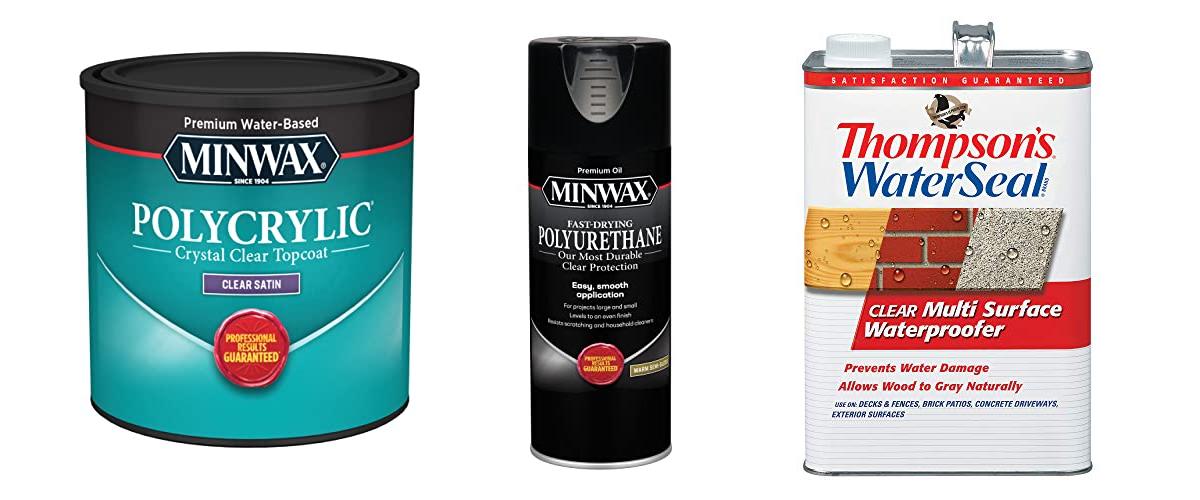
1. Minwax 233334444 Polycrylic Protective Wood Finish

Rating: 8.6/10
The Minwax 233334444 Polycrylic Protective Wood Finish in Clear Satin is a fantastic choice for anyone looking to protect and beautify their indoor wood projects. This ½ pint can holds a powerful formula designed to keep your woodwork, furniture, doors, and cabinets looking their best. It shields surfaces from everyday wear and tear, like scratches and spills, while adding a lovely, subtle sheen.
What We Like:
- It really protects your wood surfaces from scratches, spills, and dirt.
- The finish is crystal clear and looks great over any Minwax stain or on any wood type.
- The satin sheen gives a classic, modern look without yellowing over time.
- It dries super fast, so you can recoat in just 2 hours and finish your projects quicker.
- Clean-up is a breeze with just soap and water because it’s water-based.
- It has a low odor, making it more pleasant to work with.
What Could Be Improved:
- The ½ pint size might be too small for larger projects.
- It’s a water-based finish, so it’s not meant for outdoor use or heavy-duty protection.
This Minwax Polycrylic is a reliable and user-friendly option for bringing out the best in your indoor wood creations. It offers excellent protection and a beautiful finish with minimal fuss.
2. Minwax Fast Drying Polyurethane Spray

Rating: 9.4/10
Looking for a way to protect and beautify your wood projects? The Minwax Fast Drying Polyurethane Spray is a clear, semi-gloss finish that does just that. This spray can is perfect for furniture, cabinets, doors, and even floors. It offers a tough shield against everyday wear and tear.
What We Like:
- It protects wood surfaces from scratches and spills.
- The oil-based finish gives wood a warm, beautiful look.
- The semi-gloss sheen adds a sleek, modern touch.
- It dries fast, so you can apply a second coat sooner.
- Minwax is a trusted brand with a long history of quality.
- The spray is easy to apply and care for.
What Could Be Improved:
- Packaging may vary, which could be a minor surprise.
- It requires a high-quality natural or foam brush for best results.
This Minwax spray is a solid choice for adding durability and style to your wood projects. It makes finishing tasks quicker and easier.
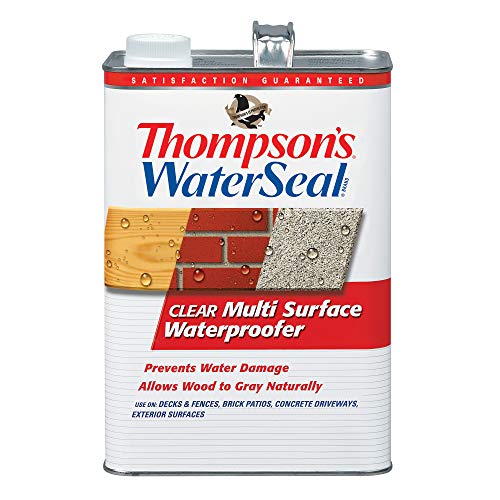
3. Thompson’s WaterSeal Multi-Surface Waterproofer Stain
Rating: 8.5/10
Looking to give your outdoor spaces a fresh, protected look? Thompson’s WaterSeal Multi-Surface Waterproofer Stain in Clear is here to help. This one-gallon container offers a simple way to keep your concrete, brick, and wood looking their best while adding a layer of protection.
What We Like:
- It truly waterproofs concrete, brick, and exterior wood.
- The clear finish lets the natural color of your surfaces shine through, while still hiding the grain.
- It provides protection that lasts, resisting fading and UV damage.
- Applying it is super easy, whether you’re working on a fence or a patio.
- Thompson’s WaterSeal has been protecting outdoor surfaces for a long time, so they know their stuff.
What Could Be Improved:
- While it hides the grain, some might prefer a stain that shows more of the wood’s natural texture.
- The “natural color enhancement” might not be as noticeable on very dark or heavily weathered surfaces.
Thompson’s WaterSeal Multi-Surface Waterproofer Stain offers a straightforward solution for protecting and beautifying your outdoor projects. It’s an excellent choice for anyone wanting durable, good-looking outdoor surfaces.
4. SEAL-ONCE NANO+POLY Penetrating Wood Sealer with Polyurethane – 1 Gallon. Water-based

Rating: 8.8/10
Protecting your outdoor wood surfaces just got easier with SEAL-ONCE NANO+POLY Penetrating Wood Sealer. This 1-gallon container offers a water-based, low-VOC solution that acts as both a waterproofer and a stain. It’s designed for a variety of wood projects, including decks, fences, and even log homes, giving them a fresh look and guarding them against the elements.
What We Like:
- It effectively seals and protects wood from water damage.
- The water-based formula is easier to clean up.
- It’s a low-VOC product, which is better for the environment and your health.
- It doubles as a stain, giving your wood a nice color.
- It works on different outdoor wood structures like decks and fences.
What Could Be Improved:
- Application might require multiple coats for full protection.
- The drying time could be longer in humid conditions.
- The color options might be limited for some preferences.
This sealer offers a practical way to maintain and beautify your wooden outdoor spaces. It provides good protection and a touch of color, making your projects look great and last longer.
5. Tried & True Original Wood Finish

Rating: 9.2/10
Looking for a wood finish that’s both beautiful and safe? The Tried & True Original Wood Finish uses a special mix of linseed oil and beeswax. This blend gives your wood a warm, soft look. It also protects your woodwork from water and everyday wear and tear. It’s a simple way to make your wooden items look their best and last longer.
What We Like:
- This finish is a great mix of linseed oil and beeswax. It makes wood look warm and soft.
- It protects wood from water and daily use.
- It dries quickly without using bad chemicals. You can use it inside without needing special gear.
- The finish lasts a long time. You can fix it later without sanding or stripping.
- It’s safe for things that touch food, like cutting boards and butcher blocks.
- It’s also safe for wooden toys and pet items.
- Applying it is easy. You wipe it on, buff it, and wait.
What Could Be Improved:
- The application instructions, while thorough, might seem a bit involved for absolute beginners.
- The 8 oz. size, while good for small projects, might require multiple purchases for larger woodworking tasks.
This finish offers a natural beauty and reliable protection for all your wood projects. It’s a smart choice for anyone who cares about quality and safety.
Choosing the Best Sealer for Your Stained Wood
You’ve spent time and effort staining your wood project just right. Now, you need to protect that beautiful color and the wood itself. A good sealer does more than just add shine; it shields your wood from water, sun, and everyday wear and tear. This guide will help you pick the perfect sealer so your wood stays looking great for years.
Why Sealing Stained Wood is Important
Stained wood looks amazing, but it’s still wood. Without protection, it can fade, crack, or get damaged by moisture. A sealer acts like a shield. It locks in the stain color and creates a barrier against spills, rain, and UV rays. This keeps your wood looking fresh and prevents it from aging too quickly.
Key Features to Look For
1. Durability
The best sealers last a long time. Look for products that offer strong protection against scratches, fading, and water damage. This means you won’t have to reapply the sealer too often.
2. UV Protection
Sunlight can fade wood stain. Sealers with UV blockers are essential, especially for outdoor projects like decks, fences, or patio furniture. They help keep your wood’s color vibrant.
3. Water Resistance
Wood and water don’t always mix well. A good sealer repels water, preventing stains, rot, and warping. This is crucial for anything exposed to the elements or spills.
4. Finish Type
Sealants come in different finishes, from matte to high gloss. A matte finish offers a natural look. A satin finish provides a slight sheen. A gloss finish gives a shiny, reflective look. Choose the finish that matches your desired aesthetic.
5. Ease of Application
Some sealers are easy to brush or spray on. Others might be trickier. If you’re new to DIY projects, opt for a sealer that’s simple to apply and dries quickly.
Important Materials to Consider
1. Oil-Based Sealers
These sealers often penetrate wood deeply. They offer excellent protection and durability. Oil-based sealers usually have a warmer tone and a slight ambering effect on the wood. They can be a bit harder to clean up, often requiring mineral spirits.
2. Water-Based Sealers
Water-based sealers are popular because they dry faster and are easier to clean with soap and water. They tend to be more clear and won’t yellow over time as much as some oil-based options. They are a great choice for indoor projects or when you want to maintain the true color of your stain.
3. Polyurethane
Polyurethane is a very common and effective sealer. It forms a hard, protective layer. It comes in both oil-based and water-based formulas, offering different levels of durability and drying times. It’s great for high-traffic areas.
4. Varnish
Varnish is another strong option. It’s known for its toughness and resistance to water and abrasion. Like polyurethane, it provides a durable protective coating.
Factors That Improve or Reduce Quality
Things That Make a Sealer Better:
- High-quality ingredients: Products made with better resins and additives tend to perform better and last longer.
- UV inhibitors: These are vital for outdoor use.
- Good reviews: See what other users say about a sealer’s performance and longevity.
- Proper preparation: Cleaning and sanding the wood before sealing ensures the sealer adheres well.
Things That Can Make a Sealer Worse:
- Low-quality ingredients: Cheap sealers might not offer enough protection and could fail quickly.
- Incorrect application: Applying too thick, too thin, or in the wrong temperature can lead to a poor finish.
- Not enough coats: One coat might not be enough for adequate protection.
- Using the wrong type for the job: An indoor sealer won’t hold up well outdoors.
User Experience and Use Cases
Indoor Projects:
For furniture, cabinets, or trim inside your home, a water-based polyurethane or a clear acrylic sealer works well. They dry fast, have low odor, and provide good protection against spills and wear. They also tend to keep the original stain color very true.
Outdoor Projects:
Decks, fences, outdoor tables, and chairs need tough protection. Look for oil-based sealers or exterior-grade water-based sealers with strong UV blockers and excellent water resistance. These can also add a nice sheen and help prevent mildew.
High-Traffic Areas:
Floors, tabletops, and stair railings get a lot of use. A durable polyurethane or varnish is ideal here. They form a hard shell that resists scratches and scuffs. Multiple coats are usually recommended for these areas.
Choosing the right sealer protects your beautiful stained wood and makes it last longer. Consider where your project will be and how much wear it will get. With the right choice, your wood will look stunning for years to come.
Frequently Asked Questions (FAQ)
Q: Do I need to seal stained wood?
A: Yes, sealing stained wood is important. It protects the stain color and the wood from damage like water, sun, and scratches.
Q: What is the difference between a stain and a sealer?
A: Stain adds color to the wood. Sealer protects the wood and the stain. You apply the sealer after the stain has dried.
Q: Can I use any sealer on stained wood?
A: It’s best to use a sealer made for wood. Some sealers are better for indoor use, while others are designed for outdoor use. Always check the product label.
Q: How many coats of sealer should I apply?
A: Most projects need at least two coats. High-traffic areas or outdoor items might need three or more coats for extra protection.
Q: How long does it take for a sealer to dry?
A: Drying times vary. Water-based sealers usually dry faster, often in 1-2 hours. Oil-based sealers can take longer, sometimes 4-6 hours or more.
Q: Can I put a sealer over an old sealant?
A: Sometimes, yes. You usually need to clean and lightly sand the old sealant first. Check the instructions on the new sealer product.
Q: Will a sealer change the color of my stain?
A: Some sealers can slightly alter the color. Oil-based sealers often add a bit of warmth or amber tone. Water-based sealers tend to be clearer.
Q: What’s the best sealer for outdoor furniture?
A: Look for an exterior-grade sealer with good UV protection and water resistance. Many polyurethane or acrylic-based exterior sealers work well.
Q: How do I clean up sealer?
A: Water-based sealers clean up with soap and water. Oil-based sealers usually need mineral spirits or a paint thinner for cleanup.
Q: When should I reapply sealer?
A: This depends on the product and how much wear the wood gets. For outdoor items, you might need to reapply every 1-3 years. For indoor items, it could be much longer.
In conclusion, every product has unique features and benefits. We hope this review helps you decide if it meets your needs. An informed choice ensures the best experience.
If you have any questions or feedback, please share them in the comments. Your input helps everyone. Thank you for reading.