
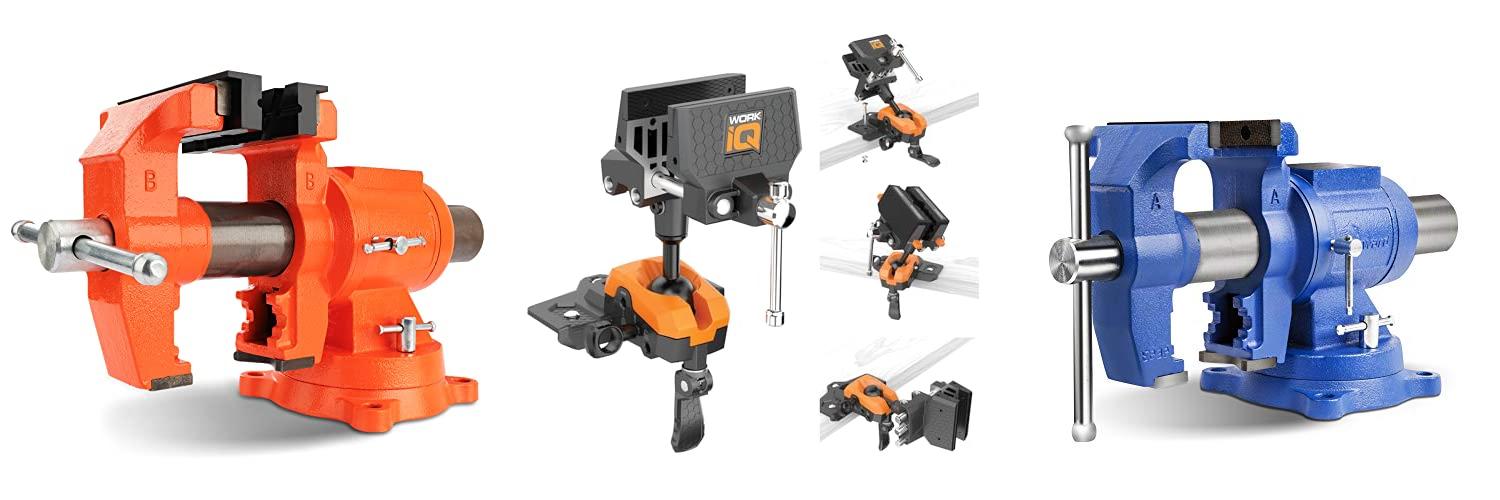
Ever tried to hold something steady while you work, only to have it wobble and slip? It’s frustrating, right? That’s where a good bench vise comes in. It’s like having an extra, super-strong hand that holds your project tight so you can focus on what you’re doing.
But here’s the thing: picking the perfect bench vise can feel like a puzzle. There are so many types, and it’s easy to get confused. You want one that’s strong and reliable, not one that breaks or lets your work slide. Spending your hard-earned money on the wrong tool is a real pain.
This guide is here to help. We’ll break down what makes a bench vise truly “quality” and explain the things you need to look for. By the end, you’ll know exactly what to consider, helping you find a vise that will be a helpful partner in your workshop for years to come.
Our Top 5 Quality Bench Vise Recommendations at a Glance
| Image | Product | Rating | Links |
|---|---|---|---|
 |
PONY Heavy Duty Bench Vise | 9.1/10 | Check Price |
 |
IQ Vise | 9.4/10 | Check Price |
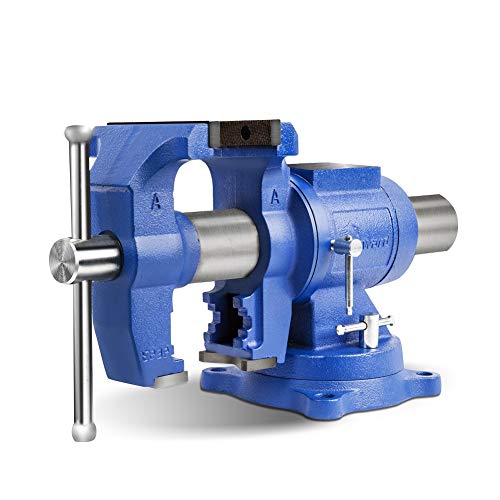 |
Forward HY-DT150B-6IN Heavy Duty Bench Vise 360-Degree Swivel Base and Head with Anvil (6″) | 8.8/10 | Check Price |
 |
VEVOR Bench Vise | 8.7/10 | Check Price |
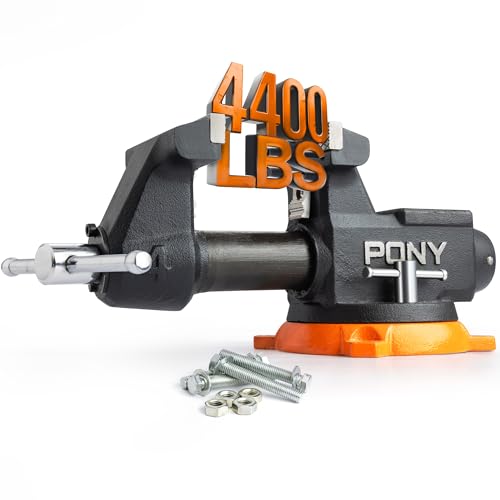 |
PONY 4 Inch Heavy Duty Bench Vise 4400LBS Clamping Force | 9.3/10 | Check Price |
Top 5 Quality Bench Vise Detailed Reviews
1. PONY Heavy Duty Bench Vise
Rating: 9.2/10
The PONY Heavy Duty Bench Vise is a robust tool designed to help you tackle a wide range of projects. With its 5-inch jaw width and a generous 5-inch opening, it securely grips your workpieces. The 360-degree swivel base lets you position your project exactly where you need it, and the built-in anvil is perfect for hammering or shaping metal. This vise is built tough for woodworking, pipe work, and general DIY tasks, and it even comes with protective jaw pads.
What We Like:
- The heavy-duty ductile cast iron construction makes it super strong.
- You can rotate the base and front jaw a full 360 degrees, making it easy to work from any angle.
- It has a powerful clamping force of up to 5512 lbs, so your work stays put.
- The vise includes hardened steel jaw faces that you can replace, and permanent pipe jaws for holding pipes securely.
- It has a handy anvil for hammering and forming.
- The included vise jaw pads protect your workpiece from damage.
- The cold-formed steel beams protect the screws and add extra strength.
What Could Be Improved:
- The throat depth is 2-5/8 inches, which might limit the size of some larger projects.
- While it’s heavy-duty, the anvil work surface size is relatively small at just over 3 inches long.
Overall, this PONY bench vise is a reliable and versatile tool for any workshop. Its strong build and flexible design make it a great addition for serious DIYers and woodworkers.
2. IQ Vise
Rating: 9.0/10
The IQ Vise is a seriously versatile tool for any workshop. It’s built tough with steel and aluminum. This vise can move in any direction, making it easy to work on all sorts of projects. It’s strong enough for tough jobs and gentle enough for delicate ones.
What We Like:
- It’s made from strong steel and lightweight cast aluminum. This makes it last a long time and easy to move.
- The vise can turn and tilt all the way around. You can lock it in any position you need.
- It can handle a lot of pressure, up to 130ft-lbs of torque. This means it stays steady even during hard work.
- The jaws have two sides. One side grips wood and flat things well, and the other side holds pipes and odd shapes securely.
- You can add other tools like a work light or phone holder to it.
- It works great as a vise for wood, pipes, and even bows.
What Could Be Improved:
- While it’s very versatile, some users might find the initial setup or understanding of all its features takes a little time.
- The price point might be a bit high for hobbyists who only do occasional light work.
The IQ Vise is an excellent choice for anyone who needs a flexible and robust vise. It truly adapts to many different tasks.
3. Forward HY-DT150B-6IN Heavy Duty Bench Vise 360-Degree Swivel Base and Head with Anvil (6″)
Rating: 9.0/10
The Forward HY-DT150B-6IN Heavy Duty Bench Vise is a tough tool for your workshop. It’s built to hold your projects steady while you work. This vise can handle big jobs and small ones, making it a great helper for anyone who likes to build, fix, or create.
What We Like:
- It has wide jaws, 6 inches across, so it can grip larger pieces.
- The jaw opening is 5 inches, giving you plenty of room.
- It’s made from strong cast iron and ductile iron, making it very sturdy.
- It comes with three sets of jaws for different kinds of gripping.
- You can turn the head and base all the way around (360 degrees) to work from any angle.
- It has a strong clamping force of over 6500 lbs to keep things from moving.
- There’s a flat anvil on top for hammering or shaping metal.
- It’s good for both serious work and DIY projects at home.
What Could Be Improved:
- At 42 lbs, it’s a heavy tool, so you’ll need a sturdy workbench.
- The specific PSI of the ductile iron (60,000) might be hard for some to understand.
This vise offers great strength and flexibility for a variety of tasks. It’s a solid investment for anyone needing a reliable workholding solution.
4. VEVOR Bench Vise
Rating: 8.9/10
Tackle your DIY projects with confidence using the VEVOR Bench Vise. This heavy-duty vise is built tough from cast iron and features a rust-proof powder coating. Its adjustable swivel base lets you position your workpiece exactly where you need it, and the integrated anvil adds extra utility. Whether you’re drilling, cutting pipes, or sharpening tools, this vise will hold your materials securely.
What We Like:
- Built with sturdy cast iron, this vise is made to last.
- The powder coating protects it from rust.
- Replaceable serrated jaw plates made of carbon steel offer a super strong grip.
- It has a large anvil area for hammering or shaping metal.
- The 240-degree swivel base lets you turn the vise in many directions.
- It can hold both flat items and pipes or tubes.
- The kit comes with all the nuts, screws, and a manual you need for easy setup.
- It creates a strong clamping force to keep your work steady.
What Could Be Improved:
- The jaw opening of 3.3 inches might be a bit small for very large projects.
- While durable, the cast iron construction makes it quite heavy.
This VEVOR bench vise is a solid tool for any workshop, offering great versatility and a secure hold. It’s a reliable partner for a wide range of tasks.
5. PONY 4 Inch Heavy Duty Bench Vise 4400LBS Clamping Force
Rating: 9.1/10
The PONY 4 Inch Heavy Duty Bench Vise is a powerful tool for any workshop. It offers serious clamping power for tough jobs. You can easily work on wood or metal projects with this vise. It’s built to last and makes your work much easier.
What We Like:
- It provides a massive 4400 lbs of clamping force, making it great for heavy-duty tasks like woodworking and metalworking.
- The 360-degree rotatable base lets you easily change the angle of your workpiece, saving space and making complex jobs simpler.
- Its dustproof design and smooth sliding mechanism help it last longer.
- The vise is constructed from strong ductile iron, which means it’s tough, flexible, and won’t rust easily.
- It includes special jaws for holding pipes and a built-in anvil for hammering and shaping metal.
- Everything you need for setup, including bolts and nuts, is in the package.
What Could Be Improved:
- While the vise is heavy-duty, the jaw opening is limited to 4 inches, which might not be enough for very large projects.
- The included instructions for setup could be clearer for beginners.
This vise is a solid investment for anyone who needs a reliable and versatile tool for their workshop. It will help you tackle a wide range of projects with confidence.
The Ultimate Buying Guide: Choosing a Quality Bench Vise
A bench vise is a super helpful tool for anyone who likes to build, fix, or create things. It holds your workpieces firmly in place so you can work on them safely and accurately. Picking the right bench vise makes a big difference. This guide will help you find a quality one.
Key Features to Look For
When you look for a bench vise, some features are really important.
- Jaw Width: This tells you how wide the vise can open. Bigger is usually better if you work with larger items.
- Jaw Depth: This is how far down the jaws go from the top. Deeper jaws can hold things more securely.
- Throat Depth: This is the distance from the front of the vise to the center of the jaw. It affects how far you can get your work into the vise.
- Jaw Type: Some vises have smooth jaws, while others have serrated jaws. Serrated jaws grip better but can damage soft materials. Look for vises with replaceable jaws too.
- Swivel Base: A swivel base lets you turn the vise. This is handy for working on items from different angles. Look for a vise that locks securely in place.
- Anvil: Some vises have a flat metal surface on the back. You can use this anvil to hammer or shape metal.
- Handle Length: A longer handle gives you more leverage, making it easier to tighten the vise.
Important Materials
The material a bench vise is made from affects its strength and how long it lasts.
Cast Iron
Most good bench vises use cast iron. It’s strong and heavy. This weight helps keep the vise stable on your workbench. It can handle a lot of force.
Steel
Some parts, like the screw and handle, might be made of steel. Steel is very strong. It needs to be tough to handle the tightening and loosening.
Factors That Improve or Reduce Quality
Not all vises are made the same. Here’s what makes a vise great or not so great.
What Makes a Vise Better
- Solid Construction: When a vise feels heavy and doesn’t wobble, it’s usually a good sign.
- Smooth Operation: The handle should turn easily without sticking. The jaws should open and close smoothly.
- Precise Fit: The jaws should line up perfectly when closed. There shouldn’t be any play or looseness.
- Durable Coatings: A good coating protects the vise from rust and keeps it looking nice.
What Makes a Vise Lower Quality
- Lightweight Design: A vise that feels light might not be strong enough.
- Rough Edges: Sharp or rough edges can be a sign of poor manufacturing.
- Stiff Operation: If the handle is hard to turn, it can be frustrating to use.
- Wobbly Parts: Any looseness in the jaws or handle means the vise won’t hold things as well.
User Experience and Use Cases
How you use a bench vise matters. A good vise makes your work easier and safer.
Who Needs a Bench Vise and What They Use It For
- Woodworkers: They hold wood pieces steady for cutting, sanding, or gluing.
- Metalworkers: They grip metal for filing, sawing, or drilling.
- Hobbyists: People building models, fixing electronics, or working on crafts use vises to hold small parts.
- Mechanics: They use vises to hold engine parts or other car components for repair.
A quality bench vise is an investment. It helps you do your best work. Look for strong materials, good features, and smooth operation. This will ensure your vise serves you well for years.
Frequently Asked Questions (FAQ)
Q: What is the most important feature of a bench vise?
A: The most important feature is usually the jaw width, as it determines what size items you can hold.
Q: Can I use a vise for delicate work?
A: Yes, but you might want to use soft jaw covers to protect delicate materials from damage.
Q: Do I need a vise with a swivel base?
A: A swivel base is very helpful if you need to work on items from different angles, but it’s not essential for everyone.
Q: How do I clean and maintain my bench vise?
A: You can wipe it down with a cloth and apply a light coat of oil to prevent rust. Keep the screw threads clean.
Q: What’s the difference between a bench vise and a pipe vise?
A: A bench vise grips flat or irregularly shaped objects, while a pipe vise is specifically designed to hold round pipes.
Q: Is a heavier vise always better?
A: Generally, heavier vises are more stable and can handle more force, which is usually better for quality.
Q: How do I mount a bench vise?
A: You typically mount a bench vise to the edge of a sturdy workbench using bolts.
Q: What does “jaw opening” mean?
A: Jaw opening is the maximum distance the jaws can spread apart to hold an object.
Q: Can I use a vise outdoors?
A: While you can use it outdoors, it’s best to store it indoors to prevent rust and damage from the weather.
Q: How much should I expect to spend on a quality bench vise?
A: The price can vary greatly, but a good quality bench vise typically starts around $75-$100 and can go up from there.
In conclusion, every product has unique features and benefits. We hope this review helps you decide if it meets your needs. An informed choice ensures the best experience.
If you have any questions or feedback, please share them in the comments. Your input helps everyone. Thank you for reading.