
Yes, you can drill a hole in porcelain tile, but it requires specific tools and techniques to avoid chipping or shattering the tile. Drilling porcelain tile is a common DIY task for installing fixtures, shelves, or plumbing. This guide will walk you through the process step-by-step, ensuring you achieve a clean and safe result.
Porcelain tile is exceptionally hard and dense, making it more challenging to drill than ceramic tile. Without the right approach, you risk significant damage. This comprehensive guide will equip you with the knowledge and safety precautions needed to successfully drill into porcelain tile, whether you’re a seasoned DIYer or a beginner. We’ll cover everything from selecting the correct drill bit to employing the best drilling methods.
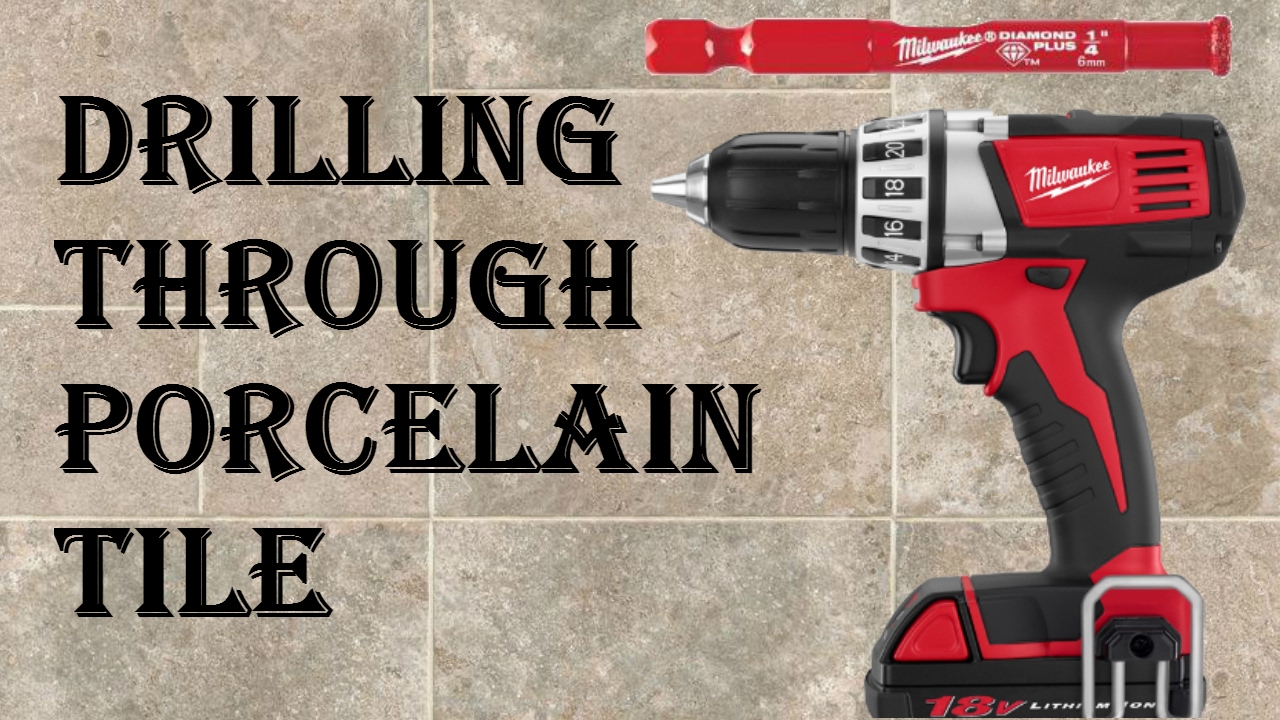
Image Source: i.ytimg.com
Essential Tools for Drilling Porcelain Tile
Before you begin, gather all the necessary tools. Having everything at the ready will make the process smoother and safer.
The Right Drill Bit: Your Most Crucial Choice
The type of drill bit you use is paramount when working with porcelain. A standard wood or metal bit will simply not cut it.
- Diamond Drill Bit: For porcelain, a diamond drill bit is the absolute best choice. These bits have a special coating of industrial diamonds on their cutting edge. Diamonds are the hardest known material, allowing them to grind through very hard surfaces like porcelain, glass, and stone. They create a clean cut with minimal effort. You’ll typically find these sold as glass and tile bits or specifically as diamond-tipped bits.
- Tile Drill Bit (Carbide Tipped): While not as effective as diamond bits for porcelain, high-quality carbide-tipped tile drill bits can sometimes be used for smaller holes or thinner porcelain tiles. However, they wear down much faster and have a higher risk of cracking the tile. If you’re drilling multiple holes or larger diameter holes, a diamond bit is strongly recommended.
- Masonry Drill Bit: A standard masonry drill bit is designed for brick, concrete, and stone. It will not be effective for porcelain tile. Its hardened steel tip is not hard enough to penetrate the dense porcelain without excessive force and likely breakage.
What About Hole Saws for Tile?
When you need a larger diameter hole, a hole saw for tile is the appropriate tool. Similar to smaller drill bits, tile hole saws also feature a diamond-coated edge. These are essentially cylindrical saws with diamond abrasive along the rim. They are ideal for creating holes for pipes, larger conduits, or decorative purposes. Ensure the hole saw is specifically designed for tile or glass.
Power Tools
- Drill: A corded or cordless drill with variable speed settings is essential. A hammer drill is generally not recommended for tile as the hammering action can cause the tile to crack. Stick to a standard drill or a hammer drill set to the drill-only function.
- Water Source (for Wet Drilling): This is crucial for cooling and dust control.
- Safety Gear: Always prioritize safety.
Preparing Your Workspace and Tile
Proper preparation is key to a successful and safe drilling experience.
Safety First: Essential Precautions
Always prioritize safety precautions. Drilling hard materials can create dust, shards, and require careful handling.
- Eye Protection: Wear safety glasses or goggles to protect your eyes from flying debris.
- Gloves: Wear sturdy work gloves to protect your hands.
- Dust Mask/Respirator: Silica dust, which can be released when drilling tile, is harmful to inhale. Wear a dust mask or respirator, especially when drilling dry.
- Hearing Protection: While not as loud as some other power tools, prolonged drilling can be noisy. Consider earplugs or earmuffs.
- Secure the Tile: If you are drilling a loose tile, ensure it is firmly secured to a stable surface to prevent it from moving during drilling. Clamps are ideal for this.
Marking the Drilling Spot
Precision is important, especially when drilling into an installed tile.
- Use a Pencil or Marker: Mark the exact center of the hole you want to drill.
- Consider a Template: For multiple holes or critical placements, creating a paper template can be very helpful.
Scoring the Tile (Optional but Recommended)
Scoring tile before drilling can help prevent the drill bit from wandering and creating a larger, unwanted chip on the surface.
- How to Score: Use a sharp utility knife or a glass cutter. Gently score a circle around your marked drilling spot. This creates a shallow groove that can guide the drill bit’s initial engagement. Be gentle; you’re not trying to cut through the tile, just create a surface guide.
Drilling Techniques for Porcelain Tile
There are two primary methods for drilling porcelain: dry drilling and wet drilling. Wet drilling is generally preferred for porcelain due to its benefits.
Method 1: Wet Drilling (Recommended)
Wet drilling involves using a water source to keep the drill bit and the tile cool during the drilling process. This is the superior method for porcelain because:
- Reduces Heat: Porcelain generates a lot of heat when drilled. Water acts as a coolant, preventing the drill bit from overheating and dulling prematurely. It also stops the tile from getting too hot, which can cause it to crack.
- Controls Dust: Water suppresses the silica dust generated during drilling, making the process safer and cleaner.
- Lubricates: Water acts as a lubricant, allowing the drill bit to cut more smoothly and efficiently.
Steps for Wet Drilling:
- Create a Water Dam (Optional but Helpful): For vertical surfaces like walls, you can create a small dam around the drilling area using plumber’s putty or Blu-Tack. This will help contain the water.
- Apply Water: Continuously apply water to the drilling area. This can be done manually with a sponge or spray bottle, or you can use a dedicated water supply system if available. For wall tiles, a helper can assist with a steady stream of water.
- Set Your Drill Speed: A slow to medium drill speed is crucial. High speeds generate more heat and increase the risk of cracking. Start slow and adjust as needed.
- Start Drilling: Position the tip of the diamond drill bit on your marked spot.
- Gentle Pressure: Apply consistent, gentle pressure. Let the diamond bit do the work. Forcing the drill will only increase the chance of breakage.
- Keep it Cool: Ensure the water flow is consistent. If the water starts to evaporate, add more.
- Clear Debris: Periodically lift the drill bit from the hole while it’s still spinning to allow water to flush out debris and cool the bit.
- Drilling Through: As you approach the other side of the tile, reduce pressure significantly to prevent the tile from chipping or breaking as the bit breaks through.
Method 2: Dry Drilling (Use with Caution)
Dry drilling is possible but carries a higher risk of overheating and cracking, especially for porcelain. If you must dry drill, follow these guidelines strictly:
- Use Diamond Bits Exclusively: Never attempt to dry drill porcelain with anything other than a high-quality diamond-tipped bit or a tile hole saw.
- Intermittent Drilling: Drill for short bursts (10-15 seconds) and then remove the drill bit completely to allow it to cool. Do not let the bit linger in the hole.
- Cooling the Bit: Dip the drill bit in cool water between drilling intervals.
- Slow Drill Speed: Maintain a slow drill speed.
- Featherlight Pressure: Apply only the gentlest pressure.
- Dust Control: This method generates a lot of fine dust. Ensure you are wearing adequate respiratory protection.
The Drilling Process: Step-by-Step
Let’s break down the actual drilling action.
Step 1: Secure Your Materials
- Loose Tile: If you are drilling a loose tile, place it on a piece of scrap wood or a stable workbench. Clamp it down securely.
- Installed Tile: If the tile is already installed, ensure the wall or floor behind it is stable. You don’t want any flex.
Step 2: Mark Your Spot
Use a pencil or marker to clearly mark the center of where you want the hole.
Step 3: Create a Pilot Hole (Optional for Small Holes)
For smaller diameter holes, sometimes creating a small pilot hole can help.
- How: You can use a smaller diameter diamond drill bit to create a small guide hole first. This can help center the larger bit if you are concerned about it wandering. Alternatively, you can use a regular carbide masonry drill bit to create a very shallow starting dimple, but this is less effective than a diamond pilot hole.
Step 4: Begin Drilling
- Set Drill Speed: Choose a slow to medium speed on your drill.
- Position the Bit: Place the tip of your chosen drill bit (diamond or diamond hole saw) precisely on the mark.
- Start Slow: Begin drilling at a very slow speed.
- Apply Pressure: Once the bit is biting into the tile, gradually increase pressure slightly, but always keep it gentle and consistent.
- Maintain Coolness: Ensure you are using water for wet drilling or cooling the bit frequently for dry drilling.
Step 5: Managing Heat and Debris
- Lift and Clear: Periodically lift the drill bit out of the hole while it’s spinning. This helps clear out any dust or slurry and allows the bit to cool.
- Water Flow: Ensure a constant water flow if wet drilling. If the water boils away, you aren’t using enough or your drill speed is too high.
Step 6: Approaching the End
- Reduce Pressure: As you feel the drill bit starting to break through the other side of the tile, significantly reduce the pressure. This is the most critical stage for preventing chipping.
- Let the Bit Work: Allow the bit to cut through the remaining material with minimal force.
Step 7: Finishing the Hole
Once the hole is complete, slowly withdraw the drill bit while it’s still spinning. This helps to clean up the edges of the hole.
Troubleshooting Common Issues
Even with careful preparation, you might encounter a few snags.
Chipped Edges
- Cause: Too much pressure, high drill speed, or not reducing pressure as you break through.
- Solution: Start over with a new tile, ensuring you use a diamond drill bit, slow speed, gentle pressure, and reduced pressure at breakthrough. Sometimes, a small chip is unavoidable, and a bead of caulk or grout can hide it.
Overheated Drill Bit
- Cause: Drilling too fast, not enough cooling (water or air), or drilling for too long without breaks.
- Solution: Allow the bit to cool completely. If it’s a diamond bit, dip it in water. If it’s a carbide bit, it may be damaged and need replacement.
Bit Wandering
- Cause: Starting the drill too fast, no pilot hole, or lack of a surface guide.
- Solution: Use a template, score the tile, or create a small pilot hole with a smaller diamond bit before using the main bit.
Factors Affecting Drill Speed
The optimal drill speed isn’t a single number; it depends on several factors:
- Drill Bit Size: Larger bits require slower speeds.
- Tile Thickness and Hardness: Thicker and harder porcelain needs slower speeds.
- Drill Power: More powerful drills may require slightly slower speeds to maintain control.
- Cooling Method: Wet drilling generally allows for slightly faster speeds than dry drilling, but slow speeds are always safest.
As a general guideline, start at the lowest speed setting on your drill and gradually increase only if the bit feels like it’s not cutting effectively, but always prioritize keeping the bit cool and the pressure light.
Frequently Asked Questions (FAQ)
Here are answers to some common questions about drilling porcelain tile.
Can I use a hammer drill to drill porcelain tile?
No, it’s best to avoid the hammer setting. The percussive action can easily crack the tile. Use a standard drill or a hammer drill set to the regular drill-only function.
What is the best way to drill a large hole in porcelain tile?
For large holes, use a hole saw for tile that has a diamond-coated edge. Ensure you use wet drilling techniques and slow speeds.
How deep do I need to drill?
Drill only as deep as necessary for your application (e.g., to anchor a screw or pass a pipe). Going deeper than required increases the risk of cracking.
What if I crack the tile?
If a tile cracks, you will need to replace it. It’s often best to learn from the mistake and try again on a new tile, focusing on the techniques discussed in this guide.
How do I keep the water from making a mess?
When drilling installed tiles, use plumber’s putty or Blu-Tack to create a small dam around the drilling area. For floors, you can also use a sponge to absorb excess water.
Conclusion
Drilling a hole in porcelain tile is achievable with the right tools and a careful approach. By utilizing a diamond drill bit, employing wet drilling techniques, maintaining a slow drill speed, and adhering to crucial safety precautions, you can successfully create clean, precise holes without damaging your beautiful porcelain. Remember that patience and gentle pressure are your best allies in this task. With practice, you’ll become confident in tackling this and other tile-related projects.