
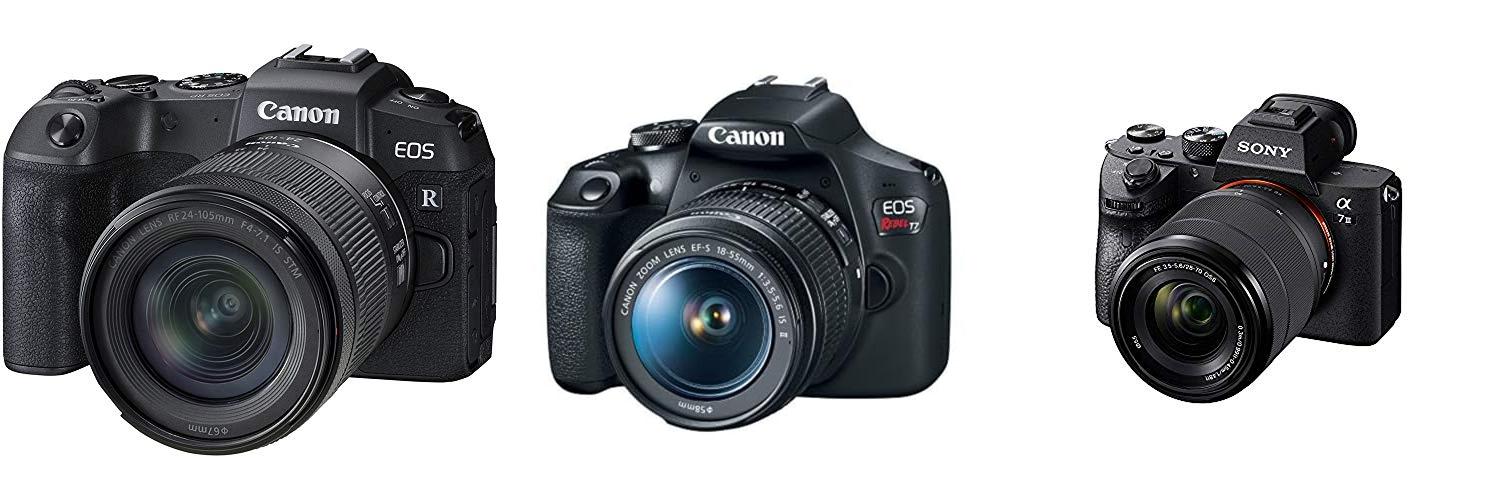
Imagine capturing a photograph so breathtaking, it feels like you can step right into the scene. That’s the magic a full-frame DSLR camera can unlock. But when you start looking, the sheer number of choices can feel overwhelming, leaving you wondering where to even begin. It’s tough to know which one is truly worth your hard-earned money and will help you tell your stories with stunning clarity.
This post is your compass through the world of DSLR full-frame cameras. We’ll break down what makes them special and help you understand what features really matter for your photography. By the time you finish reading, you’ll feel much more confident about picking the perfect camera to bring your creative visions to life.
Our Top 5 Dslr Full Frame Camera Recommendations at a Glance
Top 5 Dslr Full Frame Camera Detailed Reviews
1. Canon EOS RP Full-Frame Mirrorless Interchangeable Lens Camera + RF24-105mm Lens F4-7.1 is STM Lens Kit- Compact and Lightweight for Traveling and Vlogging

Rating: 8.9/10
The Canon EOS RP Full-Frame Mirrorless Camera Kit with the RF24-105mm F4-7.1 IS STM Lens is a fantastic option for anyone who loves to travel or create videos. It’s small and light, making it easy to carry around. You get a really good lens that can zoom in and out, perfect for different kinds of shots. It also helps you take clear pictures even when you’re moving, thanks to its image stabilization. Plus, you can even use it as a super high-quality webcam for your computer!
What We Like:
- It’s very compact and lightweight, making it ideal for taking on trips.
- The included RF24-105mm lens offers a versatile zoom range for many different photo situations.
- Optical Image Stabilization helps reduce blur from shaky hands, leading to sharper photos and smoother videos.
- You can get really close to your subject with the macro focusing options.
- It doubles as a high-quality webcam for your computer, perfect for streaming or video calls.
- You can record videos in sharp 4K resolution.
What Could Be Improved:
- The lens aperture (F4-7.1) isn’t the fastest, which might make it harder to shoot in very low light without adjusting settings.
- The autofocus speed might not be as quick as some higher-end cameras for fast-moving subjects.
- The battery life could be longer for extended shooting sessions.
This Canon EOS RP kit is an excellent choice for creators on the go who want great image and video quality without the bulk. It’s a versatile and user-friendly camera system that opens up many creative possibilities.
2. Canon EOS Rebel T7 DSLR Camera with 18-55mm Lens

Rating: 8.8/10
The Canon EOS Rebel T7 DSLR Camera is a fantastic choice for anyone wanting to take their photography to the next level. It comes with an 18-55mm lens, so you can start shooting right away. This camera makes it super easy to capture amazing photos with its 24.1 MP CMOS sensor. Plus, you can share your pictures instantly thanks to built-in Wi-Fi. It also records awesome Full HD videos, letting you tell stories with moving images.
What We Like:
- The 24.1 Megapixel CMOS sensor captures sharp and detailed pictures.
- Built-in Wi-Fi and NFC make sharing photos a breeze.
- The 9-Point AF system with AI Servo AF helps you get clear shots, even of moving subjects.
- You can use it as a high-quality webcam with the EOS Utility Webcam Beta Software.
- It’s a great camera for beginners and hobbyists.
What Could Be Improved:
- The optical viewfinder only shows about 95% of the actual image.
- The ISO range, while good, might not be enough for extreme low-light situations without some noise.
- It only accepts Canon EF lenses, not EF-M lenses.
The Canon EOS Rebel T7 is a solid camera that offers great value. It’s a perfect starting point for aspiring photographers and videographers.
3. Sony a7 III (ILCEM3K/B) Full-frame Mirrorless Interchangeable-Lens Camera with 28-70mm Lens with 3-Inch LCD

Rating: 8.9/10
Get ready to capture amazing photos and videos with the Sony a7 III (ILCEM3K/B) Full-frame Mirrorless Camera. This camera comes with a versatile 28-70mm lens, making it a fantastic all-around choice for photographers. Its black finish looks sleek and professional. The 3-inch LCD screen helps you see your shots clearly.
What We Like:
- The 24.2MP back-illuminated full-frame sensor captures stunning detail and excellent low-light performance.
- It offers a wide dynamic range, so your photos will have rich colors and great contrast.
- You can shoot up to 10 photos per second, and it has a silent shooting option for discreet moments.
- The autofocus system is super fast and covers almost the entire screen, so you won’t miss a moment.
- The included 28-70mm lens is a great starting point for many types of photography.
What Could Be Improved:
- While great, the 28-70mm lens might be a bit limited for extreme close-ups or very distant subjects.
- The menu system can sometimes be a bit complex to navigate for beginners.
Overall, the Sony a7 III is a powerful and versatile camera that delivers exceptional image quality. It’s an excellent investment for anyone looking to step up their photography game.
4. Sony Alpha 7 IV Full-frame Mirrorless Interchangeable Lens Camera with 28-70mm Zoom Lens Kit

Rating: 8.6/10
The Sony Alpha 7 IV is a fantastic camera for anyone who wants to take amazing photos and videos. It’s a full-frame mirrorless camera, which means it can capture a lot of detail. This kit comes with a versatile 28-70mm zoom lens, making it ready for many different shooting situations right out of the box. Whether you’re a beginner or a seasoned pro, this camera offers powerful features in an easy-to-use package.
What We Like:
- The 33MP full-frame sensor captures incredibly sharp and detailed images.
- The BIONZ XR processor makes everything faster and smoother, from shooting to editing.
- You can shoot amazing 4K video at up to 60 frames per second with rich colors.
- The 7K oversampling for 4K 30p video means super clear and detailed footage.
- S-Cinetone makes your videos look professional and cinematic with little effort.
- The included 28-70mm lens is great for everyday shots and travel.
What Could Be Improved:
- The menu system can still be a little complex for absolute beginners.
- While good, the included 28-70mm lens isn’t the sharpest option for extreme detail.
The Sony Alpha 7 IV is a powerhouse for both photography and videography. It delivers stunning image quality and impressive video capabilities, making it an excellent investment for creators.
5. Canon EOS Rebel T7 DSLR Camera

Rating: 9.0/10
Get ready to capture amazing moments with the Canon EOS Rebel T7 DSLR Camera Kit. This camera is a fantastic choice for anyone looking to start their photography journey or upgrade from a smartphone. It comes with everything you need, including a versatile lens, a handy shoulder bag, and a large memory card, making it a complete package for beginners.
What We Like:
- The 24.1MP sensor takes bright, clear pictures with lots of detail.
- Built-in Wi-Fi and NFC make it super easy to share your photos instantly.
- You can use lots of different Canon lenses, so you can get creative.
- It’s simple to use, with a clear screen and easy menus.
- The battery lasts a long time, so you can shoot more.
- It’s a great value for the price, especially with the included accessories.
What Could Be Improved:
- The DIGIC 4+ processor is a bit older compared to newer cameras.
- The LCD screen doesn’t tilt or swivel, which can make shooting from tricky angles harder.
This Canon EOS Rebel T7 kit offers a wonderful blend of quality and ease of use. It’s an excellent way to dive into the world of DSLR photography and start creating beautiful memories.
Your Guide to Choosing a Full-Frame DSLR Camera
Are you ready to take your photography to the next level? A full-frame DSLR camera can be your ticket to stunning images. These cameras use a larger sensor, which captures more light and detail. This guide will help you understand what to look for.
1. Key Features to Look For
Sensor Size
The “full-frame” part refers to the sensor size. It’s the same size as a 35mm film frame. This large sensor is a big deal. It lets in more light, which means better pictures in low light and richer colors. You’ll also get a shallower depth of field, making your subject stand out from the background.
Megapixels
Megapixels tell you how many tiny dots make up your image. More megapixels mean you can print bigger pictures or crop your photos without losing quality. For most people, 24 to 36 megapixels is plenty.
Autofocus System
A good autofocus system locks onto your subject quickly and accurately. Look for cameras with many autofocus points. This helps you track moving subjects, like kids or sports action. Some advanced systems can even recognize faces and eyes.
ISO Range
ISO is how sensitive your camera’s sensor is to light. A higher ISO lets you shoot in darker conditions. But, very high ISOs can make your pictures grainy. A good camera has a wide ISO range and handles high ISOs well, keeping noise to a minimum.
Video Capabilities
If you want to shoot videos, check the resolution (like 4K) and frame rates (how smooth the video looks). Some cameras offer advanced video features for filmmakers.
Build Quality and Ergonomics
A good camera feels solid in your hands. It should have buttons and dials that are easy to reach. Weather sealing is a plus if you shoot outdoors in different conditions.
2. Important Materials
Most professional cameras use durable materials. The outer body is often made of magnesium alloy. This makes the camera strong but lightweight. Some parts might be made of high-quality plastic. The lens mounts are usually metal, ensuring a secure connection with your lenses.
3. Factors That Improve or Reduce Quality
Improving Quality
- Lens Quality: A great camera body needs great lenses. Invest in good quality lenses to get the best results.
- Image Processor: This is the “brain” of your camera. A fast and powerful processor helps with speed, noise reduction, and color accuracy.
- Image Stabilization: Some cameras have built-in image stabilization. This helps reduce blur from shaky hands.
Reducing Quality
- Poor Lighting: Even the best camera struggles in very dark or overly bright conditions without proper settings.
- Dirty Sensor or Lens: Dust and smudges on your sensor or lens will show up in your pictures as spots or blurs.
- Incorrect Settings: Using the wrong settings for the situation can lead to out-of-focus shots or poorly exposed images.
4. User Experience and Use Cases
Full-frame DSLRs are fantastic for many types of photography. They excel in:
- Portraits: The shallow depth of field makes your subjects pop.
- Landscapes: The large sensor captures incredible detail and dynamic range.
- Low Light Photography: Think concerts, night sky shots, or indoor events.
- Professional Work: Many professional photographers choose full-frame for its image quality and versatility.
While they offer amazing quality, full-frame cameras can be bigger and heavier than smaller cameras. They also tend to be more expensive. However, for serious photographers who want the best image quality, the investment is often worth it.
Frequently Asked Questions (FAQ)
Q: What is the biggest advantage of a full-frame camera?
A: The biggest advantage is its larger sensor, which captures more light and detail. This leads to better image quality, especially in low light, and more control over depth of field.
Q: Are full-frame cameras good for beginners?
A: While they offer great quality, they can be more complex and expensive. Some beginners might find APS-C cameras a better starting point before moving to full-frame.
Q: Do I need expensive lenses for a full-frame camera?
A: You don’t *need* the most expensive lenses, but good quality lenses will significantly improve your photos. Investing in a few good lenses is better than having many cheap ones.
Q: How do I clean the sensor of my full-frame camera?
A: Sensor cleaning requires care. You can use a rocket blower or a sensor cleaning kit. It’s often best to have it professionally cleaned if you’re unsure.
Q: Can I use lenses from my old crop-sensor camera on a full-frame camera?
A: Yes, but the image will be cropped. This means you won’t use the full sensor, and the effective focal length of the lens will change. It’s like using a smaller sensor.
Q: What is “dynamic range”?
A: Dynamic range is the camera’s ability to capture detail in both the brightest and darkest parts of a scene at the same time. Full-frame cameras generally have a wider dynamic range.
Q: How important is the autofocus system?
A: It’s very important for capturing sharp photos, especially of moving subjects. More autofocus points and better tracking mean fewer missed shots.
Q: Will a full-frame camera make my photos automatically look professional?
A: A full-frame camera provides excellent tools, but skill and practice are still key. Learning about composition, lighting, and camera settings will make the biggest difference.
Q: What is “weather sealing”?
A: Weather sealing means the camera is designed to resist dust and moisture. This is helpful if you shoot in rain or dusty environments.
Q: Where can I find reviews for specific full-frame DSLR models?
A: You can find reviews on photography websites, tech blogs, and video platforms like YouTube. Look for reviewers who test cameras in conditions similar to how you plan to use them.
In conclusion, every product has unique features and benefits. We hope this review helps you decide if it meets your needs. An informed choice ensures the best experience.
If you have any questions or feedback, please share them in the comments. Your input helps everyone. Thank you for reading.