
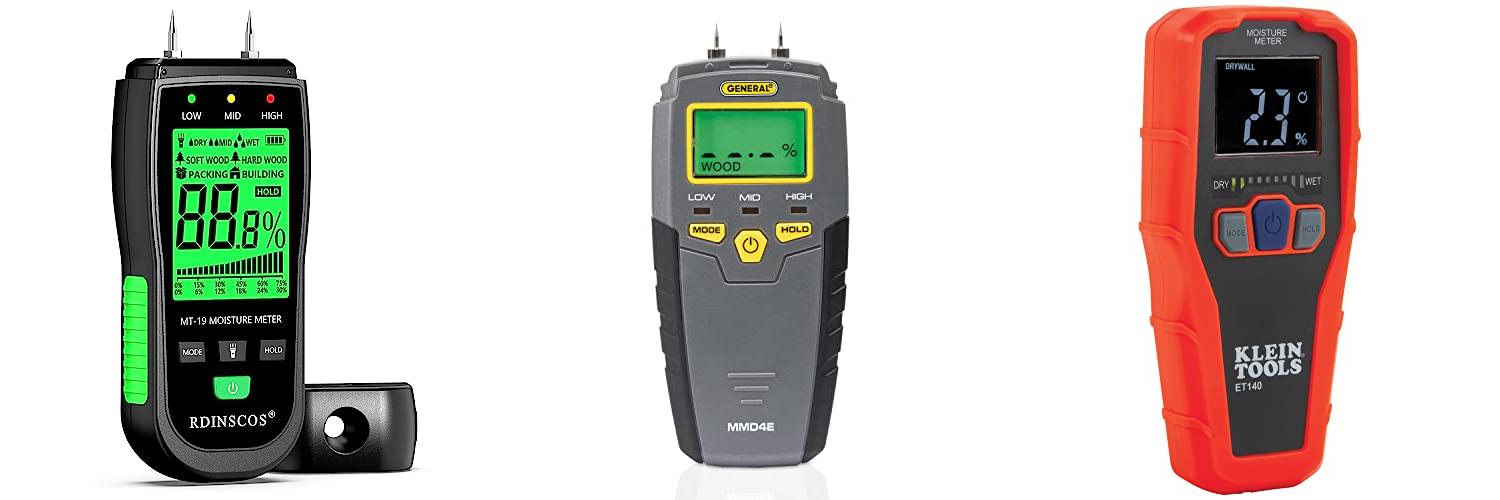
Ever wondered why your beautiful wooden furniture sometimes cracks or your DIY projects don’t turn out as planned? The secret ingredient, or rather, the lack of it, might be moisture. Wood is a living material, and its moisture content plays a huge role in its strength, stability, and how well it works. But how do you actually *know* how much moisture is in your wood?
This is where a moisture meter for wood comes in handy. Choosing the right one, however, can feel like navigating a maze. There are so many types, each with different features and price tags. You might be worried about picking one that’s too complicated, not accurate enough, or just not right for what you need to do. It’s a common frustration for woodworkers, builders, and even homeowners who want to protect their wooden treasures.
Don’t worry! By the end of this post, you’ll understand the different kinds of wood moisture meters available. We’ll break down what makes them tick and help you figure out which one is your perfect match. Get ready to say goodbye to guesswork and hello to perfectly seasoned wood for all your projects.
Our Top 5 Moisture Meter Wood Recommendations at a Glance
| Image | Product | Rating | Links |
|---|---|---|---|
 |
Wood Moisture Meter for Wood | 8.9/10 | Check Price |
 |
General Tools MMD4E Digital Moisture Meter | 8.8/10 | Check Price |
 |
Klein Tools ET140 Pinless Moisture Meter for Non-Destructive Moisture Detection in Drywall | 9.1/10 | Check Price |
 |
Wood Moisture Meter | 9.2/10 | Check Price |
 |
Wood Moisture Meter | 9.2/10 | Check Price |
Top 5 Moisture Meter Wood Detailed Reviews
1. Wood Moisture Meter for Wood
Rating: 8.7/10
Stop guessing and start knowing with the Wood Moisture Meter for Wood, Like Hardwood and Softwood Pin Moisture Tester. This handy tool helps you understand how dry your wood really is, from your firewood pile to your woodworking projects. It’s designed for easy use and quick results.
What We Like:
- It gives you instant and precise readings, going about 12 mm deep into your wood.
- You can lock the current reading with the hold function.
- It offers four different settings for measuring moisture in various wood types, from hardwood to softwood.
- It also provides a relative moisture content reading, which is great for comparing different pieces.
- No more smoky, slow-burning fires! Check your firewood easily before bringing it inside.
- The meter has longer battery life, letting you do up to 500 tests on a single set of AA batteries.
What Could Be Improved:
- If the wood is too dry, it might read 0% because it can’t conduct electricity between the pins.
- For the best readings, you need to push the pins deep into the material and make sure they are touching it fully.
- The pins measure moisture along their entire length, so if the outside is wet but the inside is dry, it might show a higher moisture content than the core.
This moisture meter is a smart investment for anyone working with wood. It takes the guesswork out of wood dryness and helps you achieve better results.
2. General Tools MMD4E Digital Moisture Meter
Rating: 9.3/10
The General Tools MMD4E Digital Moisture Meter is your go-to tool for spotting sneaky dampness and potential mold problems in your home. It’s a handy device that helps you check how much moisture is in wood and drywall, which is super important for preventing bigger issues like black mold. This meter lets you know if an area is still wet or if it has dried out, giving you peace of mind.
What We Like:
- This meter quickly tells you the moisture level. This helps you figure out if you need to do something about dampness.
- It’s great for finding leaks early. You can test water stains to see if the area is still wet.
- The meter has clear alerts. It uses low, medium, and high moisture tones and on-screen icons, so you always know what’s going on.
- The display is easy to read. It has large, bright numbers on a backlit LCD screen.
- It comes with extra pins and a protective cap. The cap also works as a checker for the meter’s accuracy.
- The pin type design lets you get accurate readings by sticking the pins into the surface.
- It works on different materials. It has a good range for wood and building materials like concrete and drywall.
What Could Be Improved:
- The meter needs a 9V battery, which is included, but it’s good to have a spare on hand.
This moisture meter is a smart tool for any homeowner. It helps you catch problems early and keep your home safe and dry.
3. Klein Tools ET140 Pinless Moisture Meter for Non-Destructive Moisture Detection in Drywall
Rating: 9.2/10
Finding hidden moisture in your home can be a real headache. The Klein Tools ET140 Pinless Moisture Meter is designed to help you find those sneaky water leaks and damp spots without causing any damage. This handy tool uses special technology to measure how much moisture is in your walls and floors, so you can fix problems before they get worse.
What We Like:
- It’s a water leak detector that can find moisture from leaks and floods.
- The pinless design means it won’t leave holes in your drywall or wood.
- It measures moisture up to 3/4 of an inch deep, giving you a good look below the surface.
- You can use it on drywall, masonry, hardwood, and softwood.
- The display is easy to read, even in bright light, and shows you the moisture level with nine LED lights.
- It has useful features like a hold button and an auto-power off function to save battery.
- The kit comes with everything you need to get started, including the meter, a battery, and instructions.
What Could Be Improved:
- It only measures relative moisture content, not an exact percentage.
- It’s calibrated only for specific materials, so it won’t work on everything.
If you suspect moisture problems in your house, the Klein Tools ET140 is a valuable tool to have. It helps you find dampness quickly and easily, saving you time and potential damage.
4. Wood Moisture Meter
Rating: 9.1/10
This Wood Moisture Meter, with battery and LCD display, is a handy tool for quickly checking how much water is in many different materials. You can use it on logs, paper, plywood, and even on your walls and floors. It helps you find hidden water problems around your home before they become big issues.
What We Like:
- It gives accurate and fast readings with two sharp pins that go into the surface.
- It has six different scales, making it great for pros like builders and woodworkers to check moisture levels.
- You can easily tell if the moisture is low, medium, or high (from 5% to 60% for wood).
- It’s super versatile and works on many things like hardwood floors, furniture, lumber, and building materials.
- The LCD screen has a backlight that changes color (green, yellow, red) to show moisture levels, and it has useful features like a hold and auto-off function.
- The measuring range is wide, from 2.0%-75.0% for wood and 1.5%-30% for building materials.
- It’s built with durable stainless steel needles and is lightweight and easy to carry.
What Could Be Improved:
- The description doesn’t mention if the pins are replaceable if they get damaged.
- While it says “many types of logs,” it doesn’t specify if it works on all types of wood, especially very dense or treated ones.
This moisture meter is a reliable and easy-to-use device that helps you understand the moisture content of various materials, preventing damage and ensuring quality. It’s a smart investment for homeowners and professionals alike.
5. Wood Moisture Meter
Rating: 8.8/10
The TopTes Digital Moisture Meter TS-630 is a handy tool that helps you find out how much moisture is in wood and building materials. It’s great for checking firewood, drywall, and even spotting leaks in your home.
What We Like:
- The large 2.25-inch LCD screen makes it super easy to read the moisture levels. You can see the results as a bar graph and a percentage.
- The tricolor backlight is a smart feature. Green means dry, orange means a little moist, and red means very wet. This gives you a quick visual cue.
- It has seven different settings for wood and building materials, so it works on a lot of surfaces. The range is from 0.0% to 57%.
- Using it is simple. Just push the pins into the material, and the meter shows you the reading.
- The Date Hold and Max/Min functions let you freeze a reading, which is helpful for keeping track of measurements.
- It automatically turns off after 10 minutes to save battery power.
- It comes with everything you need to get started, including batteries and a carry pouch.
What Could Be Improved:
- While it’s designed not to need calibration, some users might prefer the option to manually calibrate for extremely specific tasks.
This moisture meter is a reliable and user-friendly device. It simplifies checking for dampness and helps you take action quickly.
Choosing the Best Wood Moisture Meter: Your Essential Buying Guide
Wood is a wonderful material. It builds our homes, makes our furniture, and even heats our fireplaces. But wood can hold a lot of water. Too much water can cause problems. It can lead to rot, warping, and even mold. That’s where a wood moisture meter comes in. This handy tool tells you how much moisture is in your wood. It helps you avoid these wood woes.
Why You Need a Wood Moisture Meter
Imagine you’re buying firewood. You want dry wood that burns well. A moisture meter helps you pick the best logs. Or maybe you’re a woodworker. You need to know your wood is dry enough before you start building. This prevents your projects from falling apart later.
Key Features to Look For
- Display Type: Most meters have a digital screen. This shows you the moisture percentage clearly. Some older models have analog needles, but digital is easier to read.
- Measurement Range: Check what percentage of moisture the meter can measure. Most wood needs to be between 6% and 20% moisture. Make sure the meter covers this range.
- Accuracy: Look for meters that are accurate. A good meter will be within 1% or 2% of the actual moisture level.
- Pin Type: Some meters have pins that stick into the wood. These give a very accurate reading. Others are “pinless” and scan the surface. Pin meters are usually more precise.
- Auto Shut-Off: This feature saves battery life. The meter turns off by itself if you don’t use it for a while.
- Hold Function: This lets you “freeze” the reading on the screen. It’s helpful when you’re taking a measurement in a hard-to-reach spot.
Important Materials
The best wood moisture meters are made with good materials. The casing should be strong plastic. This protects the meter from bumps and drops. The pins, if it has them, should be made of sturdy metal. This helps them go into the wood easily and last a long time.
Factors That Improve or Reduce Quality
What Makes a Meter Better:
- Brand Reputation: Well-known brands often make reliable tools.
- Calibration: Some meters can be calibrated. This means you can adjust them to be extra accurate.
- User Reviews: What do other people say about the meter? Good reviews mean it’s likely a good choice.
What Makes a Meter Worse:
- Cheap Construction: If a meter feels flimsy, it probably won’t last.
- Inconsistent Readings: If the meter gives different numbers each time you test the same spot, it’s not reliable.
- Poor Battery Life: A meter that needs new batteries all the time is frustrating.
User Experience and Use Cases
Using a wood moisture meter is usually simple. For pin meters, you just push the pins into the wood. Then you read the number on the screen. Pinless meters are even easier. You just place them on the wood surface. They work best on flat surfaces.
Common Uses:
- Firewood: Make sure your firewood is dry for a good, hot fire.
- Woodworking: Check wood before you build furniture or other projects. This prevents warping and cracking.
- Home Inspections: Detect moisture problems in walls or floors that might be caused by leaks.
- Buying Lumber: Ensure you’re getting dry lumber for your projects.
- Gardening: Check the moisture in soil for your plants (some meters can do this too!).
Frequently Asked Questions (FAQ)
Q: What is the ideal moisture content for firewood?
A: For firewood, you want the moisture content to be below 20%. Ideally, it should be between 15% and 20%.
Q: Can I use a wood moisture meter on painted wood?
A: Pinless meters might work on thin paint. Pin meters are better if you can remove a small bit of paint or test in an unpainted area.
Q: How often should I calibrate my moisture meter?
A: If your meter has a calibration feature, it’s a good idea to check it every few months or if you suspect it’s not reading accurately.
Q: Do cheaper moisture meters work as well as expensive ones?
A: Often, more expensive meters are more accurate and durable. However, there are good budget-friendly options available. Read reviews carefully.
Q: Can a wood moisture meter detect mold?
A: A moisture meter doesn’t directly detect mold. But it can find high moisture levels where mold likes to grow. So, it helps you find potential mold problems.
Q: How do I take care of my wood moisture meter?
A: Keep it clean and dry. Store it in its original box or a protective case. Avoid dropping it.
Q: Are pinless meters better than pin meters?
A: Pin meters are generally more accurate because they measure moisture inside the wood. Pinless meters are faster and don’t damage the wood surface.
Q: What kind of batteries do most wood moisture meters use?
A: Most use standard AA or AAA batteries. Some smaller ones might use button cell batteries.
Q: Can I use a wood moisture meter on engineered wood products like plywood or MDF?
A: Yes, you can. The readings might be slightly different than solid wood, but it will still give you a good idea of the moisture level.
Q: Where is the best place to test wood for moisture?
A: Test in several spots. For firewood, test the ends and sides. For projects, test different parts of the wood to get an average reading.
In conclusion, every product has unique features and benefits. We hope this review helps you decide if it meets your needs. An informed choice ensures the best experience.
If you have any questions or feedback, please share them in the comments. Your input helps everyone. Thank you for reading.