
Can you sharpen a drill bit for metal? Yes, you absolutely can sharpen a drill bit for metal, and doing so can save you money and improve your drilling efficiency. This guide will walk you through the process of bringing your dull metal drill bits back to life.
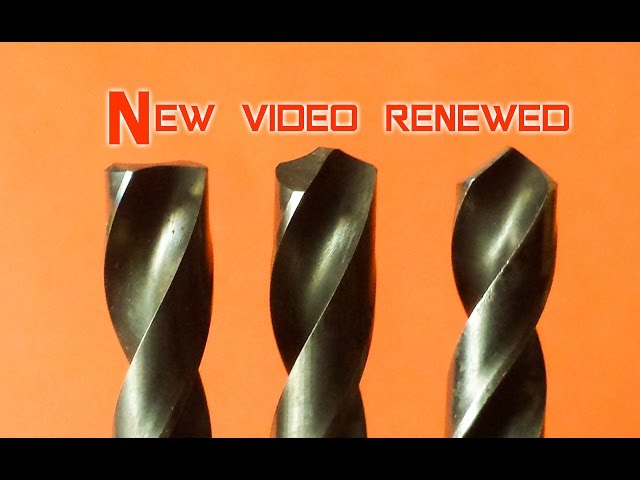
Image Source: i.ytimg.com
Why Sharpen Your Metal Drill Bits?
Over time, even the best drill bits for metal lose their sharpness. This dullness leads to several problems:
- Increased Effort: You’ll need to push harder to drill, which can be tiring and less precise.
- Poor Hole Quality: Dull bits create rough, oversized holes and can even snag or wander, making it hard to start a hole accurately.
- Overheating: Friction from a dull bit generates more heat. This can damage the bit itself, the workpiece, and even the drill motor.
- Reduced Bit Lifespan: Pushing a dull bit puts unnecessary stress on it, leading to premature breakage.
- Wasted Money: Constantly buying new drill bits adds up. Sharpening extends their useful life.
Types of Drill Bits for Metal and How They Wear
Drill bits for metal come in various types, each with specific uses and wear patterns. Knowing these helps tailor your sharpening approach.
- High-Speed Steel (HSS) Drill Bits: These are the most common type. They are tough and can withstand higher temperatures than carbon steel bits. HSS bits typically wear on the cutting edges and the chisel point. Sharpening HSS drill bits involves restoring that sharp cutting edge.
- Cobalt Drill Bits: Similar to HSS but with added cobalt, these are even harder and more heat-resistant. They are ideal for drilling tough metals like stainless steel. Cobalt bits can chip or wear down the cutting edges.
- Carbide Drill Bits: Made from extremely hard tungsten carbide, these bits are designed for very hard materials and high-volume drilling. They are brittle, so they are more prone to chipping than bending. Sharpening carbide drill bits requires specialized diamond abrasives.
- TiN Coated Drill Bits: Many HSS or cobalt bits have a Titanium Nitride (TiN) coating. This coating adds hardness and reduces friction. When sharpening, you need to ensure you don’t grind away too much of the coating, or you’ll lose its benefits.
Essential Tools for Sharpening Metal Drill Bits
Before you start, gather the necessary tools. Having the right equipment makes the job easier and the results much better.
- Drill Bit Sharpener Tool: While not strictly mandatory for all methods, a dedicated drill bit sharpener tool can simplify the process, especially for beginners. These tools often guide the bit at the correct angles.
- Bench Grinder: A bench grinder with appropriate grinding wheels is a common and effective tool for grinding drill bits for metal.
- Grinding Wheel or Diamond Wheel: For HSS and cobalt bits, a fine-grit grinding wheel (aluminum oxide) is suitable. For carbide bits, a diamond grinding wheel is essential due to their extreme hardness.
- Drill Bit Sharpening Jig: These jigs are attachments for bench grinders or drill presses that hold the drill bit at the correct angle for consistent sharpening.
- Vice or Clamp: To securely hold the drill bit or the sharpening jig.
- Safety Glasses: Absolutely crucial. Grinding metal creates sparks and small metal fragments.
- Work Gloves: To protect your hands from sharp edges and heat.
- Marker or Soapstone: To mark the cutting edges.
- Magnifying Glass (Optional): For inspecting the results.
Methods for Sharpening Drill Bits for Metal
There are several ways to sharpen your metal drill bits, ranging from simple manual methods to using power tools.
Method 1: Using a Drill Bit Sharpener Tool
This is often the easiest and most consistent method, especially for those new to sharpening.
- Select the Right Accessory: Most drill bit sharpener tools come with different collets or guides for various drill bit sizes. Choose the one that fits your bit.
- Insert the Drill Bit: Place the drill bit into the designated slot or collet in the sharpener. Ensure it’s seated firmly.
- Set the Angle: The sharpener tool is designed to hold the bit at the correct drill bit sharpening angle (typically 118° or 135° for general metal drilling). Some tools allow you to adjust this.
- Grind the Flutes: Follow the tool’s instructions. Usually, you’ll hold the sharpener against the grinding wheel (or use a built-in grinding wheel) and rotate the sharpener to grind the primary cutting edge along the flute.
- Grind the Second Flute: Repeat the process for the other flute, ensuring symmetry.
- Check the Chisel Point: Some sharpeners also address the chisel point, which needs to be ground to create clearance and a secondary cutting edge.
- Repeat: Continue grinding and rotating until the cutting edges are sharp. You can test the sharpness by trying to lightly scratch a piece of scrap metal.
Pros:
* Easy to use, minimal skill required.
* Provides consistent angles.
* Fast and efficient.
Cons:
* Can be more expensive than other methods.
* May not be suitable for all types or sizes of drill bits.
* Some cheaper models may not produce the sharpest results.
Method 2: Bench Grinder Sharpening with a Jig
Using a drill bit sharpening jig on a bench grinder offers more control and better results than freehand grinding.
- Mount the Jig: Securely attach the drill bit sharpening jig to your bench grinder. Ensure it’s stable.
- Set the Angle: Adjust the jig to the desired drill bit sharpening angle. Consult the jig’s manual for specific settings.
- Secure the Drill Bit: Place the drill bit into the jig’s holder. Ensure the primary cutting edge is positioned correctly against the grinding wheel.
- Start Grinding: With the bench grinder running, gently bring the drill bit into contact with the grinding wheel. Move the bit back and forth slightly along the flute to create a uniform grind.
- Cool the Bit: Periodically dip the drill bit in water to prevent overheating, which can ruin its temper.
- Sharpen the Second Flute: Once the first flute is sharp, reposition the drill bit in the jig to sharpen the second flute. Aim for symmetry.
- Address the Chisel Point: If the jig allows, or if you are skilled, you can carefully grind the chisel point to create a secondary clearance angle. This improves performance, especially when starting holes.
- Test and Refine: Check for sharpness. You may need to make minor adjustments to ensure both cutting edges are equal and sharp.
Pros:
* Achieves very sharp edges.
* More control than freehand.
* Can sharpen a wide range of bits.
Cons:
* Requires a bench grinder and jig.
* Steeper learning curve than a dedicated tool.
* Risk of overheating if not careful.
Method 3: Manual Sharpening (Diamond File or Whetstone)
This method is best for smaller drill bits or when power tools are unavailable. It requires patience and a steady hand.
- Secure the Bit: Clamp the drill bit securely in a vice with the cutting edge facing upwards.
- Choose Your Abrasive: Use a fine-grit diamond file or a sharpening stone (whetstone).
- Find the Angle: You need to hold the file or stone at the correct drill bit sharpening angle relative to the cutting edge. This is the trickiest part.
- Sharpen the Edge: Gently draw the file or stone across the cutting edge, following the bevel of the flute. Use light, consistent strokes.
- Sharpen the Second Flute: Repeat the process for the other flute, striving for symmetry.
- Chisel Point: You can carefully touch up the chisel point with the edge of the file or stone.
- Honing: After grinding, you can use a finer grit stone or a honing steel to refine the edge, which is known as metal drill bit honing. This removes any burrs and further sharpens the cutting surface.
Pros:
* No power tools needed.
* Good for small bits or touch-ups.
* Provides a feel for the sharpening process.
Cons:
* Difficult to achieve consistent angles.
* Time-consuming and requires a lot of practice.
* Can easily remove too much material or create a poor edge if not done carefully.
Method 4: Freehand Bench Grinding (Advanced)
This is the most challenging method and is generally not recommended for beginners. It requires significant practice to achieve good results without damaging the bit.
- Grinding Wheel Selection: Use a fine-grit grinding wheel.
- Angle Approach: Hold the drill bit at the correct drill bit sharpening angle. You’ll be grinding the land (the slightly raised surface behind the cutting edge) to create a new, sharp edge.
- Grind and Rotate: Gently feed the bit into the wheel, rotating it as you go to grind along the flute.
- Cooling: Frequent cooling in water is essential.
- Symmetry: The main challenge is maintaining symmetry between the two cutting edges.
Pros:
* Can be done with just a bench grinder.
* Potentially very fast if skilled.
Cons:
* Very high risk of error (overheating, incorrect angles, uneven grinding).
* Requires extensive practice.
* Not recommended for valuable bits.
Sharpening Different Materials
The material of your drill bit dictates the abrasive you should use.
Sharpening HSS and Cobalt Drill Bits
HSS and cobalt bits are best sharpened using aluminum oxide grinding wheels. These wheels are hard enough to grind the steel but won’t be damaged by it.
- Grinding Wheel Grit: Aim for a fine-grit wheel (around 60-80 grit) for aggressive material removal if needed, but a finer grit (100-120 grit) is better for maintaining the edge and preventing overheating.
- Cooling: Always cool HSS and cobalt bits in water between passes. Overheating can anneal the metal, making it soft and unusable.
- Angle: The standard drill bit sharpening angle for most metals is 118°. For softer metals like aluminum, a 90° to 118° angle might be better. For harder metals, a 135° angle can provide a more aggressive cut.
Sharpening Carbide Drill Bits
Carbide is extremely hard and brittle. It requires diamond abrasives.
- Diamond Grinding Wheels: These are essential. Standard aluminum oxide wheels will not effectively grind carbide and will wear down quickly.
- Coolant: While carbide is more heat-resistant than HSS, it’s still good practice to use a coolant or cool the bit in water to prolong the life of both the bit and the grinding wheel.
- Pressure: Use light pressure. Carbide can chip easily if too much force is applied.
- Angle: Similar angles to HSS apply, but be extra gentle.
Achieving the Correct Drill Bit Sharpening Angle
The angle of the cutting edge is critical for effective drilling.
- 118 Degrees: This is the most common angle and works well for general-purpose drilling in mild steel, aluminum, and plastics.
- 135 Degrees: This steeper angle provides a more aggressive cut and is often preferred for harder metals like stainless steel. It also offers better self-centering.
- 90 Degrees: Used for drilling very soft materials like brass or some plastics, though less common for metal.
Most drill bit sharpening jigs and tools are pre-set to common angles like 118° or 135°. If freehanding or using a jig that allows adjustment, use a protractor or angle gauge to set it accurately.
Restoring the Chisel Point (Web Thinning)
The chisel point is the flat end of the drill bit at the center. If it’s too wide, it can cause the bit to wander and increase the force needed to drill.
- What it is: The chisel point isn’t a true cutting edge; it scrapes. Thinning it creates secondary cutting edges.
- How to do it: After sharpening the primary cutting edges, you can carefully grind the chisel point. With a jig, this is often done by slightly adjusting the bit’s position. Freehand, it involves a light touch at an angle to the grinding wheel. You’re essentially grinding away a small portion of the center, making the point sharper and creating a small facet.
- Goal: You want to create two small, sharp secondary cutting edges at a slightly shallower angle than the primary edges.
Maintenance and Longevity
- Clean Your Bits: After sharpening, wash your drill bits to remove any metal dust or grinding residue.
- Store Properly: Keep your sharpened bits organized in a case or rack to prevent damage to the cutting edges.
- Use Lubricant: When drilling metal, especially harder types, use a cutting fluid or lubricant. This reduces friction, cools the bit, and helps clear chips, extending the life of your sharpened bit.
- Don’t Force It: If you’re struggling to drill, the bit might be dull or you might be using the wrong speed or feed rate. Forcing a dull bit will only make it duller faster and can lead to breakage.
Table: Common Drill Bit Sharpening Angles
| Material Being Drilled | Recommended Drill Bit Sharpening Angle | Notes |
|---|---|---|
| Mild Steel | 118° | General purpose, good balance of cutting and life. |
| Stainless Steel | 130°-135° | Steeper angle for aggressive cutting. |
| Aluminum | 90°-118° | Softer metals benefit from a more acute angle. |
| Brass | 90° | Very soft, requires minimal rake angle. |
| Cast Iron | 118° | Standard angle, moderate feed rate. |
| Plastics | 118°-135° | Depends on plastic hardness; cooler cutting preferred. |
When to Give Up on Sharpening
While sharpening is effective, there are times when a drill bit is beyond repair:
- Broken Tip: If the tip is broken off completely.
- Bent Shank: A bent drill bit will drill inaccurate holes and is difficult to true.
- Cracked or Chipped Flutes: Significant damage to the flutes compromises the bit’s integrity.
- Excessive Wear: If the flutes are worn down so much that there’s very little material left to sharpen.
- Burned or Discolored: If a bit has been overheated significantly, its temper may be lost, making it soft.
Frequently Asked Questions (FAQ)
Q1: How often should I sharpen my drill bits for metal?
A1: This depends heavily on the material you’re drilling and how often you use the bits. For light DIY use, you might sharpen them every few months. For frequent or heavy-duty metal drilling, you might need to sharpen them after drilling through a significant amount of metal, or when you notice a decrease in performance.
Q2: Can I sharpen my drill bits using a regular sharpening stone?
A2: While possible with a very fine-grit whetstone, it’s challenging to maintain the correct drill bit sharpening angle consistently. Diamond files or specialized drill bit sharpening tools are much more effective and easier to use.
Q3: What’s the best drill bit sharpener tool to buy?
A3: There are many brands and types. For general DIY use, look for a tool that handles the sizes of bits you commonly use and offers consistent angle guidance. Brands like Drill Doctor are popular for home and light professional use. For heavier use, professional bench grinder jigs offer more durability and precision.
Q4: Do I need to sharpen both flutes equally?
A4: Yes, absolutely. Unevenly sharpened flutes will cause the drill bit to wobble, drill an oversized hole, and put uneven stress on the bit and your drill. Symmetry is key for effective metal drill bit honing.
Q5: Can I sharpen twist drill bits and flat drill bits?
A5: This guide focuses on sharpening twist drill bits, which are the most common. Flat drill bits (like spade bits) are sharpened differently, usually with a file or stone on their cutting edges. The principles of maintaining a sharp edge apply, but the geometry is distinct.
Q6: What is drill bit honing?
A6: Drill bit honing is the process of refining the cutting edge after initial sharpening. It involves using a finer abrasive to remove microscopic burrs and create a smoother, sharper edge, leading to cleaner cuts and longer bit life.
By following these guidelines and practicing with the right tools, you can effectively sharpen your metal drill bits and keep your projects moving smoothly.